The Specific Things Americans Do Abroad That Give Them Away Instantly — According to Everyone Else
We may earn money or products from the companies mentioned in this post. This means if you click on the link and purchase the item, I will receive a small commission at no extra cost to you ... you're just helping re-supply our family's travel fund.
This article contains affiliate links. If you book or buy something through our links, we may earn a small commission at no extra cost to you.
There is a game that service workers, taxi drivers, and locals in major international tourist cities play with impressive accuracy: identify the American before they speak. It’s not about clothing — the “jeans and sneakers” stereotype is fifty years old and applies to tourists of every nationality now. It’s about behavior. It’s about a cluster of specific, observable habits that are so deeply embedded in American social culture that Americans carrying them abroad rarely notice they’re doing it.
The following is an honest accounting of what those behaviors are, drawn from interviews with international service workers, expats, and travelers who have spent significant time watching Americans in motion abroad.
The Volume Issue Nobody Wants to Say Out Loud
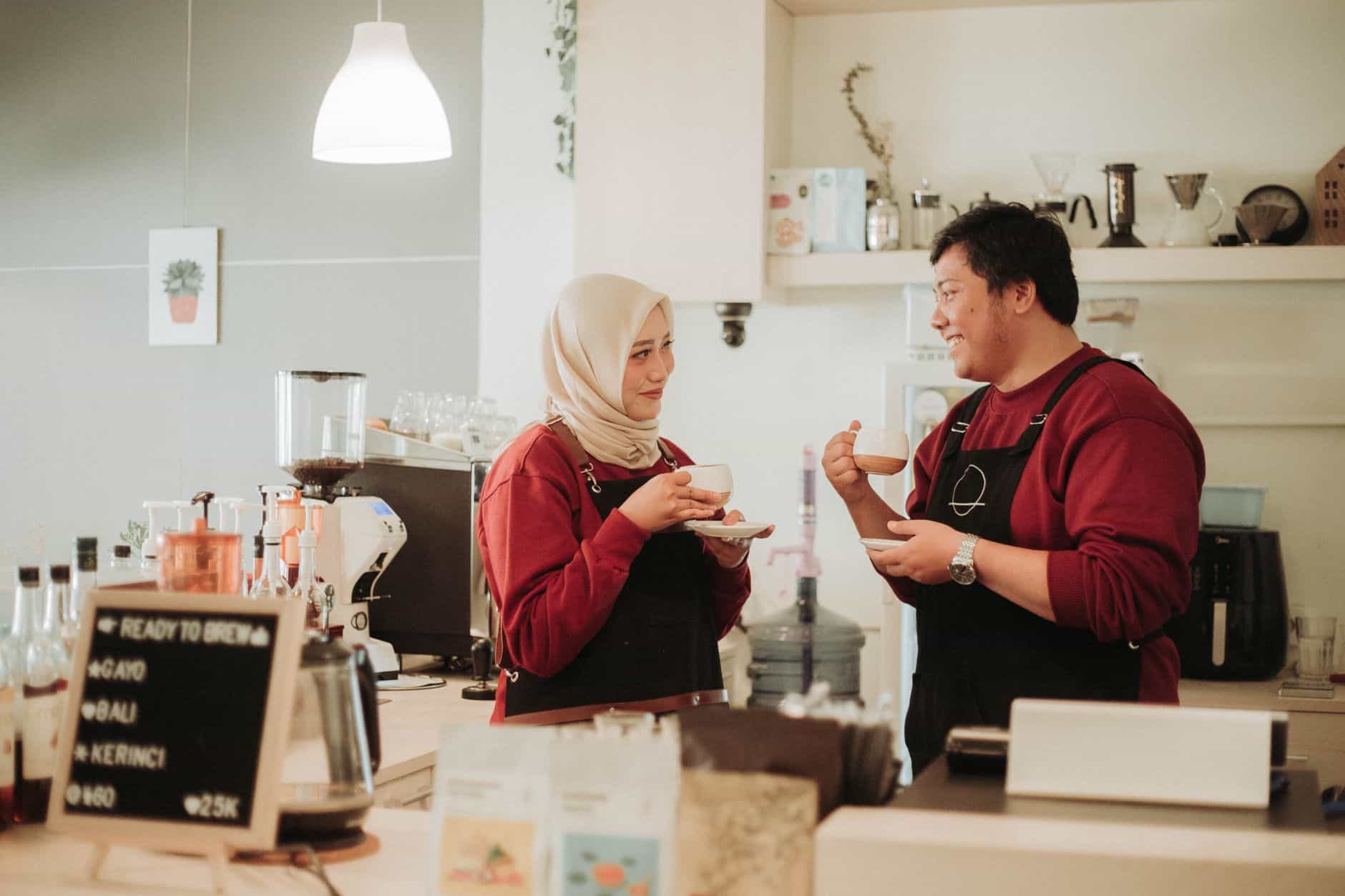
Americans are loud. Not all Americans, and not louder than every other nationality — Brazilian tourists at a beach, large groups of British men at a pub, Australian backpackers at a hostel — but Americans in public spaces tend toward a baseline volume that reads as conspicuous in most of the world.
The reasons are cultural and architectural. American public spaces — shopping malls, open-plan offices, large restaurants — are designed around ambient noise. American conversational norms assume a certain background level of sound and calibrate accordingly. In a Parisian café, a Japanese train car, or a narrow medieval street in Prague, that calibrated volume is dramatically wrong for the space.
A waiter in Rome described it as “the way you can hear them before you see them, even when there are only two of them.” A guesthouse owner in Kyoto said: “Japanese people are not quiet because we’re shy. We adjust our voice to the room. American guests adjust the room to their voice.”
This is not malice. Americans traveling together are usually just having conversations at what feels, to them, like a completely normal register. The problem is the mismatch — and the frequency with which the mismatch goes unnoticed.
The Tipping Confusion That Goes Both Ways
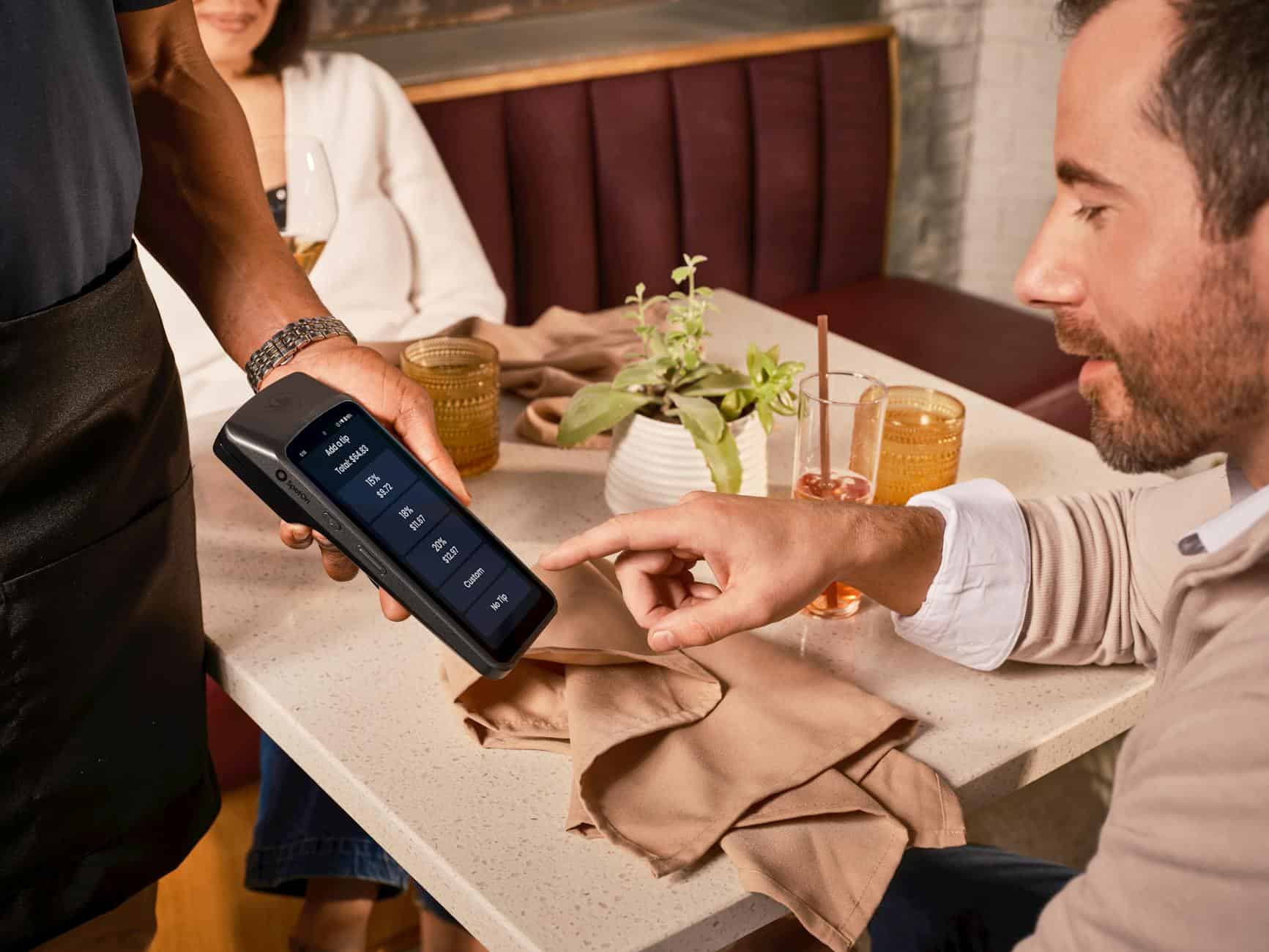
The American tipping instinct is one of the most recognizable exports of American culture. It also creates genuine awkwardness in countries where tipping is not expected, is considered an insult, or operates under entirely different conventions.
In Japan, tipping a server can cause confusion and occasionally offense — the service is considered part of the job, fully compensated by the wage, and the gesture of offering additional money implies that the normal arrangement is insufficient. Americans who don’t know this and tip anyway are usually gently redirected. Americans who know this and don’t tip sometimes feel guilty for following local custom.
In many European countries, rounding up or leaving small change is the convention; leaving 20 percent of the bill is bewildering to the recipient. In parts of Southeast Asia, tipping is accepted but the amount Americans often leave — calibrated to US restaurant economics — is dramatically disproportionate and can create uncomfortable imbalances at establishments where it becomes expected from American guests and not others.
The tip isn’t the problem. The underlying assumption — that the gratuity system Americans navigate at home is either universal or easily adapted — is what marks the traveler as distinctly from a country with a very specific economic relationship between customer and service worker.
What Americans Expect From Service — and Why It Baffles Everyone Else
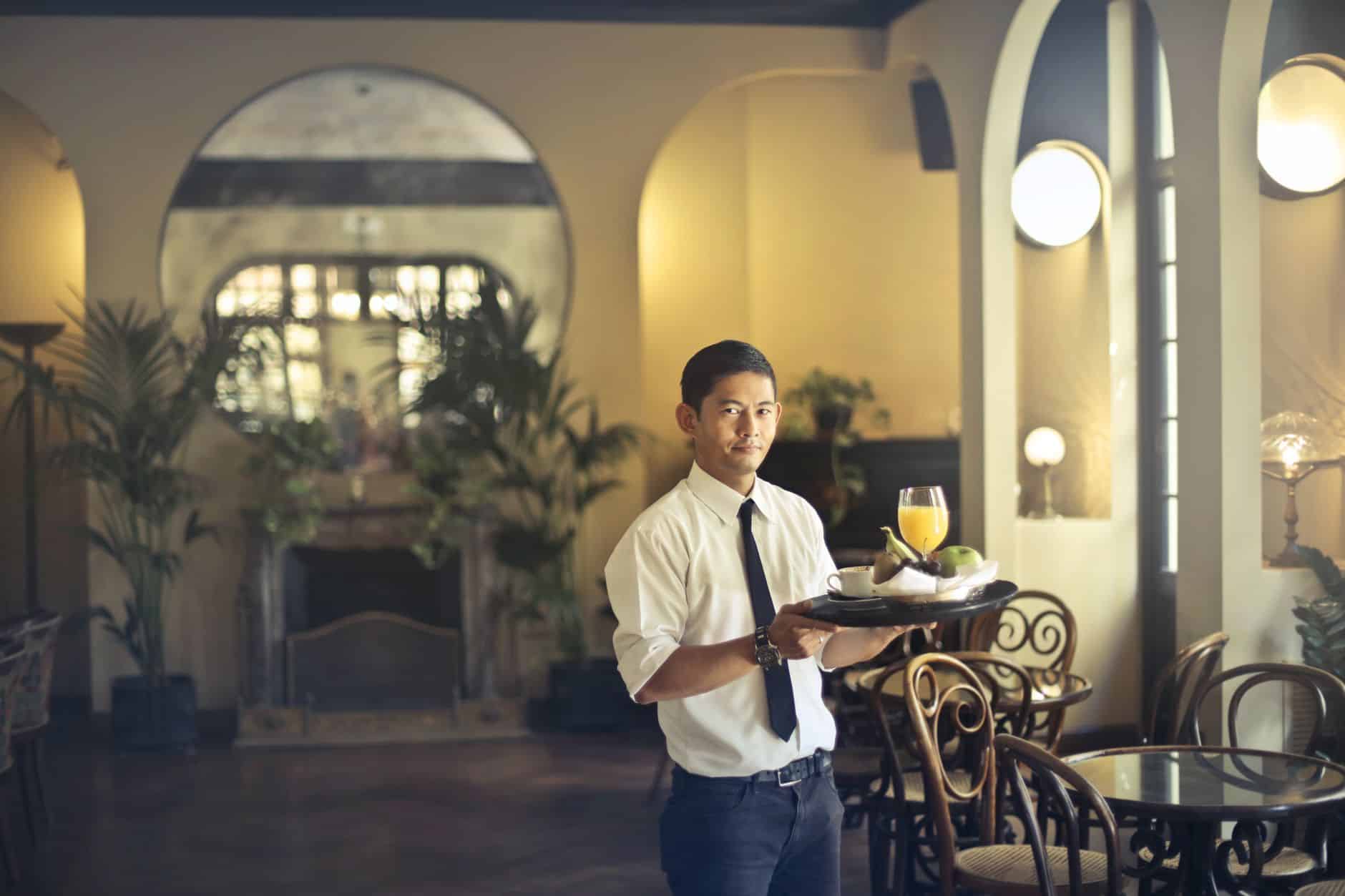
American service culture is built around attentiveness, speed, and the assumption that the customer’s needs are the server’s primary obligation. Check-ins on satisfaction. Water refills without asking. The bill delivered promptly when it looks like the meal is winding down.
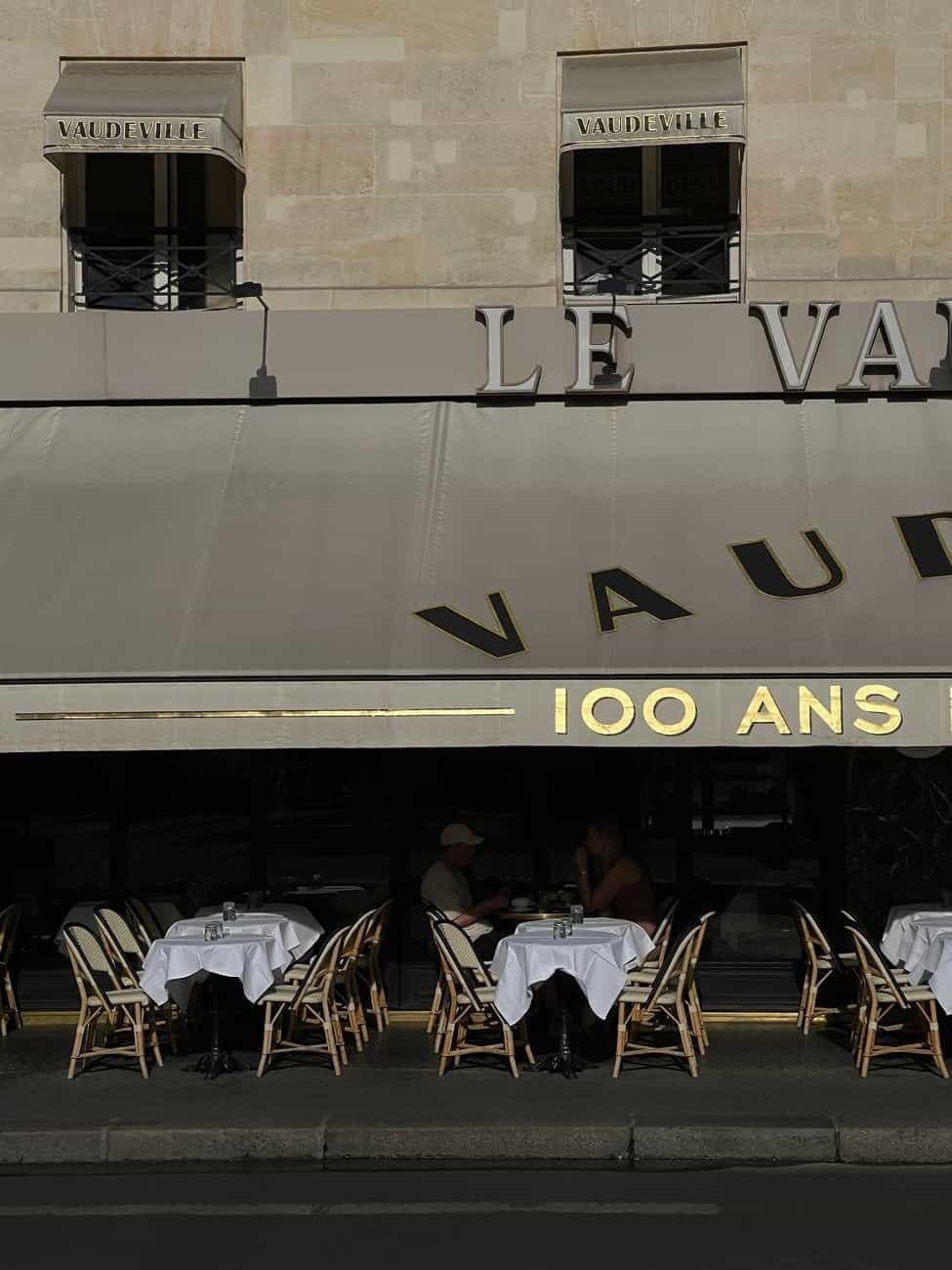
Most of the rest of the world operates on a fundamentally different model. In France, lingering over a meal is not a problem to be solved — it’s the point. The waiter who doesn’t come back for forty minutes isn’t ignoring you; they’re respecting your use of the table. In Germany, efficiency is valued, but it is the customer who signals readiness to leave, not the server who encourages it. In Japan, service is meticulous and anticipatory, but it operates according to its own timing logic, not the customer’s.
Americans who haven’t traveled much often read these differences as bad service. They flag the waiter, ask for the check before it’s been offered, express frustration at what is, locally, completely normal restaurant behavior. Service workers in these countries recognize the pattern immediately.
“The Americans are the ones who look uncomfortable during a long meal,” said a restaurant manager in Barcelona. “They want to know what’s next. Europeans know what’s next. What’s next is more conversation.”
The Food Modification Phenomenon
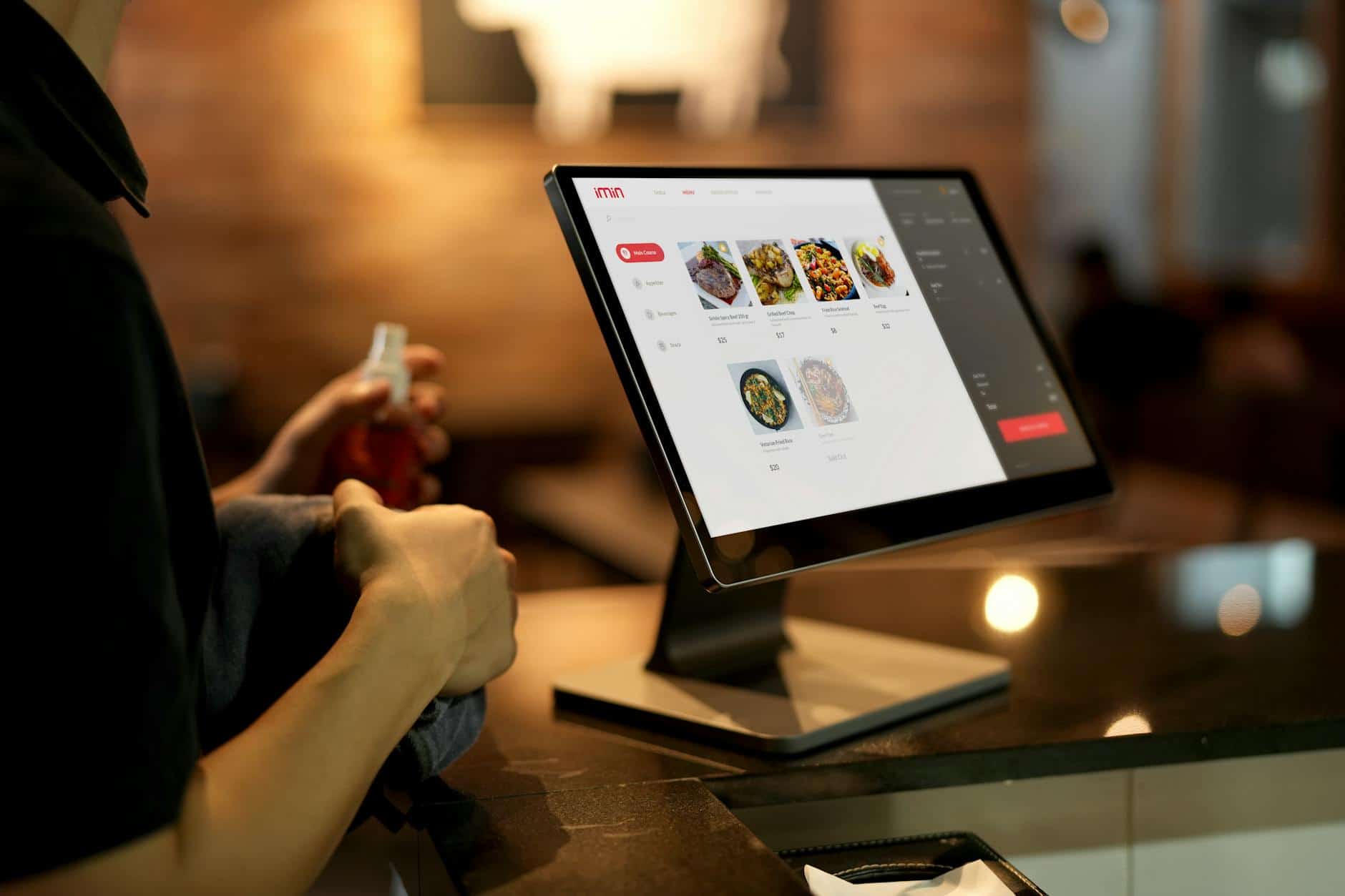
The custom order is an American cultural product. The Starbucks drink with six modifiers. The salad dressing on the side. The burger without onions, with extra cheese, and can you ask the kitchen if they can do a gluten-free bun. American restaurants have built an entire operational system around customization, and Americans have internalized that this is how restaurants work.
In most of the world, it is not.
In Italy, asking for modifications to a traditional pasta dish is not just unusual — it can be received as a critique of the recipe. In Japan, the omakase tradition is literally the opposite of customization: you trust the chef. In France, asking for sauce on the side of a dish that was designed with the sauce integrated is a mild affront to the cook.
Americans traveling abroad who ask to modify dishes are not being difficult, by their own internal logic. They are being exactly as accommodating as they’ve been trained to be at home — expressing preference, managing dietary needs, exercising consumer choice. The disconnect is that their behavior encodes an assumption about food service that is culturally specific to the country they left.
Waiters in international cities have developed patient, standardized responses to this. But they notice it. Every single time.
Personal Space and the Invisible Perimeter
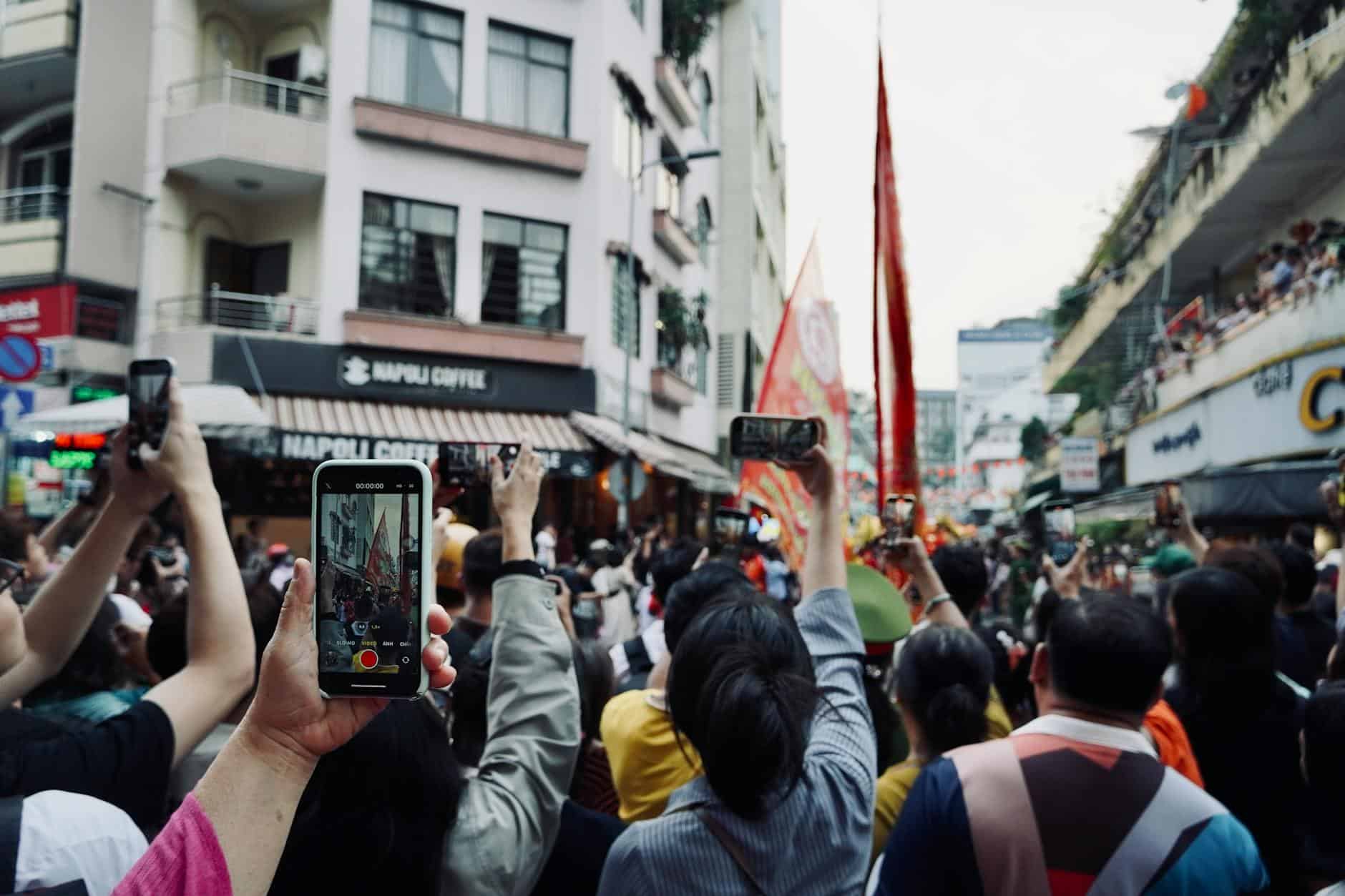
American personal space norms sit somewhere between the close-contact cultures of the Mediterranean and Middle East and the significant-distance preference of Northern European countries. What Americans notice abroad is that people are often either too close (Southern Europe, Latin America, South and Southeast Asia) or, less often, maintaining what feels like oddly formal distance (Northern Europe, Japan).
What people abroad notice about Americans is something subtler: the way Americans expand to fill space in public. The bag on the adjacent train seat. The wide stance at the bar. The unconscious claiming of square footage in a way that reads, in denser urban environments, as inconsiderate or aggressive without any aggressive intent.
“Americans sit as if there’s more room than there is,” a subway worker in Tokyo said, with no particular animosity. “It’s not rudeness. It’s that they come from somewhere where there usually is more room.”
The physical footprint of American behavior is large. It maps onto the spatial reality Americans come from — a large country, large homes, large cars, large portions of everything — and it travels abroad unchanged.
The Constant Apology for Not Speaking the Language

Americans abroad frequently preface requests with elaborate apologies for not speaking the local language. “I’m so sorry, I don’t speak French, but…” “I apologize — my Italian is terrible — can you help me?” The apology is genuine. The embarrassment is real.
This is, counterintuitively, one of the American behaviors that international service workers find most endearing — and also most recognizable. The British tourist, historically, has not apologized. The French tourist, in an American city, has often not apologized. The American apology for linguistic limitations is culturally specific and almost universal among American travelers.
The irony, noted by multiple expats and international travelers, is that the embarrassment sometimes makes the interaction more awkward than simply proceeding. A simple, confident “English?” — the question asked in countless countries — often produces a more efficient result than the elaborate preamble.
The Smile That Means Nothing (But Americans Mean It)

Americans smile at strangers. In shops, on sidewalks, in elevators, making eye contact with someone they’ve never seen before and will never see again. This is a specifically American social reflex, and it baffles a significant portion of the world.
In Russia and much of Eastern Europe, smiling at a stranger signals either romantic interest or mild mental instability. In Japan, a broad smile from a stranger can read as strange or intense. In Germany, the ambient friendliness Americans project in public space doesn’t map onto any social expectation.
“American tourists smile at me on the street,” said a shopkeeper in Prague. “I don’t know what it means. They keep walking. I think it means nothing. But in my country, if you smile at someone, it means something.”
For Americans, the smile is a low-cost social lubricant, a signal of goodwill and non-threat. It’s cultural background radiation. But it transmits differently — and abroad, it’s one of the clearest signals that the person smiling just got off a plane from North America.
What It Actually Means — Beyond the Stereotypes
The point of cataloguing these behaviors is not to make Americans feel ashamed of being American. Most of these traits are genuinely neutral — artifacts of a particular culture, not moral failures.
What they reveal is something more interesting: how invisible our cultural defaults are to us. Americans who do the things on this list are not performing Americanness. They’re just functioning normally, using the social software that works perfectly well at home, in a context where the operating system is different.
The travelers who adapt most fluidly abroad are not the ones who suppress their American-ness. They’re the ones who develop the habit of noticing their defaults — the volume, the tips, the smiles, the food modifications — and asking whether the setting calls for a different approach.
The ability to ask that question, and to adjust, is essentially what cross-cultural competence is. It’s also, as it turns out, one of the best reasons to travel at all.