Some People Cry on the Last Day of a Trip. Others Feel Nothing at All. Psychologists Say the Difference Isn’t About How Much Fun They Had
We may earn money or products from the companies mentioned in this post. This means if you click on the link and purchase the item, I will receive a small commission at no extra cost to you ... you're just helping re-supply our family's travel fund.
Anyone who has traveled with a group has seen the split: one person with tears welling up on the last morning, staring at a hotel ceiling like it’s a funeral, while someone else in the same group is already mentally repacking their carry-on and checking flight status. Psychological research on vacation and mood suggests this divide has less to do with how good the trip was and more to do with how a person’s baseline psychology processes identity, transitions, and what researchers call the post-vacation blues.
What’s Actually Happening in the Brain
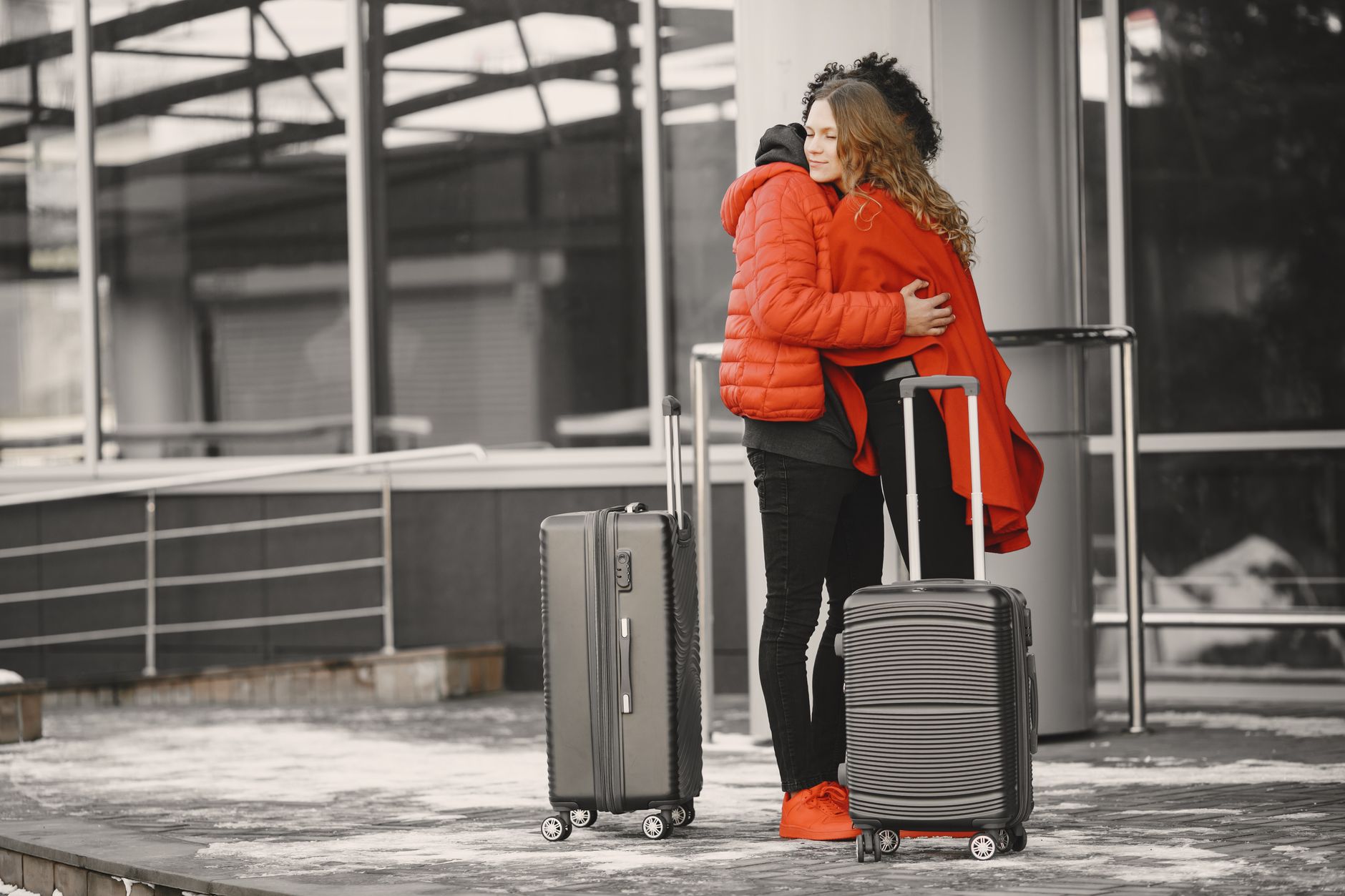
Vacations produce a measurable, temporary boost in mood and life satisfaction, largely driven by novelty, reduced routine stress, and increased social connection, especially on trips involving other people. The drop-off at the end isn’t just sadness about the trip ending, it’s the brain recalibrating from an elevated dopamine and novelty state back to ordinary baseline, a shift some researchers compare structurally to a mild, short-term version of the letdown described in reward-processing psychology. People with more reactive reward systems, or those using the trip as an escape from a genuinely difficult home life, tend to feel that drop more intensely.
Why Some People Feel It More Than Others
- People who use travel specifically to escape stress, rather than purely for novelty, report sharper emotional drops on return, since the return also means returning to the stressor
- Individuals higher in trait neuroticism, a personality dimension associated with more intense emotional reactivity generally, report stronger post-vacation blues
- People traveling with family or close friends report more end-of-trip sadness than solo travelers, tied to the impending loss of concentrated social time rather than the destination itself
- Those who plan a specific re-entry routine, like a light first day back or a small treat scheduled for the return, report less severe emotional drop-off
The People Who Feel Nothing

The absence of an emotional reaction isn’t necessarily a sign someone enjoyed the trip less. Some travelers process positive experiences with less intensity generally, a pattern associated with lower trait neuroticism and higher emotional stability, not indifference. Others have built enough travel into their regular life that any single trip carries less symbolic weight; frequent travelers often describe trips as additive rather than as escapes from an otherwise unbearable routine, which reduces the emotional cliff on the way back down.
What Actually Predicts the Post-Trip Crash
- How large the contrast is between the trip environment and home life, not the objective quality of either
- Whether the traveler has something specific to look forward to immediately after returning
- How much the trip involved deep social bonding versus solo sightseeing
- Whether the person’s identity is partly built around being ‘a traveler,’ which can make the return to ordinary life feel like an identity loss rather than just a schedule change
What to Do With Any of This
Travel researchers generally recommend building a soft landing into any trip: a day of buffer before returning to work, a small ritual that marks the transition, or even just acknowledging that the flatness or sadness some travelers feel is a normal physiological adjustment rather than evidence the trip wasn’t worth taking. The person crying on the last morning and the person already asleep on the airport shuttle both had a good trip. Their nervous systems are just built to process the ending differently.
What Group Trips Reveal About This Divide
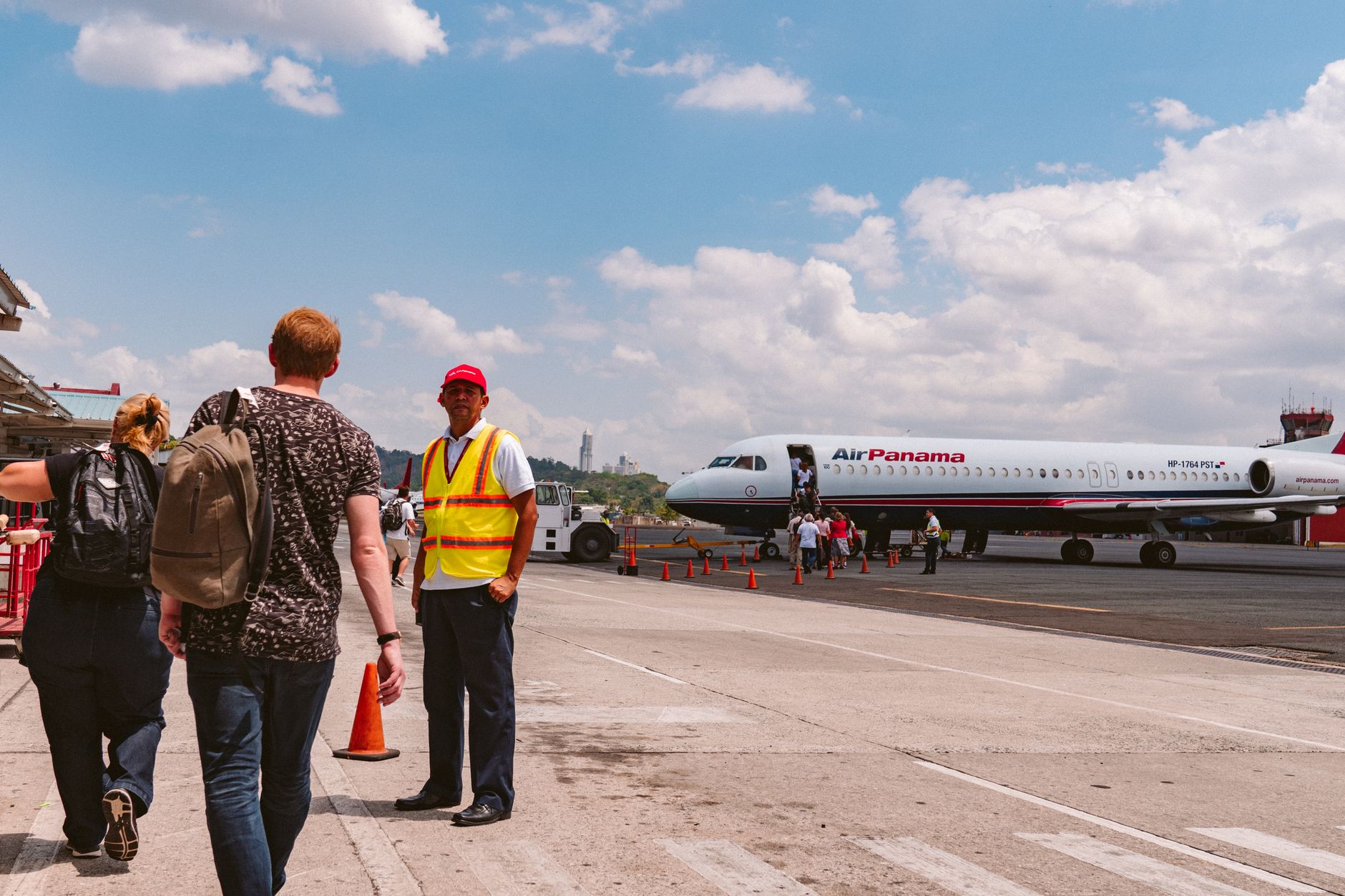
Group trips make this psychological split unusually visible because everyone experiences the same itinerary but processes the ending completely differently, often within the same twenty-four hour window. The person organizing a group trip tends to feel the loss most acutely, having invested more emotional energy into planning and maintaining the group’s cohesion throughout, which means the end of the trip also represents the end of a role they had been actively performing. Meanwhile, someone who came along more passively, letting others handle logistics, often experiences a smoother emotional landing, since they were never as identified with the trip’s success or failure in the first place.
Researchers studying group travel dynamics have also found that trips involving significant shared novelty, learning a new skill together, navigating a genuinely unfamiliar culture, produce stronger bonding effects and correspondingly sharper separation feelings at the end, compared to trips that repeat a familiar formula, like an annual beach week at the same resort. The intensity of the ending seems to track the intensity of the shared novelty more than the raw enjoyment level, which explains why a chaotic, occasionally stressful international trip can sometimes produce more end-of-trip emotion than a smooth, relaxing one.
How to Read Your Own Travel Psychology
- If you feel flat rather than sad at the end of a trip, that is not a sign you enjoyed it less, only that your baseline emotional reactivity runs lower
- If you dread the return specifically because of what’s waiting for you at home, the sadness is about home, not about the trip ending
- If you feel the loss most around other people rather than around the destination itself, the trip’s value for you is primarily social bonding
- Planning a small, specific thing to look forward to immediately after returning measurably reduces the intensity of the post-trip low
None of this research suggests one emotional response is healthier than the other. It simply maps onto normal variation in how different nervous systems process the transition between an elevated, novel state and an ordinary one. Understanding that variation removes some of the guilt travelers sometimes feel for reacting the wrong way to their own vacation ending, when there was never a single correct way to feel about a trip finishing in the first place.
Travel companies have started designing around this variation rather than ignoring it, building trip structures that intentionally taper in intensity toward the final days rather than ending abruptly at peak activity, a shift some tour operators say measurably improves customer satisfaction scores on post-trip surveys.
Journaling during a trip, rather than only after it ends, has also been linked in small studies to a smoother emotional landing, likely because it forces a traveler to process the experience incrementally rather than all at once during the final draining hours of a long trip home, when exhaustion tends to amplify whatever emotional response was already building underneath it.