Before New Development, Flagstaff’s Southside Was Shaped by Latino History—Its Rents Show What’s at Stake
We may earn money or products from the companies mentioned in this post. This means if you click on the link and purchase the item, I will receive a small commission at no extra cost to you ... you're just helping re-supply our family's travel fund.
Flagstaff’s Southside Latino history is easy to miss if you only visit for the pines, the observatories, and the brewery crawl. But a few blocks south of the railroad tracks, near downtown, sits a neighborhood that has long been home to Mexican American and Hispano families who worked on the railroad, in lumber mills, and in the businesses that served them. Today the Southside is changing quickly, with new apartments, rising rents, and growing pressure from students and visitors. That is what is at stake.
Figures about rents and development change often, so treat any numbers you see as a range and check current listings, city documents, and local reporting before you go or make decisions.
What Flagstaff’s Southside Latino History Looks Like Today
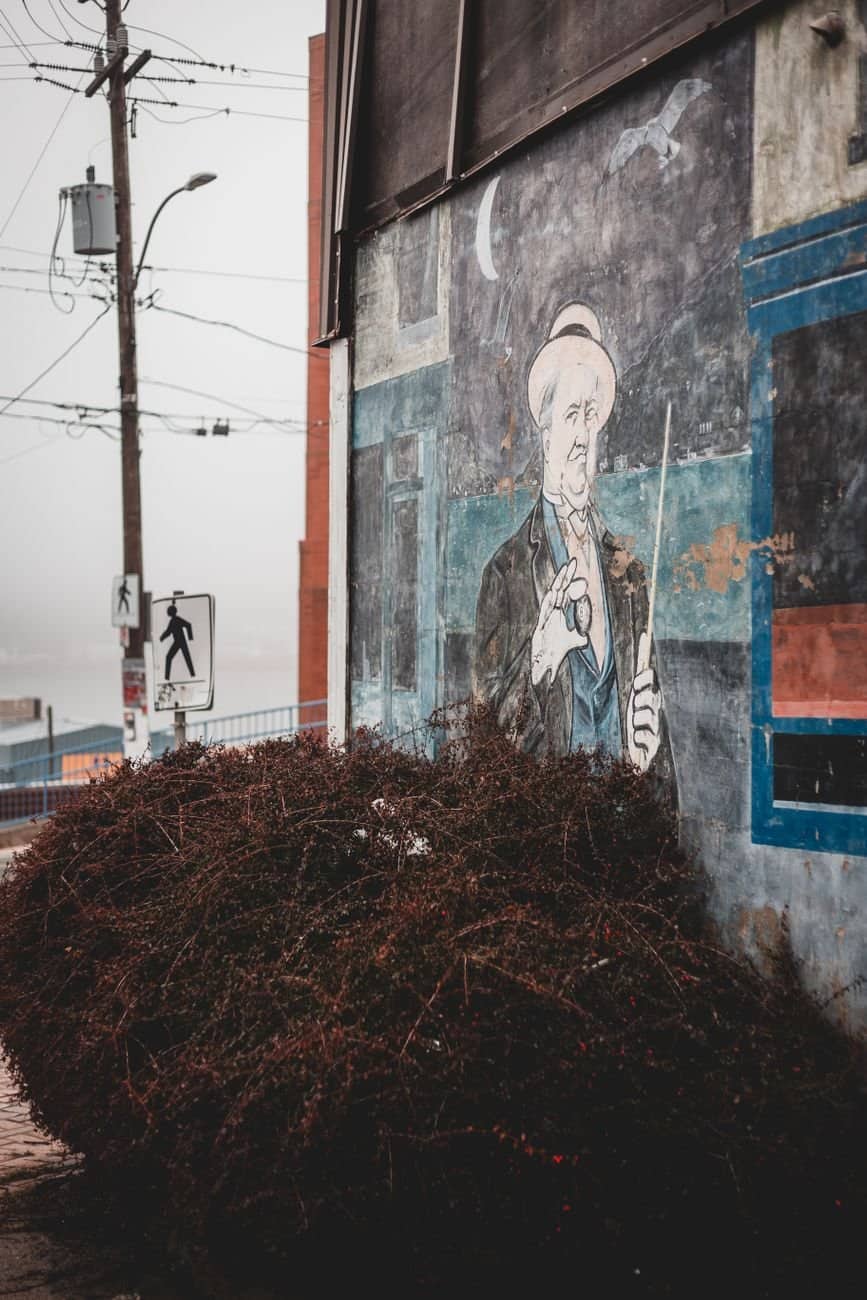
The Southside lies south of the Burlington Northern Santa Fe tracks and the historic Route 66 corridor, an area tied to the city’s early growth. Walking its streets today, you will find a mix of small houses, older commercial buildings, murals, restaurants, and new construction.
Railroad and Lumber Roots
Flagstaff grew in the late 1800s around the railroad and the timber industry. Workers were needed to lay track, cut and haul logs, and run the mills. Mexican and Mexican American laborers, along with families with roots in northern New Mexico, formed an important part of that workforce. Many settled on the south side of the tracks, close to jobs and affordable land, and built homes, churches, and community organizations. Records and local histories also describe other groups in the area, including Basque sheep ranchers, Italian, and Native American residents, so the story is layered.
La Plaza Vieja
One of the best-known names in the area is La Plaza Vieja, the historic neighborhood often described as the oldest Hispano and Mexican American residential area in Flagstaff. It sits just south of the tracks near downtown and has been recognized in local history projects and city planning documents. The neighborhood has many small historic houses and a long-standing sense of community. Local historians, families, and cultural organizations have worked to document and preserve its history, including oral histories and photographs. Check with the Arizona Historical Society’s Pioneer Museum, Northern Arizona University’s Cline Library special collections, and the Flagstaff Cultural Partners for current exhibits and materials.
Family Businesses and Community Life
Over the decades, grocery stores, bakeries, restaurants, and social halls served the neighborhood. Churches, parades, and celebrations marked the calendar. Families passed along houses and recipes, and local organizations supported residents through hard times. This daily life is part of the history, not just buildings and dates.
How Development and Rents Put That Legacy at Risk
Flagstaff is a small city with high housing demand. Northern Arizona University brings thousands of students, tourism brings visitors and short-term rentals, and the setting attracts remote workers and retirees. The city is surrounded by national forest land, which limits expansion. These factors push up prices and rents throughout town.
The Southside Is Close to Everything
The Southside’s location near downtown, the university, and the Mother Road corridor makes it attractive to developers. Over the last couple of decades, new apartment buildings, student-oriented housing, and redevelopment projects have appeared in and around the area. Older, smaller houses have been replaced or remodeled, and some long-time residents have faced rising property taxes or offers to sell.
Rents Are High Compared With Local Wages
Rents in Flagstaff have been among the highest in Arizona relative to local incomes, according to housing studies and local reports. Typical monthly rents for a one-bedroom unit have often landed well above $1,200 in recent years, and larger units cost more, though numbers vary by source, year, and building. Many local workers, including those in service jobs, spend a large share of their pay on housing. For long-time Southside families, rising rents and home values can mean displacement, either because they cannot afford to stay or because they decide to sell.
Cultural Displacement Is More Than Housing
When residents leave, businesses and traditions can follow. A shop that served the neighborhood for decades may close, a church may lose members, and a community event may lose its organizers. New development is not automatically harmful, and it can bring housing and investment, but it can also change who the neighborhood is for. Residents, historians, and city officials have debated how to add housing while protecting historic character and affordability.
How to Visit With Respect
If you visit, treat the Southside as a living neighborhood, not a theme park.
- Walk or bike. Streets are narrow, and parking can be limited.
- Start at downtown’s Pioneer Museum or the Flagstaff Visitor Center to learn about local history, and ask staff about Southside resources.
- Visit locally owned restaurants, bakeries, and shops. Spending money in neighborhood businesses helps keep them going.
- Look for murals and public art, and read any plaques. Photograph respectfully and avoid private yards.
- Check for community events, festivals, and talks, such as those held around Hispanic Heritage Month in September and October, or other cultural celebrations.
- Keep noise and trash low, especially in residential blocks.
- Do not treat homes as attractions. Many are private residences.
- Ask before you photograph people.
Things to See Nearby
- Downtown Flagstaff’s historic district, with its brick buildings, railroad depot, and Route 66 signs.
- The Arizona Historical Society Pioneer Museum, which covers regional history.
- The Museum of Northern Arizona, about three miles northwest, with exhibits on the Colorado Plateau’s cultures and natural history.
- Lowell Observatory, a short drive west of downtown, where Pluto was discovered in 1930.
- The Flagstaff Urban Trail System, which links neighborhoods, including paths near the railroad corridor.
- Local breweries and cafes, where you can chat with residents about the town’s growth.
Hours and admission change, so check before you go.
What Residents and Advocates Are Doing
Residents, historians, and community groups have taken several approaches. Some focus on documentation, recording oral histories and collecting photographs so the story is not lost. Others focus on housing, supporting affordable housing programs, community land trusts, or policies that help long-term residents remain. The City of Flagstaff has housing programs and planning initiatives, and public meetings give residents a chance to comment on development. Local nonprofits and cultural organizations host events that celebrate the neighborhood. Because policies change, check with the city, the county, and local groups for the latest details.
Why It Matters Beyond Flagstaff
The Southside is one example of a pattern seen across the American West: historic working-class and minority neighborhoods near downtowns become desirable, rents climb, and communities that built them face displacement. Travelers can notice this pattern in many towns. Understanding it can change how you travel, from where you eat to where you stay. Choosing locally owned businesses and learning the history are small acts that support communities.
A Short Walking Plan
- Begin at the downtown depot and visitor center, and pick up a map.
- Walk south across the tracks at a marked crossing and explore the streets around La Plaza Vieja, noting the older houses and murals.
- Stop at a neighborhood restaurant or bakery for lunch.
- Return downtown and visit the Pioneer Museum for context.
- End with an evening stroll through the historic district.
This takes a half day at an easy pace. Weather in Flagstaff can change quickly, and winter snow is common, so dress in layers.
Reading the Neighborhood as You Walk
Most visitors who walk the Southside find that the history is in the details. Look at the scale of the houses, many of them modest, built close to the street, with small yards and porches. Notice the older commercial buildings at corners, some now housing different businesses than they were built for. Look for a mix of materials, including brick, stucco, and wood, and for murals that speak to family, work, and identity.
You may also notice newer buildings rising beside older ones. Contrast is the story. A four-story apartment building next to a house that has stood for a century tells you more about the pressure on a neighborhood than a statistic can. Ask yourself who the new housing is aimed at, and who might be able to afford it.
A Closer Look at the Housing Pressures
Housing in a small mountain city like Flagstaff is shaped by several forces at once, and the Southside feels all of them.
- Land is limited. National forest and other public land surround the city, so builders have fewer places to grow outward and more reason to build up and infill.
- Students need beds. Northern Arizona University enrolls many thousands of students, and the demand for rooms near campus and downtown pushes rents up for nearby neighborhoods. Developers often build with students in mind, and units are sometimes rented by the bedroom.
- Short-term rentals compete for homes. In a tourist town, a house can earn more as a vacation rental than as a long-term home, which reduces supply for residents. Rules on short-term rentals have been debated in many mountain towns, so check what Flagstaff currently allows.
- Wages lag. Many local jobs are in tourism, retail, health care, and education, where pay can be modest compared with housing costs.
- Remote work raised demand. Since 2020, more people have been able to live in places they love, and mountain towns saw rising interest.
All of this affects the people with the fewest options, including older residents on fixed incomes and families who have been in the same house for generations.
Why History and Housing Are Connected
It is tempting to see history as something in museums and housing as something in spreadsheets. In the Southside, they are the same subject. A neighborhood’s story is held by the people who remember it, and when they cannot afford to stay, the story can thin out. Oral histories, murals, and plaques help, but they cannot replace the daily presence of families, shops, and churches.
Preservation tools exist, such as historic designations, community land trusts, affordable housing requirements, and property tax relief for seniors. Each has strengths and limits, and which ones are available depends on local rules. Residents and officials continue to discuss them at public meetings, and visitors can follow along through local news and city websites.
Learning More Before or After Your Trip
- Read local histories and online archives from Cline Library at Northern Arizona University and from the Arizona Historical Society.
- Follow local news outlets in Flagstaff for coverage of housing and development.
- Look for walking tour materials from the visitor center or Flagstaff cultural organizations.
- Attend or watch public meetings if you want to understand current proposals.
- Ask residents and business owners about their experience, and listen more than you talk.
The Takeaway
Flagstaff’s Southside is more than a convenient place near downtown. It is a neighborhood built by Latino families whose work helped build the city, and development and high rents now test whether that history will stay visible. Visit with respect, support local businesses, and learn from local sources. Check current rents, events, and hours before you go.