Yes, Cruise Ships Can (and Do) Leave Without You: Why it Happens and What to Know
We may earn money or products from the companies mentioned in this post. This means if you click on the link and purchase the item, I will receive a small commission at no extra cost to you ... you're just helping re-supply our family's travel fund.
Imagine returning from a beautiful day in port, only to see your cruise ship disappearing on the horizon. It’s not just a vacation horror story it happens more often than you might think. Cruise ships operate on strict schedules for safety, logistical, and legal reasons, and they can’t always wait for late passengers. Knowing why this happens, how to avoid it, and what to do if you find yourself stranded can help you stay prepared and keep your trip on track.
Why Cruise Ships Stick to Tight Schedules
Cruise ships run on carefully planned itineraries that involve port agreements, docking slots, and customs requirements. Delaying departure can disrupt schedules for other ports and result in substantial fines. Harbors operate on tight timelines, and missing your departure window can mean waiting hour or even until the next day to leave. For safety, the ship must also travel between ports in daylight or optimal weather windows, making timely departures critical.
Common Reasons Passengers Miss Departure
The most common reason is simply losing track of time during shore excursions. Other issues include transportation delays, traffic jams, and time zone confusion when local time doesn’t match ship time. Unexpected events like medical emergencies or lost belongings can also keep passengers from returning on time. While cruise lines do their best to remind guests of departure times, the ultimate responsibility lies with the traveler.
How Shore Excursions Play a Role
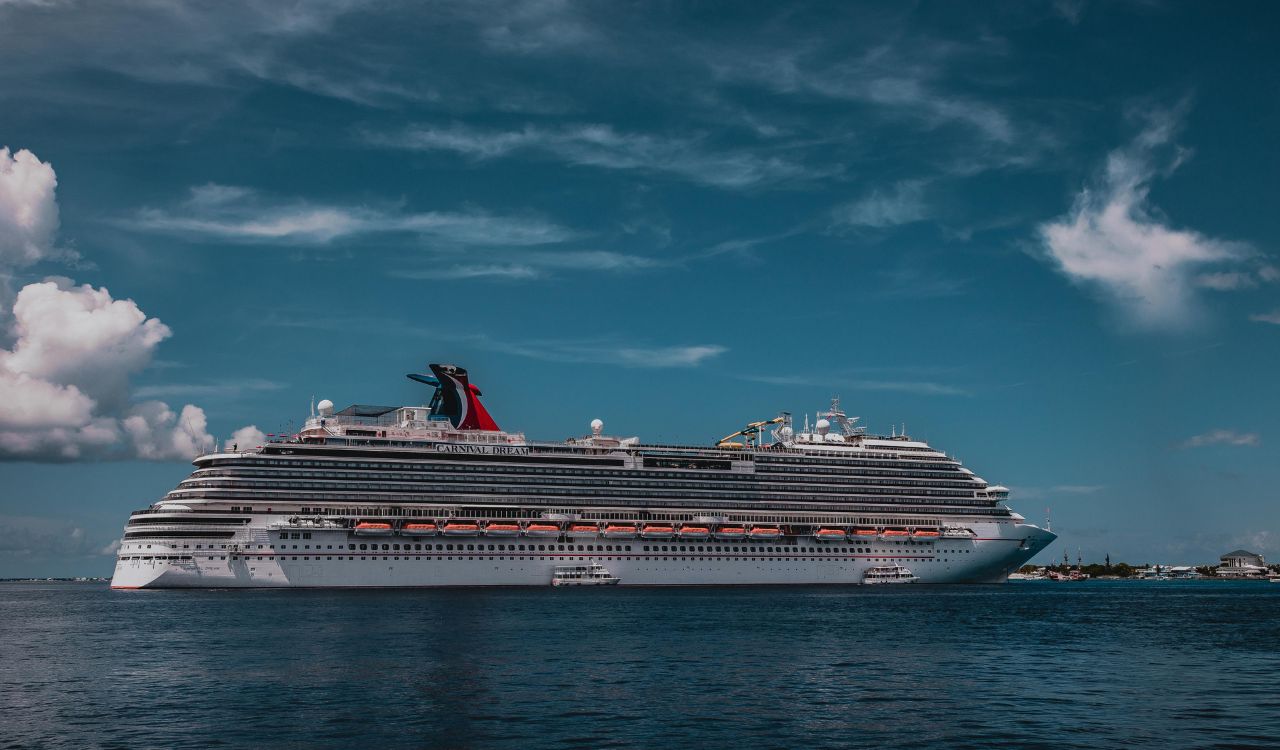
Shore excursions booked directly through the cruise line are usually safer in terms of timing if these tours run late, the ship will typically wait for you. Independent tours, however, are different. If you arrange activities on your own and something delays you, the ship has no obligation to wait. While private tours can be cheaper or more personalized, they come with the added risk of being left behind if timing goes wrong.
The Importance of Ship Time vs. Local Time
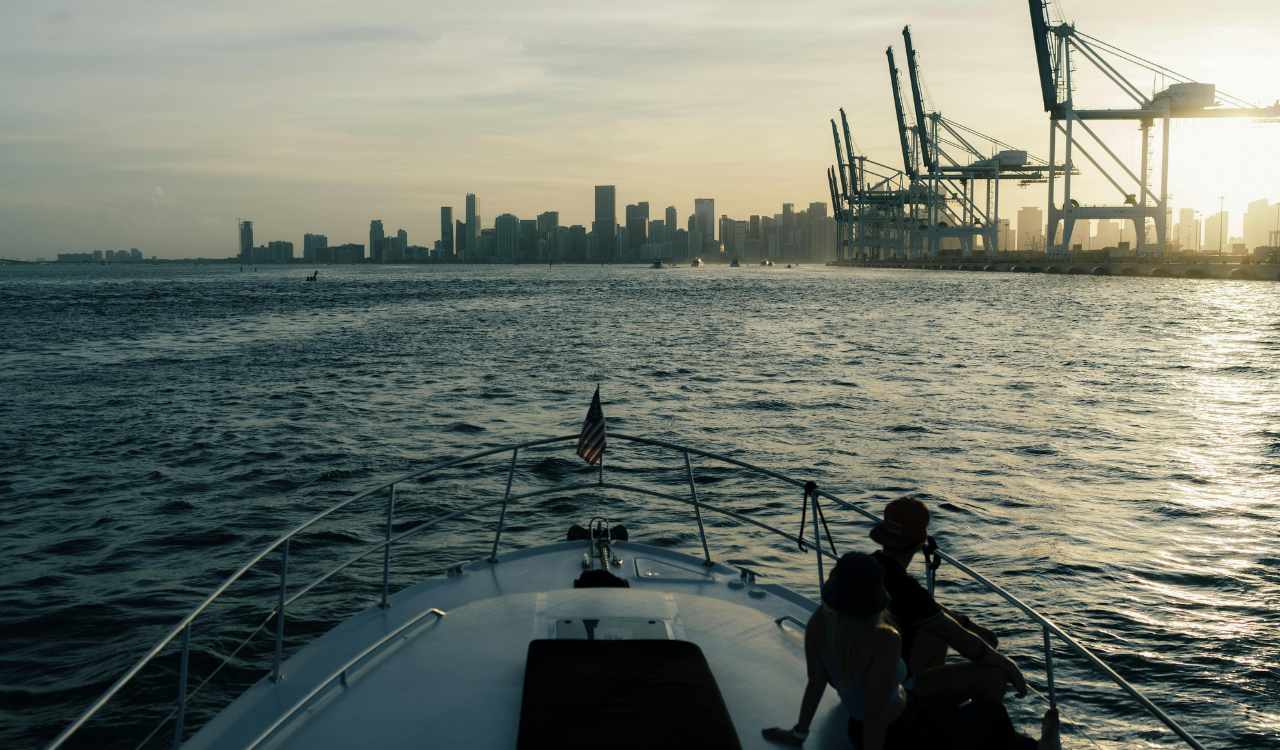
One of the easiest ways to miss your ship is to set your watch or phone to local time instead of ship time. Cruise ships often keep a fixed time throughout the journey, regardless of the port’s time zone, to keep schedules consistent. Relying on your phone can be risky, as it may automatically update to local time. Always double-check what “ship time” is and set a reliable watch or alarm accordingly.
What Happens If You’re Left Behind
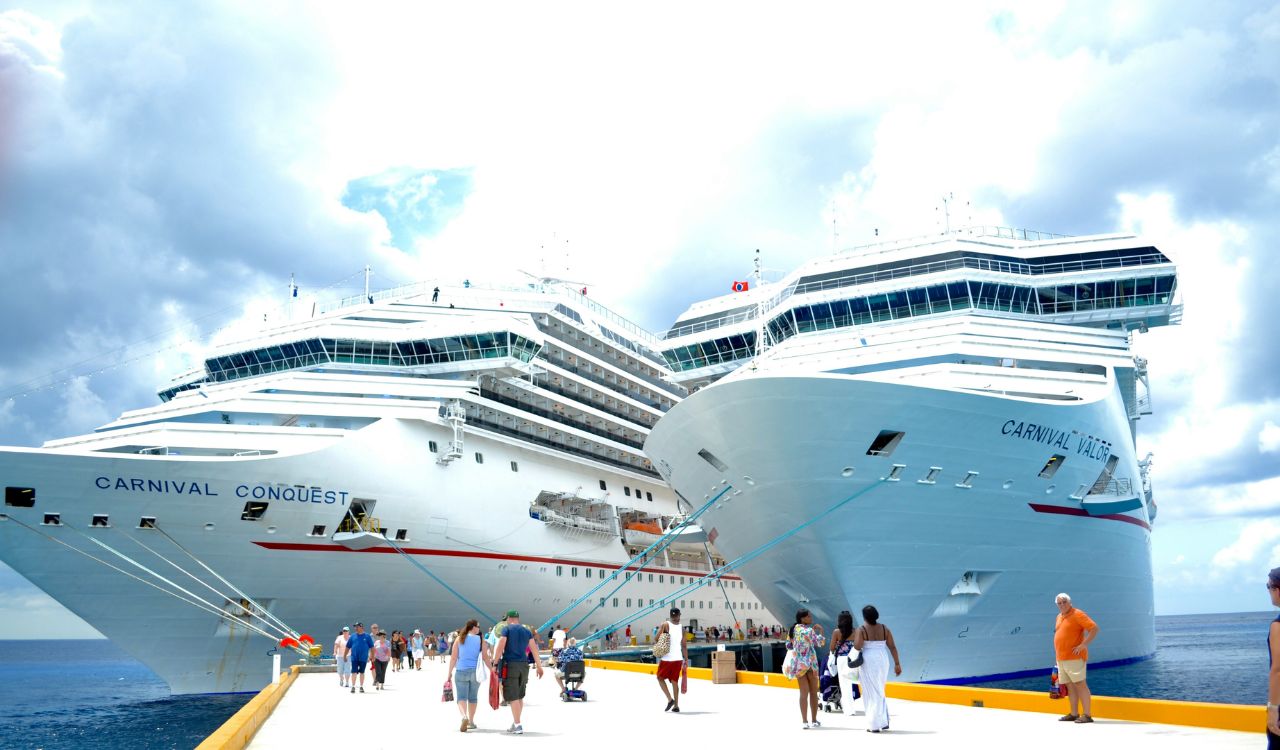
If you miss your ship, you’re responsible for arranging and paying for your own transportation to the next port. This can mean buying a last-minute flight, booking a hotel, and arranging visas if you cross international borders. The cruise line will usually hand over your passport (if they were holding it for customs) to port authorities, but from there, you’re on your own. It’s a costly and stressful situation that can derail your entire trip.
Steps to Avoid Missing Your Ship
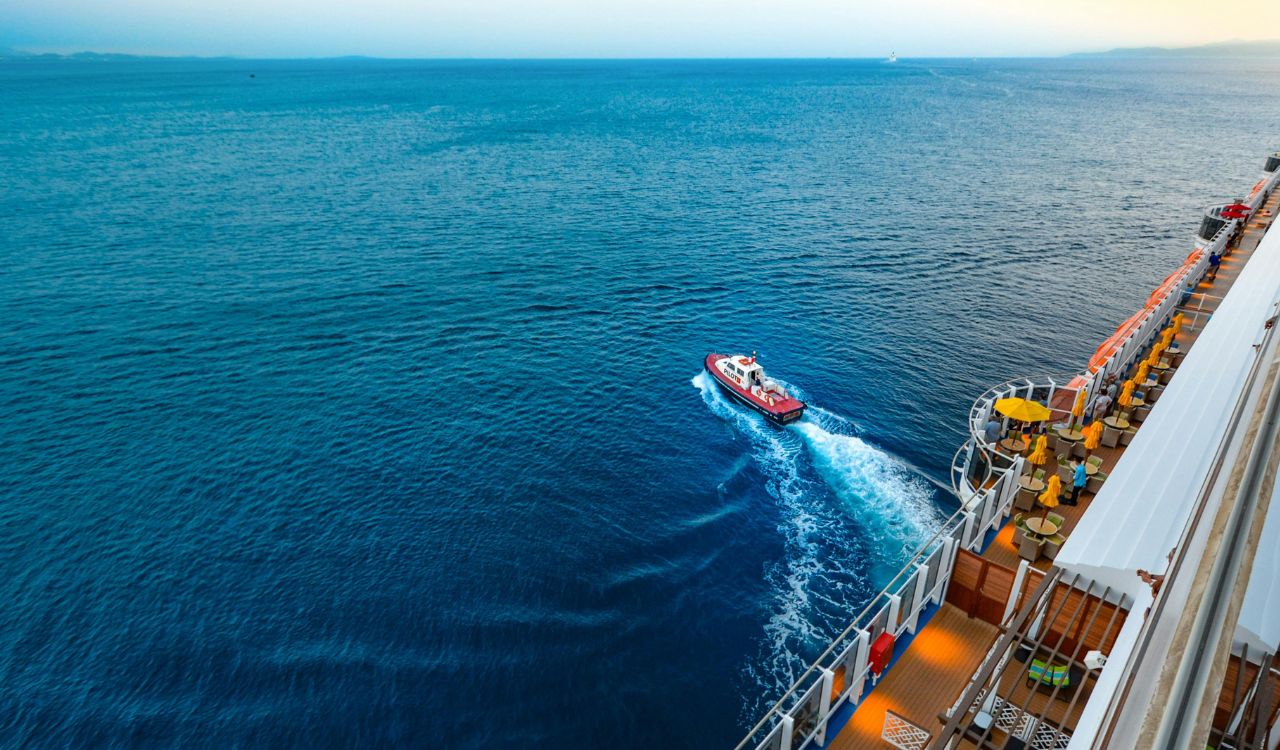
Plan to be back onboard at least 30 to 60 minutes before the scheduled departure. Book ship-sponsored excursions when possible, especially in unfamiliar or high-traffic destinations. If you explore independently, research transportation options and have a backup plan in case of delays. Keep your phone charged, set multiple alarms, and always carry the ship’s contact information in case of emergencies.
How Cruise Lines Communicate Before Departure
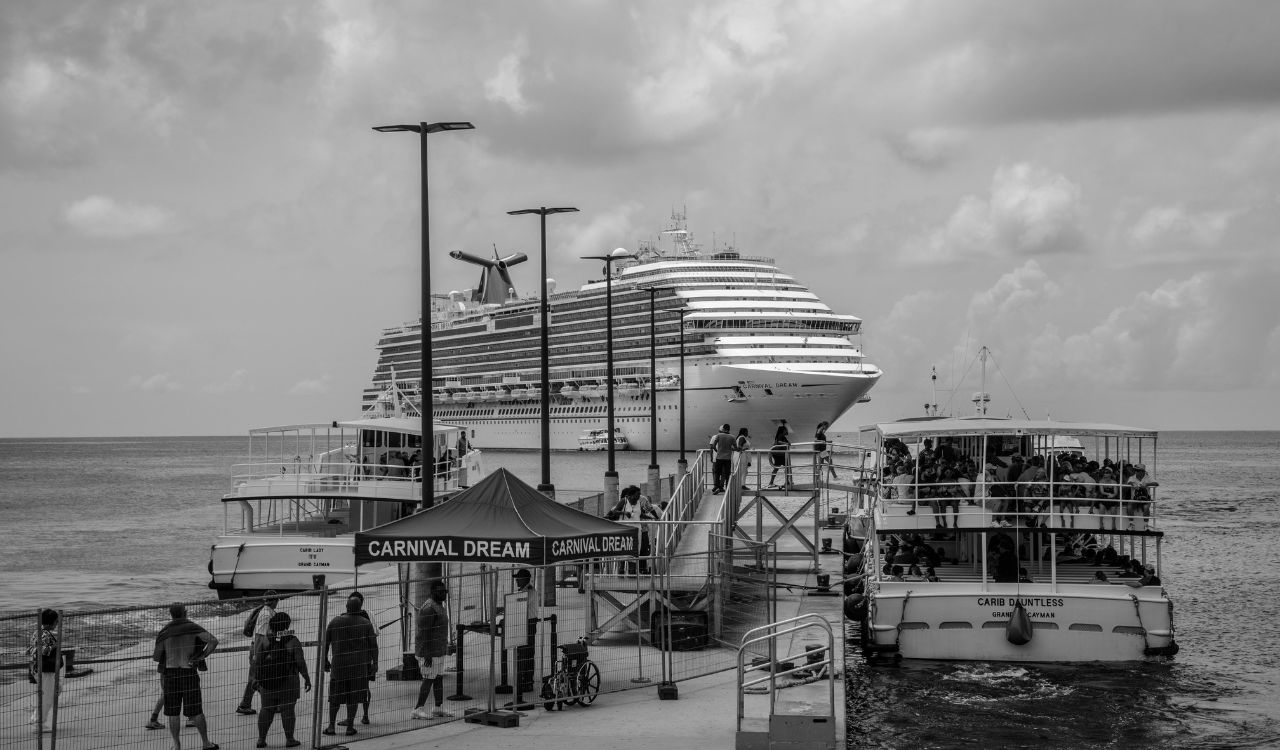
Cruise staff typically make multiple announcements on the ship and in port about the all-aboard time. You’ll also find it printed in the daily cruise schedule, on signs near the gangway, and often in reminders from excursion guides. Some lines send text or app notifications. However, these reminders won’t prevent the ship from leaving if you’re not back; they’re simply there to help you stay informed.
Travel Insurance Considerations
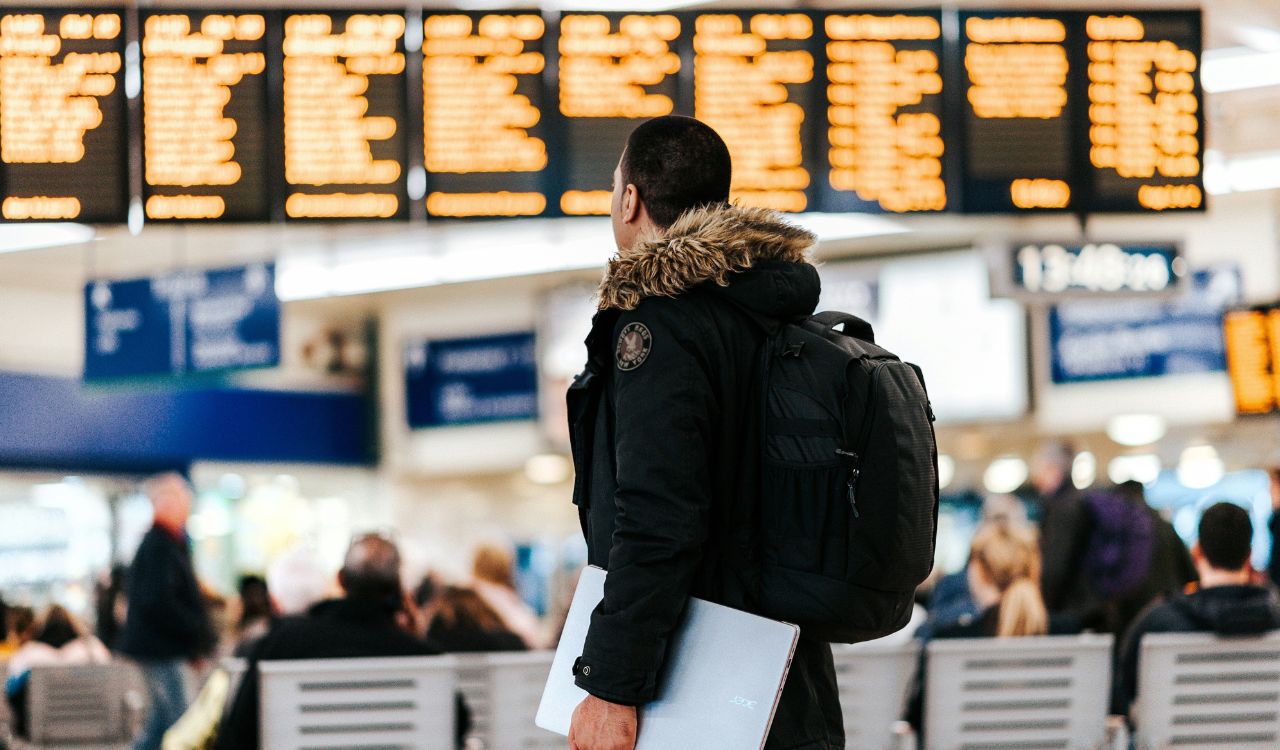
Not all travel insurance policies cover missed departures, so read the fine print before you buy. Look for coverage that includes “missed connection” or “trip interruption” benefits, which can reimburse you for flights, hotels, and other expenses if you’re left behind. Without the right policy, you could be out thousands of dollars. For frequent cruisers, investing in comprehensive insurance is a smart safety net.