Every State’s Most Famous Festival Ranked: Which Ones Are Worth the Crowds (And Which Are $400 Tourist Traps Dressed Up as Culture)
We may earn money or products from the companies mentioned in this post. This means if you click on the link and purchase the item, I will receive a small commission at no extra cost to you ... you're just helping re-supply our family's travel fund.
Every travel blog will tell you to “experience the local culture” at America’s famous festivals. What they won’t tell you is that half of those festivals have been optimized for Instagram and corporate sponsorship, with ticket prices that would make a concert promoter blush.
We went through all 50 states, looked at the signature festival or event each is known for, and gave an honest verdict: worth the trip, worth it if you’re strategic, or skip it unless you love crowds and regret.
The Tier System: How We Ranked These
We ranked on four factors:
- Authentic culture: Does this reflect something real about the place, or is it a produced event that could happen anywhere?
- Value for cost: What does a realistic attendee spend — tickets, lodging, food, transport — and is the experience worth it?
- Crowd manageability: Is the size of the crowd part of the experience or does it ruin it?
- Local endorsement: Do actual residents attend, or do they leave town to avoid it?
Tier 1 — Actually Worth It: The Festivals That Deliver
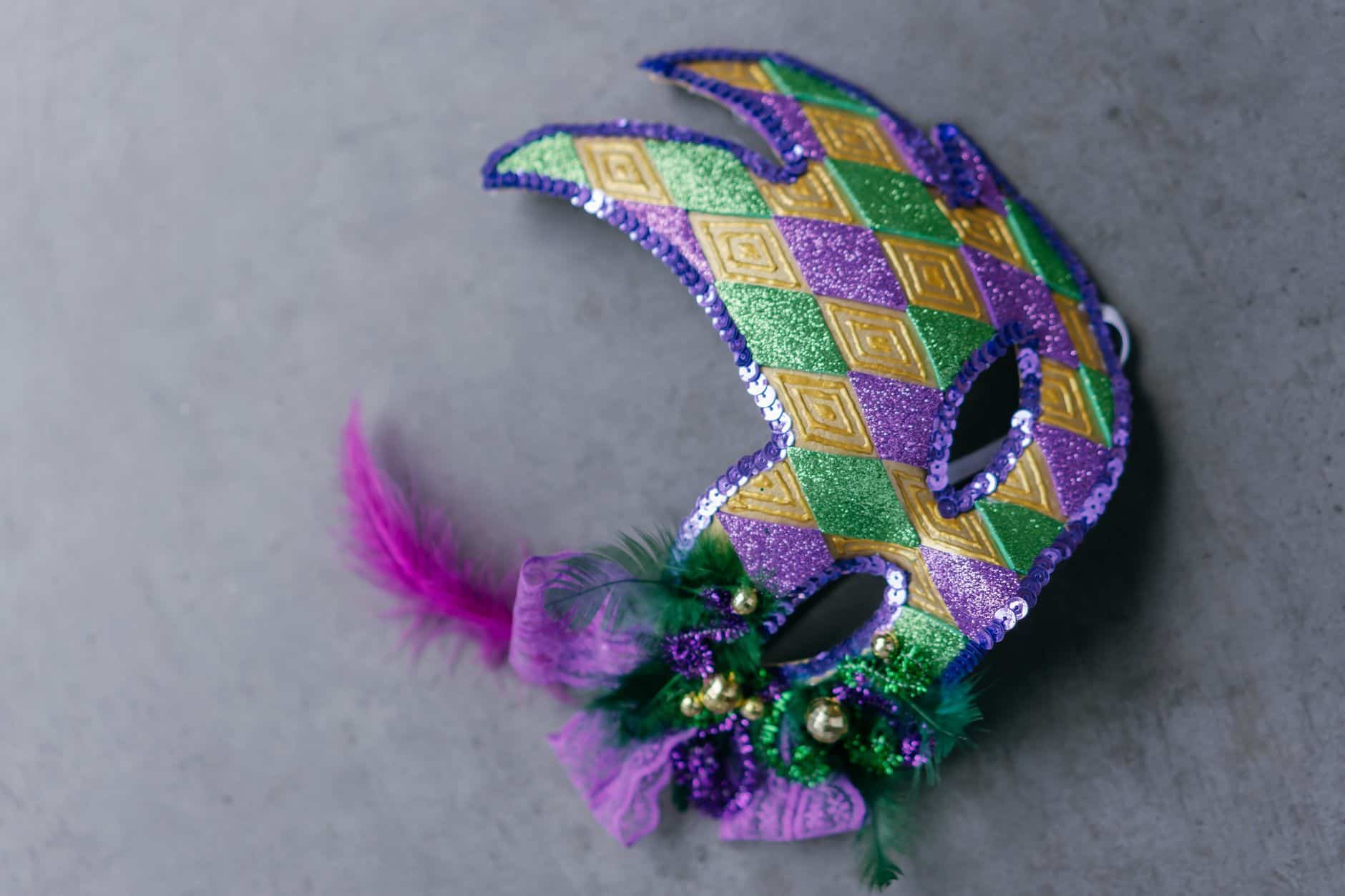
- Mardi Gras — New Orleans, Louisiana The original, the template, the one every other festival is trying to be. Yes, Bourbon Street is a mess. But the parades in Uptown and Mid-City are genuinely communal events that locals love. The beads, the throws, the marching bands, the food — it’s immersive in a way that’s impossible to fake. Budget $200–$400/day in the city and book accommodations 6+ months out. It’s expensive, but the experience-per-dollar ratio beats almost anything else in American travel.
- Albuquerque International Balloon Fiesta — New Mexico 500+ hot air balloons launching at dawn over the high desert. The Mass Ascension is one of the most visually spectacular events in the country and it costs $15 to get in. Fifteen dollars. Accommodations nearby run $80–$150/night during the festival. This is exceptional value for a genuinely jaw-dropping experience. Early October, nine days. Go.
- Keeneland Race Course Spring Meet — Lexington, Kentucky The Kentucky Derby gets all the attention, but Keeneland’s April and October meets are what horse racing actually looks like when it’s not trying to be a fashion show. Admission starts at $10. The infield tailgate culture is welcoming, the racing is real, and Louisville doesn’t have to be involved. A deeply underrated experience.
- Portland Craft Beer Festival — Oregon Not the biggest beer festival in the country, but one of the most authentic. Portland’s craft brewing scene is the real thing, and this event draws local brewers who actually attend and talk to you. Tickets run $40–$55 with pour tokens included. The venue is walkable to downtown lodging. No corporate beer sponsor energy.
- Iowa State Fair — Des Moines, Iowa Dismiss it at your peril. The Iowa State Fair is one of the last truly genuine American state fairs — enormous, cheap, and not primarily designed for Instagrammers. Admission is around $14 for adults. Deep-fried everything. Livestock competitions. Butter sculptures. This is what these events used to be everywhere, preserved in amber.
Tier 2 — Good If You Prepare Right
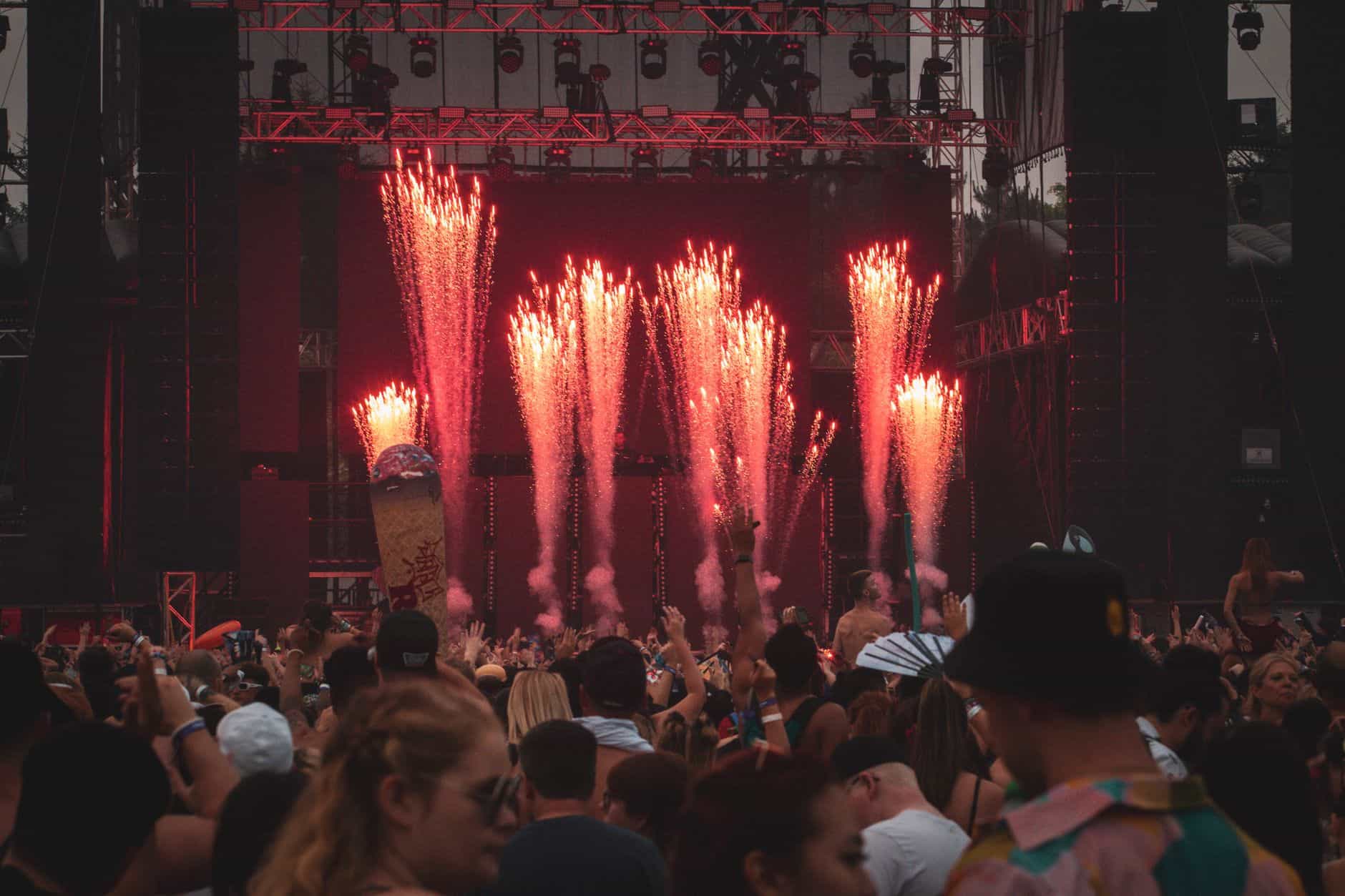
- Burning Man — Black Rock Desert, Nevada This one is divisive, and the divide is real. For the right person, Burning Man is a transformative, once-in-a-decade experience. For everyone else, it’s $575+ in tickets, a brutal 8-hour drive from Reno, extreme heat and dust storms, and a week of logistical intensity that feels nothing like a vacation. If you’re genuinely curious about the art and the ethos, it rewards deep commitment. If you’re going for the photos, you’ll be miserable.
- Macy’s Thanksgiving Day Parade — New York, New York The crowds are massive and the viewing experience on the actual parade route is often frustrating unless you arrive hours early and claim a spot. But the balloon inflation event on the night before (the Upper West Side, Central Park West area) is a genuinely pleasant, quieter experience that tourists overlook. The parade itself is best watched on TV unless you have a friend with a building on the route.
- Coachella — Indio, California You know what Coachella is. The lineup can be exceptional. The experience of being there — the art installations, the desert nights, the energy of 100,000 music fans — is real. But general admission passes now run $500–$600 before fees, and camping + transportation adds hundreds more. The brand partnerships have gotten aggressive. It’s still good; it’s just expensive in ways it didn’t used to be.
- Sturgis Motorcycle Rally — South Dakota One of the largest gatherings of any kind in America — up to 700,000 people descend on a town of 7,000. If you ride, it’s a pilgrimage you’ll do once. If you don’t, it’s 10 days of wall-to-wall motorcycle noise, enormous crowds, and $18 beers. Accommodation prices spike 500–1,000% in a 60-mile radius. Go with clear expectations.
Tier 3 — Skip It or Manage Expectations Hard
- Skagit Valley Tulip Festival — Washington State The photos look incredible. The reality is traffic jams on two-lane roads, muddy fields, $20 parking in someone’s farmyard, and crowds so dense you spend most of your time waiting in line. The tulips are genuinely beautiful for about 3 weeks in April, but go on a weekday in the early morning or just accept that you’re not getting the photos you’ve seen online.
- South by Southwest (SXSW) — Austin, Texas SXSW used to be a music industry event that adventurous fans could crash cheaply. Now a Music + Film + Interactive badge runs $1,500–$2,000. Hotel prices in Austin triple. The most interesting things happening at SXSW are either free or require industry badges, and the in-between — paying conference prices for a partial experience — is not great value. Amazing if your company pays for it. Questionable otherwise.
- Macy’s Fourth of July Fireworks — New York, New York The fireworks are genuinely great. The experience of seeing them is not. Bridges close, subways get overwhelmed, and any good viewing spot requires arriving hours in advance to stake out real estate on a crowded riverbank. Local alternatives — like Staten Island’s waterfront or Brooklyn Heights Promenade — are marginally better but still require serious planning for what is, ultimately, a 30-minute show.
- Salem Halloween — Massachusetts October in Salem is a month-long event with genuinely interesting historical tours and museums. The peak Halloween weekend is an absolute mob scene — streets packed to the point of being dangerous, $300/night for budget rooms booked six months out, and lines for every attraction. The underlying history is fascinating; the event has been optimized for maximum revenue extraction from it.
The Hidden Gems Nobody Talks About
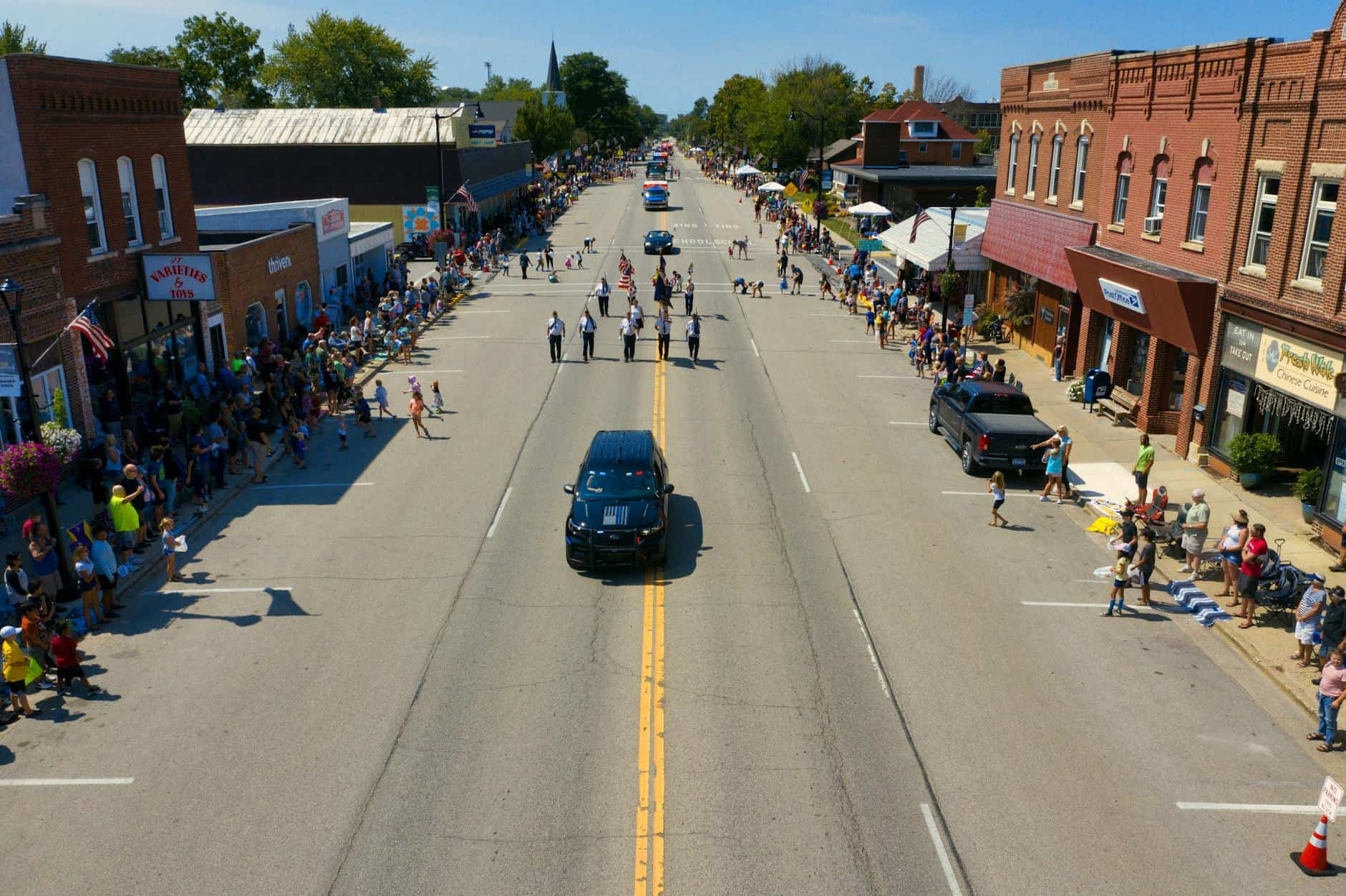
These events fly under the radar because they haven’t been discovered by travel content machines yet. Attend before they are:
- National Basque Festival — Elko, Nevada (July) Elko has a remarkable Basque immigrant heritage and puts on a legitimate cultural festival with traditional food, dancing, and athletic competitions (stone lifting, wood chopping). Attendance is maybe 5,000 people. Hotels are $80/night. Nobody is trying to sell you branded merchandise.
- Telluride Bluegrass Festival — Colorado (June) Set in a box canyon surrounded by 14,000-foot peaks, this four-day festival has maintained a loyal, low-key following for over 50 years. It’s not cheap ($300–$400 for a 4-day pass) but the setting is otherworldly and the musical caliber is consistently excellent.
- Pelican Town Pelican Drop — Eastport, Maine (New Year’s) Eastport drops a wooden pelican at midnight on New Year’s Eve instead of a ball. The whole thing is delightfully low-stakes, the town is tiny and charming, and it’s the easternmost city in the US, so it’s technically the first New Year’s celebration in the country. A complete antidote to Times Square.
- Pageant of the Masters — Laguna Beach, California (July–August) Performers recreate famous paintings in tableau vivant — living paintings, perfectly still, lit to match the original. It sounds weird. It’s one of the most genuinely surprising artistic experiences in the country. Tickets run $30–$120.
Practical Tips for Any Major Festival
- Book accommodations the moment you decide to go. For Mardi Gras, Coachella, Sturgis, and other major events, “six months out” is not an exaggeration — it’s minimum viable planning.
- Stay farther out than you think you need to. A 20-minute Uber from the action is worth the $30 round-trip when it saves you $150/night on accommodation and access to actual parking.
- Eat before you arrive. Festival food pricing is next-level. A $22 corn dog is a festival staple at this point. Eat at a real restaurant nearby before entering and treat festival food as a supplementary experience.
- Check the locals’ Reddit or Facebook group. Every major event has a subreddit or community group where locals share genuine intel: which parking lots to use, which entrances have shorter lines, what days are actually worth attending vs. padding.
- Go on non-peak days. For multi-day events, the first and last days are almost always less crowded than the middle weekend. Monday of Mardi Gras week is more manageable than Saturday night. Day 1 of a 10-day fair is lighter than Day 5.
The best festivals are the ones that feel like they’d happen whether you came or not. When a town is genuinely celebrating something — their heritage, their season, their community — and tourists are welcome but not the point, that’s where the magic is. When an event exists primarily as a vehicle for ticket sales and sponsorship activations, you can feel it within an hour. Trust that instinct.