Americans Who Spent a Month in Japan: The Specific Things That Surprised Them and the One Thing They Couldn’t Adjust To
We may earn money or products from the companies mentioned in this post. This means if you click on the link and purchase the item, I will receive a small commission at no extra cost to you ... you're just helping re-supply our family's travel fund.
This article contains affiliate links. If you book through our links, we may earn a commission at no extra cost to you.
Japan is having a prolonged cultural moment in the American imagination. The aesthetics — the organization, the courtesy, the food, the design — speak directly to something Americans feel they’ve lost or never had. The country’s travel reputation has been carefully curated across decades of anime, food media, travel journalism, and more recently, social media content from Americans who went and came back transformed.
But two weeks in Japan is a very different experience from a month in Japan. Two weeks is long enough to be consistently delighted and not quite long enough to be challenged. A month is long enough for both.
What follows is a composite drawn from the reported experiences of Americans who spent four or more weeks in Japan — not expats with established networks and language skills, but travelers who arrived with good intentions, some Japanese phrase book Japanese, and a genuine desire to understand rather than simply consume.
Their experiences cluster in ways that reveal something about Japan, and something about Americans, that shorter visits tend to obscure.
Why Japan Has Become America’s Most Aspirational Destination
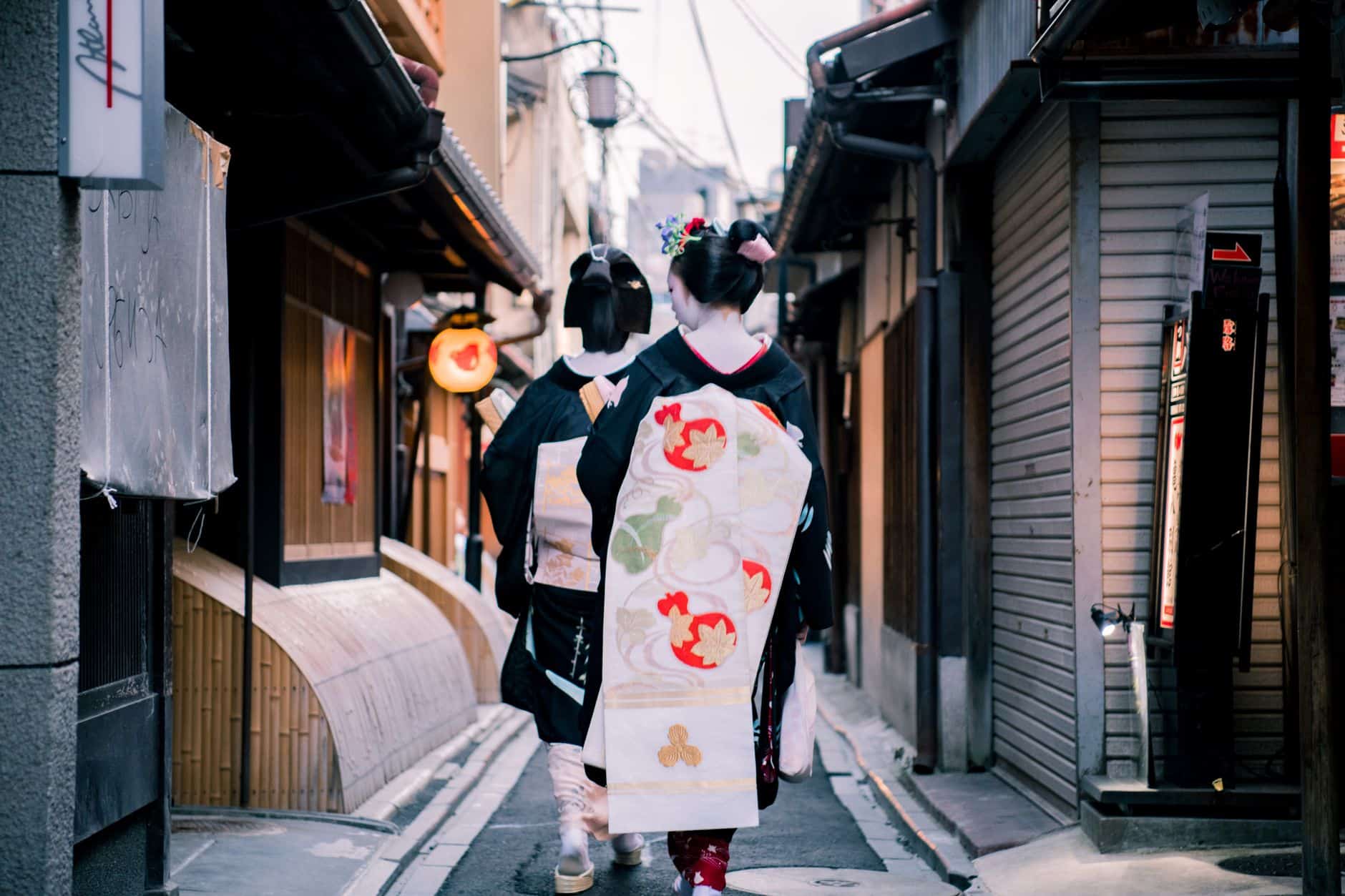
The timing of Japan’s ascent in American travel consciousness is not accidental. It correlates with a period of significant American anxiety about the quality of public life — the state of infrastructure, service industry norms, public cleanliness, and the general sense that common spaces are nobody’s responsibility.
Japan offers an extreme contrast on all of these dimensions, and Americans who are attuned to that contrast find the experience almost physically relieving. The trains run on time — this is not a cliché but a fact experienced as something close to revelation by Americans whose relationship with public transit involves chronic schedule anxiety. The streets are clean. The service is attentive without being sycophantic. The food, even in casual settings, reflects a level of care that American casual dining rarely approaches.
These are real features of the Japanese experience, and they’re worth taking seriously. What longer-term visitors discover is that they exist within a social system with significant costs of its own — costs that two-week visitors don’t have to pay.
The First Week: Awe That Borders on Disorientation
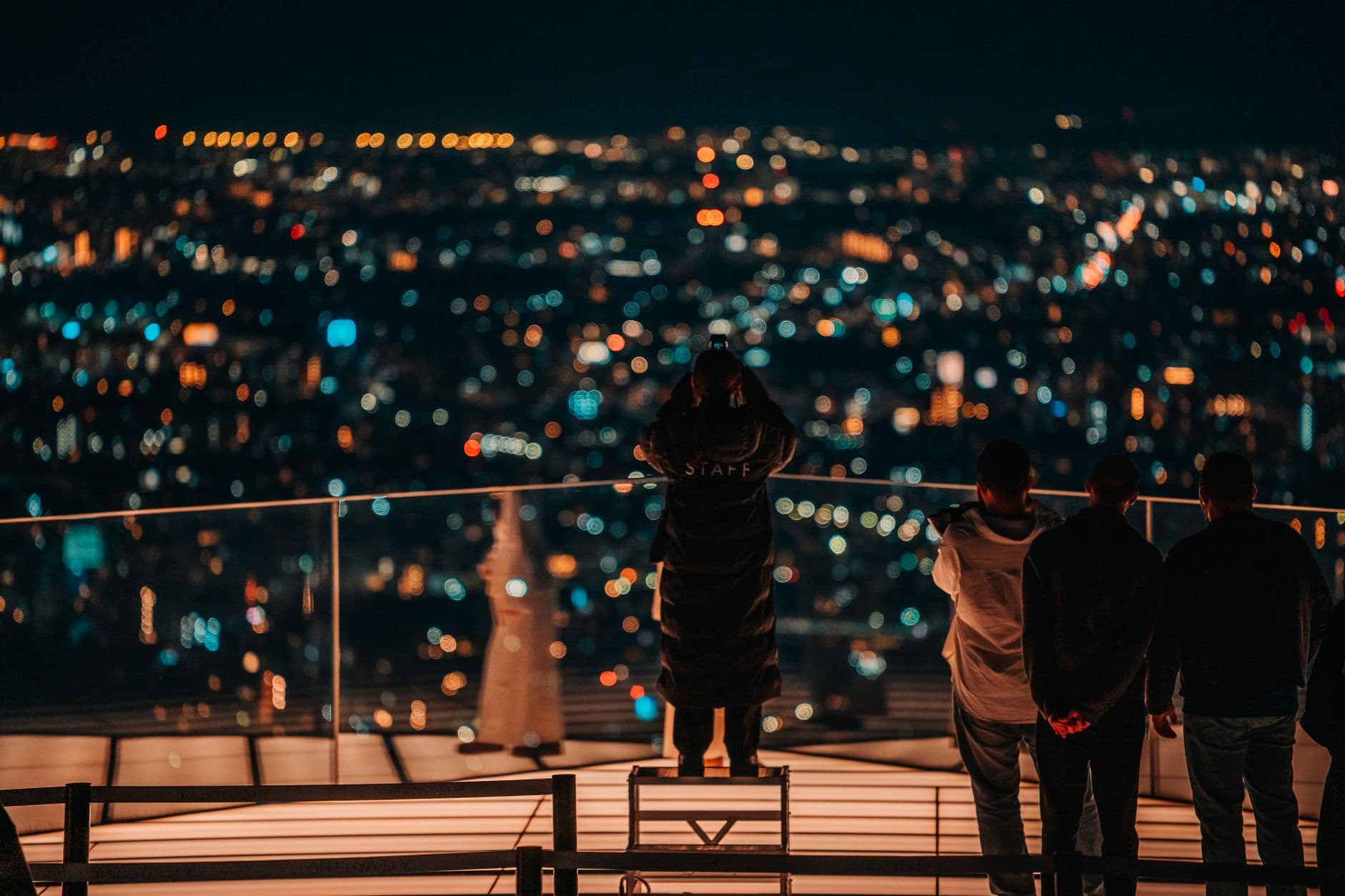
The consensus first-week experience is almost universally positive in its emotional register and significantly disorienting in its sensory one.
Tokyo in particular delivers a kind of overstimulation that Americans describe variously as energizing, overwhelming, and occasionally paralyzing. The density of information — the signage, the sounds, the layered commercial energy of a place like Shinjuku or Shibuya — exceeds what most American cities produce and exceeds it in a way that feels, counterintuitively, orderly rather than chaotic.
The transit system is the universal first-week epiphany. Americans who have spent years treating the subway as a necessary unpleasantness arrive in Tokyo and discover a system so comprehensive, so clean, so reliably timed, and so legible (even without Japanese literacy) that it functions less as transportation infrastructure and more as a demonstration of what urban systems can be. Multiple people described taking trains they didn’t need to take because the trains themselves were pleasurable.
Food functions as the other universal first-week revelation. Not the specific dishes — Americans come expecting to love the food, and they do — but the range and the quality baseline. The casual lunch, the convenience store onigiri, the ramen eaten standing up at a counter: all of it reflects a culinary standard that Americans, raised on a food culture with a much wider quality range, find striking.
What Genuinely Surprised Them About Daily Life
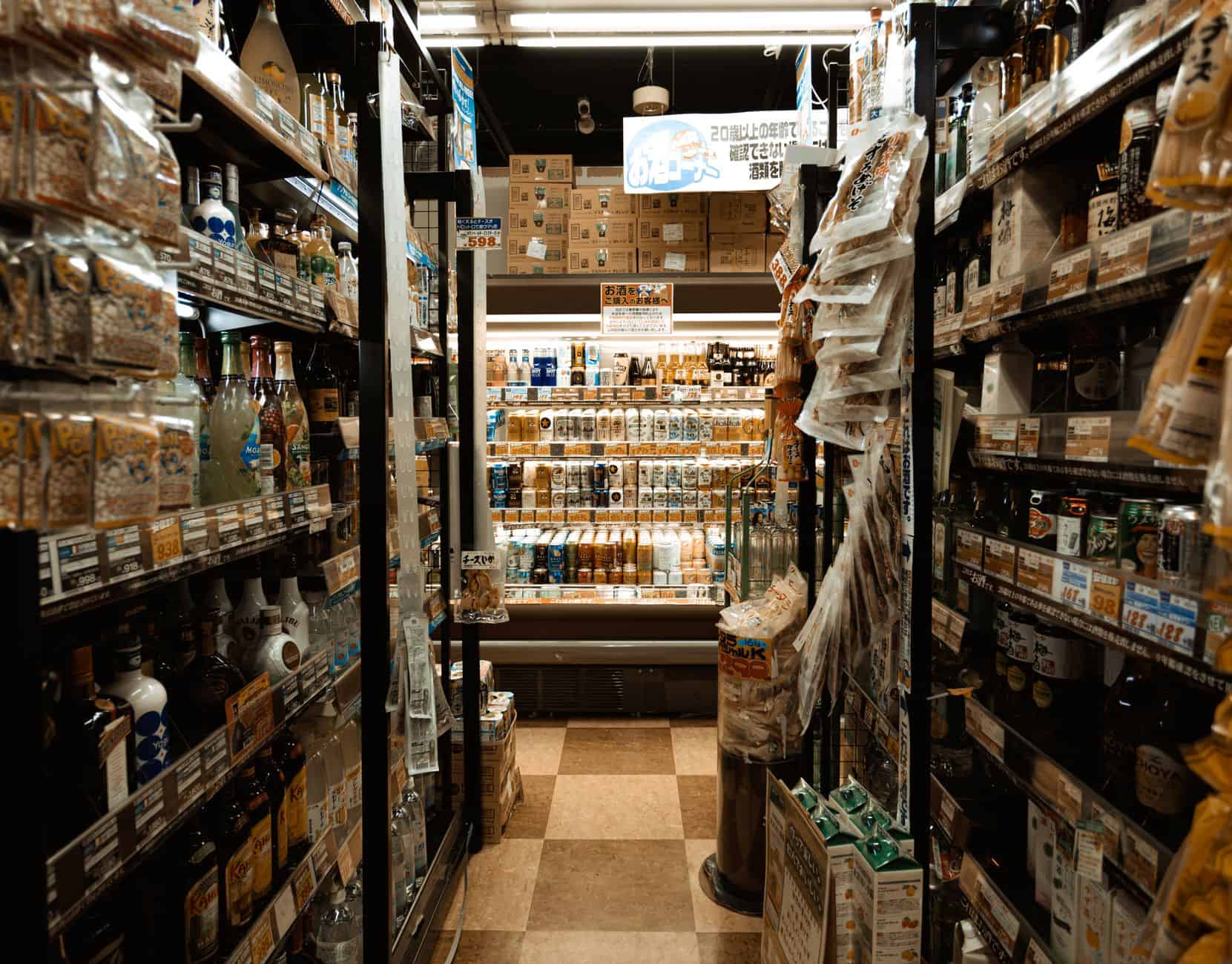
After the first-week highlights, longer-staying Americans describe a set of genuine surprises that the travel content industry tends to underemphasize.
The convenience store culture is one. American convenience stores exist in a narrow band between adequate and actively unpleasant. Japanese convenience stores — Family Mart, 7-Eleven, Lawson — function as community infrastructure, offering fresh prepared food, ATMs, bill payment services, printing, and clean restrooms. Americans who discovered they could get a genuinely good meal at a Japanese convenience store at midnight reported it as one of the more mind-expanding experiences of their trip.
The vending machine density. Japan has one vending machine for every 23 people — the highest density of any country in the world. Americans who grew up treating vending machines as slightly desperate snack delivery systems discover in Japan that vending machines dispense hot coffee, fresh beverages of improbable variety, and in some locations, full meals. The infrastructure of casual refreshment is woven into the physical environment in a way that has no American equivalent.
The level of attention to presentation. Not just in high-end contexts but in all contexts. The way a purchase is wrapped at a drugstore, the presentation of a simple lunch set in a casual restaurant, the folded towels in a budget hotel. The aggregate effect of pervasive care for presentation is initially charming and eventually raises uncomfortable questions about why this level of care doesn’t feel like the baseline at home.
The Social Codes That Took Weeks to Partially Understand
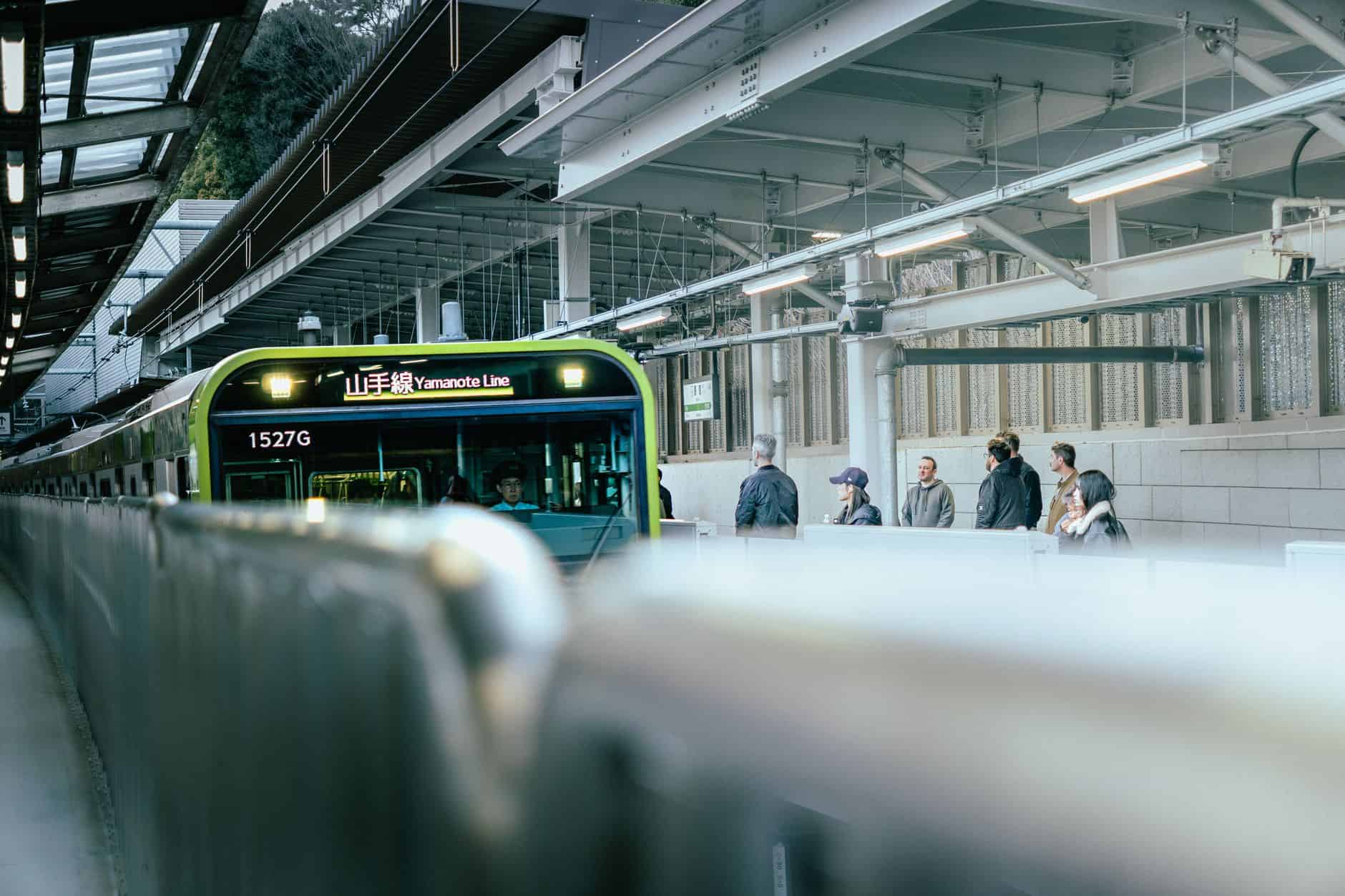
Japan’s social codes are, by any honest assessment, genuinely complex, and month-long visitors are the first to admit they only scratched the surface.
The concept of meiwaku — roughly, causing trouble or inconvenience for others — operates as a powerful social regulator in public spaces. The quietness of the Tokyo subway, which Americans universally marvel at, is not a law or a rule. It’s the aggregate product of millions of people applying meiwaku logic to their own behavior in real time. Phone calls on trains are not forbidden; they are socially unthinkable.
For Americans whose public behavior defaults are significantly noisier, internalizing this in a month requires constant vigilance that can itself become exhausting. Multiple month-long visitors described a specific kind of social anxiety that emerged around week two or three: the fear of being the loud American, the gaijin who doesn’t understand the rules, the person making meiwaku without realizing it.
The indirect communication style takes even longer to read. Japanese social communication involves significant layers of implication and nuance that don’t translate to blunt American directness. Americans trained to interpret “yes” as “yes” and “no” as “no” frequently miss the “yes” that means “no” and the silence that means “absolutely not.” This is manageable for two weeks. After a month, it produces a specific exhaustion around social interaction — not because Japanese people are unfriendly, but because the interpretive labor is ongoing.
The Food Arc — From Wonder to Something More Complicated
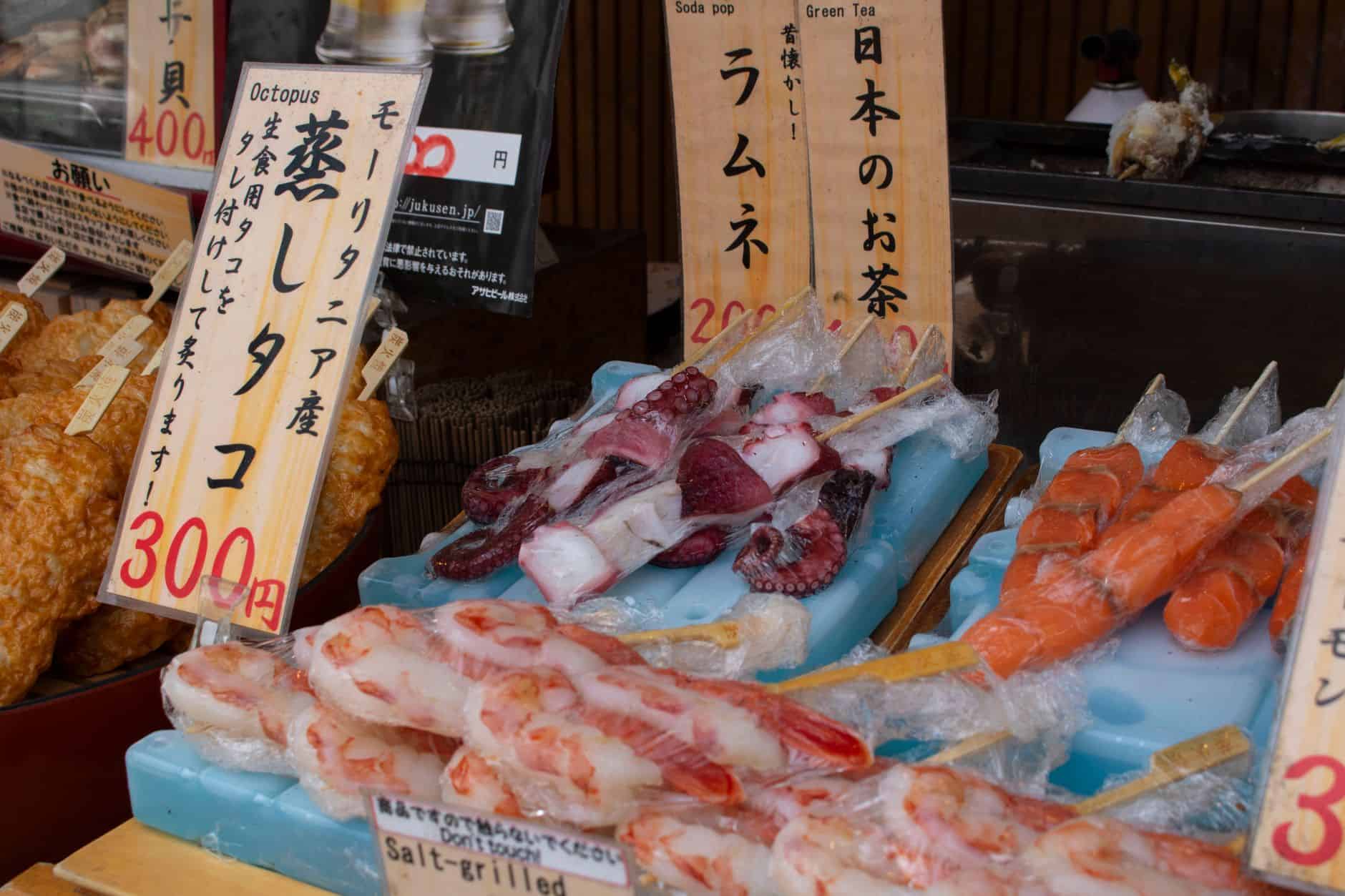
The food revelation of the first week almost universally holds through a month. Japanese food culture is genuinely extraordinary in its range, quality, and regional diversity, and Americans with a month to explore it can move beyond the Tokyo Greatest Hits (ramen, sushi, izakaya) into experiences that two-week visitors never reach.
But a month also introduces some complications that shorter visits don’t.
The first is dairy. Japanese cuisine uses dairy far less than American food, and Americans who are accustomed to dairy as an invisible component of daily eating — butter, cheese, cream, milk — discover after two or three weeks that they are specifically, physically missing it. This is not a reflection on Japanese food quality. It’s a reflection on how deeply food habits are encoded in the body.
The second is wheat. Japanese soy sauce, unlike most American soy sauce, typically contains wheat. Japanese cuisine more broadly uses wheat in forms and contexts that aren’t always visible to the consumer. Americans with wheat sensitivities have a significantly harder time navigating Japanese food than they expected, even in a country with exceptionally high food safety standards.
The third is portion size. Japanese portions, particularly in casual restaurant settings, tend to be smaller than American defaults. This is fine and even welcome for the first week. After three weeks, some Americans report a persistent background hunger that has less to do with the food quality than with the portion gap between what they’re eating and what their bodies were calibrated to expect.
What They Couldn’t Stop Comparing Back Home
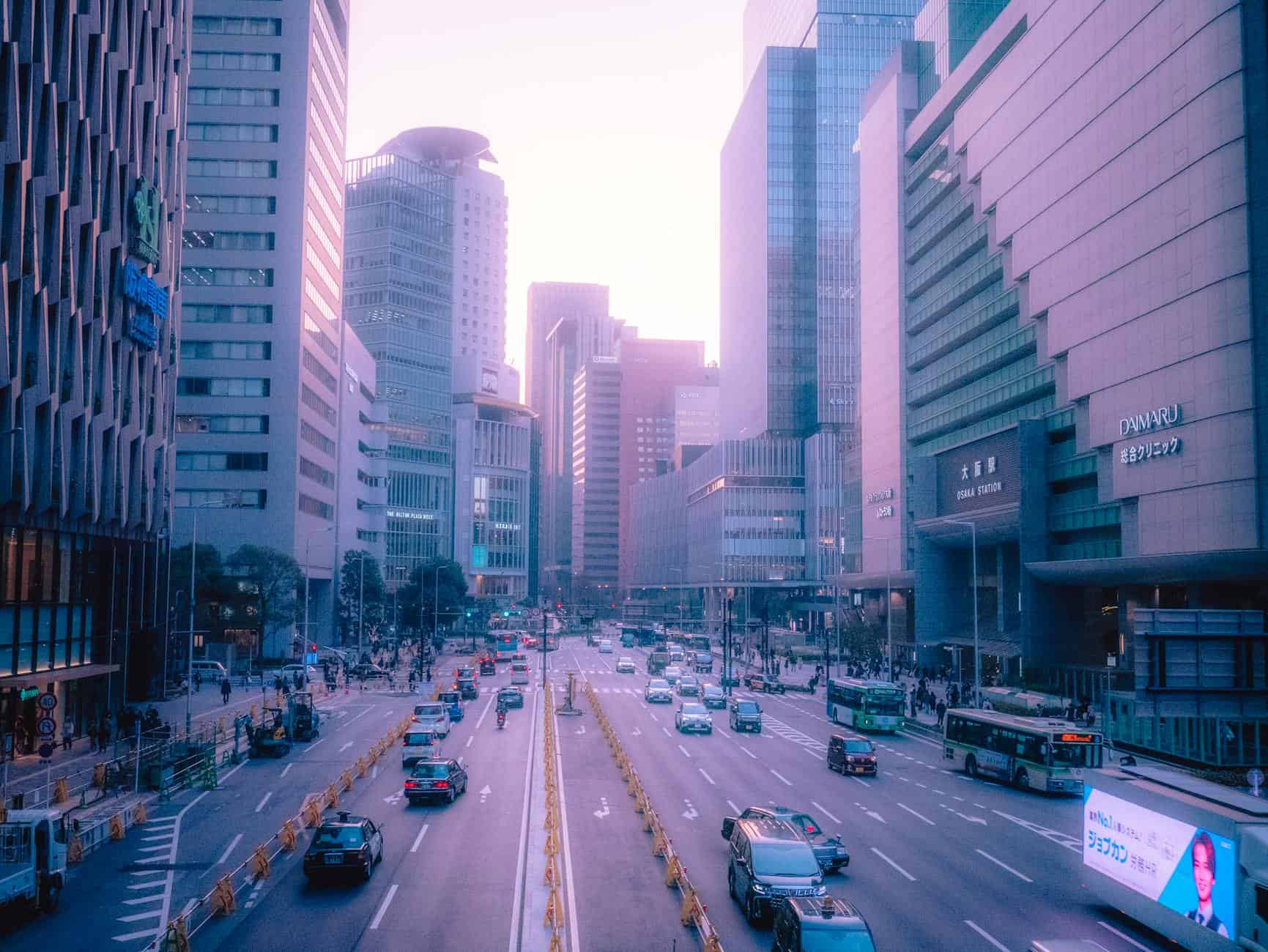
Month-long visitors to Japan develop a specific relationship to America that kicks in around week three: an involuntary and continuous comparison that is not entirely comfortable.
The transit comparison comes first and stays longest. Every American who has navigated Tokyo’s rail system returns home to their city’s transit infrastructure with feelings that range from disappointment to something closer to grief. The gap is not one of funding or political will in the abstract — it’s experienced as a concrete daily reality: the train that doesn’t come, the station that’s dirty, the schedule that’s aspirational.
The public space comparison is second. American public spaces — parks, sidewalks, transit stations, rest areas — are maintained to a standard that month-long Japan visitors now find visually jarring. The litter, the broken infrastructure, the general sense that nobody is responsible for the common space: all of it becomes newly visible after a month in a country where it doesn’t appear.
The service industry comparison is third, and this one is more complicated. Japanese service culture is remarkable and is not produced by magic — it comes from a system that involves specific training, specific social expectations, and specific economic arrangements. Americans who compare American service workers unfavorably to Japanese ones are often making an incomplete comparison that ignores the structural differences in how service labor is organized and compensated in the two countries.
The Thing They Couldn’t Adjust To, Even After a Month
For all the genuine admiration that month-long visitors express, a single category of difficulty appears with enough consistency to be definitive: social belonging.
Japan is, by design and by preference, a society with high social trust within defined groups and significant formal distance from outside those groups. This is not hostility to foreigners — most Americans report being treated with consistent courtesy and frequent kindness. But the boundary between formal courtesy and actual welcome is real and persistent.
After a month, most American visitors report that they are still, unmistakably, outside. They are received politely, helped genuinely, and remain fundamentally external to the social fabric of the places they’re visiting. This is, in one sense, simply what being a tourist in a foreign country means, and Americans who have traveled extensively are used to it.
What’s different in Japan, visitors say, is the clarity of the boundary. In some countries, the transition from tourist to temporary participant happens organically, through shared meals or chance conversations or the gradual accumulation of presence. In Japan, that transition is slower and more conditional, mediated by language barriers and social codes that a month is not enough to master.
The Americans who describe this experience are not criticizing Japan. They understand — some of them intellectually, some of them viscerally — that the social cohesion that produces the clean trains and the attentive service is related to the social structure that maintains that boundary. The features and the limitations come from the same source. You can admire the whole system without being inside it.