The Beach Town Housing Crisis Nobody Is Connecting to the Vacation You Just Booked
We may earn money or products from the companies mentioned in this post. This means if you click on the link and purchase the item, I will receive a small commission at no extra cost to you ... you're just helping re-supply our family's travel fund.
This article contains affiliate links. If you book through our links, we may earn a commission at no extra cost to you.
There’s a specific irony in the experience of a perfect beach vacation: the thing that makes the destination work — the infrastructure of cafes and surf shops and restaurants and cleaned properties and functioning emergency services — runs on a workforce that can no longer afford to live where they’re working.
This isn’t a new problem, but it’s reached a scale in American coastal communities over the past five years that has moved from a background tension to something closer to a crisis. Housing economists who study resort and tourism communities have begun using words like “workforce housing emergency” and “essential worker displacement” to describe what’s happening in places that, to the visiting eye, look like they’re thriving.
The visitor sees the sunny street and the good brunch and the clean beach. The longer story is harder to see from the rental deck.
The Worker Commute That Tourists Never See
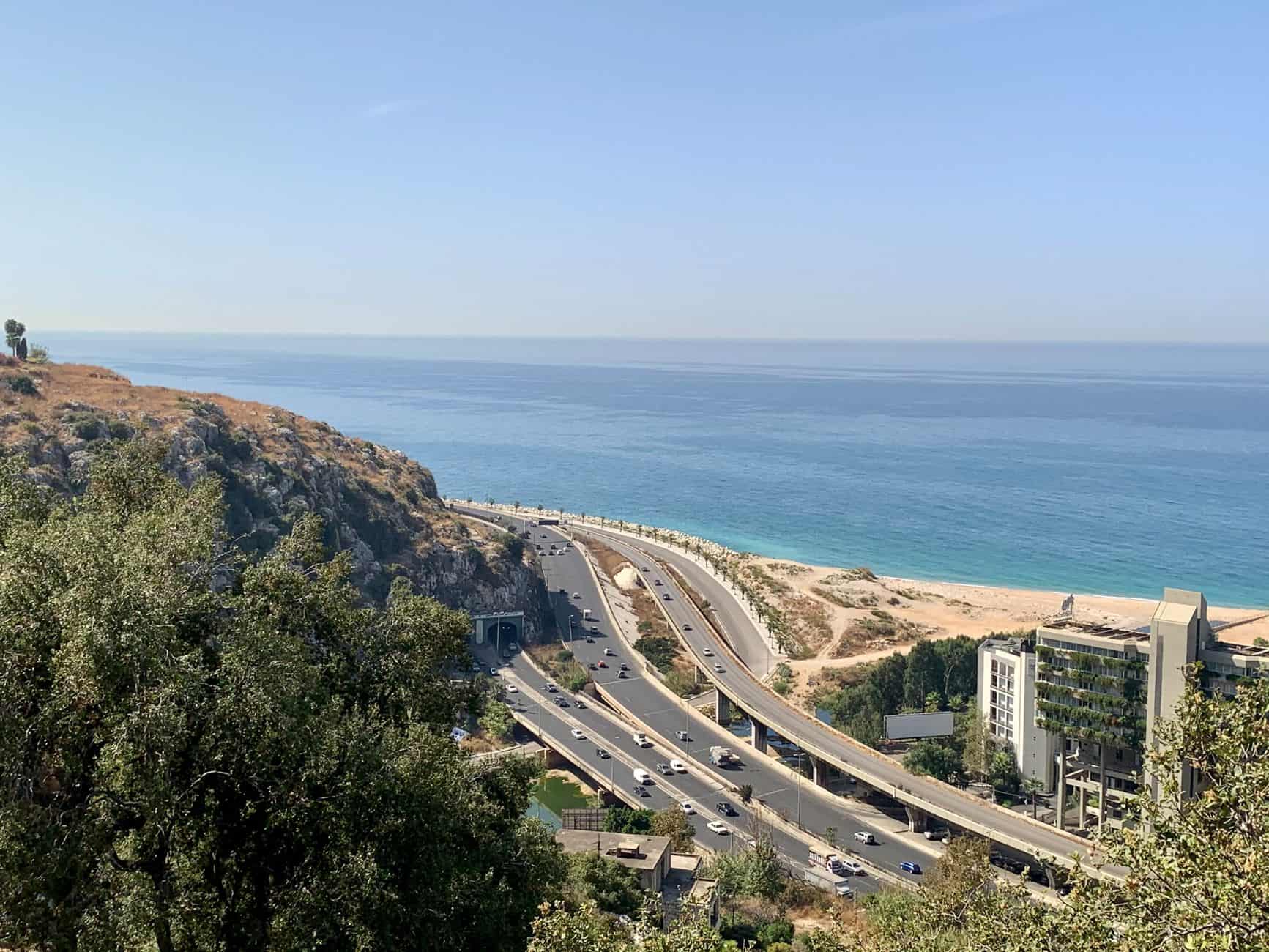
In Nantucket, Massachusetts — a place so expensive it exists as a shorthand for American wealth — the island’s service workers increasingly live on the mainland and take a ferry or a small plane to work shifts. In Santa Barbara, California, restaurant industry workers routinely commute from Ventura or Oxnard because Santa Barbara rents exceeded what a restaurant salary supports years ago. In the Outer Banks of North Carolina, the school district struggled to retain teachers for years before the county built dedicated workforce housing — which has waiting lists.
The commute is the most visible symptom of the underlying problem: a mismatch between the wages that tourism-dependent jobs generate and the housing costs that tourism-driven property values produce. A beach town’s prosperity depends on tourism. Tourism drives property values up. High property values make housing unaffordable for the workers who serve the tourists. The workers leave or commute from farther away. The quality and stability of the workforce declines. The vacation destination that depended on that workforce suffers.
This is not a theoretical economic model. It’s the lived reality of dozens of American coastal communities, experienced daily by the people who make those communities function.
How Vacation Rentals Converted the Housing Stock
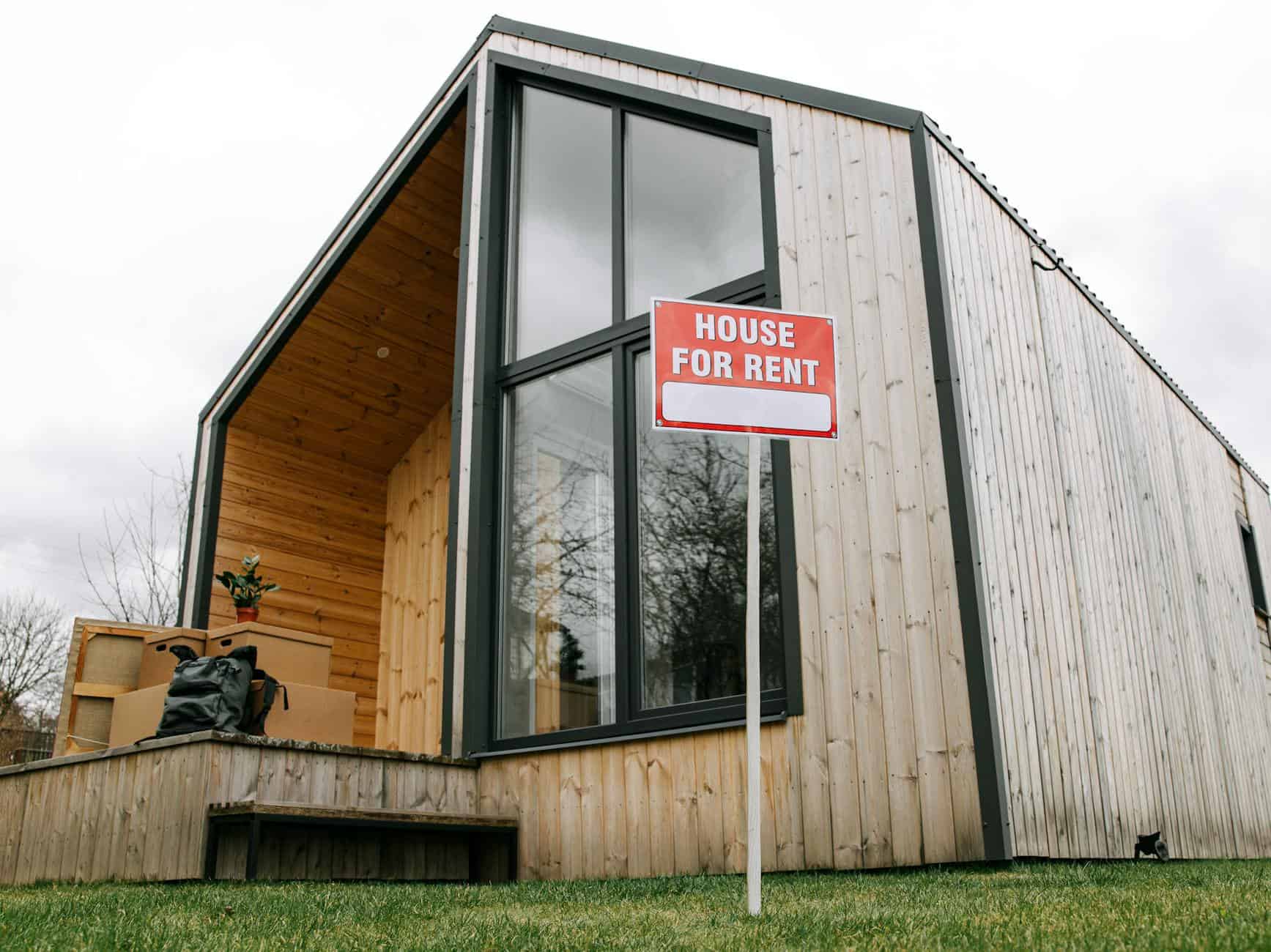
The conversion of residential housing to short-term rental properties is the mechanism that moved a long-standing affordability problem to an acute one.
Pre-platform, most beach town rental properties were distinct from the year-round housing stock in ways that were visible and geographic: there was a vacation rental market, and there was a local rental market, and they occupied different parts of the inventory. The beach houses rented to tourists. The smaller inland properties housed the workforce.
The platforms dissolved this distinction. The algorithm has no concept of community need. It responds to demand. When tourist demand makes a property worth more as a short-term rental than as a long-term lease, the algorithm signals this, and rational economic actors respond accordingly. Properties that used to house year-round residents — including the workforce — get converted to short-term rental inventory.
In Sedona, Arizona, a study found that the number of short-term rental units exceeded the number of long-term rental units in the central tourism zone by a significant margin. In Telluride, Colorado, year-round residents have been pushed progressively farther from the town center as the short-term rental market converted properties across the geographic area. In coastal Maine, entire neighborhoods that housed seasonal workers and year-round locals a decade ago now function primarily as vacation rental clusters.
The math for property owners is straightforward: a property that earns $1,500 per month as a long-term rental earns $3,000 to $4,000 per month as a short-term rental during the summer season. The choice is not difficult from an investment perspective. The consequences for the community are not visible in the owner’s spreadsheet.
The Teachers, the Nurses, and the Firefighters Who Left
The displacement isn’t abstract. It touches the specific categories of worker that communities require to function as communities rather than tourist facilities.
Teachers in high-cost beach towns have become a particular focus of housing researchers because teacher salary structures are relatively inflexible and make the affordability gap unusually clear. A starting teacher in a beach town school district typically earns in the low-to-mid $40,000 range. Renting a one-bedroom apartment in that same community often costs $2,000 to $3,000 per month. The math doesn’t work, and it hasn’t worked for years in many places.
The result: teacher turnover in beach town districts is high. The teachers who stay are often those with partners who earn significantly more, or those who inherited or bought property years ago before the price surge. New teachers frequently last one or two years before leaving for lower-cost communities where their salaries produce a livable existence.
Nursing follows a similar pattern. Seasonal beach communities often have hospitals and medical facilities that serve both year-round residents and summer visitors. The nursing staff who run those facilities face the same housing cost problem as teachers, with the added complication that healthcare requires consistent, experienced staff — the kind of experienced consistency that’s hard to maintain when affordable housing doesn’t exist.
Fire and emergency services face perhaps the most acute operational version of the problem. Emergency response time is a function of where responders live. When firefighters commute 45 minutes to the station because they can’t afford to live in the community they protect, response times lengthen in ways that have direct life-safety consequences. Several coastal communities have documented this problem specifically in grant applications for workforce housing funding.
What a Town Loses When Its Workers Can’t Live There
The operational consequences of workforce displacement are measurable. But there are losses that don’t show up in response time data or teacher turnover statistics.
The social character of a beach town is not just its geography — it’s the specific community of people who have chosen to live there, often across generations. Families who have fished, farmed, run small businesses, and participated in civic life in a particular coastal area for generations carry knowledge and relationships and local character that cannot be replaced by seasonal workers who drive in and out.
When that population gets economically displaced, something goes with them that no amount of well-maintained vacation rentals recovers. The old-timer who knows where the fish are, the woman who’s been running the bait shop since 1978, the family that does the July 4th boat parade every year because they’ve been doing it since the 1960s — they’re part of what makes a coastal community a place rather than a resort.
Visitors who’ve been going to the same beach town for twenty years notice this. They describe it as the town “feeling different” or “losing something,” without always being able to specify what. What they’re sensing is the loss of permanent community — the people who knew the place in all its seasons and made it feel like somewhere rather than everywhere.
The Local Governments Caught in the Middle

Municipalities in vacation rental-heavy communities face a genuine political bind that is rarely acknowledged in the abstract policy discussion.
On one hand: short-term rental tax revenue is significant and funds real services. Restricting or taxing short-term rentals risks reducing that revenue and antagonizing property owners, who are often among the most organized and politically active constituencies in a beach community.
On the other hand: the workforce displacement produced by unconstrained short-term rental growth threatens the operational capacity of the community. Services decline. Schools struggle. Emergency response degrades. The community becomes less livable for the people who actually live there — and ultimately less attractive for the visitors whose spending funds the tax revenue.
The political incentive structure in many resort communities does not resolve this tension cleanly. Property owners are present and organized. Displaced workers are often no longer present. The vacation renters who benefit from an abundant short-term supply are transient and don’t vote locally. The long-term outcome — a tourism-dependent community that has undermined its own workforce foundation — is visible to planners but not to the political cycle.
The Places That Have Tried to Fight It

A growing number of municipalities have enacted short-term rental regulations that attempt to manage the displacement dynamic. The approaches vary.
Some communities cap the number of short-term rental licenses in residential zones — Carmel, California has done this for years. Some require that short-term rentals be owner-occupied or primary residences — the idea being to allow homeowners to rent their homes while away, but prevent the conversion of residential properties into full-time investment rental operations. Some have enacted vacancy taxes on properties that sit empty for extended periods, discouraging the speculative holding of residential property without either occupying or renting it long-term.
The evidence on effectiveness is mixed and often contested by property owners and platform advocates, who argue that supply restrictions raise prices for visitors and reduce tax revenue for communities. The communities that have implemented the strictest regulations — often the wealthiest ones, with the political will to withstand industry opposition — have seen some stabilization of the workforce housing dynamic, though rarely a reversal.
What Travelers Can Actually Do About It

The honest answer is: not much, individually. The structural economics of resort housing don’t bend to consumer pressure in the way that some other industry practices do.
But there are choices travelers make that are more or less supportive of the communities they visit.
Spending money at locally owned businesses rather than national chains keeps revenue within the community. The server at a locally owned restaurant is more likely to be a community member than the server at a chain, and the restaurant owner’s economic participation in the community is more direct.
Renting directly from individual homeowners rather than professionally managed short-term rental operations at least keeps more of the transaction revenue local. A homeowner renting their own property is different from an investment firm operating a portfolio of vacation rentals in a community where the workers who clean those rentals commute an hour each way.
Understanding that the experience of a place is inseparable from the community that sustains it is, at minimum, an honest frame. The beach town you love exists because specific people chose to live there and build things there, and those people are under significant pressure. The awareness doesn’t fix anything. But it changes what you’re looking at when you look at the sunny street.