The Psychology of Fear About International Travel — Not Xenophobia, the Actual Reason Some People Can’t Make Themselves Go
We may earn money or products from the companies mentioned in this post. This means if you click on the link and purchase the item, I will receive a small commission at no extra cost to you ... you're just helping re-supply our family's travel fund.
This article contains affiliate links. If you book through our links, we may earn a commission at no extra cost to you.
The conversation goes like this: someone mentions they’ve been to Portugal, or Vietnam, or Peru. The person they’re talking to says they’ve always wanted to go somewhere like that. And then, if the conversation gets honest, the wanting-to-go person says something like: “I just can’t make myself do it.”
This is a more common experience than people tend to admit publicly, because travel is coded as glamorous and aspirational and the admission that you’re afraid of it feels embarrassing in a way that other fears don’t. Nobody judges you for being scared of heights or spiders. Being scared of getting on a plane to a country where you don’t speak the language is treated as a character limitation rather than a recognizable psychological phenomenon.
But it is a recognizable psychological phenomenon. It has components that cluster reliably, explanations that make sense once you know where to look, and a trajectory that’s more hopeful than the people experiencing it usually believe.
The Gap Between Wanting to Go and Actually Going
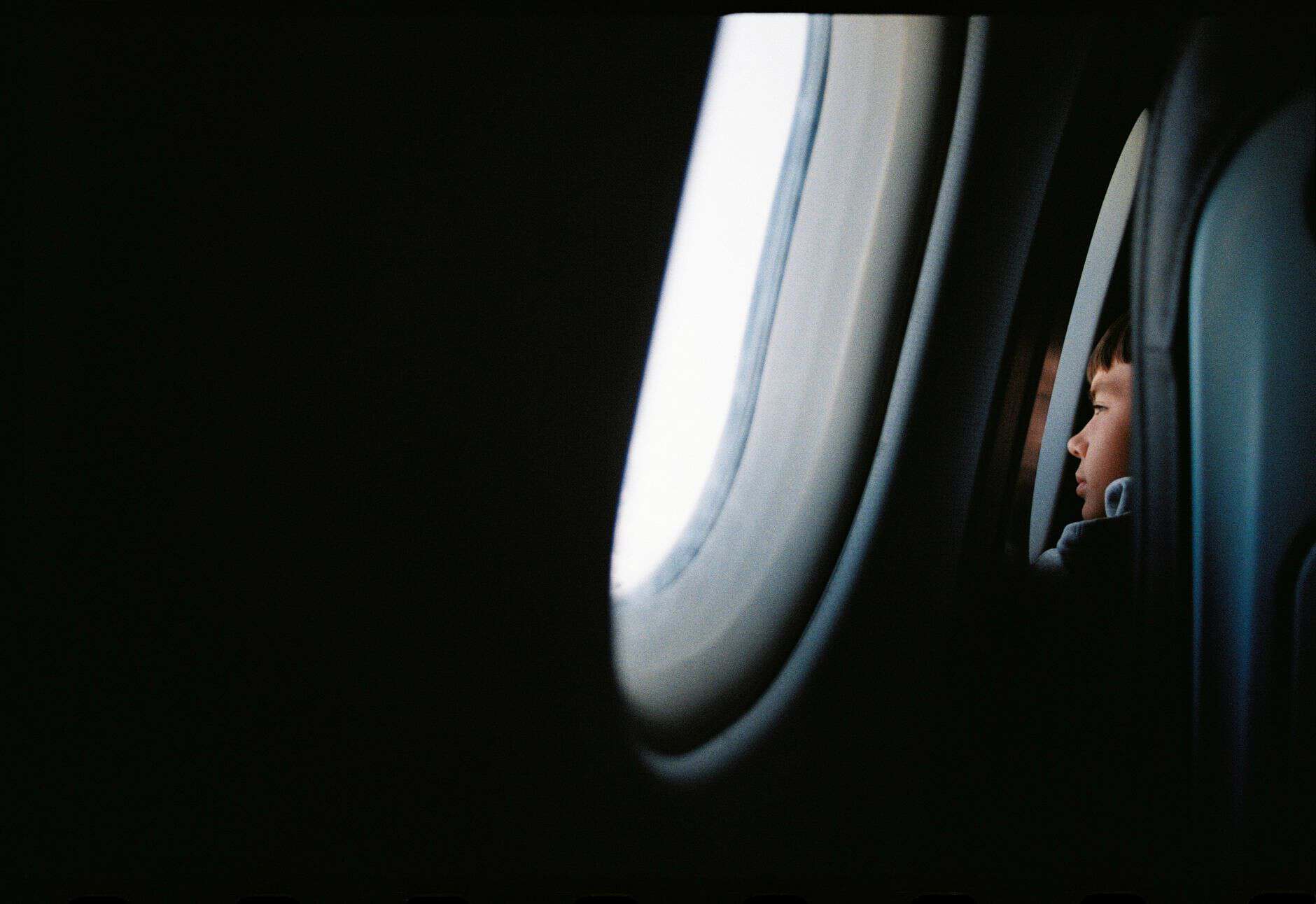
American passport adoption rates tell part of the story. About 48 percent of Americans currently hold a valid passport — a figure that has grown substantially in recent decades but still means more than half of the country does not have the documentation for international travel. Of those who hold passports, a significant percentage let them expire without using them for international travel.
Pew Research and similar survey organizations have consistently found that when Americans are asked why they don’t travel internationally, the answers cluster in predictable ways: cost, time, and “it’s complicated” or “I wouldn’t know where to start.” These are real barriers. They’re also, for a specific segment of non-travelers, not the actual primary reason.
Travel psychologists — a small but growing subspecialty — have identified a category of person who has the resources and time to travel internationally, genuinely wants to, and doesn’t. The avoidance pattern, when you look at it carefully, has the structure of a fear response: escalating reasons why this specific trip isn’t the right time, planning that never converts to booking, and a specific quality of discomfort when the prospect of actually committing becomes real.
What the Fear Actually Feels Like — The Phenomenology
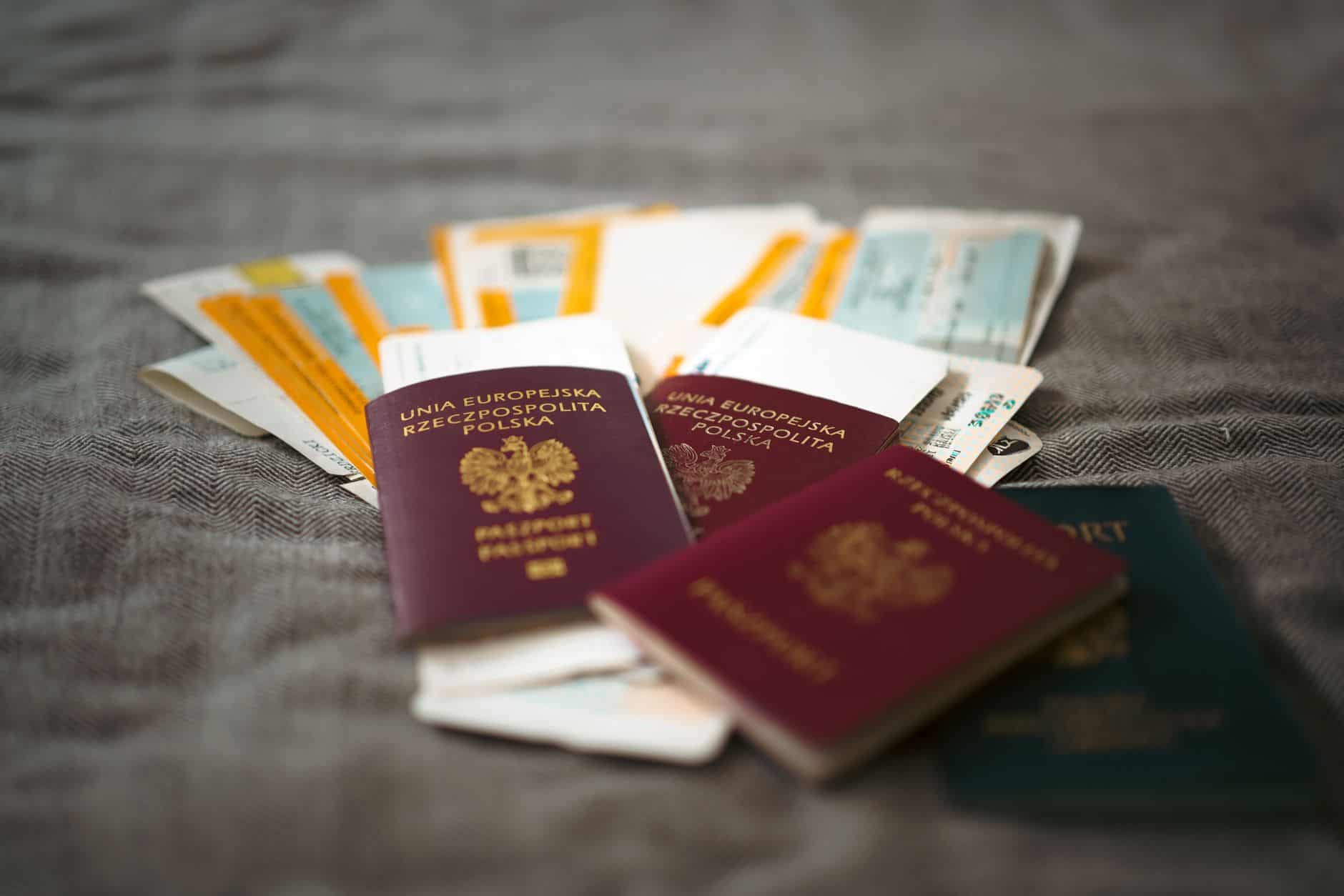
People who experience this fear describe it in terms that are consistent enough to constitute a recognizable experience:
A sense of vulnerability that’s specifically about being outside the systems they know. Not the country, not the culture, but the systems — the language, the infrastructure, the unwritten rules about how things work. The feeling of being a person who doesn’t know how things work is, for people who are competent and organized in their regular lives, particularly uncomfortable.
A specific anxiety about the unknowable nature of foreign emergencies. Not a general belief that the world is dangerous, but a specific worry about what happens if something goes wrong in a context where you can’t rely on your normal problem-solving toolkit. What if I get sick and can’t communicate? What if my card doesn’t work and I can’t get money? What if I miss the connection and I’m stuck in a city I’ve never been to, alone, not speaking the language?
A background sense of helplessness that is different from the sense they have about domestic travel. Domestic travel, even when things go wrong, happens within a system they understand. International travel happens in a system that is, to varying degrees, opaque — and the opacity itself is distressing independent of what might actually go wrong.
The Specific Fears That Cluster Together
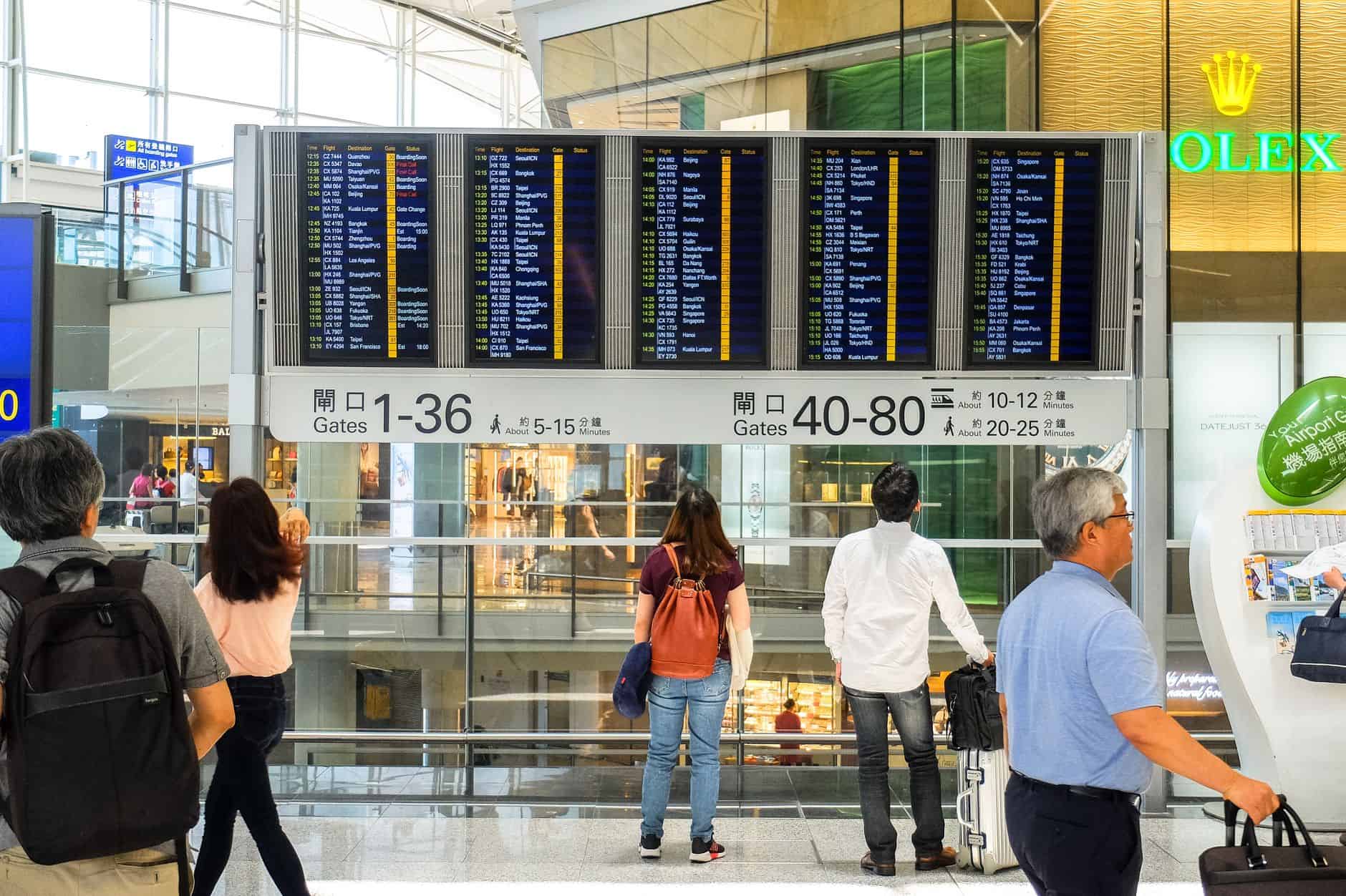
Clinical psychologists who work with travel anxiety have identified a set of fears that tend to appear together in people who avoid international travel:
Loss of control: International travel puts you in situations where you are genuinely dependent on systems and people outside your control in ways that domestic travel does not. This is objectively true and the fear of it is not irrational. What makes it anxiety rather than simple preference is the distress the prospect produces, and the avoidance behaviors that follow.
Language incompetence: The prospect of not being able to communicate effectively in an emergency, or even in ordinary transactions, is a source of significant anxiety for many people who are verbal and articulate in their daily lives. Being reduced to pointing and miming is not just inconvenient; for some people, it’s genuinely threatening to a core part of their identity.
Health and medical emergency anxiety: This fear has a specific shape: not a general fear of getting sick, but a specific fear of getting sick in a context where the medical system is unfamiliar and potentially inaccessible. This fear increased significantly following the COVID-19 pandemic and has not fully receded.
Geographic isolation: International destinations feel farther away than they are, psychologically. The fact that a flight to Ireland or Mexico is shorter than a cross-country domestic flight doesn’t land emotionally the way the distance data suggests it should. “Being that far from home” triggers a response that’s about psychological distance from familiar systems rather than physical distance.
How It’s Different From Xenophobia

It’s important to distinguish this fear from xenophobia or cultural bias, because they can look similar from the outside but have entirely different psychological structures and moral valences.
Xenophobia is a negative evaluation of foreign cultures or people — a belief that they are inferior, threatening, or undesirable for culturally motivated reasons. People who avoid international travel due to xenophobia are avoiding something they believe to be genuinely bad.
People who avoid international travel due to anxiety are typically avoiding something they believe to be genuinely good. They want to go. They talk about wanting to go. They look at other people’s travel photos with genuine longing. The avoidance is a response to fear of the process of getting there and being vulnerable in an unfamiliar context — not a negative evaluation of the destination or its people.
Many people who struggle with international travel anxiety are also interested in and sympathetic to foreign cultures. They read about other countries, follow international media, enjoy international food and film. The fear is not about the destination. It’s about the experience of being outside their competence zone, alone or in a small group, without the safety net of familiar systems.
Why Some People Develop It and Others Don’t
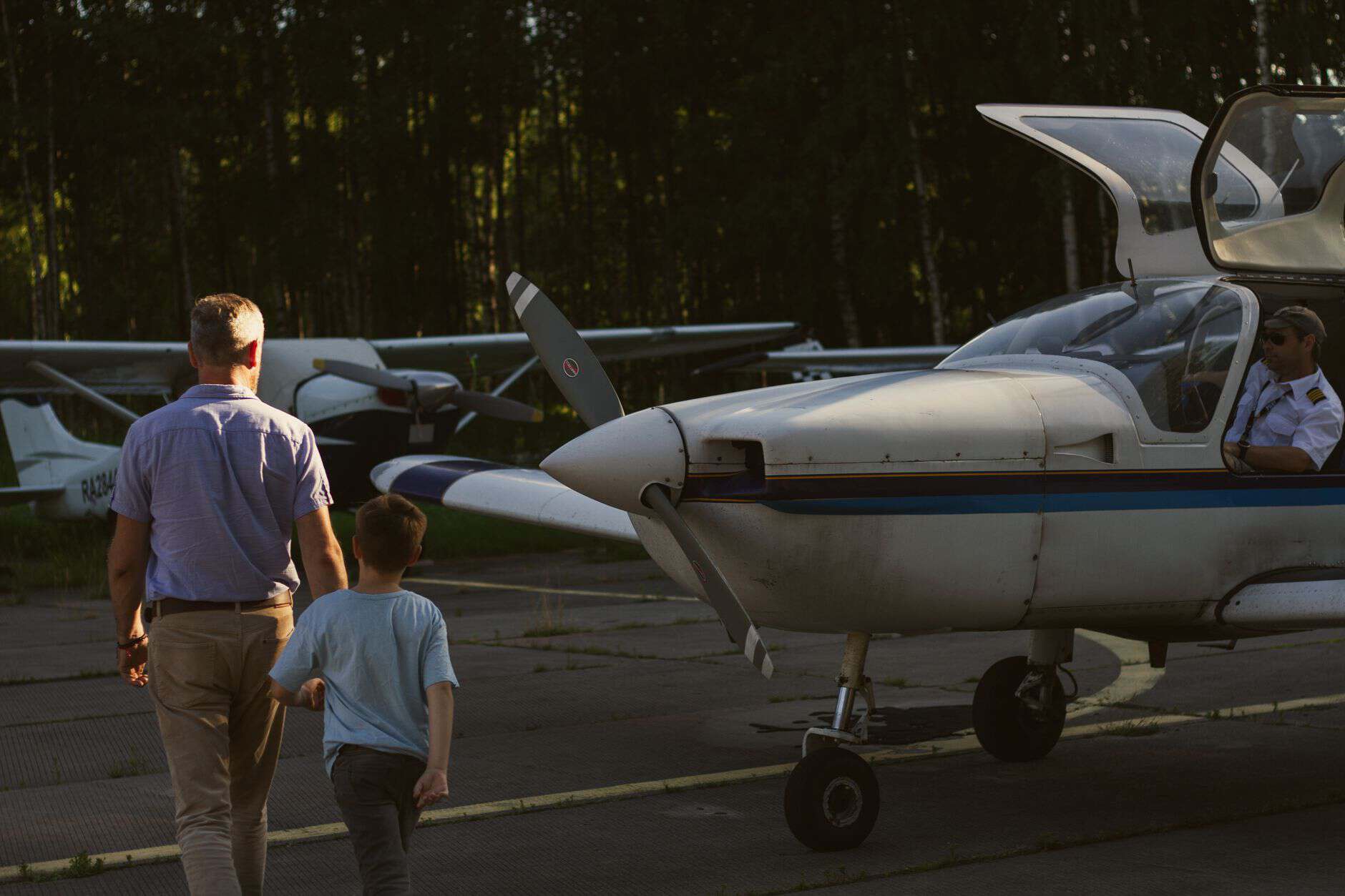
The psychological literature on travel anxiety points to a cluster of contributing factors that are not uniformly distributed:
Early travel experience is probably the most significant factor. People who traveled internationally as children — particularly children who had positive experiences of navigating unfamiliar environments with family support — develop a competence template that makes adult international travel feel manageable rather than threatening. People who had no international travel in childhood lack this template and face the first international trip as adults without the accumulated confidence that early exposure provides.
General anxiety level correlates strongly. People with higher general anxiety, particularly those with control-related or health-related anxiety presentations, are more likely to experience international travel as threatening. This isn’t surprising — the same cognitive patterns that produce control anxiety in daily life produce it in response to international travel’s genuine uncertainties.
Information environment matters in specific ways. People whose primary information about foreign countries comes from news coverage — which systematically overrepresents crime, conflict, disease, and disaster — develop threat estimates that are calibrated to news salience rather than actual probability. The country that appears dangerous in American news may be statistically safer for tourists than several American cities. The news doesn’t say this.
What Actually Helps Versus What Makes It Worse

Travel psychologists and the people who’ve worked through this anxiety themselves are reasonably consistent on what helps:
Graduated exposure is the cornerstone. Starting with a nearby international destination that has significant English presence — Canada, Ireland, the U.K., Australia — and letting the actual experience correct the threat estimate is more effective than any amount of reassurance. The person who books a trip to London and discovers that being a foreigner is manageable has updated their model in a way that cognitive argument cannot achieve.
Traveling with someone who’s been before removes much of the competence anxiety. The fear is largely about not knowing how things work. Traveling with someone who does know significantly reduces the threat of the unknown. This is why many first international trips happen as part of a tour group — the guided structure eliminates much of the uncertainty that drives the anxiety.
Extensive pre-trip research helps some people and makes things worse for others. For people whose anxiety is driven by uncertainty, knowing exactly what the arrival process looks like, how the transit system works, and what to do if a card is declined significantly reduces the threat. For people whose anxiety is driven by a ruminating information-seeking pattern, research becomes another form of avoidance — they research instead of booking, acquiring information without ever committing to go.
The Travelers Who Went Anyway and What They Found
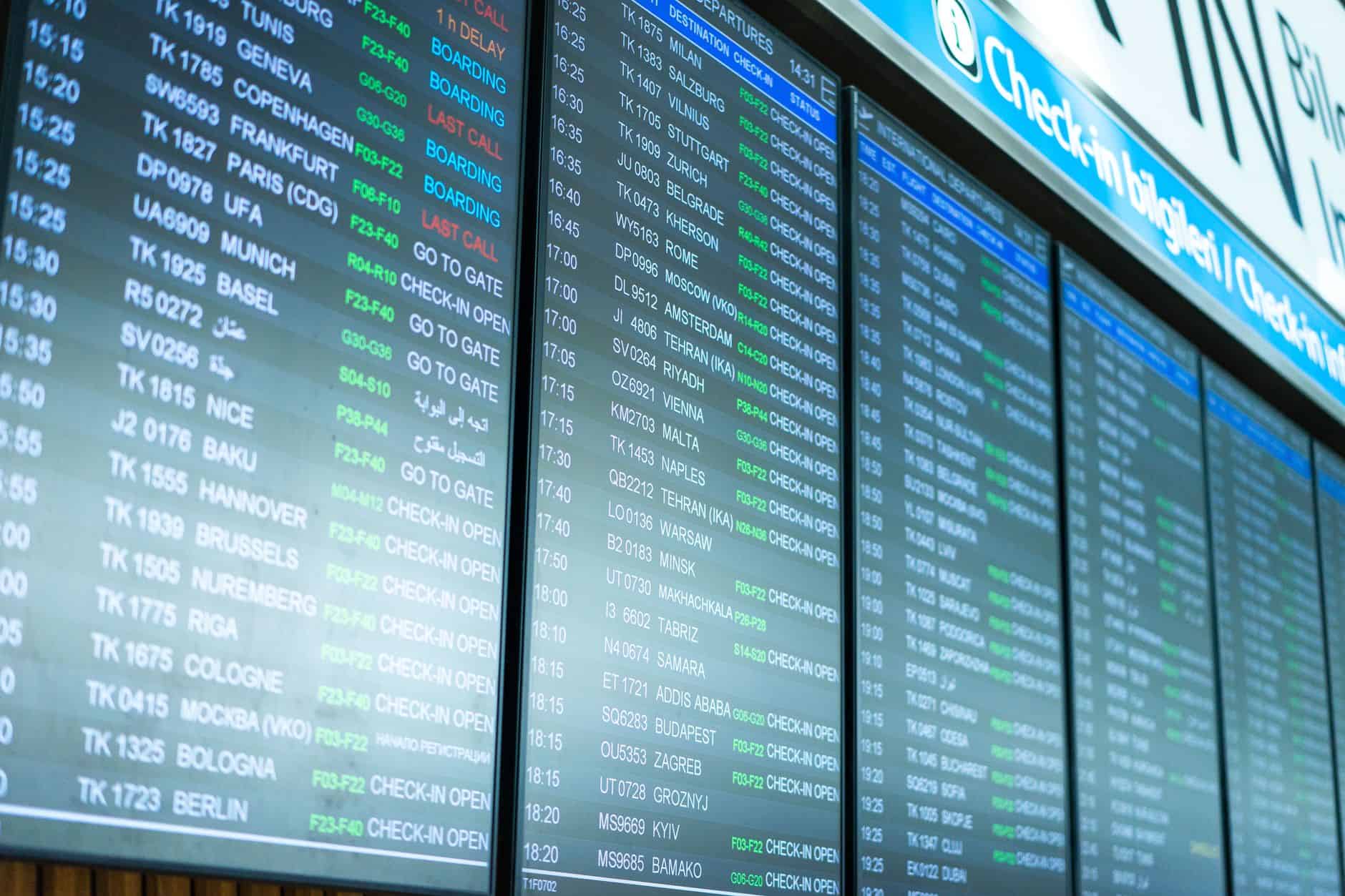
The most consistent finding from people who describe having worked through international travel anxiety is this: the gap between the anticipated experience and the actual experience is almost always in the direction of less frightening than imagined.
The systems are more navigable than expected. The people in foreign countries are, overwhelmingly, willing to help a confused tourist. The emergencies that do occur are usually manageable within the context. The medical systems in most developed-country destinations are competent and often easier to access for minor issues than American healthcare. Being lost in a foreign city is, mostly, not dangerous — it’s just lost, which is an experience that resolves.
What people consistently report discovering is not that the fear was irrational, exactly, but that the threat model was calibrated to edge cases rather than base rates. The worst-case scenarios the fear was protecting them from are real possibilities that almost never happen. The actual experience is navigable, often delightful, and almost always produces what they hoped for: the specific expansion that comes from being genuinely outside your own context, in a world that is larger and more varied than the one you know from home.
The regret, almost universally, is for the years spent not going.