What Summer Road Trips With Kids Actually Look Like — The Logistics, the Fights, and the Memories Made Anyway
We may earn money or products from the companies mentioned in this post. This means if you click on the link and purchase the item, I will receive a small commission at no extra cost to you ... you're just helping re-supply our family's travel fund.
This article contains affiliate links. If you book through our links, we may earn a commission at no extra cost to you.
Every parent who has driven a long distance with children has a story. Not a story they planned to have — not the one about the beautiful canyon or the roadside diner with surprisingly good pie. The story. The one where everything that could go wrong in a moving vehicle did, in sequence, over the course of six hours, while they maintained a posture of adult composure they no longer actually felt.
And then, somehow, the family went again the next year.
The summer road trip with children is a specific American institution that persists not because it is reliably pleasant in the moment but because it produces something — a texture of shared experience, a category of family memory — that no other form of family vacation quite replicates. Understanding why families keep doing it requires understanding what it actually is, rather than what it’s supposed to be.
The Planning Gap: What Parents Think Will Happen
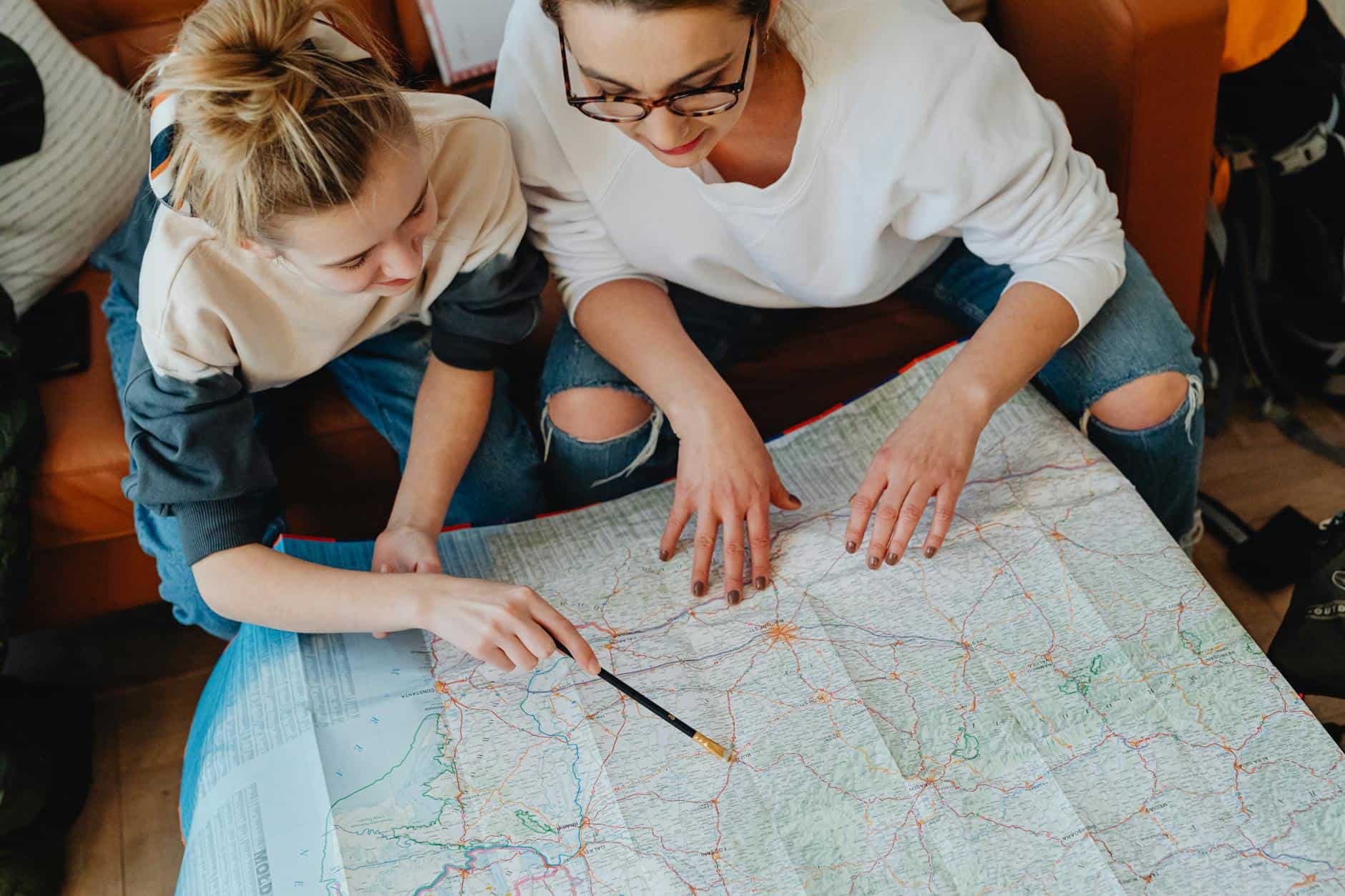
The pre-trip planning phase is characterized by a specific optimism that experienced road trip parents recognize as a kind of necessary delusion. The route is mapped. The stops are identified. The drive time is calculated from Google Maps, which provides estimates based on driving at speed without accounting for the fact that your seven-year-old requires a bathroom break in exactly the kind of location where bathrooms do not exist.
Parents who’ve done road trips before know the calculation is wrong and plan it anyway. This is not stupidity — it’s the appropriate application of the planning fallacy to a situation where under-planning produces worse outcomes than over-planning, even if the plan doesn’t survive contact with the actual trip.
The packing process is the first departure from plan. Something always doesn’t fit. Someone discovers at 10 p.m. the night before departure that the one stuffed animal required for sleep is not in the house. The snack supply, assembled to cover twelve hours, will be entirely consumed in the first three.
Parents in the planning phase are also managing two incompatible requirements: the desire to see and do things on the route, which requires stops and flexibility, and the desire to arrive at the destination, which requires forward momentum and minimal stops. These requirements are genuinely incompatible with children, who can transform any stop into a minimum 40-minute event.
The First Two Hours — The Reality Check
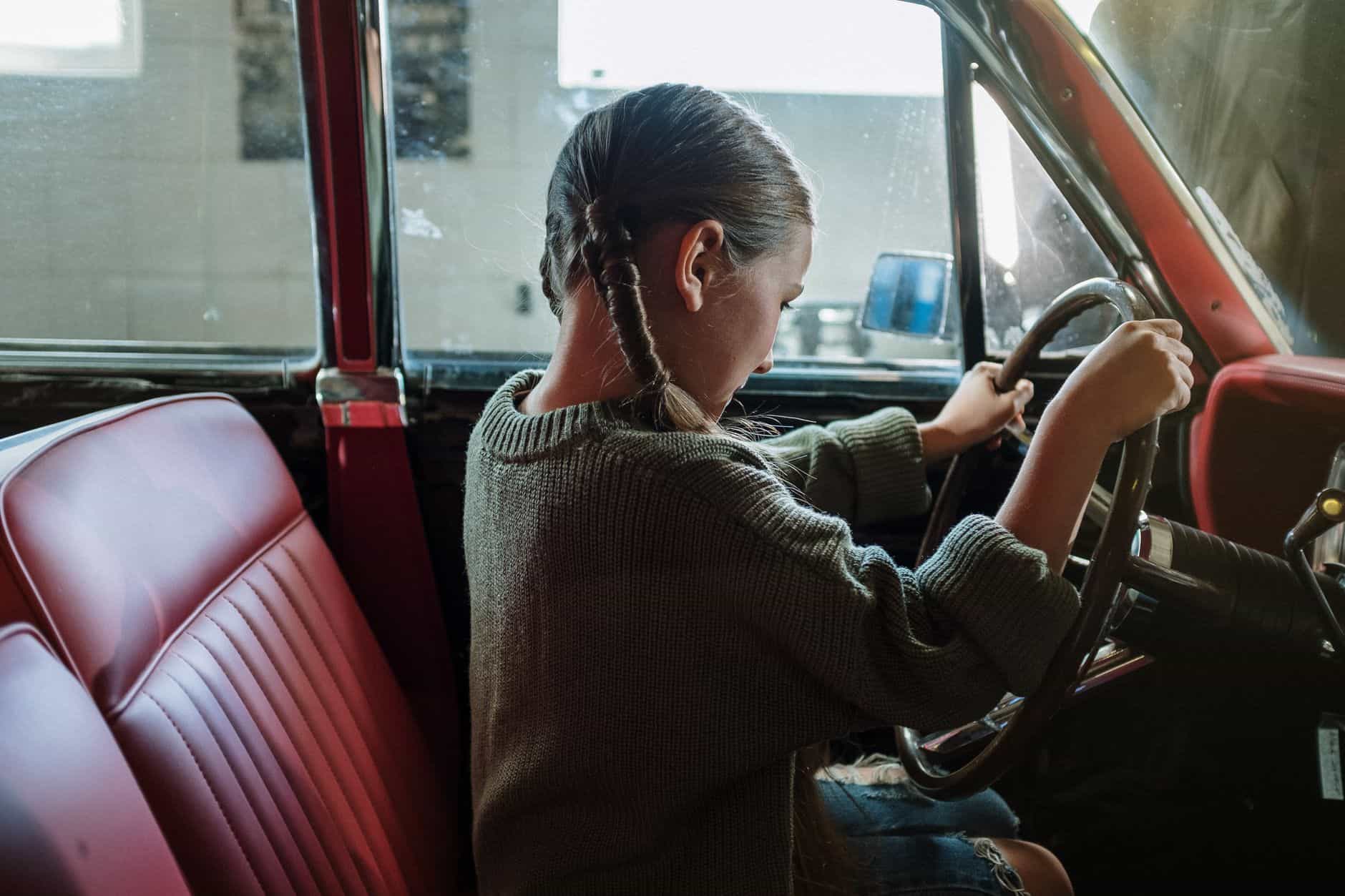
The first two hours of a family road trip are, in many parents’ retrospective assessment, the most misleading part of the experience.
There is a window, typically lasting between 45 minutes and two hours depending on child age, where everyone is oriented toward the trip as an event, the novelty of moving is engaging, and the snacks are still a novelty rather than a baseline expectation. During this window, parents look at each other over the rearview mirror and think: this might actually work.
Then someone has to go to the bathroom. Then someone else is too hot. Then there is a dispute about screen time that the pre-trip media rules were supposed to resolve but do not resolve because the pre-trip media rules were written under conditions that no longer apply. Then someone asks how much longer.
The “are we there yet” phenomenon has become a cultural shorthand that’s so familiar it has lost its reality. In actual practice, it’s a symptom of something real: children have a different relationship to unstructured time in a moving vehicle than adults do, and their distress about it is not performed. They are genuinely uncomfortable in ways that adults, who have decades of practice sitting still and waiting, have largely forgotten how to access.
The parents who handle this phase best are not the ones who have better rules. They’re the ones who have accepted that the first two hours will contain at least two situations that require improvisation, and who have freed themselves from the expectation that the experience will match the plan.
The Rest Stop as Social Institution
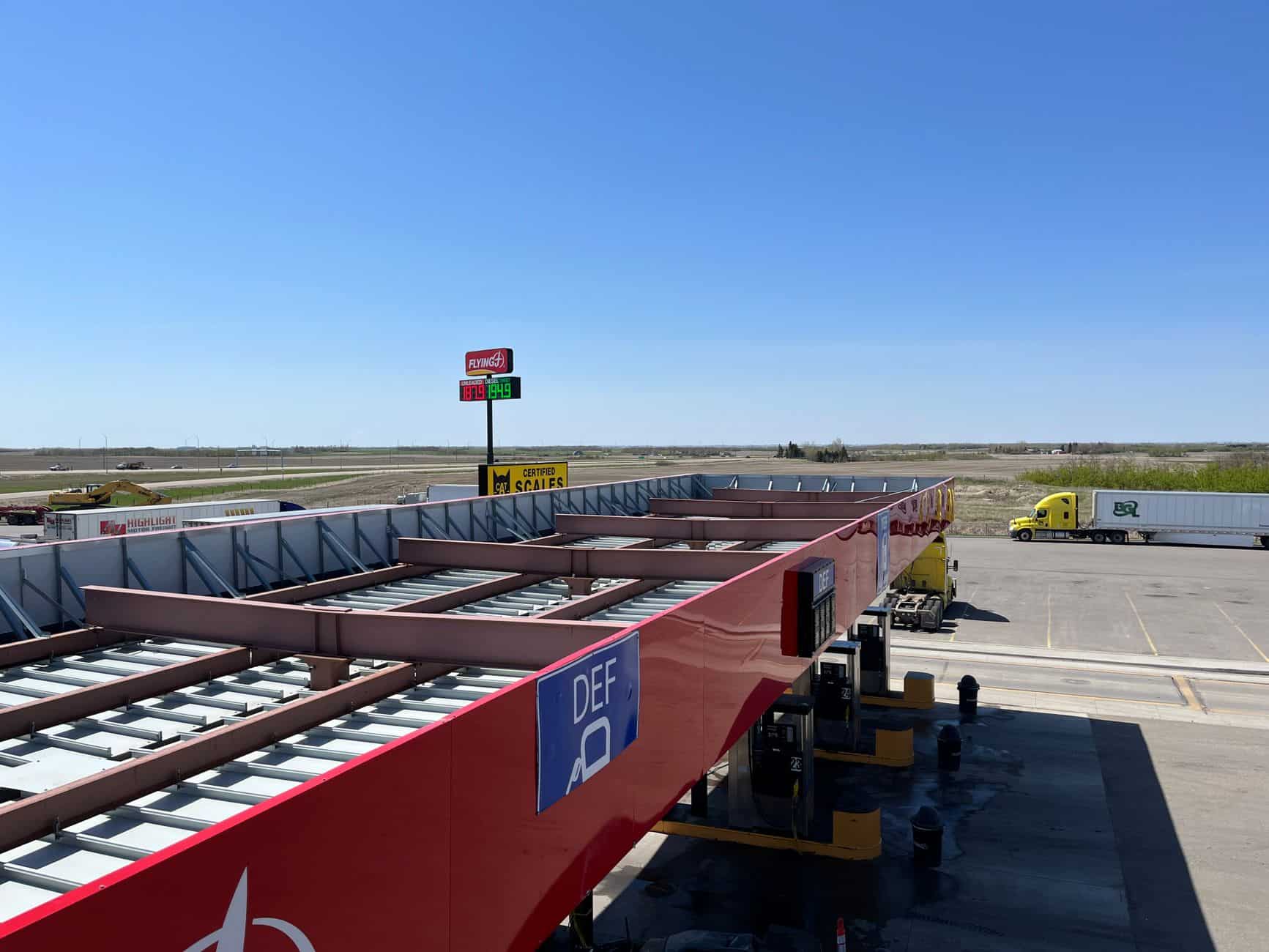
Highway rest stops are among the most underappreciated institutions in American public life, and no one understands their value more deeply than a family six hours into a road trip.
The rest stop performs several functions simultaneously that are easy to overlook. It is a bathroom, obviously. But it is also a movement break in a context that desperately requires movement. It is a social reset — the car’s tensions, which can escalate with geographic inevitability when there is no exit, are diffused by the simple act of getting out and being in a larger space. It is, frequently, an unexpected source of minor regional character: the southern rest stop with the civil war historical marker, the midwestern one with the agricultural museum exhibit, the western one with the panoramic view that is the actual best view of the trip.
Families that stop at rest stops also tend to have better conversations. There’s something about the parking lot environment — the collective enterprise of everybody needing the same thing, the brief contact with other families in transit — that produces a different quality of family interaction than the closed container of the car. Parents who try to minimize rest stop time in the name of schedule efficiency are often sacrificing something they can’t see.
The rest stop vending machine is a specific psychological institution within the road trip rest stop experience. Whatever is available in those machines becomes, by the logic of scarcity and context, significantly more desirable than the same items would be anywhere else. The snack that wouldn’t be eaten at home becomes, at a rest stop 200 miles from home, an event.
What Kids Actually Remember From Road Trips
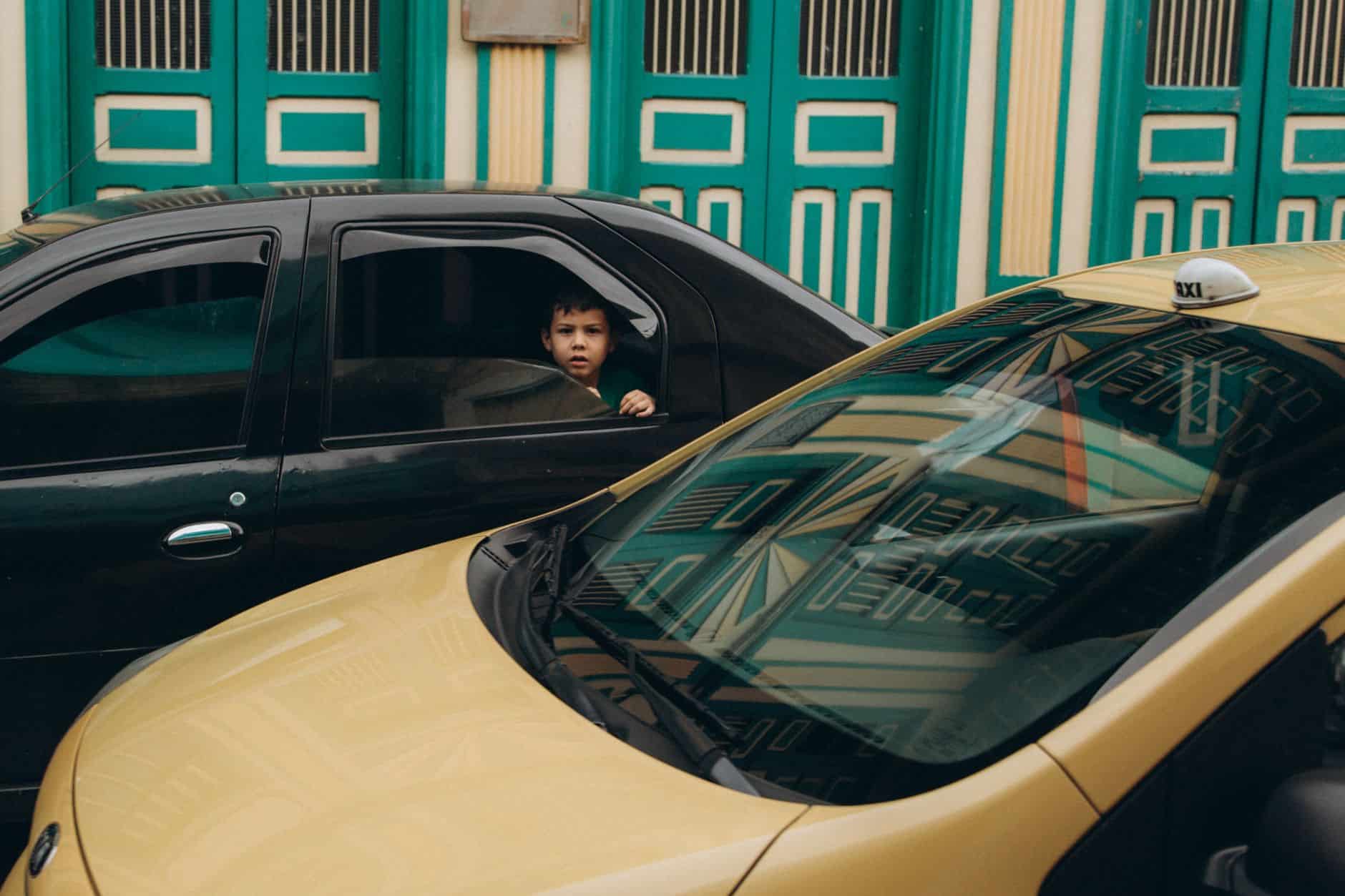
Parents spend significant energy and money on the destinations of family road trips. The national park, the theme park, the beach resort, the museum town. And these destinations do produce memories. But the research on childhood memory, and the testimony of adults reflecting on their road trip childhood, suggests that the destination is often not the most remembered part.
What kids remember: small things, contextually specific. The motel pool at 9 p.m. The gas station with the peculiar regional snack that nobody at home would have heard of. The wrong turn that led somewhere unexpectedly interesting. The meal at a diner that was the only restaurant in a small town and turned out to be remarkable. The roadside attraction — the giant ball of twine, the dinosaur park, the mystery spot — that was objectively ridiculous and completely wonderful.
The common thread is not grandeur but specificity. Children’s memories are anchored to sensory and emotional detail rather than categorical significance. The grand canyon is impressive. The night they stayed up late watching a lightning storm from the motel parking lot with their dad is specific. The specific one is what they remember.
This has practical implications for road trip planning that parents rarely acknowledge explicitly: the budget and time spent getting somewhere matters less than the quality of attention paid along the way.
The Arguments That Are Really About Something Else
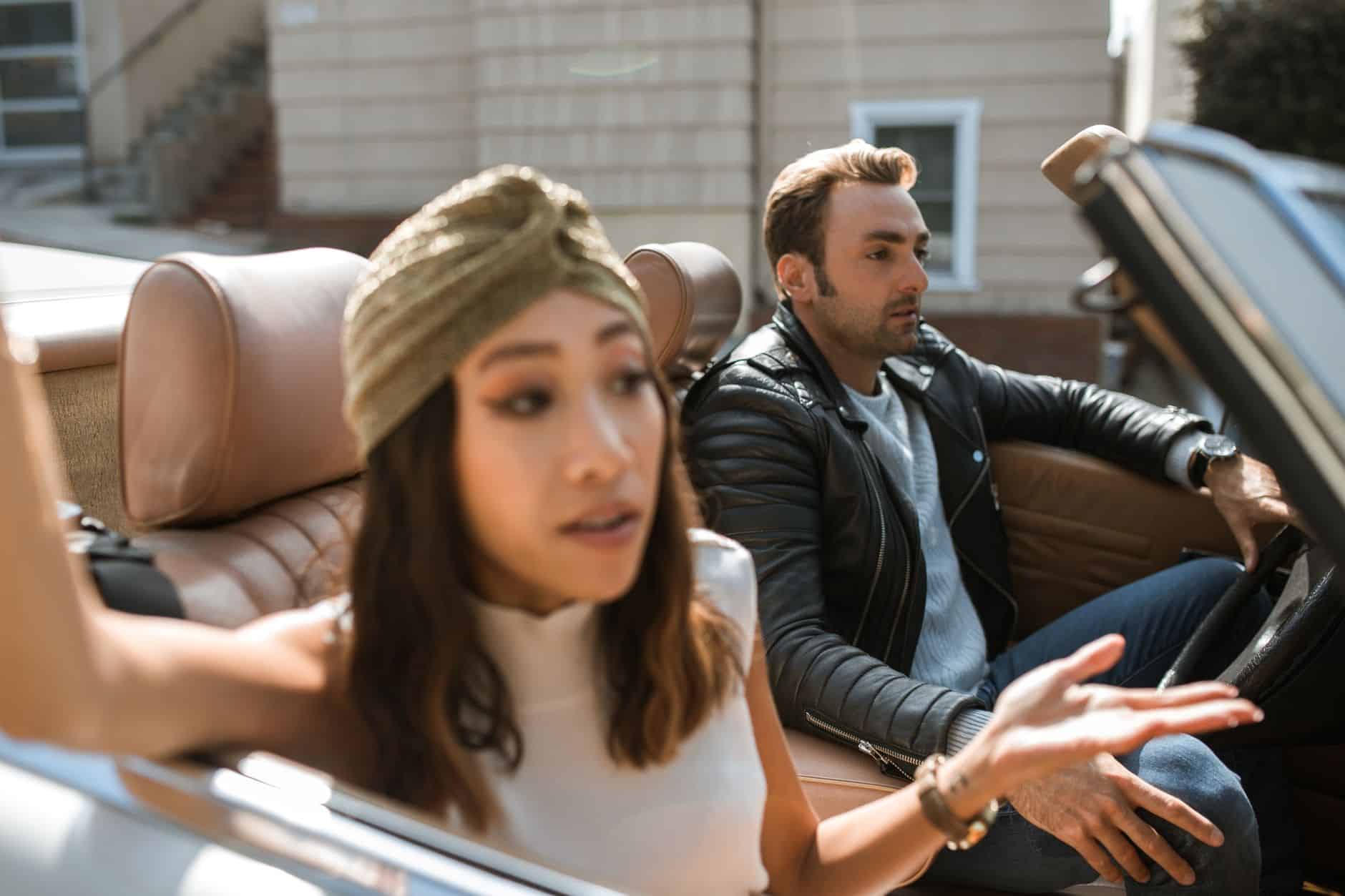
Family road trip arguments follow patterns that are consistent enough to constitute a taxonomy.
The temperature argument, which is about temperature and also about control and also about who gets to make decisions in this family.
The music argument, which is about music and also about generational incomprehension and also about the fact that this is going to be a very long drive.
The screen time argument, which is about screens and also about the philosophical question of what a road trip is supposed to be, with the parents believing it should involve looking out the window and the children experiencing looking out the window as the specific punishment of having to be present for the landscape.
The navigation argument, which happens between adults and which is not, strictly speaking, about navigation.
These arguments are not signs that the trip is failing. They are, in retrospect, often signs that the trip is functioning as a compressed version of family life — all the same negotiations and tensions, but in a space where there is nowhere to go to decompress. The car is not a good container for family conflict. It is a container that produces it and then forces resolution because there is no alternative.
Families who come out of road trips having had real arguments and resolved them have done something. The resolution is what gets remembered, not the argument.
The Accidentally Perfect Moments
Ask parents who take road trips with children to name their best memory from any such trip, and a notable percentage of them will name something that wasn’t planned.
The detour that was taken because someone had to go to the bathroom and the exit ramp led to a roadside pie stand and a local with an hour of opinions about the best things in his county that they’d have never found otherwise. The breakdown in a small town that turned into an afternoon, then an evening, then a whole experience in a place they’d never intended to stop. The decision to pull over for the sunset because it looked like it might be something and it turned out to be something.
The serendipity of road travel — the particular openness to circumstance that driving produces as opposed to flying — is what generates these moments. You cannot have an accidental afternoon in a small Montana town if you fly over Montana. You can only have it if you’re driving through, which means you’re available to it.
This is what road trip parents are trying to articulate when they say the trip is about the journey rather than the destination. Not a cliché — a specific truth about what the format makes possible that other formats don’t.
Why Families Keep Doing This Despite All Evidence
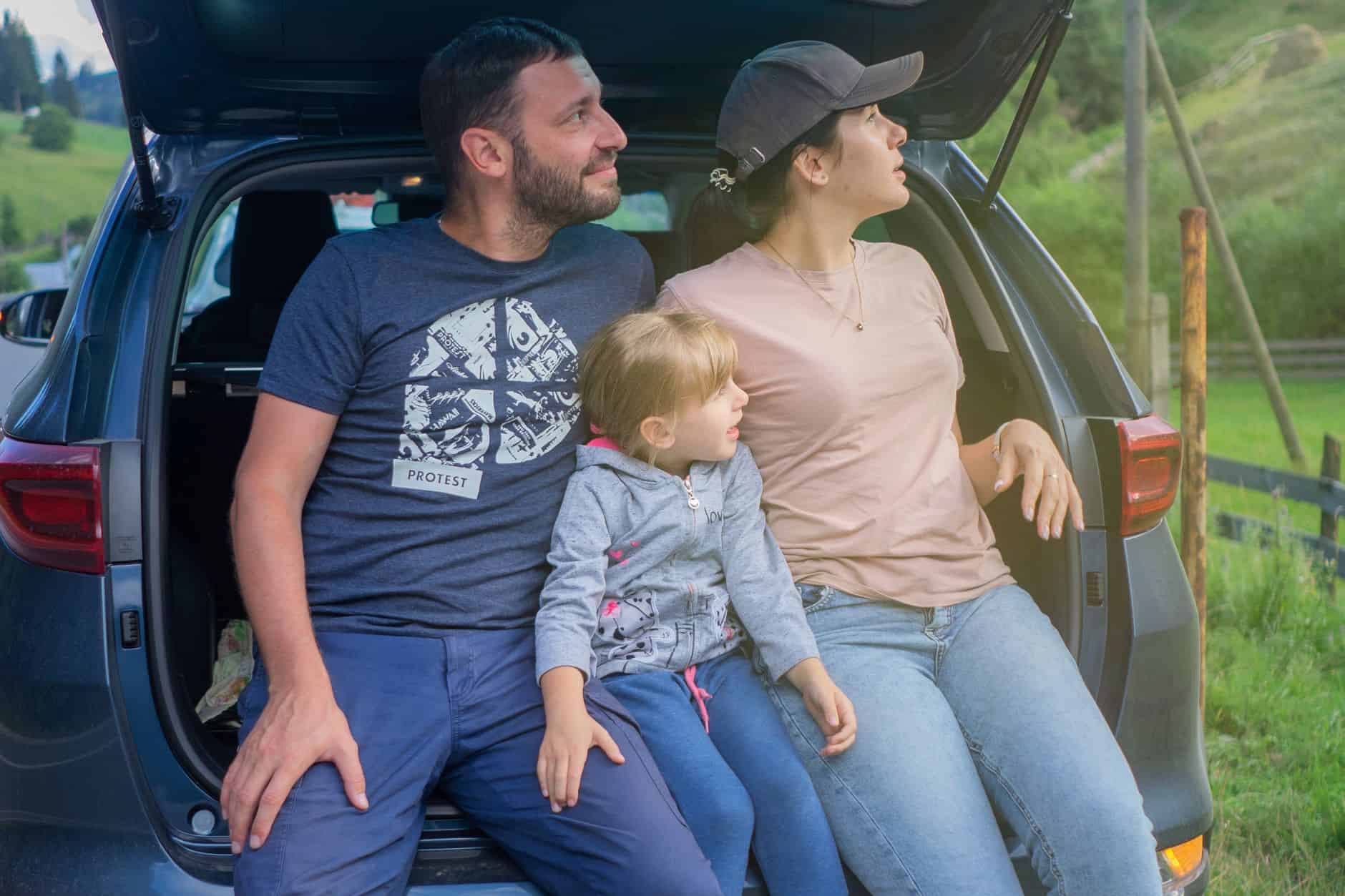
The evidence that road trips with young children are consistently pleasant is not strong. The evidence that they are consistently character-building is also not strong, at least not in any way that’s legible to the characters being built at the time.
What families are actually doing, when they repeat the road trip despite the evidence, is acting on a correct intuition about what kind of shared experience builds a particular kind of family.
The conditions of a road trip — shared space, shared time, shared difficulty, shared discovery — produce a kind of family knowledge that is hard to generate any other way. You learn things about each other in a car that you don’t learn at home, because home allows everyone to optimize their comfort. The car doesn’t. The road trip is a shared exposure to the edges of everyone’s patience and competence, and the family that survives the exposure regularly and still wants to do it again has demonstrated something about itself.
The kids who grew up taking road trips, when they’re adults, often take road trips. Not because the childhood experience was uniformly great — they remember the backseat fights and the bad rest stop food and the motel that wasn’t what was promised. They take road trips because they understand, in a way they couldn’t have articulated as children, that the experience produced something. They became a specific family, in a specific way, on those drives. And they want to be that family again.