Why Everyone Keeps Moving to Chattanooga and What They Find When They Get There
We may earn money or products from the companies mentioned in this post. This means if you click on the link and purchase the item, I will receive a small commission at no extra cost to you ... you're just helping re-supply our family's travel fund.
Chattanooga keeps showing up on lists of cities Americans are moving to, and the reasons go beyond just the mountains in the background.
The growth numbers
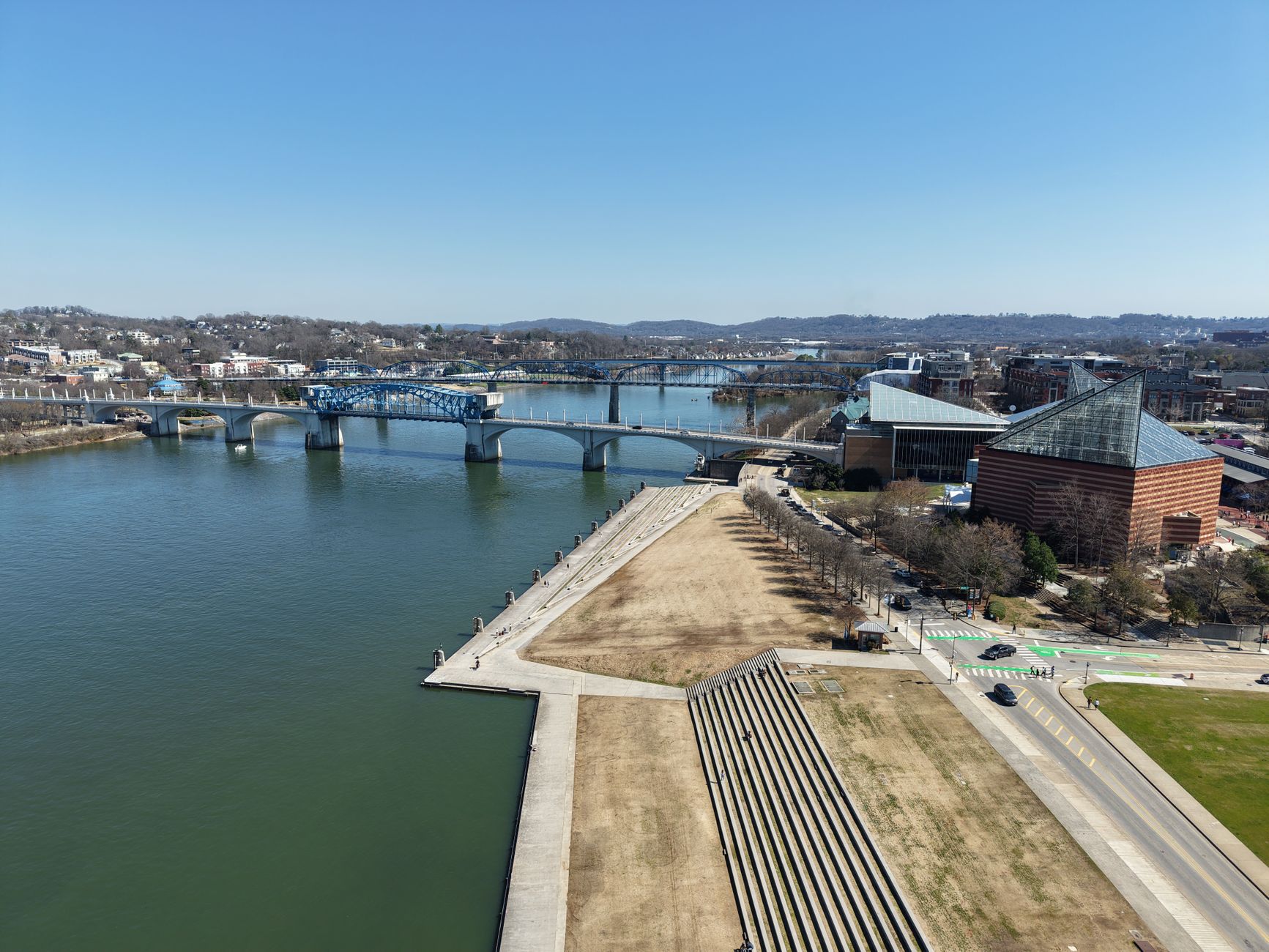
The six-county Chattanooga metro area grew by 5.5 percent between April 2020 and July 2025, reaching an estimated population of nearly 595,000, according to a University of Tennessee at Chattanooga white paper on regional population growth. That’s roughly double the national population growth rate over the same period. WTVC’s coverage of the trend in 2026 described migration-driven growth now straining local infrastructure, particularly roads and utilities that weren’t built for the current pace of new residents.
Chattanooga landed on lists of the top 20 U.S. cities people were moving to in 2025, according to coverage from Let’s Talk Chattanooga Real Estate, joining a wave of mid-sized Southern cities absorbing people priced out of larger metros like Atlanta and Nashville, both within driving distance.
What draws people once they arrive
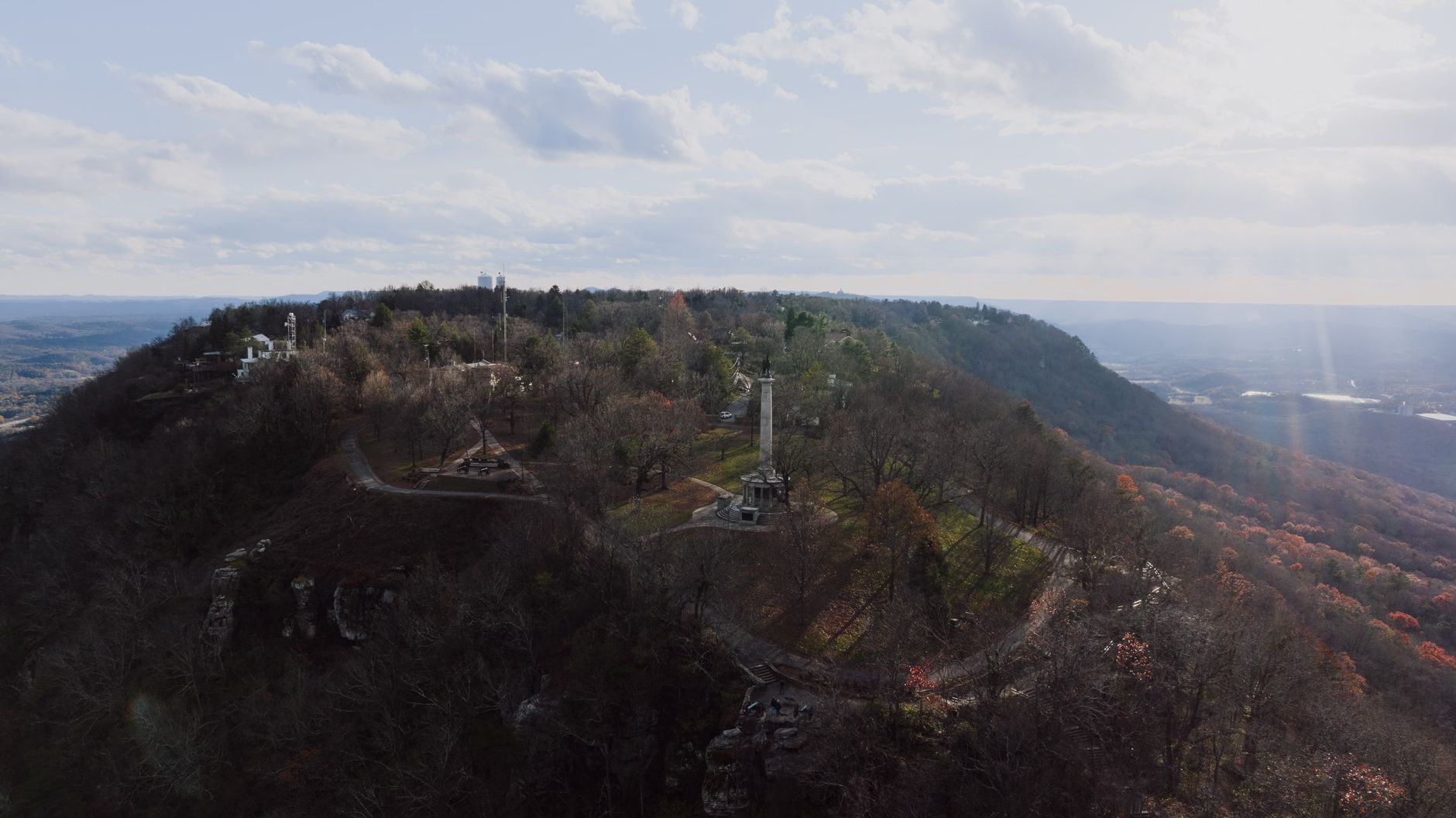
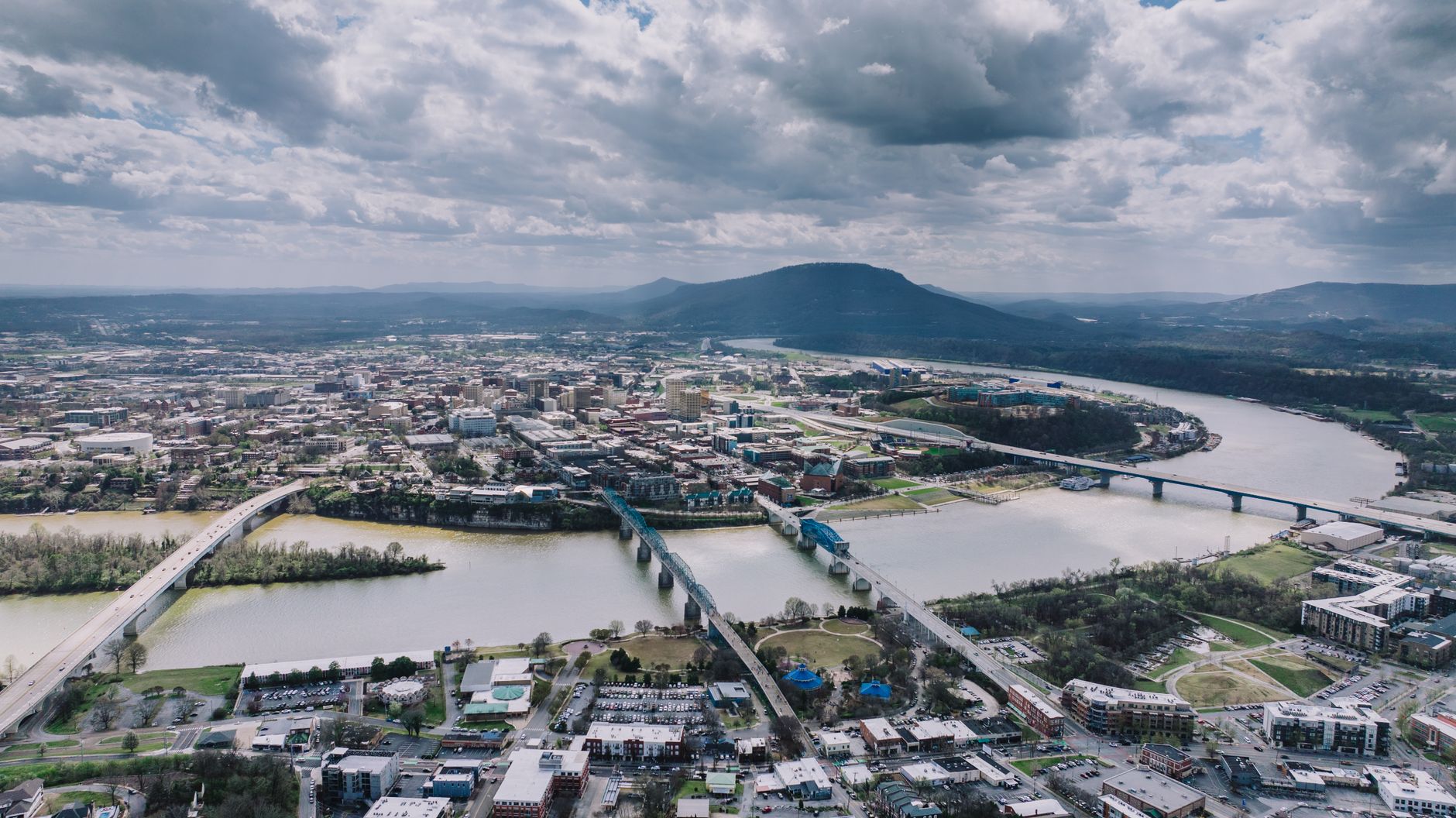
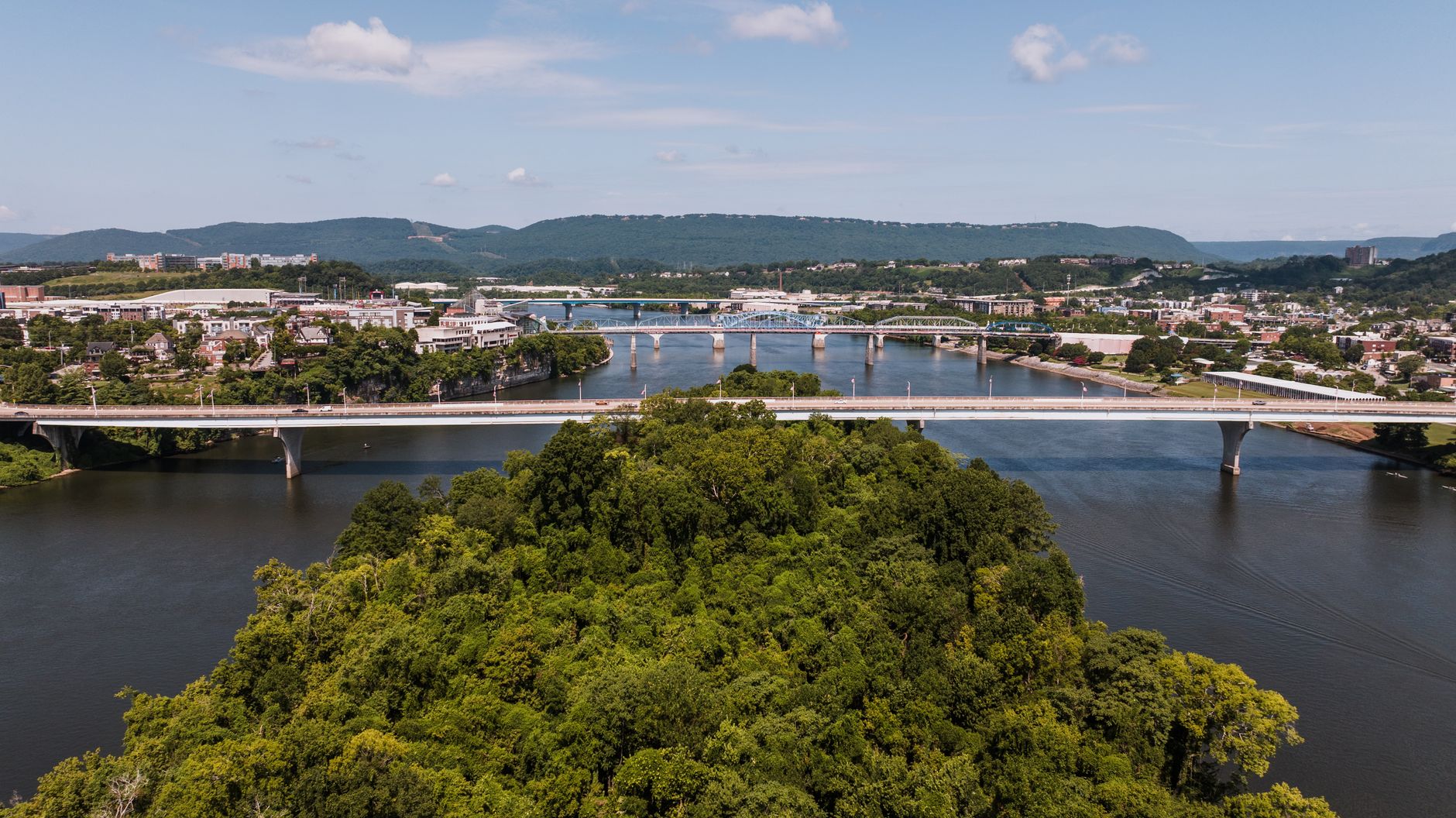
Chattanooga’s outdoor access is the recurring draw: Lookout Mountain looms directly over downtown, the Tennessee River runs through the city center, and the Tennessee Riverwalk connects neighborhoods along more than 13 miles of paved trail. Rock climbing at Sunset Rock, whitewater access on the Ocoee River within an hour’s drive, and an established mountain biking scene give the city genuine outdoor credentials that larger Southern cities can’t easily replicate.
Neighborhoods absorbing the growth
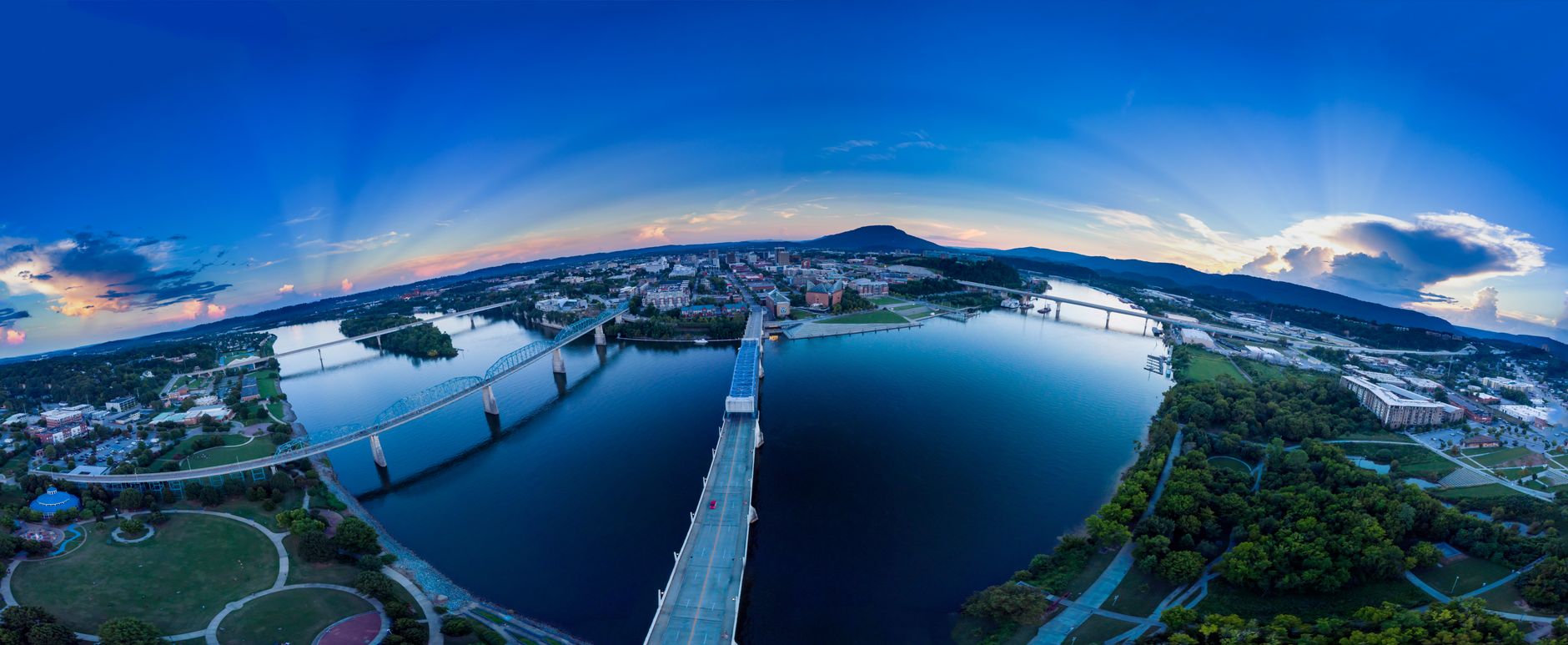
The Southside neighborhood, once industrial, has filled in with breweries, restaurants, and renovated housing near the Chattanooga Choo Choo historic hotel complex. North Shore, across the river from downtown, has become a walkable district built around Coolidge Park and a cluster of restaurants and shops that didn’t exist in anything like their current form fifteen years ago.
The cost tradeoff that’s starting to show up
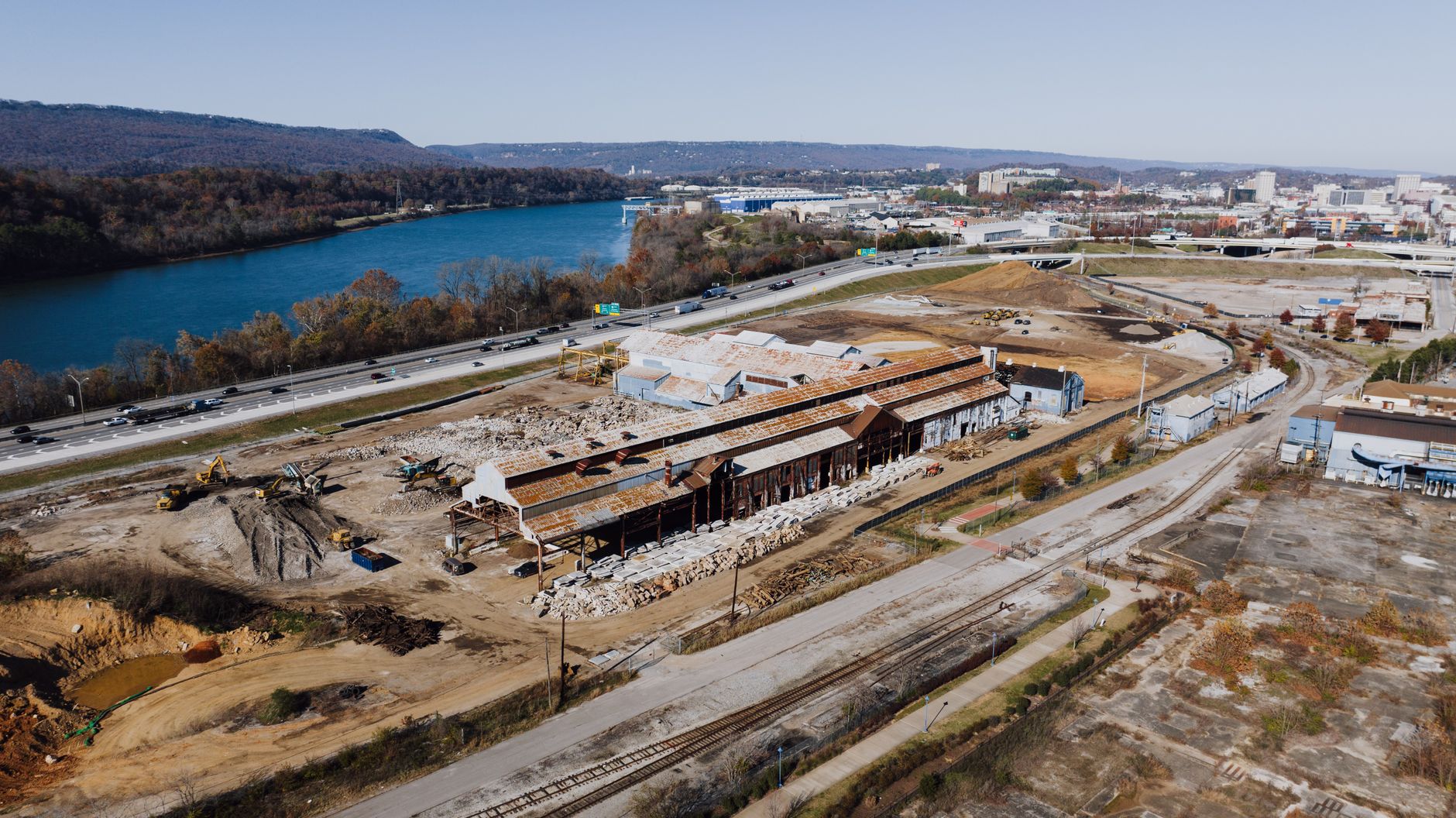
Chattanooga’s housing costs remain lower than Nashville or Atlanta, part of its appeal, but that gap has been narrowing as migration continues. NASA Earth Observatory imagery analysis of the region’s physical footprint, published in 2025, documented visible urban expansion consistent with the population data, as new subdivisions push outward from the traditional city core.
- The Chattanooga metro area grew 5.5 percent from 2020 to 2025, reaching nearly 595,000 residents
- Chattanooga ranked among the top 20 U.S. destination cities for movers in 2025
- The Tennessee Riverwalk spans more than 13 miles of connected trail through the city
- Migration-driven growth is now straining local infrastructure, according to regional economists
People moving to Chattanooga are generally finding what they expected: real mountains, a real river, and a downtown that’s been rebuilt around both. What they’re increasingly also finding is a housing market that’s starting to catch up to the demand.
The tech and remote work factor
Chattanooga branded itself Gig City after its municipal electric utility, EPB, built one of the first citywide gigabit fiber internet networks in the country starting in 2010, well ahead of most major American cities. That infrastructure head start has made the city an unusually attractive landing spot for remote workers and small tech companies looking for reliable connectivity without Nashville or Atlanta’s cost of living, a factor frequently cited in the city’s economic development marketing.
The Enterprise Center and a growing startup incubator scene downtown have tried to capitalize on that infrastructure advantage, positioning Chattanooga as a smaller, cheaper alternative to Nashville’s much larger tech and healthcare economy just two hours up I-24.
How the outdoor recreation economy actually functions

The Ocoee River, site of the 1996 Olympic whitewater slalom events, remains a major draw for rafting outfitters operating within about an hour of downtown Chattanooga. Closer to the city, Lookout Mountain hosts Rock City and Ruby Falls, two long-running tourist attractions that predate Chattanooga’s modern reinvention by decades but continue drawing family travelers passing through on I-24.
What the growth means for longtime residents
Longtime Chattanooga residents have expressed mixed feelings about the pace of change, according to regional coverage of the city’s growth debates, appreciating the economic revitalization while raising concerns about rising property taxes and the loss of some of the city’s grittier, more affordable character in neighborhoods like Southside that have gentrified quickly over the past decade.
- Chattanooga’s EPB utility built one of the nation’s first citywide gigabit fiber networks starting in 2010
- The Ocoee River hosted the 1996 Olympic whitewater slalom events and remains a major rafting destination
- Rock City and Ruby Falls on Lookout Mountain predate the city’s modern tourism reinvention by decades
- Rising property taxes and gentrification concerns have accompanied the city’s rapid population growth
Chattanooga’s appeal isn’t a single factor. It’s the layering of genuine outdoor access, early infrastructure investment, and a downtown that was rebuilt deliberately rather than by accident, a combination that’s increasingly hard to find at this price point in the Southeast.
How Chattanooga compares to the cities people are leaving
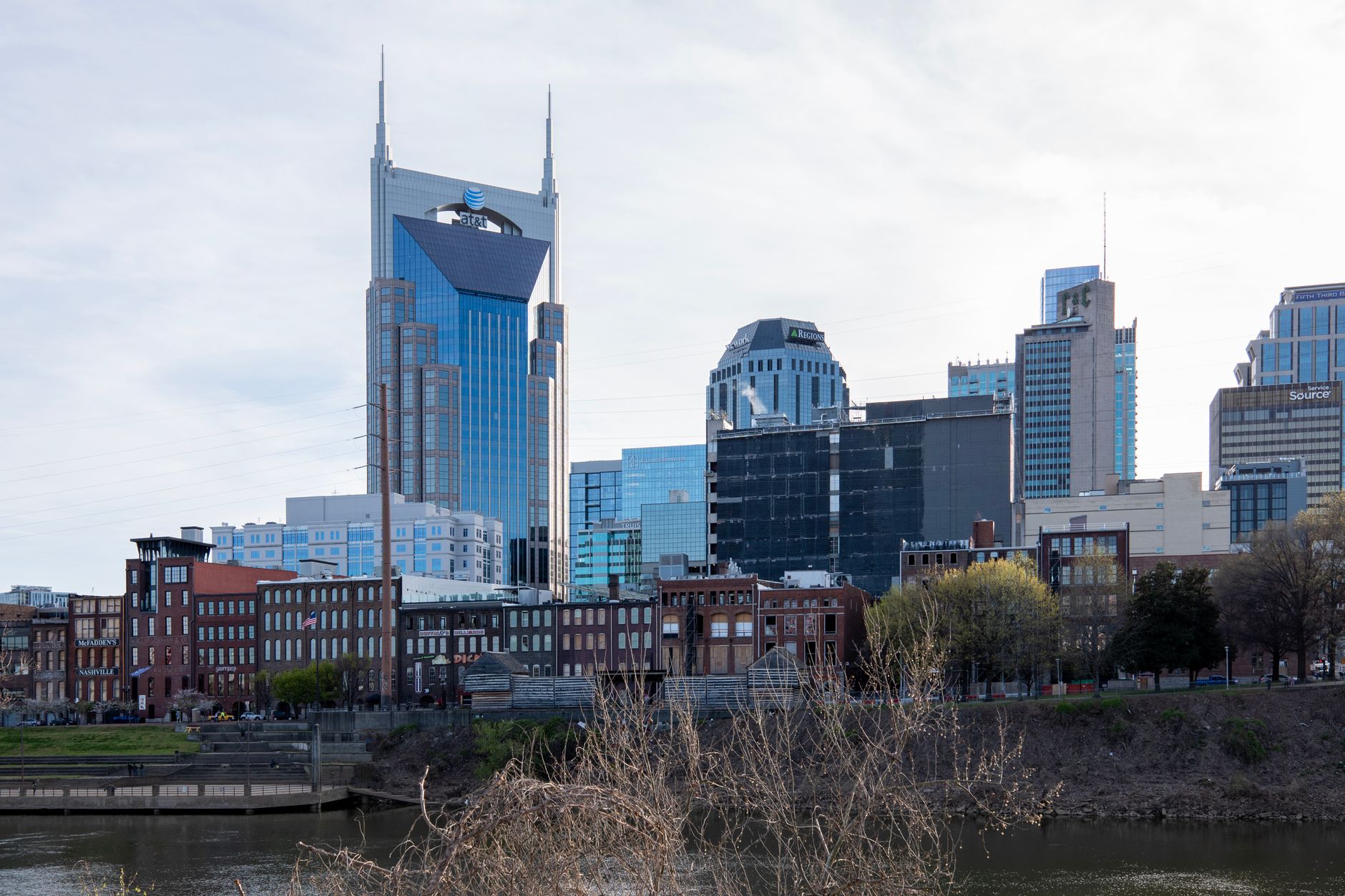
Many of Chattanooga’s new residents are arriving directly from Nashville and Atlanta, both of which have seen housing costs climb sharply over the past several years as their own growth accelerated. For someone priced out of East Nashville or intown Atlanta, Chattanooga offers a genuinely comparable urban lifestyle, walkable neighborhoods, a real food and brewery scene, live music, at a fraction of the cost, while still sitting within a two-hour drive of both larger cities for anyone who needs occasional access to a bigger airport or job market.
That proximity without the price tag is a large part of why Chattanooga’s growth has proven durable rather than a temporary pandemic-era blip, continuing steadily through 2025 and into 2026 even as remote work trends have shifted elsewhere.
Whether that durability holds depends largely on how well the city manages the infrastructure strain that regional economists have already flagged. Chattanooga’s next several years will likely determine whether it becomes a genuine long-term alternative to its larger neighbors or simply repeats their trajectory a decade behind schedule, arriving eventually at the same affordability problems it currently helps people escape.
For now, the combination that’s pulling people in, real mountains within city limits, a genuine river downtown, fast internet, and a housing market that hasn’t yet caught up to Nashville or Atlanta, remains intact. How long that combination lasts in its current, still-affordable form is the open question every new arrival is effectively betting on when they sign a lease or close on a house in the city.