The Three States Where the Real American Diner Never Actually Disappeared
We may earn money or products from the companies mentioned in this post. This means if you click on the link and purchase the item, I will receive a small commission at no extra cost to you ... you're just helping re-supply our family's travel fund.
The American diner is supposed to be an endangered species. In a handful of states, it never actually went anywhere.
New Jersey: still the diner capital of the world
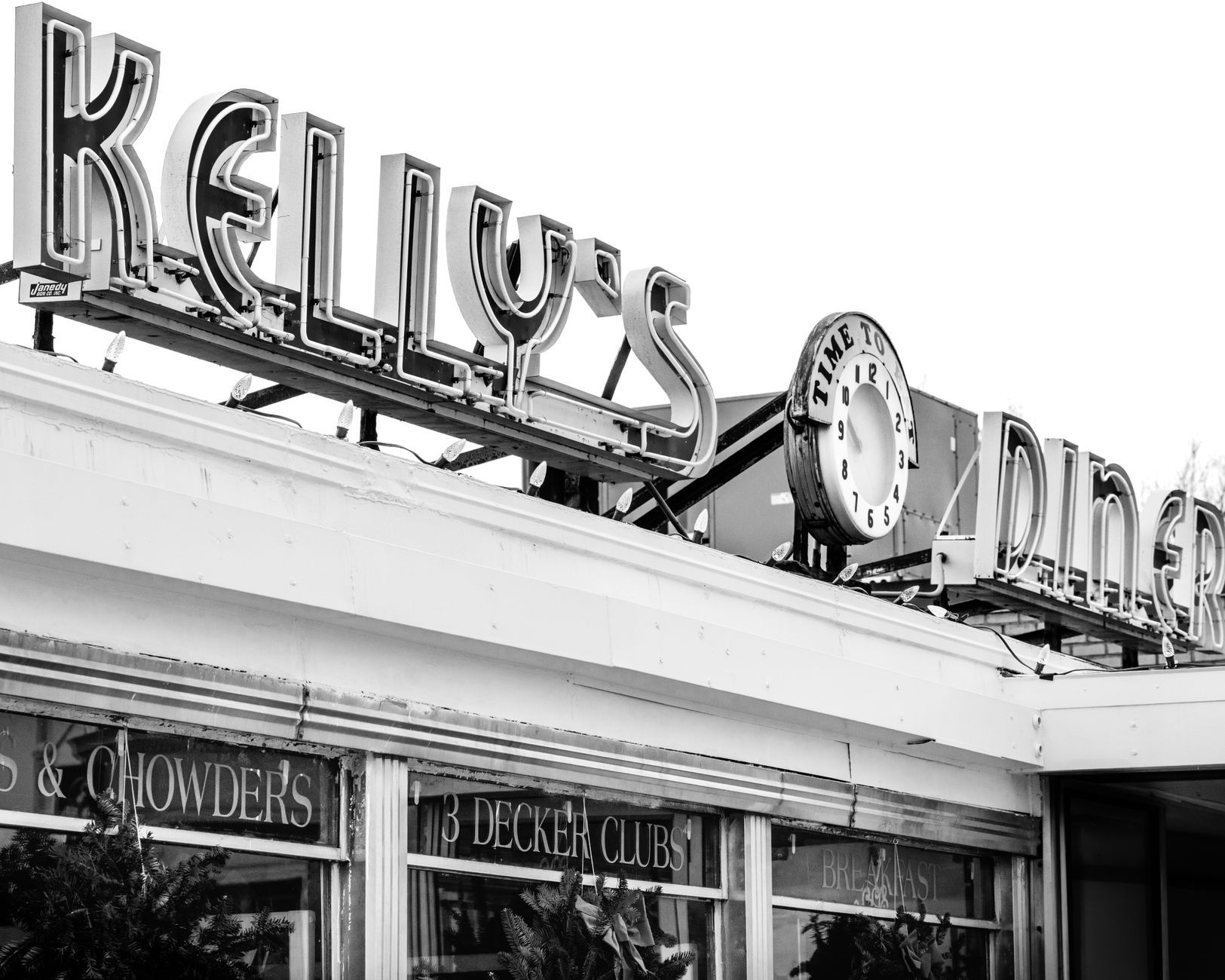
New Jersey has roughly 600 diners statewide, more than any other state in the country, a title it’s held onto since the manufacturing boom of prefabricated diner companies like Jerry O’Mahony Inc., Kullman Dining Car Company, and Silk City Diners took root there in the early 20th century, according to New Jersey Monthly’s history of the industry. The Summit Diner in Summit, opened in 1928, is believed to be the state’s oldest continuously operating diner. Tick Tock Diner in Clifton still runs 24 hours a day, 365 days a year, and Mustache Bill’s in Barnegat Light earned a James Beard Foundation America’s Classic Award in 2009 for owner Bill Smith’s homemade dishes.
Rhode Island’s surprisingly deep diner legacy
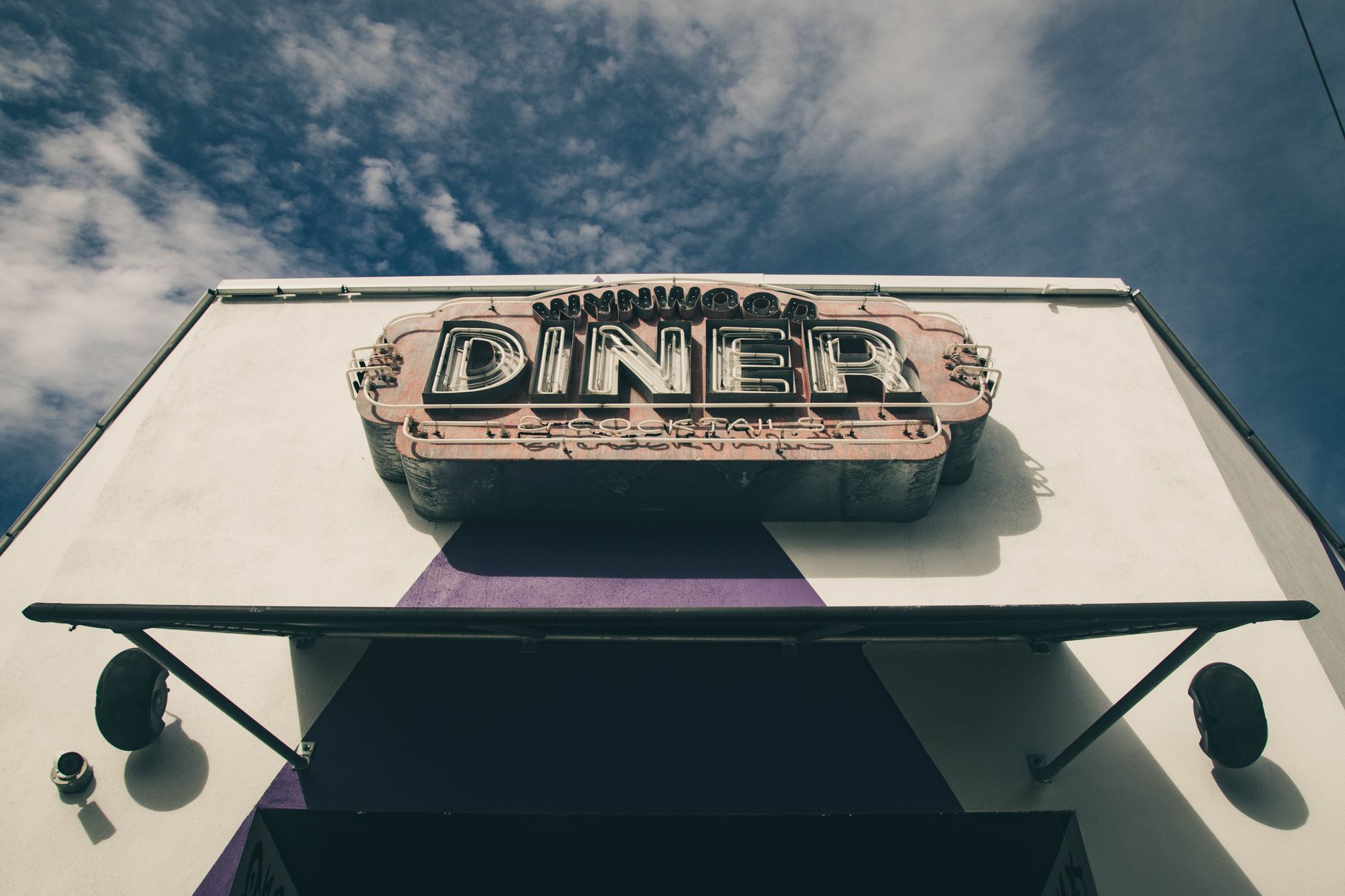
Rhode Island packs an outsized diner history into its small footprint, according to the Boston Globe’s rundown of the state’s classics. The Modern Diner in Pawtucket was the first diner in the country listed on the National Register of Historic Places, and it’s believed to be the only Sterling Streamliner model still in operation anywhere. The Seaplane Diner in Providence, built in 1950 by the O’Mahony company, is one of only about 2,000 that company ever made, and its original metal plaque still reads, In our line we lead the world.
Pennsylvania’s diner belt
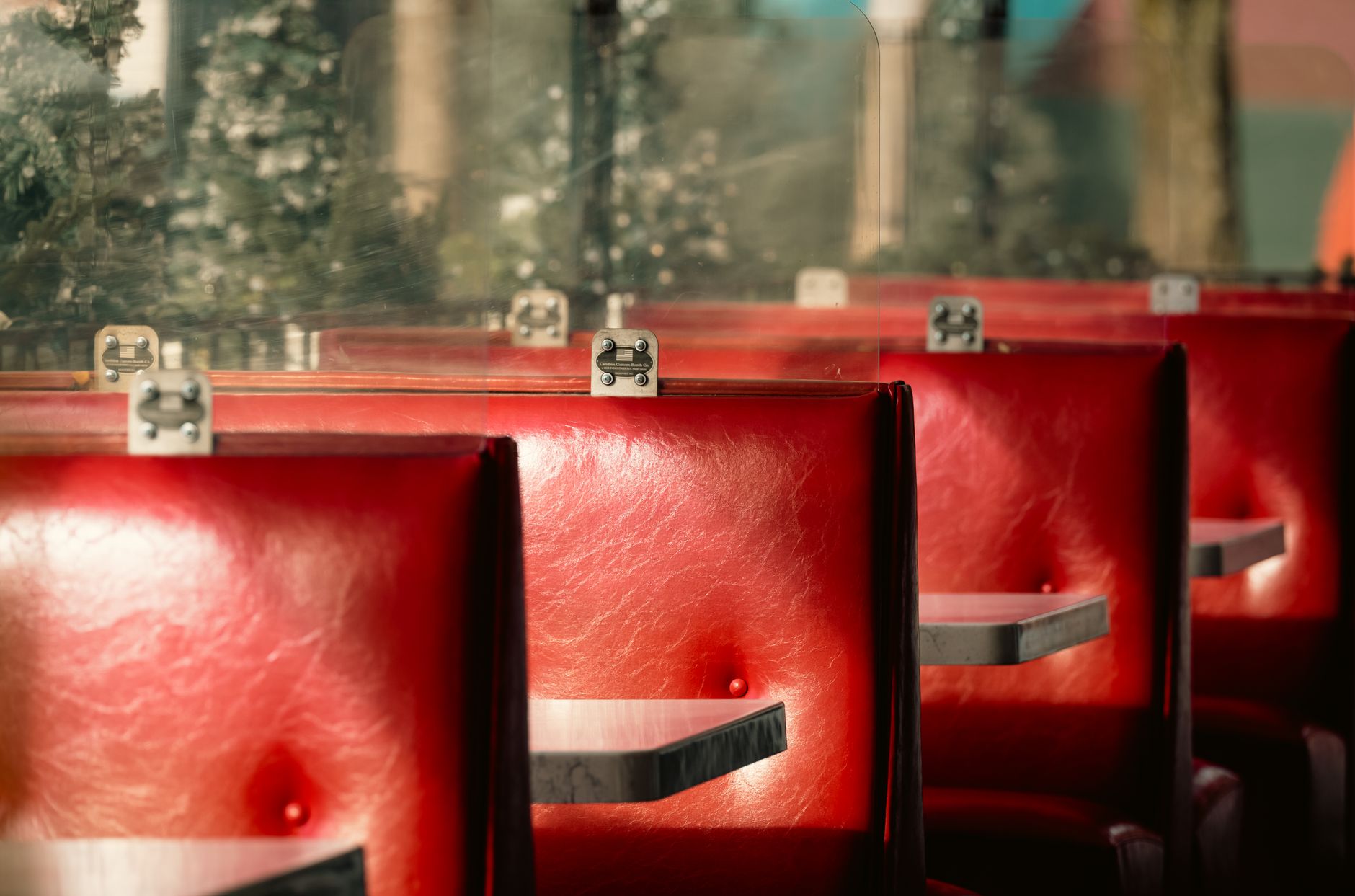
Pennsylvania has its own dense cluster, particularly around Scranton and Allentown. Chick’s Diner in Scranton has run 24/7 since 1946, and the Glider Diner nearby dates to 1945. In Gettysburg, a 32 Carlisle St. diner still runs around the clock, letting visitors grab a seat at the counter at any hour after touring the battlefield. Bob’s Diner in Philadelphia’s Roxborough neighborhood remains a neighborhood institution decades after opening.
Why these three states held on when others didn’t
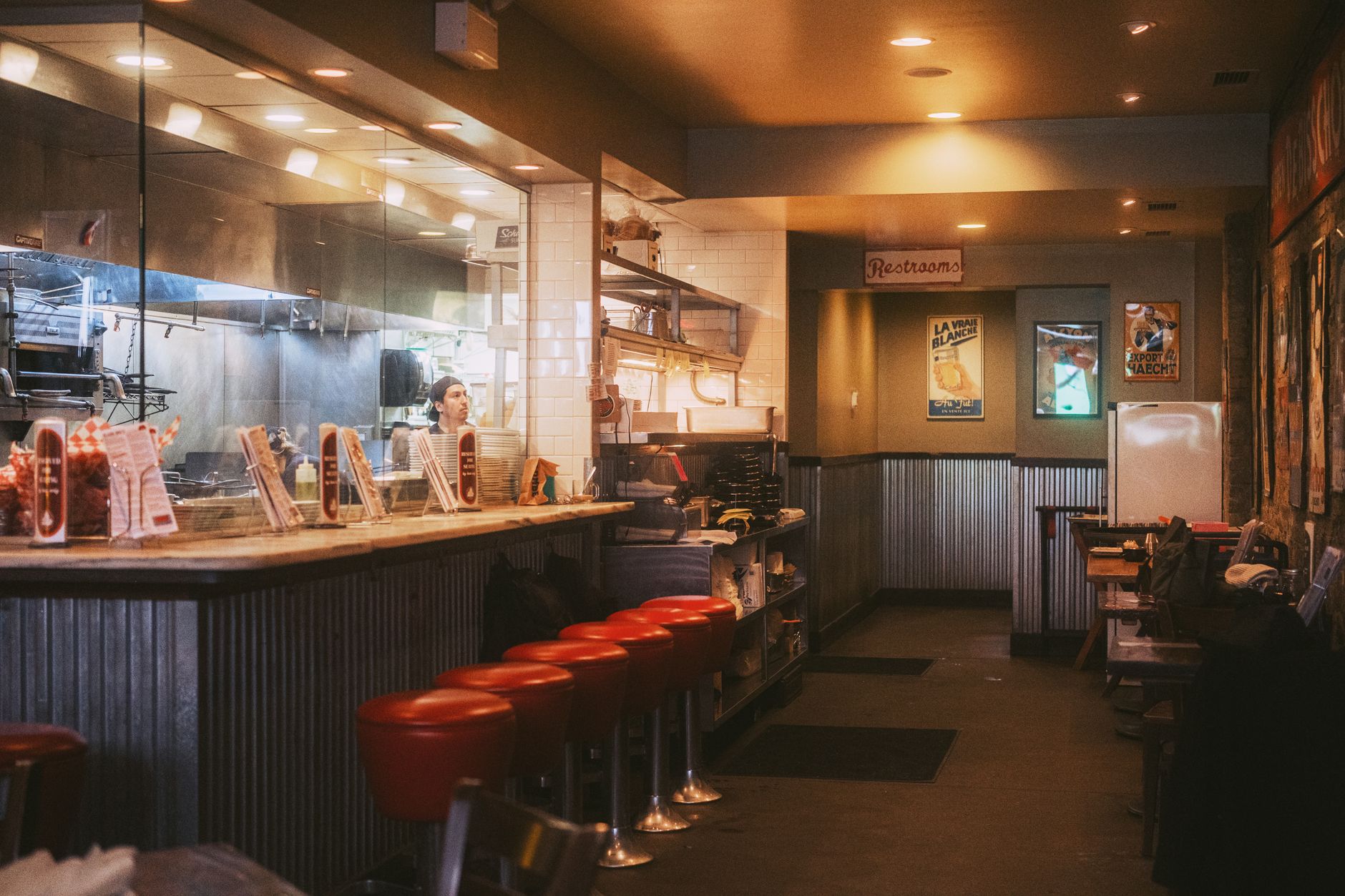
The answer is mostly geography and manufacturing history. New Jersey, Rhode Island, and Pennsylvania were home to the actual companies that built prefabricated diners and shipped them around the Northeast, which meant density stayed highest close to the factories. Many other states lost their diners to highway relocations, chain restaurant competition, or simple attrition as owners retired without successors.
- New Jersey has approximately 600 diners statewide, the most of any state in the country
- The Summit Diner in Summit, NJ, opened in 1928 and is the state’s oldest continuously operating diner
- The Modern Diner in Pawtucket, RI, is the only known Sterling Streamliner model still in operation
- Mustache Bill’s Diner in Barnegat Light, NJ, won a James Beard Foundation America’s Classic Award in 2009
For travelers chasing an actual mid-century diner experience rather than a themed replica, these three states remain the most reliable places to find one still running exactly as it did seventy years ago.
What makes a diner real versus a themed imitation
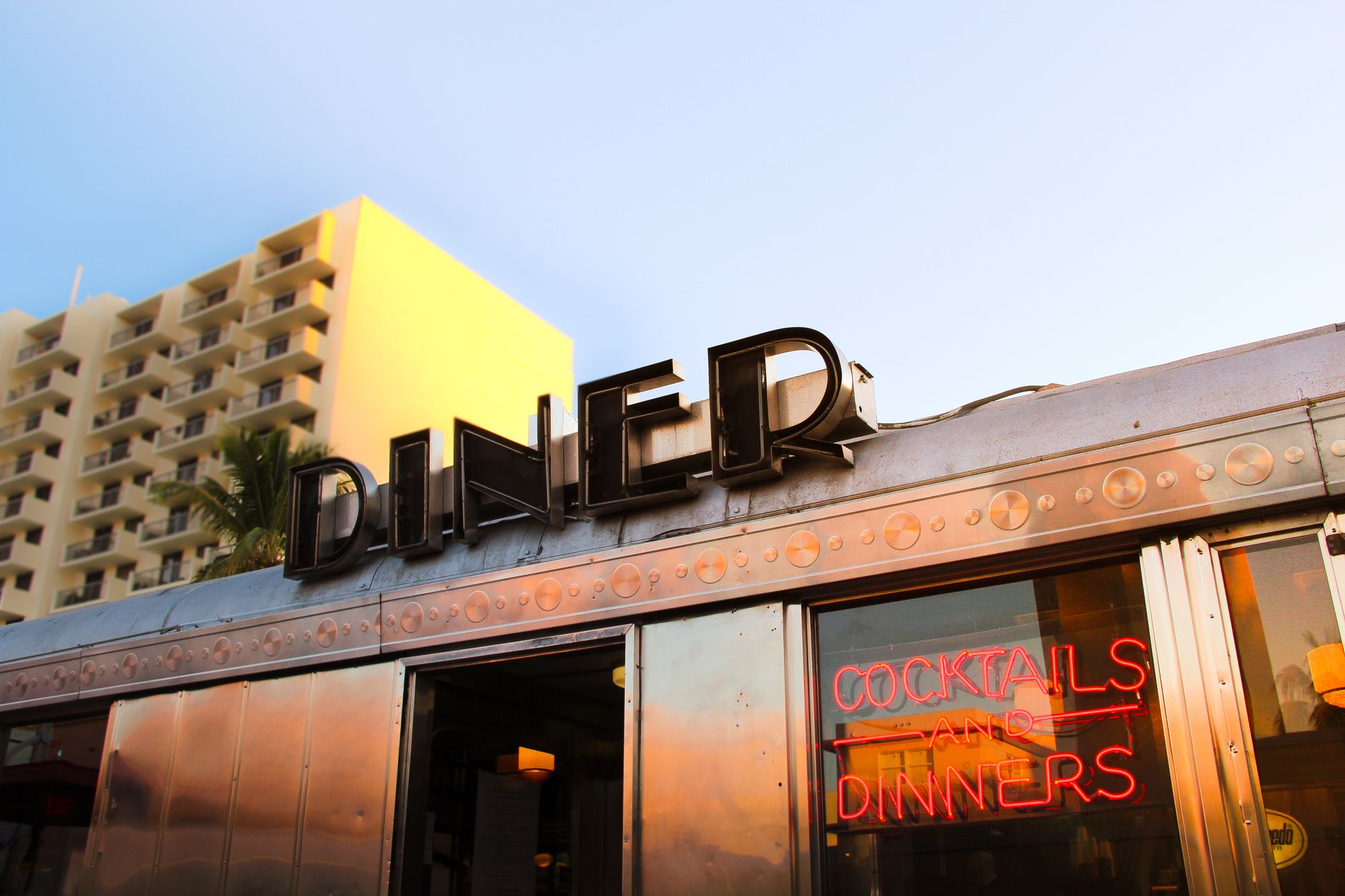
A genuine prefabricated diner is a distinct architectural category: a factory-built, modular structure trucked to its final location and assembled on site, typically featuring stainless steel or porcelain enamel exteriors, a long counter, and booth seating, built by companies like O’Mahony, Kullman, Silk City, or Fodero between roughly 1920 and 1980. Chain restaurants designed decades later to evoke a retro diner look, however well done, don’t carry the same construction history or often the same family ownership continuity that defines the originals still standing in New Jersey, Rhode Island, and Pennsylvania.
Many of the diners still operating today have changed names and owners multiple times while keeping the same physical structure, which historians like those cited in New Jersey Monthly’s coverage treat as part of the diner’s story rather than a break in authenticity, since the building itself, not necessarily the branding, is what carries the historical value.
Diners that didn’t survive, and why that matters
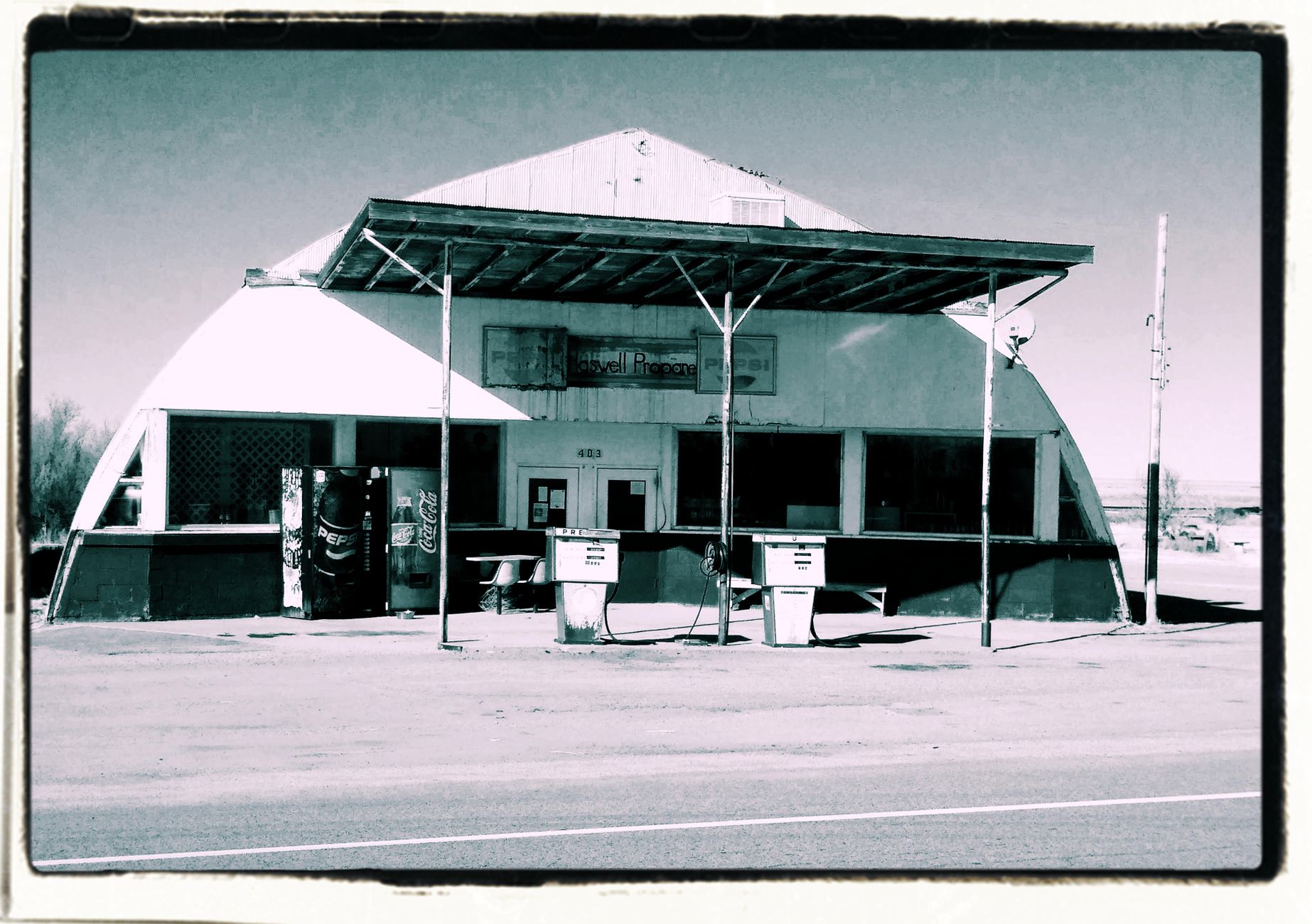
Not every classic diner made it. Rosie’s Farmland Diner in Little Ferry, New Jersey, famous for a 1970s Bounty paper towel commercial, closed for good in 1990 after its brief fame faded. Pal’s Diner in Mahwah, New Jersey closed but was fully relocated intact to Grand Rapids, Michigan, where it continues operating under new ownership, a reminder that these structures can sometimes be saved even when their original location can’t support them anymore.
Where to actually plan a diner trip
A dedicated diner tour works particularly well in New Jersey given the sheer density, with the Summit Diner, Tick Tock Diner in Clifton, and Mustache Bill’s in Barnegat Light all reachable within a single day’s driving loop. Rhode Island’s compact size makes a similar tour even easier, with the Modern Diner in Pawtucket and the Seaplane Diner in Providence just a short drive apart.
- Genuine prefabricated diners were factory-built and trucked to their final location, a distinct construction method from retro-themed chain restaurants
- Many surviving diners have changed names and owners repeatedly while retaining their original structure
- Pal’s Diner in Mahwah, NJ was relocated intact to Grand Rapids, Michigan rather than being demolished
- New Jersey and Rhode Island’s compact geography make single-day multi-diner road trips practical
These buildings represent a genuinely disappearing category of American architecture, and the three states that still have the highest concentration of them are worth visiting specifically for that reason, not just for the pancakes.
What’s threatening the survivors right now
Rising commercial real estate values in dense parts of New Jersey and Pennsylvania have made some diner properties more valuable as redevelopment sites than as operating restaurants, a pressure that’s already claimed some historic locations even as others get fully restored, like the Roadside Diner in Wall Township, which reopened under new ownership specifically committed to preserving its original Silk City structure. Rising labor and food costs have also squeezed margins at diners that still operate on the traditional round-the-clock, low-price model that defined the category for decades.
Preservation groups in both states have pushed for historic designation status for surviving diners, following the model that helped save the Modern Diner in Pawtucket, though funding and interest remain inconsistent from one town to the next.