The New Mexico Towns That Feel Like Crossing an International Border
We may earn money or products from the companies mentioned in this post. This means if you click on the link and purchase the item, I will receive a small commission at no extra cost to you ... you're just helping re-supply our family's travel fund.
Northern New Mexico doesn’t feel like the rest of the American Southwest, and that’s not an accident of geography. It’s centuries of layered culture that never got flattened into a single American aesthetic.
Taos: adobe, art, and a mountain backdrop
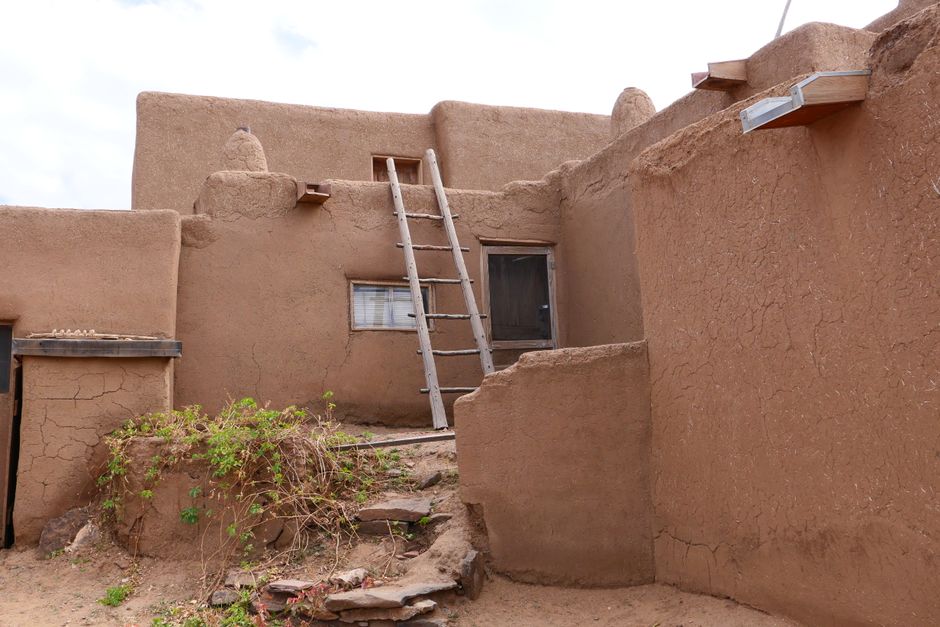
Taos built its identity around the Taos Pueblo, a UNESCO World Heritage site that’s been continuously inhabited for over 1,000 years, alongside an early 20th-century art colony that drew painters like Georgia O’Keeffe to the region’s light and landscape. Today Taos Ski Valley pulls winter visitors while the town itself runs on a mix of Native, Hispanic, and Anglo cultural traditions that show up everywhere from architecture to food, including local institutions like Mantes Chow Cart, a roadside stand that’s been serving the north side of town since long before Taos became an aesthetic reference point on social media.
Santa Fe: the oldest capital city in the country
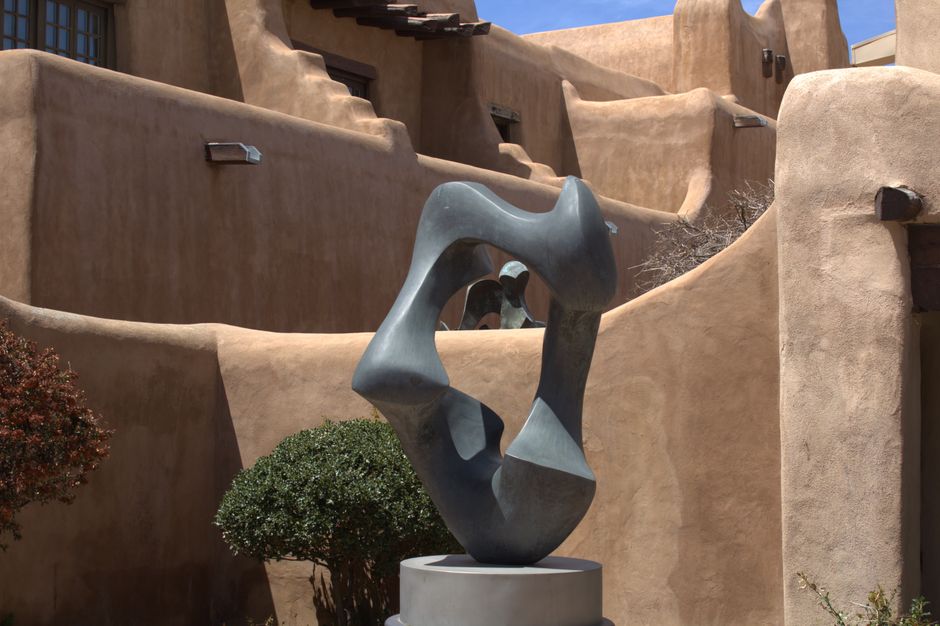
Santa Fe, founded in 1610, is the oldest state capital in the United States and leans heavily into that history through its Pueblo Revival architecture code, which requires new buildings downtown to match the adobe aesthetic. The city’s food scene blends Northern New Mexican traditions, red and green chile, sopapillas, carne adovada, with a high concentration of galleries along Canyon Road that rivals cities many times its size.
Silver City: the artist town in the Gila
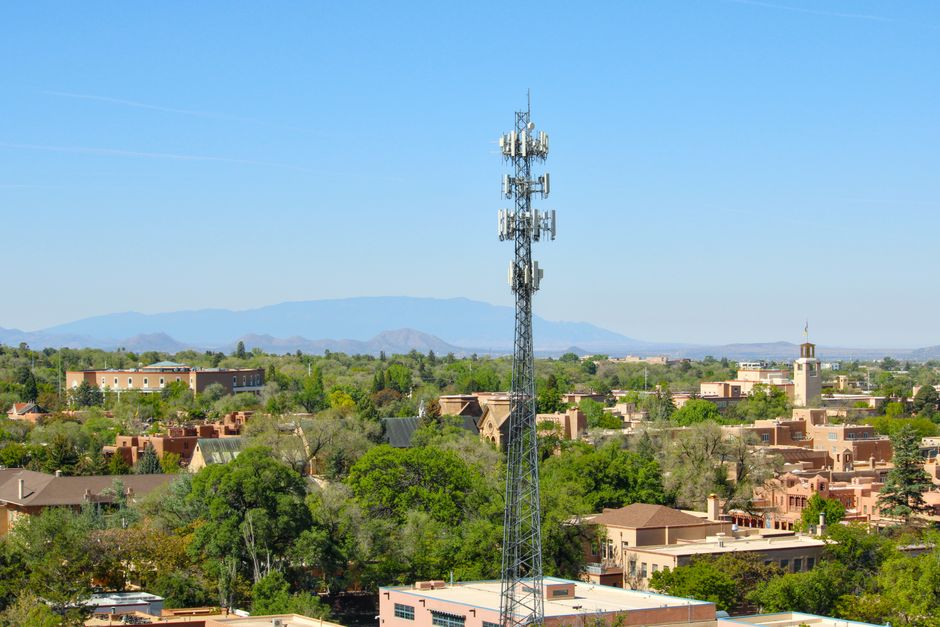
Silver City sits at the edge of the Gila National Forest, the country’s first designated wilderness area, and has built a smaller but genuine reputation as an arts town without Santa Fe’s price tag or crowds. Its downtown mixes Victorian-era brick buildings with a college-town energy from nearby Western New Mexico University.
Truth or Consequences: the town that renamed itself for a radio show
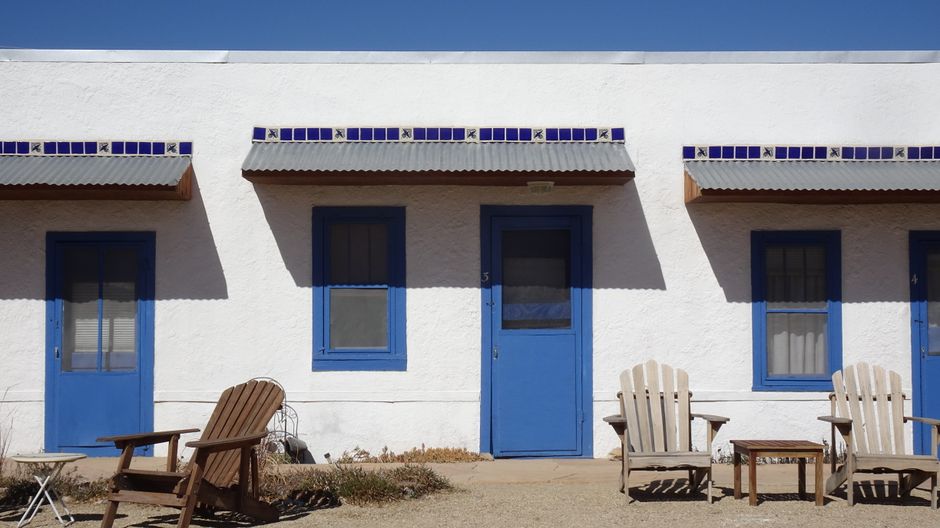
Truth or Consequences, originally called Hot Springs, renamed itself in 1950 to win a publicity contest tied to the radio show of the same name and never changed it back. The town’s real draw is its mineral hot springs, with multiple bathhouses built directly over natural geothermal water, drawing a growing crowd of travelers looking for a slower, weirder alternative to Santa Fe.
What makes the region feel foreign in the best way
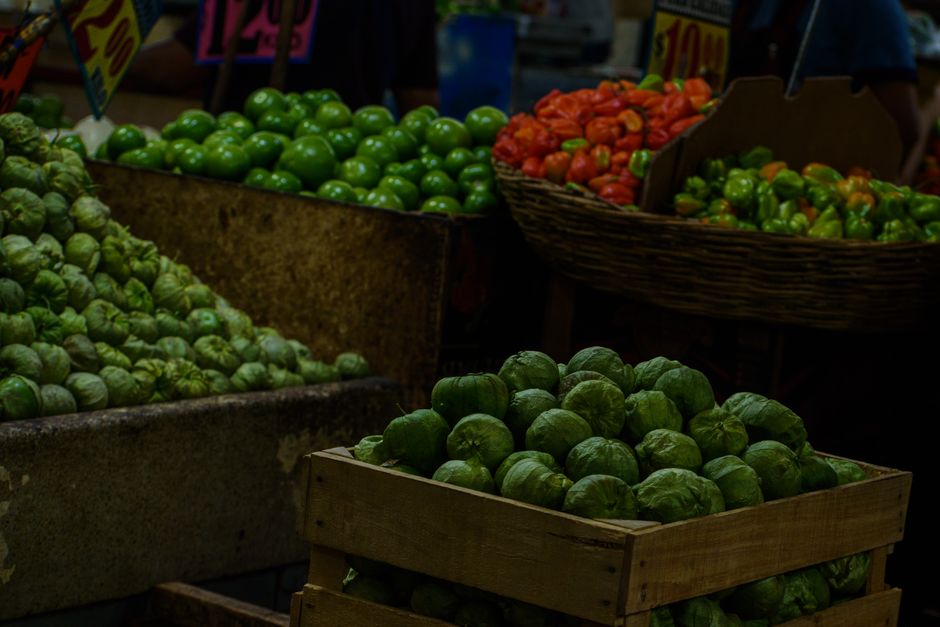
The combination of Indigenous Pueblo culture, centuries-old Hispanic settlement, and high desert geography gives northern and southern New Mexico a texture that doesn’t exist anywhere else in the country. Even the food carries its own rules: ordering chile in New Mexico means choosing red or green, or both, known locally as Christmas.
- Taos Pueblo has been continuously inhabited for over 1,000 years and holds UNESCO World Heritage status
- Santa Fe, founded in 1610, is the oldest capital city in the United States
- Silver City sits at the edge of the Gila National Forest, the nation’s first designated wilderness area
- Truth or Consequences renamed itself in 1950 after a radio game show and kept the name permanently
None of these towns are trying to look like anywhere else in America. That’s precisely why they keep pulling in travelers who’ve already seen the rest of the Southwest and want something that doesn’t feel recycled.
The art and craft traditions that set the region apart
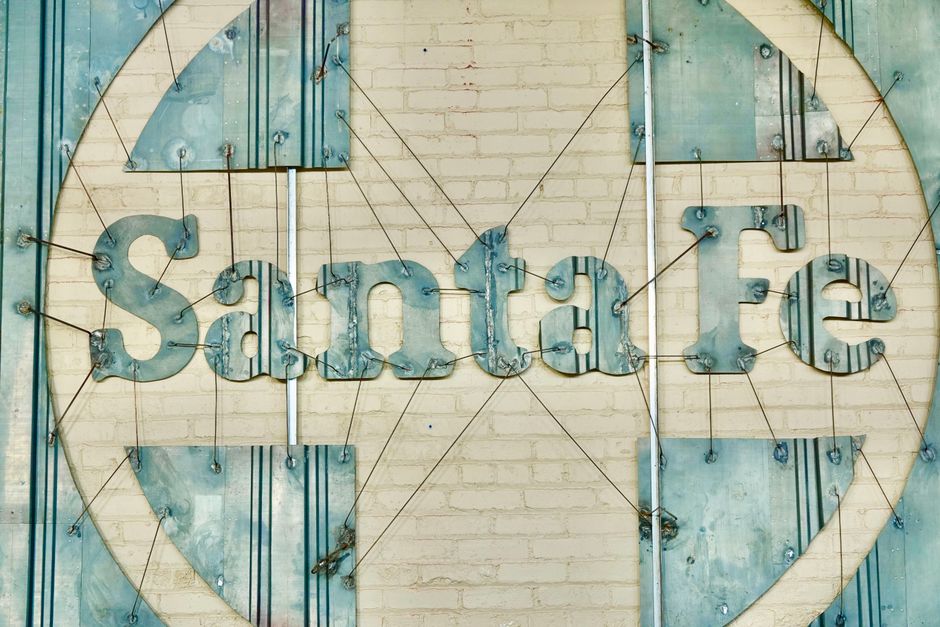
Canyon Road in Santa Fe holds one of the highest concentrations of art galleries per capita of any street in the country, a legacy that traces back to early 20th-century painters and continues today through Native American jewelry, pottery, and weaving traditions sold directly by artists at the Palace of the Governors portal downtown, where Native vendors have sold handmade work under a strict authenticity code for decades.
Taos carries its own distinct craft economy tied directly to Taos Pueblo, where residents still produce traditional pottery and micaceous clay cookware using techniques passed down within specific families for generations. The Taos art colony that formed in the early 1900s, drawing painters like Ernest Blumenschein and later Georgia O’Keeffe to the region’s high desert light, still shapes the town’s identity as a serious art destination rather than a purely commercial one.
Food that doesn’t taste like anywhere else
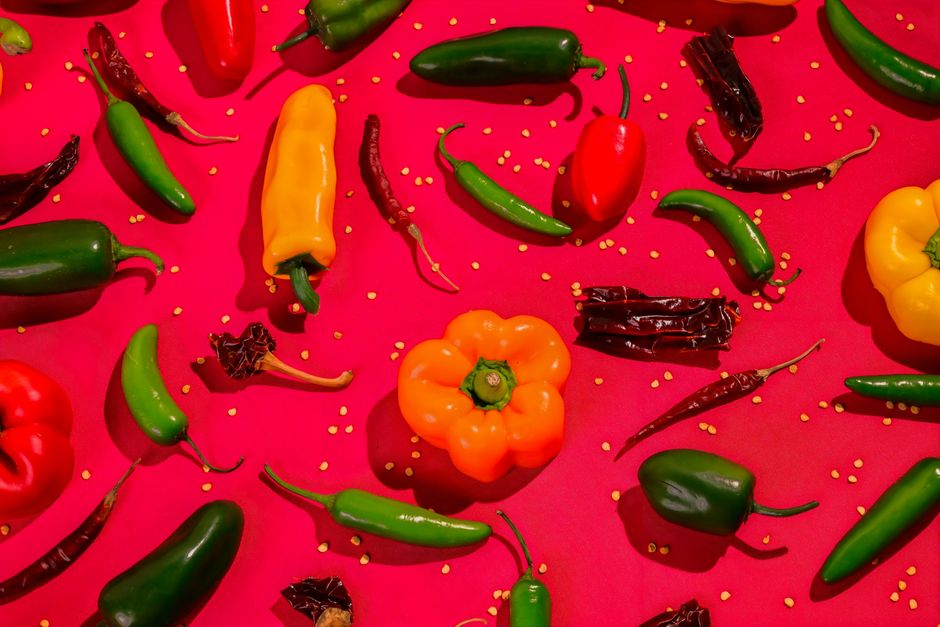
New Mexican cuisine is legally distinct enough from Tex-Mex or Mexican food that the state passed an official state question in 1996 designating the chile pepper the state vegetable, and locals take the red-versus-green chile distinction seriously enough that ordering both together, known as Christmas, is treated as a genuine culinary choice rather than indecision. Hatch green chile, grown primarily in the Hatch Valley in southern New Mexico, has its own late-summer roasting season that draws visitors specifically timed around the harvest.
Why Silver City and Truth or Consequences matter to this story
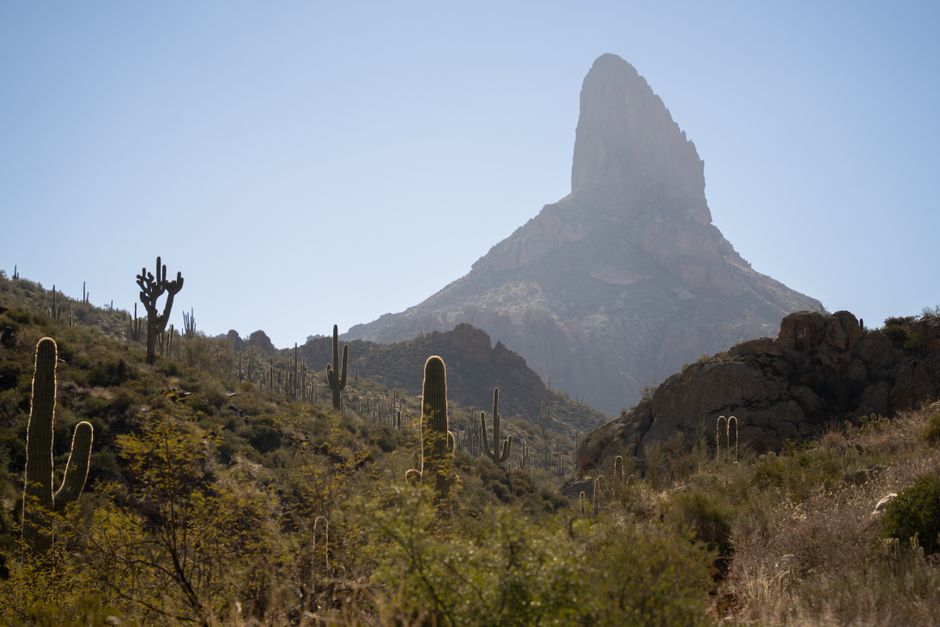
Both towns offer a quieter, more affordable alternative to the increasingly expensive Santa Fe and Taos corridor. Silver City’s downtown arts district has grown around Western New Mexico University without pricing out the town’s working-class base the way Santa Fe’s tourism economy has for many longtime residents. Truth or Consequences remains one of the few places in the country where a soak in a historic bathhouse still costs under $20, a price point that’s become rare in comparable hot springs destinations out West.
- Canyon Road in Santa Fe holds one of the highest concentrations of art galleries per capita in the country
- New Mexico designated the chile pepper its official state vegetable in 1996
- Hatch green chile’s harvest season draws dedicated visitors to southern New Mexico each late summer
- Truth or Consequences offers historic mineral hot springs bathhouse soaks typically under $20
The cultural depth across these four towns comes from centuries of overlapping Indigenous, Spanish colonial, and Anglo settlement history that never fully merged into a single flattened identity, which is exactly why the region still feels distinct from the rest of the American Southwest.
How to sequence a trip through all four
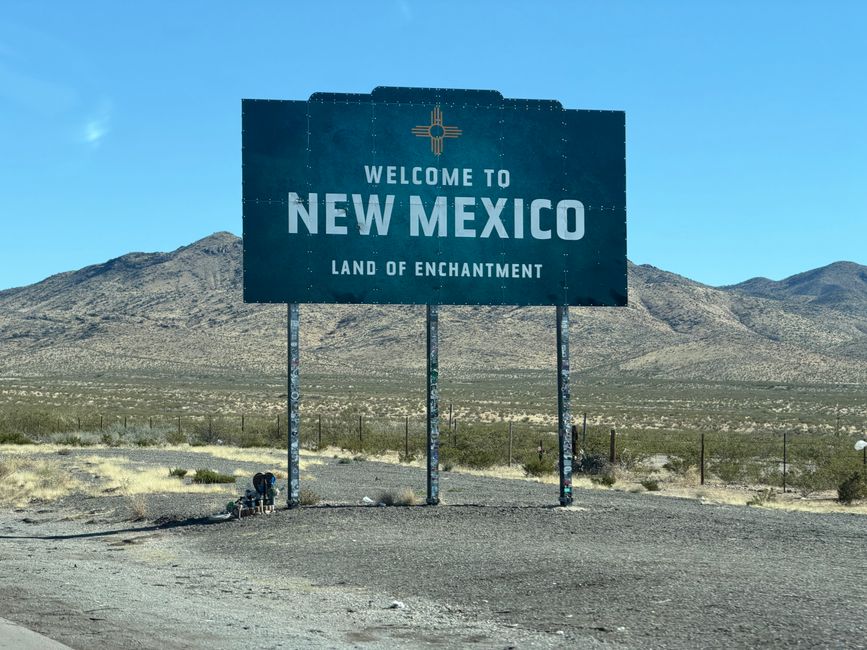
Santa Fe and Taos sit close enough together, about an hour and a half apart via the scenic High Road through small mountain villages like Chimayo, that they work naturally as a single trip. Silver City and Truth or Consequences sit much further south, closer to the Arizona border, and pair better together as a separate, quieter southern New Mexico loop centered on the Gila Wilderness and the Rio Grande hot springs corridor.
Trying to combine all four into a single trip generally means at least six hours of driving between the northern and southern clusters, so most repeat visitors treat New Mexico as a place worth returning to more than once rather than a single box to check off a broader Southwest itinerary.