The Specific Reasons People Are Leaving San Diego Even Though It Looks Perfect
We may earn money or products from the companies mentioned in this post. This means if you click on the link and purchase the item, I will receive a small commission at no extra cost to you ... you're just helping re-supply our family's travel fund.
San Diego has the weather, the beaches, and the reputation. It also has a cost of living that’s steadily pushing longtime residents out, and the data backs up what people are actually saying on their way out the door.
The rent number that changes everything

Average rent in San Diego sat around $3,100 a month as of mid-2025, roughly 45 to 48 percent above the national average of about $2,100, according to data compiled by Good Life Property Management. A one-bedroom apartment alone runs close to $3,000 a month, per Best Fit Movers’ 2025 cost breakdown, which also estimates a single person needs somewhere between $85,000 and $100,000 a year to live comfortably, not extravagantly, in the city.
San Diego County’s own government has acknowledged the scale of the problem: a countywide analysis found a shortfall of more than 134,537 affordable rental homes needed to meet demand from low-income renters, according to the Equitable Land Use Alliance’s April 2025 analysis of the crisis.
It’s not just housing

A widely circulated county issues barometer, compiled by CERC, found that despite the city’s famous weather, cost of living and political frustration were driving roughly 200,000 people out of San Diego County over a multi-year period. Traffic on the I-5 and I-805 corridors has worsened as the region’s population has grown without matching infrastructure investment, and specific neighborhoods like Pacific Beach and North Park have seen rent increases that outpaced wage growth for the service and hospitality workers who staff much of the local economy.
Where people who leave actually go
Many former San Diego residents relocate to the Inland Empire, Arizona, or out of state entirely to places like Texas, chasing lower housing costs even at the expense of the coastline and climate that drew them to San Diego originally. Remote work flexibility has made that trade-off easier to justify for people who no longer need to commute into the city daily.
Why the reputation persists anyway

San Diego’s climate is genuinely rare, and its beaches, breweries, and Balboa Park culture remain real draws that keep tourism strong even as residents leave. The gap between visiting and living there has simply widened to a point where it’s now a distinct topic of local conversation rather than a side note.
- Average San Diego rent runs 45 to 48 percent above the national average
- A single adult needs an estimated $85,000 to $100,000 a year to live comfortably
- The county faces a shortfall of more than 134,537 affordable rental homes for low-income renters
- Cost of living and political frustration have been cited as top reasons for an estimated 200,000 residents leaving the county
The postcard version of San Diego is still accurate. It’s just increasingly a postcard for visitors, not a sustainable plan for everyone who wants to stay.
The neighborhoods absorbing the most pressure
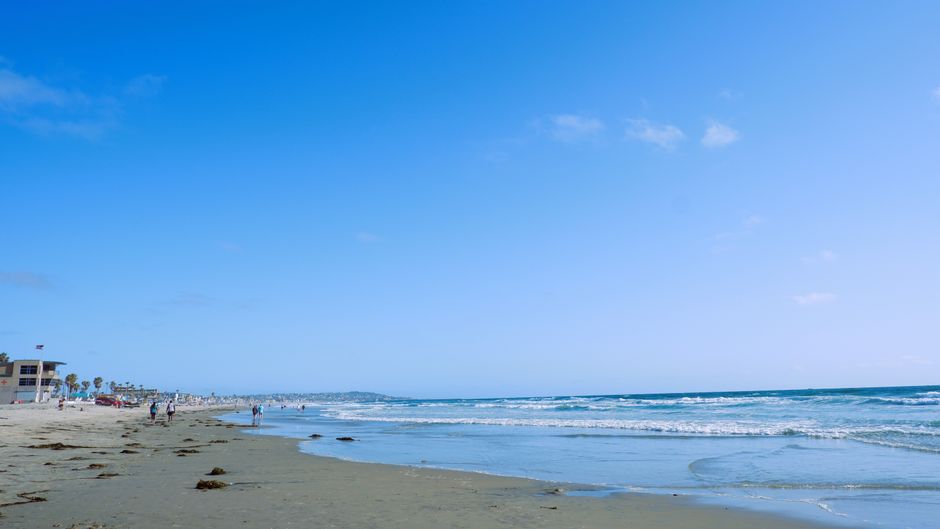
Pacific Beach has become a flashpoint specifically because its dense mix of short-term rentals, college housing tied to nearby UC San Diego and Pacific Beach’s proximity to Mission Bay, and long-term rental units has driven rents up faster than most other coastal neighborhoods. North Park, once a genuinely affordable arts district, has undergone rapid gentrification over the past decade, with craft breweries and renovated bungalows replacing what used to be some of the city’s more attainable housing stock.
South Bay communities like Chula Vista have absorbed much of the overflow from people priced out of coastal neighborhoods, extending commute times significantly for anyone working downtown or near the coast. That commute burden compounds the cost problem, since gas and vehicle wear add real expense on top of already elevated rent.
The military and biotech complication
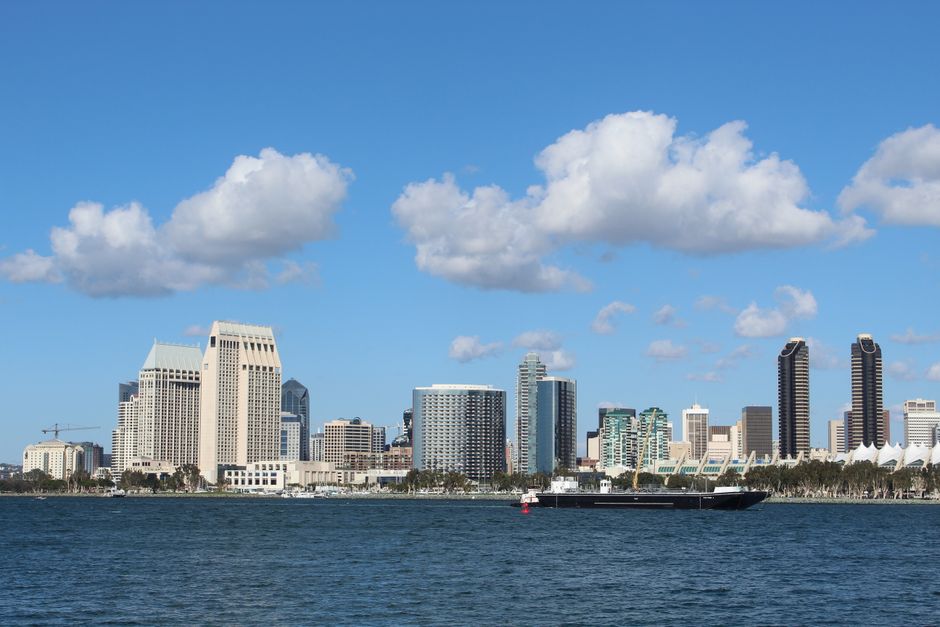
San Diego’s economy runs heavily on defense contracting tied to its naval installations and a growing biotech sector clustered around Torrey Pines and UC San Diego. Both industries pay well above local service-sector wages, which keeps aggregate income figures for the region looking healthy even as affordability for middle and lower-income residents deteriorates, a gap that shows up clearly in cost-of-living studies but gets obscured in citywide averages.
Why people still move there despite all of this

San Diego’s climate remains genuinely unusual, with mild temperatures year-round and minimal rainfall that few other American coastal cities can match. That alone continues to draw new residents willing to accept the cost tradeoff, particularly retirees and remote workers who no longer need to weigh commute distance to a specific downtown office as heavily as previous generations of movers did.
- Pacific Beach and North Park have seen some of the steepest rent increases among San Diego neighborhoods
- South Bay communities like Chula Vista have absorbed overflow demand, extending commute times significantly
- Defense contracting and biotech jobs pay well above local service-sector wages, widening the local income gap
- San Diego’s climate remains a primary draw for new residents despite the affordability challenges
The city isn’t losing its appeal. It’s losing the residents who can no longer justify staying for that appeal once the actual monthly numbers are on the table.
Where San Diego fits among other expensive coastal cities

San Diego’s cost of living, while high, still trails Los Angeles and San Francisco on most rent and housing comparisons, which has historically made it a relative bargain for Californians seeking coastal living without the Bay Area’s price tag. That positioning is eroding, however, as San Diego’s rent growth in recent years has outpaced both cities on a percentage basis, narrowing what was once a meaningful cost advantage.
For visitors, none of this changes the experience of a week in San Diego, the beaches, the craft beer scene, and Balboa Park remain as strong a draw as ever. The affordability conversation is almost entirely a resident’s problem, which is exactly why it rarely shows up in the city’s own tourism marketing.
That disconnect between the visitor experience and the resident experience is precisely what makes San Diego such a useful case study for anyone considering relocating somewhere purely because it was a great place to vacation. A week in paradise and a decade of paying San Diego rent are, for a growing number of former residents, simply two different calculations entirely.