What Happened to the Carolina Coast After Everyone Found Out About It
We may earn money or products from the companies mentioned in this post. This means if you click on the link and purchase the item, I will receive a small commission at no extra cost to you ... you're just helping re-supply our family's travel fund.
The Carolina coast got discovered, and the discovery has a price tag attached that shows up on every real estate listing from Corolla to Charleston.
Outer Banks: a housing crisis built on tourism itself
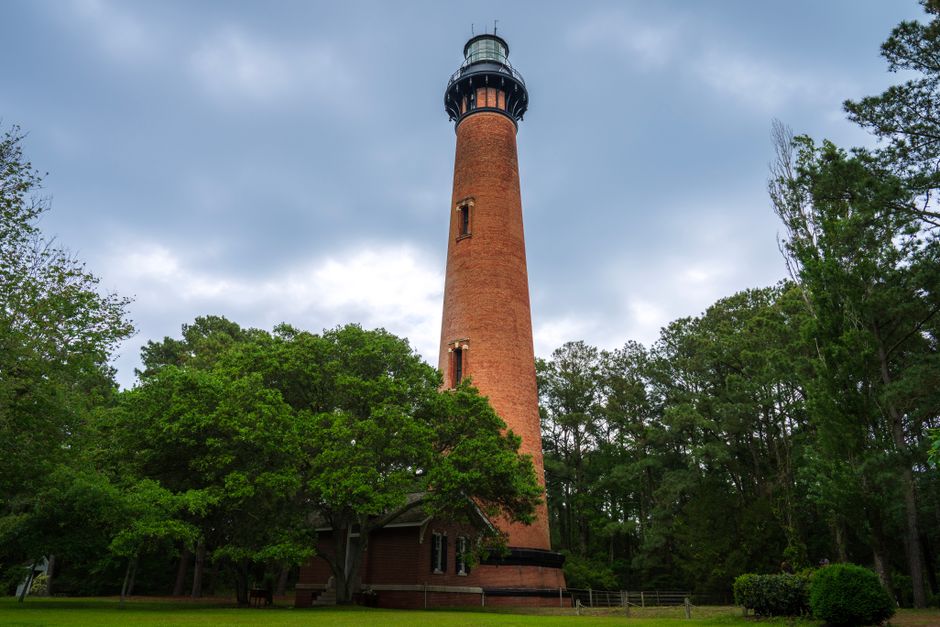
The Outer Banks Voice and HERE Outer Banks have both extensively covered what local outlets now call a workforce housing crisis in Dare County, where the same vacation rental demand that fuels the tourism economy has made it nearly impossible for the workers who staff those rentals to live nearby. A 2025 workforce housing survey targeted Dare County residents and employers specifically because seasonal workers increasingly can’t find housing within a reasonable commute of the barrier islands where they work.
Triple Pundit’s March 2025 reporting found Outer Banks businesses investing directly in employee housing themselves, building or leasing units for staff because the open market simply doesn’t have affordable inventory left. At the same time, Tourism Economics forecasts for the region show visitor spending remaining a central pillar of the local economy even as 2025 saw some softening tied to broader economic uncertainty, according to KPAX’s coverage of the season.
Wilmington: the mainland spillover
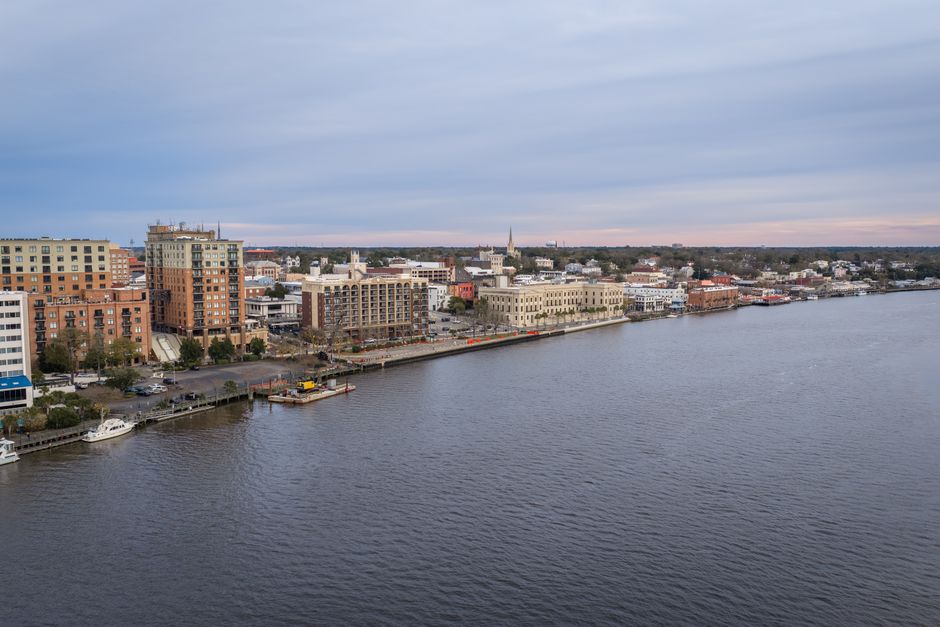
Wilmington’s 2025 housing market, tracked by WSOC-TV, has absorbed much of the overflow from coastal demand along Wrightsville Beach and Carolina Beach, both a short drive from downtown. Wilmington offers a more urban alternative with its historic riverfront and film production history, but it hasn’t escaped the same pricing pressure reshaping the immediate coastline.
Charleston’s parallel story
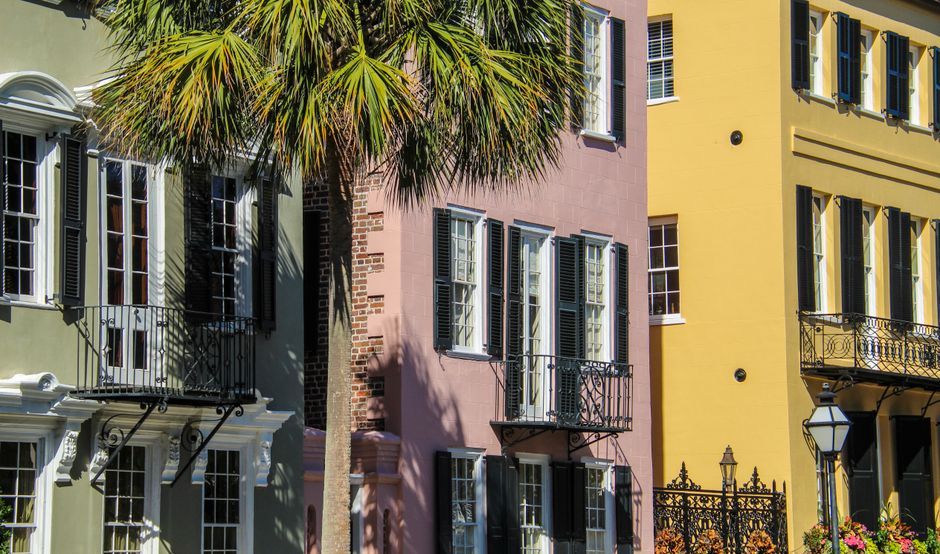
Charleston, South Carolina faces its own version of the same dynamic, with its historic peninsula largely converted to tourism-oriented business, from carriage tours to boutique hotels, while residential affordability has pushed much of the local workforce out to North Charleston, Summerville, and beyond.
What travelers notice that locals live with
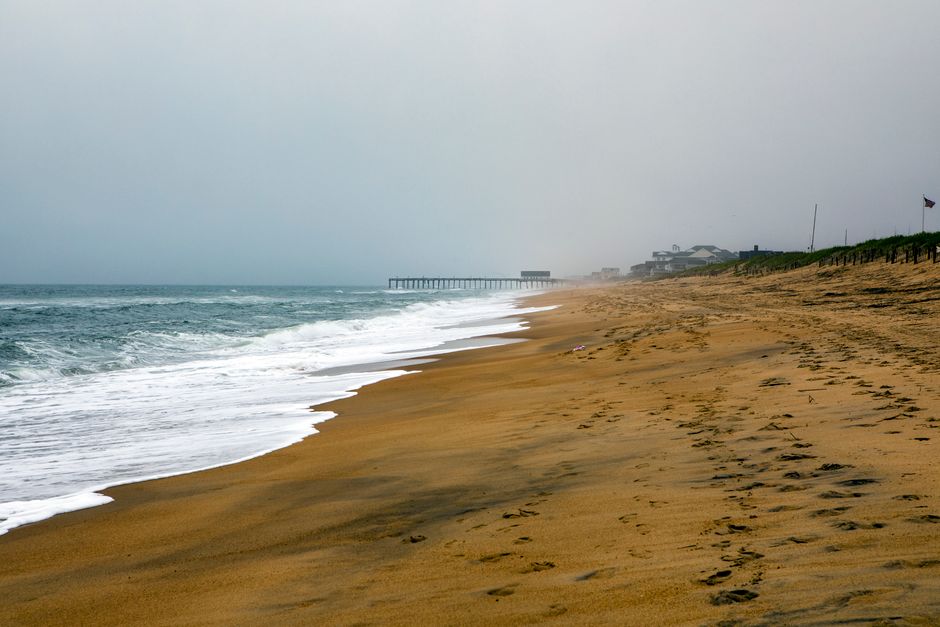
Visitors experience the Carolina coast as beach houses, seafood shacks, and lighthouse tours. Locals experience it as a housing market where a teacher or restaurant manager increasingly cannot afford to live in the town where they work, a gap that’s widened noticeably over the past five years.
- Dare County has commissioned specific workforce housing surveys to address staff shortages tied to housing costs
- Outer Banks businesses have begun directly building or leasing employee housing to retain workers
- Wilmington’s housing market has absorbed significant overflow demand from coastal areas
- Charleston’s historic peninsula has shifted heavily toward tourism-oriented commercial use
The coastline itself hasn’t changed. Who can afford to live along it has changed dramatically, and that shift is now the actual story behind the postcard.
How the pressure builds differently in each place
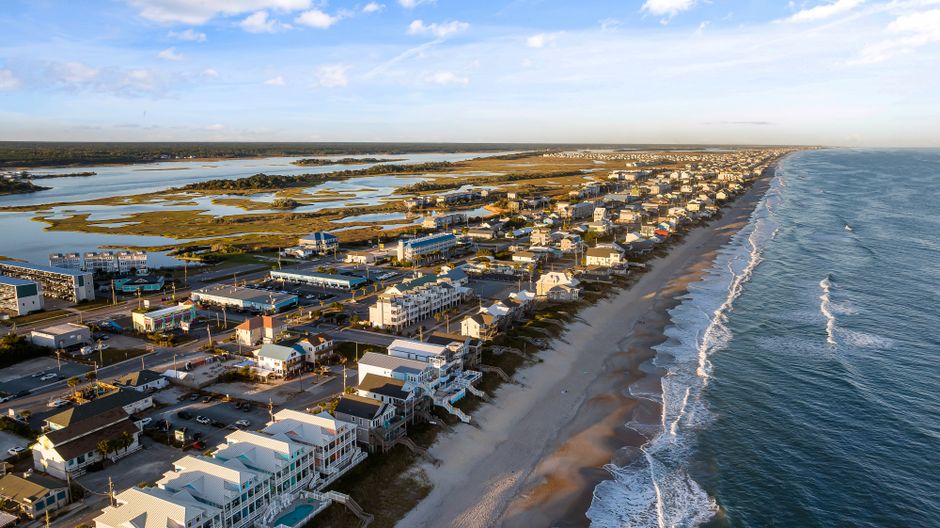
On the Outer Banks, the pressure is concentrated almost entirely in a narrow strip of barrier islands with genuinely finite buildable land, which means every new short-term rental directly displaces potential long-term housing rather than simply adding to overall supply. That scarcity is structural in a way it isn’t in Wilmington or Charleston, both of which have room to expand inland even if that expansion changes the character of surrounding areas.
Wilmington’s advantage is also its challenge: because it can grow inland along the Cape Fear River, it’s absorbed much of the coastal region’s population pressure, but that’s pushed its own housing costs up substantially over the past five years as buyers who can’t afford Wrightsville Beach or Figure Eight Island look to the mainland instead.
Charleston’s tourism-first peninsula
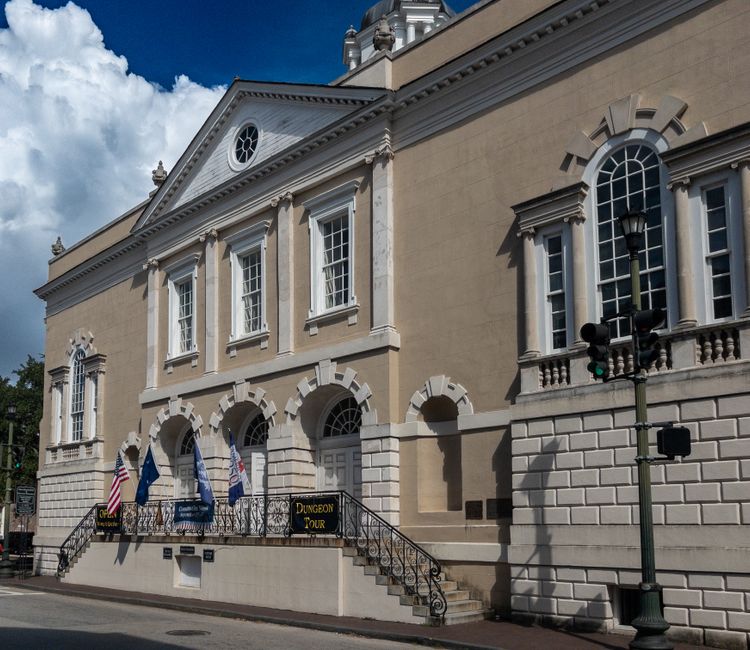
Charleston’s historic peninsula, roughly four square miles bounded by the Ashley and Cooper rivers, has converted so much of its residential housing stock to short-term rentals and boutique hospitality use that the city has periodically debated formal caps on new rental licenses. Longtime Charleston families have increasingly relocated to Mount Pleasant, James Island, or across the harbor to Sullivan’s Island, mirroring the same displacement pattern seen on the Outer Banks, just spread across a wider metro area instead of a narrow barrier island chain.
What’s actually sustaining the tourism boom
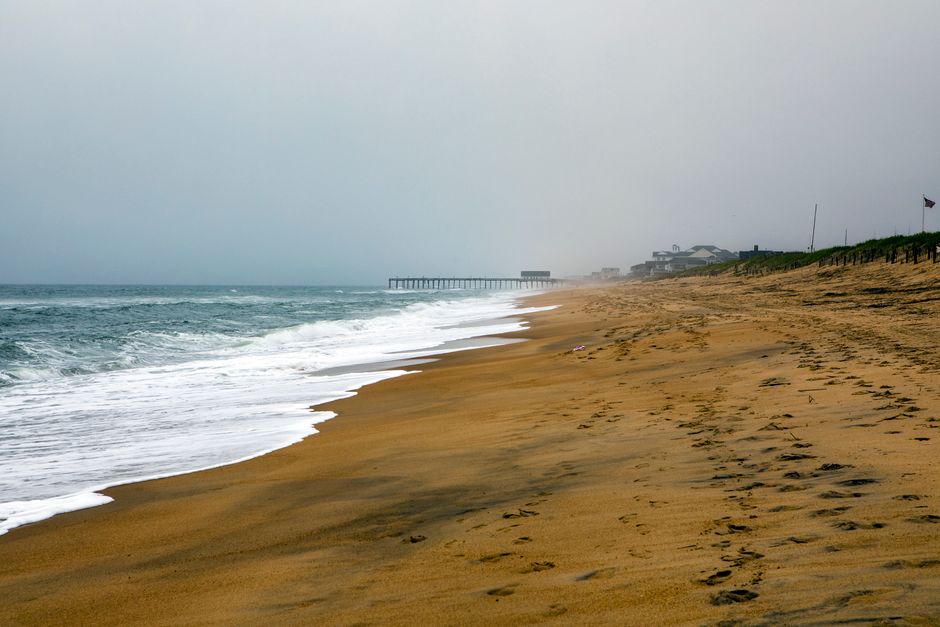
None of this housing pressure has meaningfully reduced visitor demand. The Outer Banks, Wilmington’s beaches, and Charleston’s historic district all continue to draw millions of visitors annually, drawn by the same lighthouses, seafood, and Southern coastal charm that built each destination’s reputation in the first place. Tourism Economics forecasts reviewed by regional outlets suggest visitor spending will remain a dominant share of local GDP across all three areas for the foreseeable future, housing crisis or not.
- The Outer Banks’ barrier island geography means limited buildable land, intensifying the housing-versus-rental conflict
- Wilmington has absorbed coastal overflow demand, raising its own housing costs substantially over five years
- Charleston’s historic peninsula has periodically debated caps on new short-term rental licenses
- Displaced residents across all three areas have relocated to nearby mainland or inland communities
The Carolina coast is not becoming less popular. It’s becoming a place fewer of its own workers can actually afford to call home, a distinction that matters enormously to the people living through it and barely registers for the millions who visit each summer.
What travelers can do differently
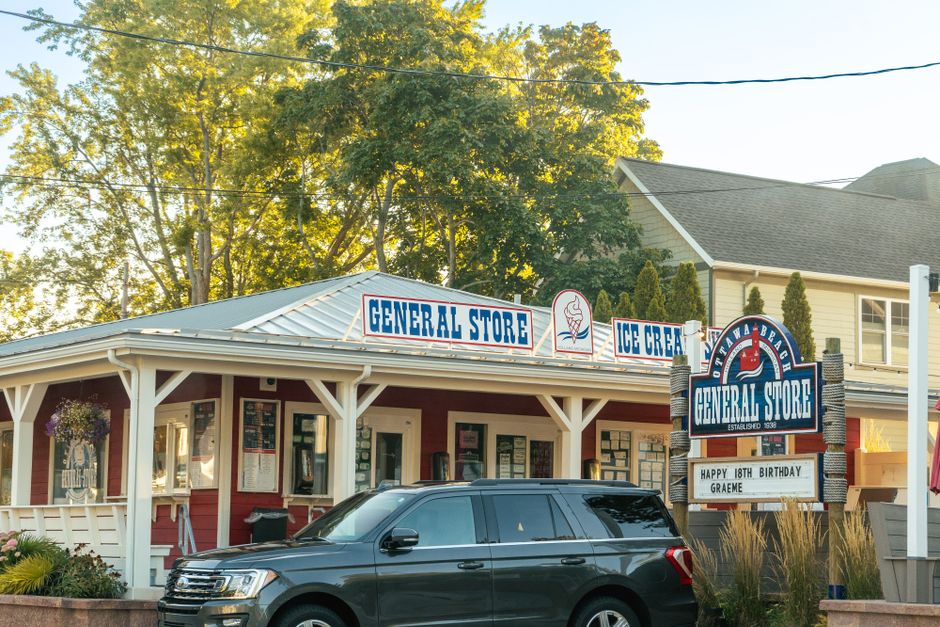
Choosing locally owned restaurants and outfitters over large rental management companies puts more of a visitor’s spending directly into the pockets of year-round residents rather than absentee property owners, a distinction that matters more on the Outer Banks than in most coastal destinations given how concentrated the local economy is around tourism dollars. Traveling during shoulder season, April through May or September through October, also reduces pressure on the seasonal workforce during the periods when staffing shortages tend to be most acute.
None of these choices reverse the underlying housing dynamics reshaping the Carolina coast, but they do shift a visitor’s economic footprint toward the community actually absorbing the pressure rather than away from it.
The lighthouses, the seafood shacks, and the barrier island beaches that made the Outer Banks, Wilmington, and Charleston famous in the first place are all still there and still worth the trip. What’s changed is who’s able to build a life around keeping them running for the next visitor, and that shift is now as much a part of the region’s current story as the coastline itself.