Airport Lounges in 2026 Are So Crowded That People Are Questioning Whether Priority Pass Is Still Worth Paying For
We may earn money or products from the companies mentioned in this post. This means if you click on the link and purchase the item, I will receive a small commission at no extra cost to you ... you're just helping re-supply our family's travel fund.
Somewhere around 2019, travel credit cards made a collective decision that airport lounge access was the benefit that would close sales. Chase launched the Sapphire Lounge network. Capital One opened its own branded lounges. American Express expanded Centurion access. Every card in the $250 to $695 annual fee tier started offering Priority Pass Select memberships as a standard benefit.
The problem with this strategy: airport lounge capacity didn’t expand at anything close to the rate that lounge access was being distributed. The result was predictable in retrospect and genuinely surprising to everyone who walked into a packed Priority Pass lounge in 2023 and has been walking into packed Priority Pass lounges ever since.
In 2026, the airport lounge situation is complex enough that the simple question — “should I get a card with lounge access?” — requires a much more nuanced answer than it did five years ago.
How Airport Lounges Went From Exclusive to Uncomfortably Full
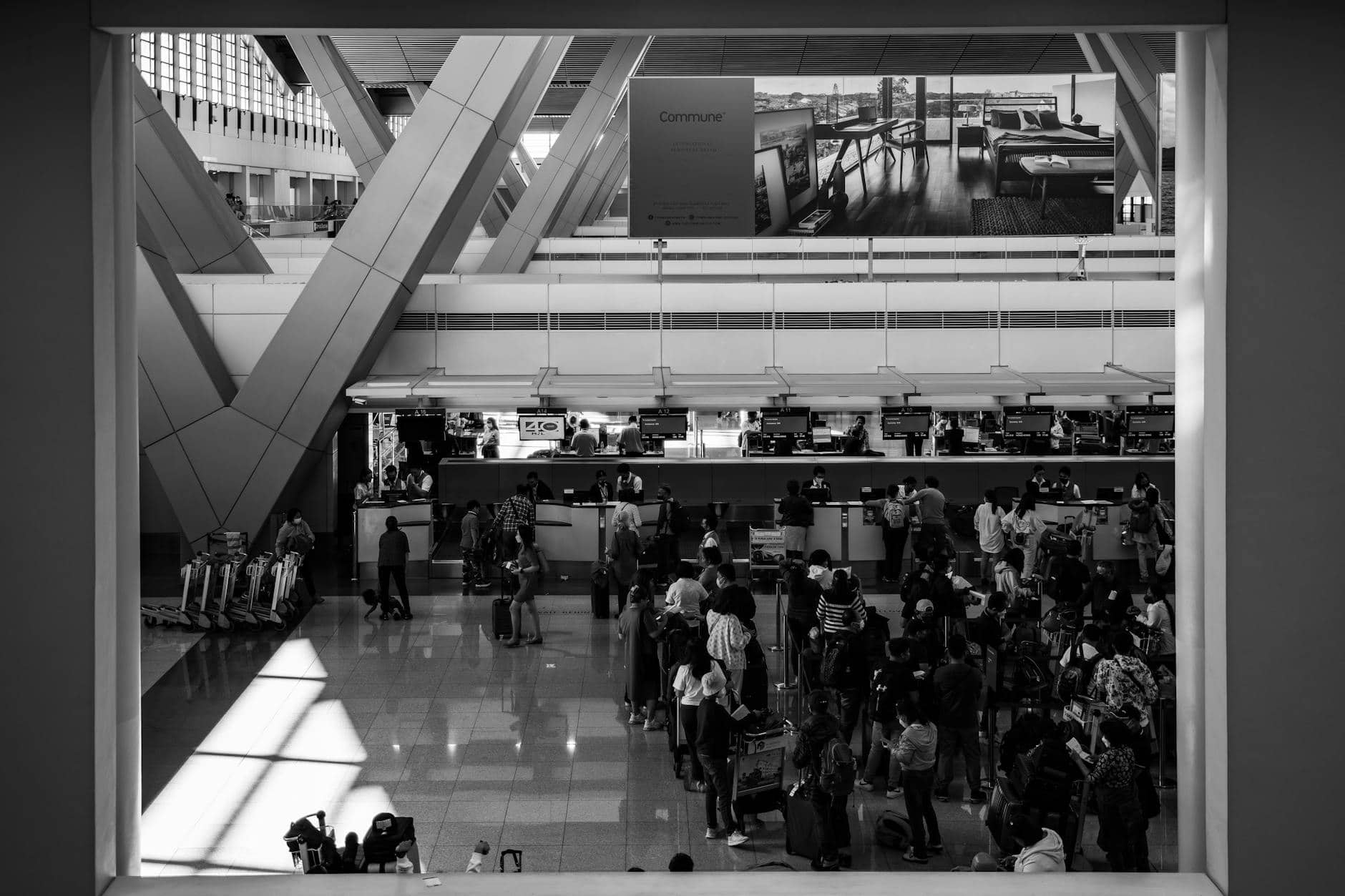
The original airport lounge model was simple: airlines built lounges for their business and first class passengers and high-status frequent flyers. The number of people who qualified for access was manageable. The lounges were quiet, occasionally excellent, and reliably less chaotic than the terminal.
Priority Pass complicated this model when it became a standard credit card benefit. Priority Pass is a third-party lounge network that contracts with airport lounges to provide access to cardholders. When a credit card offers “Priority Pass Select” membership, it means the bank has purchased membership for its cardholders.
Through the 2010s, a relatively small number of premium cards (primarily the Amex Platinum and a handful of others) offered Priority Pass. The cardholders who had it tended to be frequent travelers who used the benefit regularly and who the lounges could somewhat plan for.
The 2019 to 2022 period changed the math:
- Chase Sapphire Reserve launched in 2016 with Priority Pass Select as a core benefit, and its $450 annual fee made it accessible to a much broader market than the $695 Amex Platinum
- Capital One Venture X launched in 2021 at $395 annual fee with Priority Pass and its own lounge network
- Multiple mid-tier cards added Priority Pass as a benefit at the $250 to $350 annual fee tier
- The post-pandemic travel boom of 2022 and 2023 meant more people were flying and more of them had lounge access cards than ever before
The number of Priority Pass members globally grew from roughly 11 million in 2018 to over 25 million by 2023. Lounge square footage did not grow proportionally.
The Priority Pass Problem: Too Many Cards, Not Enough Seats
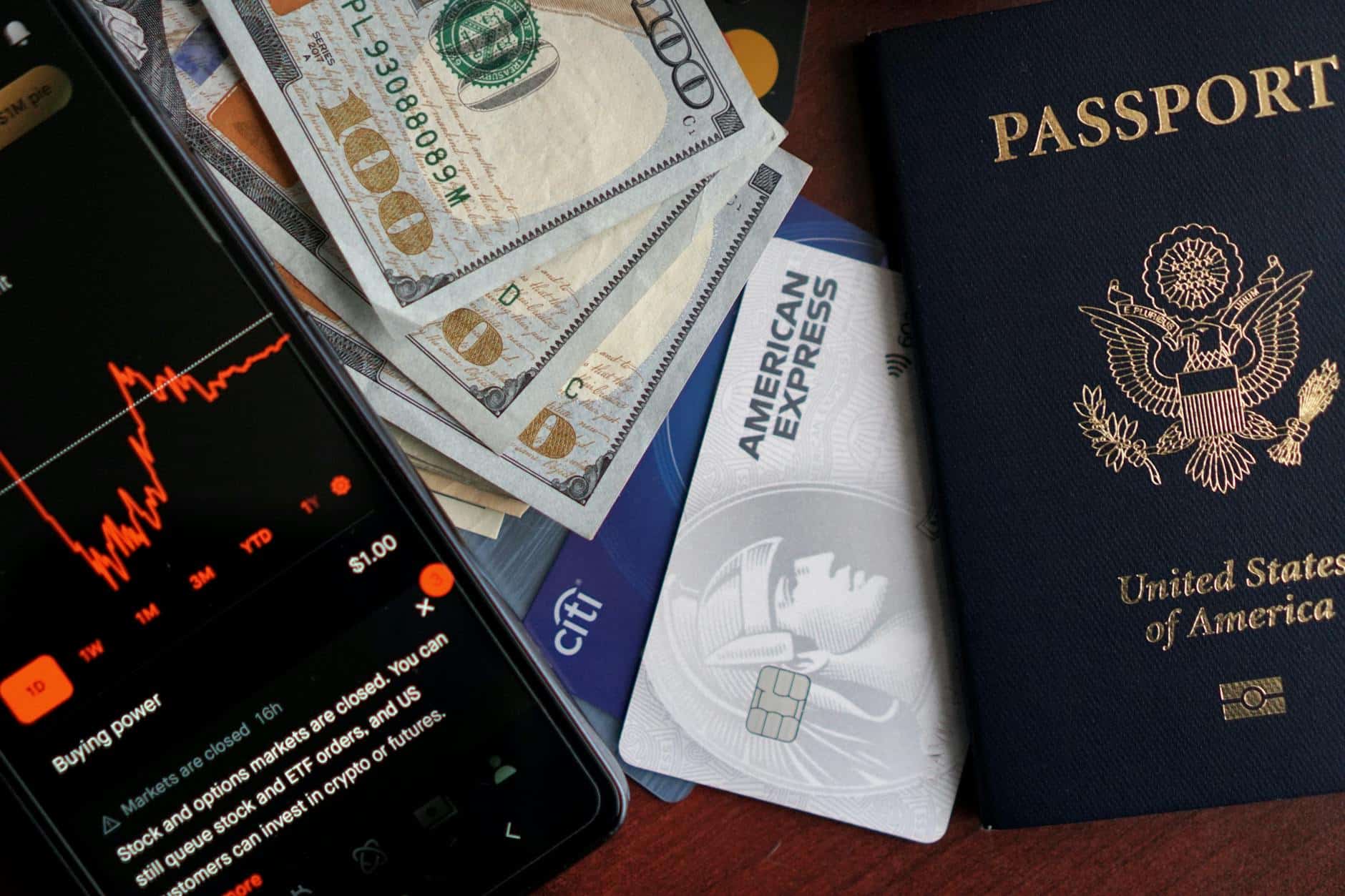
The specific problems that emerged from the access explosion:
- Capacity limits and wait lines: Major Priority Pass lounges at busy airports now regularly hit capacity and operate a wait list system. At peak times — early morning, late afternoon Friday — waits of 30 to 45 minutes are reported at popular lounges in airports like LAX, JFK, MIA, and ORD.
- Quality degradation: As throughput increased, food and beverage programs that were designed for lower volumes have struggled to keep up. Reports of empty buffet trays, rationed alcohol, and reduced quality are common in lounge review communities.
- Lounge departures from the network: Some airport lounges have left the Priority Pass network entirely, concluding that the per-visit reimbursement they receive from Priority Pass doesn’t justify the cost of serving the volume of visitors. This has shrunk the network in some airports where it was previously strongest.
- Guest restrictions: Multiple credit card issuers have introduced or tightened guest policies. Chase Sapphire Reserve cardholders now pay a per-guest fee. Amex Platinum has guest limits. The “bring your whole family for free” era is largely over.
What Lounges Are Doing About It — and How It Affects You
Lounges have responded to overcrowding through several mechanisms, most of which are restrictions:
- Capacity management systems: Digital waitlisting, timed entry, maximum stay limits (some lounges now enforce 2-hour maximum stays at peak times)
- Access restriction by card type: Some premium airline lounges have moved to exclude Priority Pass cardholders entirely, or restrict access to cardholders of specific banks that pay higher reimbursement rates
- Time-of-day restrictions: Certain lounges restrict Priority Pass access during their peak hours, allowing it only during off-peak times
- Food and beverage caps: Some network lounges have moved from unlimited access to per-visit credits or reduced offerings for Priority Pass visitors compared to airline-affiliated members
The Airline Lounge Tier: How Amex Centurion, Chase Sapphire, and Venture X Compare
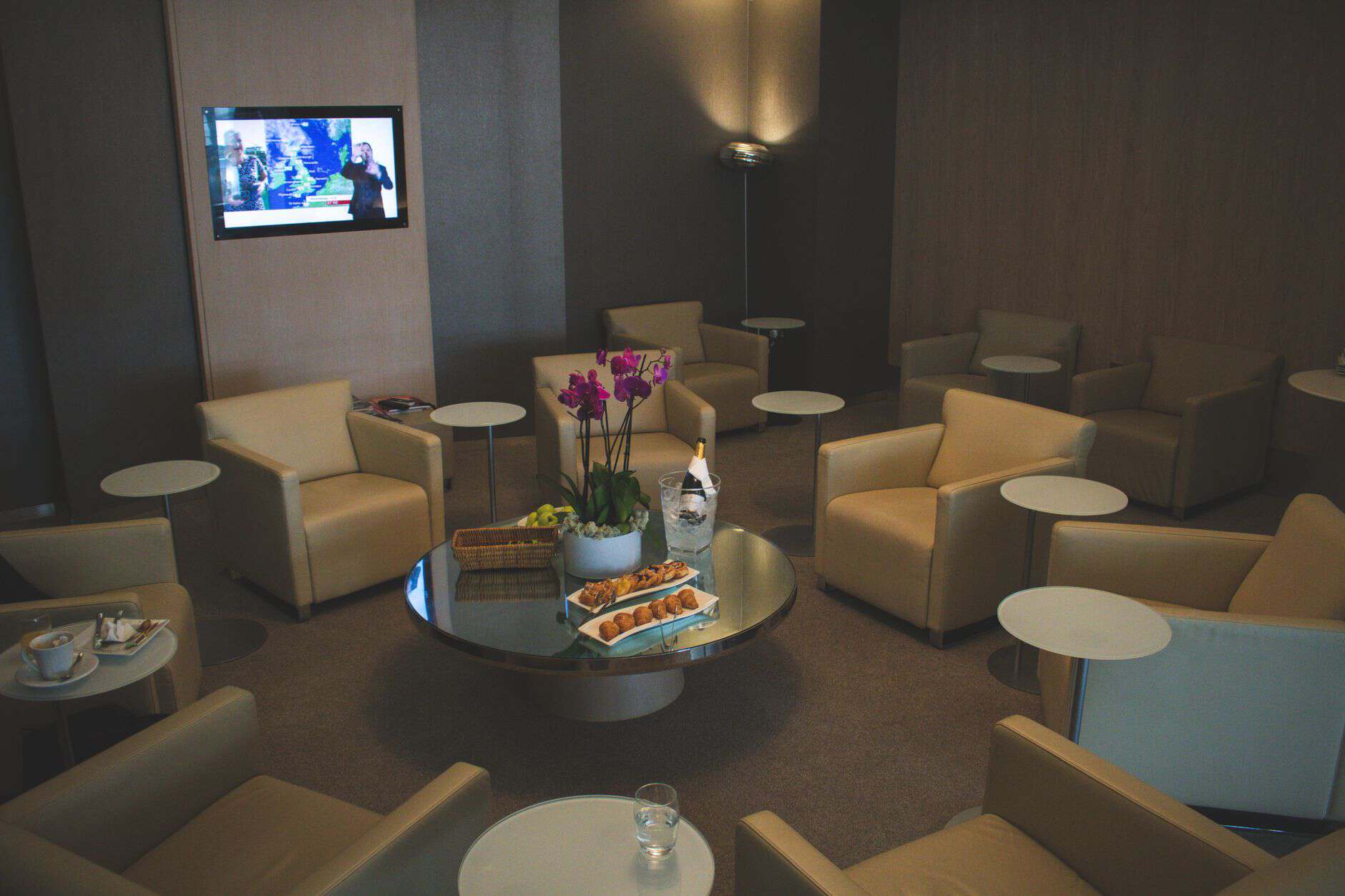
The premium card brands have responded to Priority Pass overcrowding partly by building or sponsoring their own branded lounges:
- Amex Centurion Lounges
The gold standard for credit card-branded lounges. Food programs are restaurant-quality (they partner with celebrity chefs at some locations), bar programs are genuinely good, design is premium. The catch: Centurion Lounges are now also overcrowded at the busiest airports. Amex has introduced guest fees and tightened policies. Locations exist at roughly 40 US airports — not comprehensive coverage. - Chase Sapphire Lounges
Chase opened its first Sapphire Lounge at Boston Logan in 2022 and has since added locations at a handful of airports. The quality is high — better than most Priority Pass options — but the network is tiny relative to Chase’s cardholder base. Most Chase Sapphire Reserve cardholders will not have access to a Sapphire Lounge at their home airport. - Capital One Lounges
Capital One has opened lounges at Dallas-Fort Worth, Denver, Washington Dulles, and is expanding. They’re well-regarded and less crowded than Centurion Lounges at comparable airports. The network is still small. Venture X cardholders get access; lower-tier Capital One cards don’t.
Which Airports Have the Worst Lounge Overcrowding

Based on lounge review platforms and traveler reports:
- LAX (Los Angeles): The combination of high passenger volume, Pacific routes, and a relatively limited lounge infrastructure makes LAX lounges consistently reported as among the worst. Wait times at the Centurion Lounge have exceeded an hour at peak times.
- JFK (New York): Multiple terminals with fragmented lounge options. The Centurion Lounge in Terminal 4 is frequently reported at capacity during afternoon and evening international departure windows.
- MIA (Miami): Heavy international traffic with a peak period for South American departures. The Priority Pass lounges at MIA are frequently at or above comfortable capacity in the late afternoon.
- ATL (Atlanta): The world’s busiest airport has Delta’s own clubs (which are excellent and require Delta status or business class), but Priority Pass options at ATL are limited and frequently full.
- ORD (Chicago O’Hare): Particularly problematic during weather delays, when stranded passengers fill lounges beyond normal capacity for extended periods.
What $695 Annual Fees Are Actually Buying You Now

The Amex Platinum’s annual fee has reached $695. Chase Sapphire Reserve is at $550. For these fees to be “worth it,” the cardholder needs to extract value from the benefits.
The lounge access component of these cards’ value proposition has genuinely degraded. In 2019, a Centurion Lounge was a reliably excellent experience. In 2026, it depends heavily on which airport, which time of day, and whether you’ve arrived early enough to get in before capacity is hit.
Other benefits that make these cards potentially worth the fees — despite the lounge degradation:
- The Amex Platinum’s $200 airline fee credit, $200 hotel credit, and other statement credits can offset $600 to $700 of the annual fee if you actually use them
- Transfer partners for points remain valuable for flight redemptions, where the value proposition hasn’t degraded the way hotel points have
- Travel insurance, purchase protection, and car rental benefits are genuine and often underutilized
But if lounge access was the primary reason you were paying a $695 annual fee, the value calculation is genuinely worse in 2026 than it was in 2019.
The Lounge Alternatives That Have Gotten Better as Lounges Have Gotten Worse
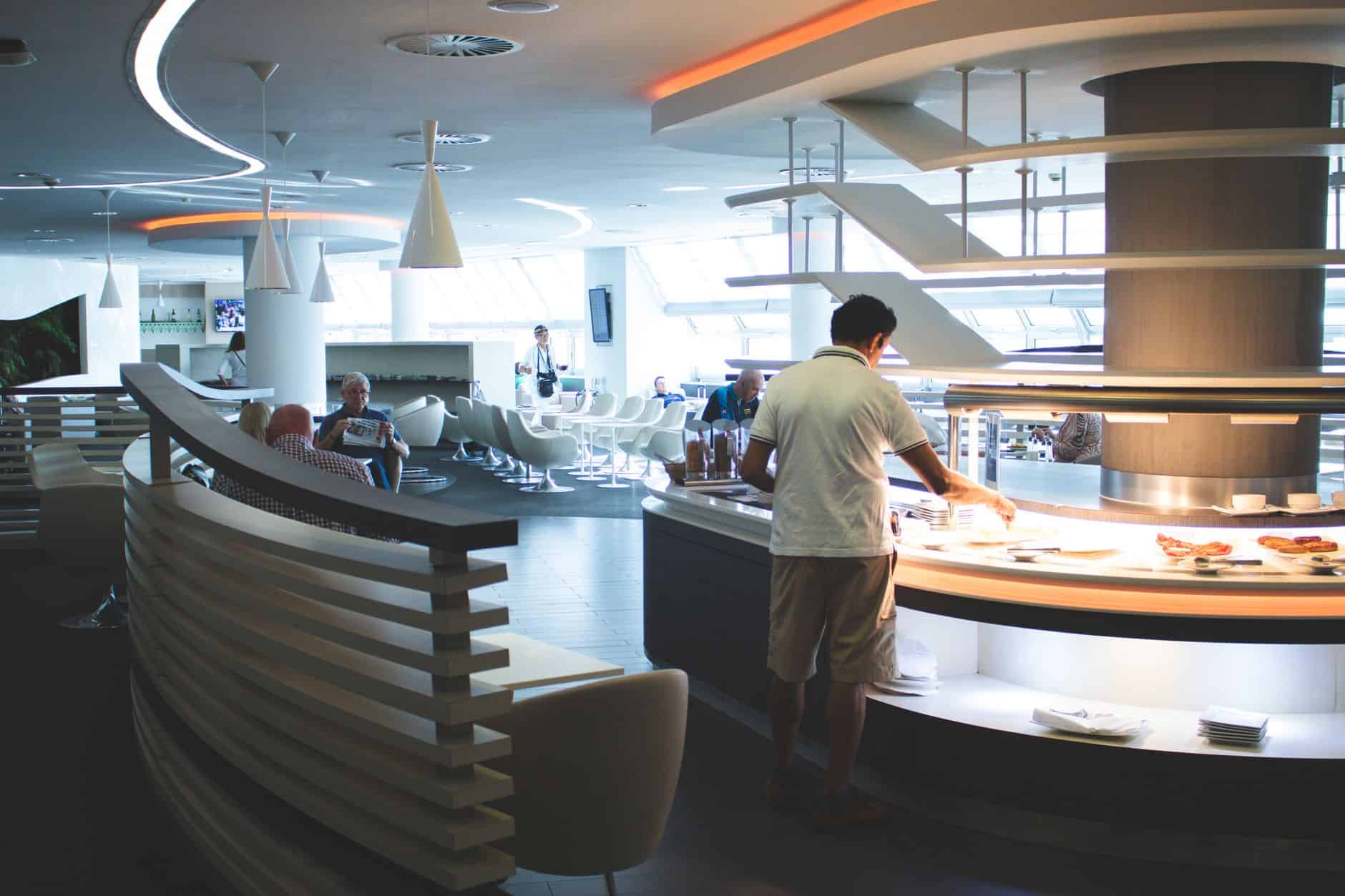
The overcrowding problem has had a secondary effect: terminal restaurants and bars have gotten better at many airports, partially in response to the demand that can’t be absorbed by lounges.
- The SSP America and HMSHost restaurant groups, which operate most US airport dining, have improved their concepts at major airports significantly in the last five years — partly because they see an opportunity with lounge-overflow traffic
- Airport “quiet zones” — not lounges, but designated low-stimulation seating areas — have expanded at some airports in response to demand for alternatives to chaotic gate areas
- Pay-per-use lounge access through apps like LoungeBuddy allows travelers to book specific lounges on specific days, which is more reliable than showing up hoping a Priority Pass lounge has space
Whether Priority Pass Is Still Worth It for Your Specific Situation

The honest answer depends on your travel pattern:
- If you fly mostly through airports with good Priority Pass coverage and off-peak timing: The benefit still works reasonably well. Secondary airports (Nashville, Portland, Cincinnati, Salt Lake City) tend to have less overcrowded Priority Pass options than the mega-hubs.
- If you fly mostly through LAX, JFK, MIA, ORD, or ATL at peak times: The benefit has materially degraded and may not justify the annual fee increase beyond other card benefits.
- If you fly internationally frequently through non-US airports: Priority Pass’s international network remains excellent. European, Asian, and Middle Eastern airports often have Priority Pass lounges that are less overcrowded and higher quality than comparable US options.
- If lounge access is primarily a companion benefit (you’re bringing family or a partner): The guest fee changes have made this calculation significantly worse. Factor in $30 to $50 per guest per visit in your math.
The lounge arms race of the early 2020s has settled into a reality: lounge access is no longer a reliable premium experience at busy US airports during peak hours. It’s a sometimes-available upgrade to a waiting experience that’s otherwise just the gate area. Plan accordingly.