Every State Has a Speed Trap Town, and Some of Them Are Almost Entirely Funded by Out-of-State Plates
We may earn money or products from the companies mentioned in this post. This means if you click on the link and purchase the item, I will receive a small commission at no extra cost to you ... you're just helping re-supply our family's travel fund.
There is a town in Texas called Riesel — population approximately 1,000 — that made national news because its police department collected so much in traffic fines that the municipality was literally running a budget surplus from citation revenue. The Texas Legislature eventually passed a law capping the percentage of a municipality’s revenue that could come from traffic fines. Riesel was the reason.
Riesel is an extreme example. It is not a unique phenomenon. Speed trap towns — small municipalities strategically positioned on high-traffic roads where the speed limit drops significantly and enforcement is correspondingly aggressive — exist in every state. Some are famous. Most are just locally known, existing as a warning passed between neighbors and road-trippers.
This is a guide to how they work, why they’re legal, which ones are most notorious, and what you actually do when you get pulled over.
What Legally Defines a Speed Trap — and Why It Matters

The term “speed trap” is used casually to mean any place where speeding tickets are issued frequently. Legally, the definition is more specific and varies by state. California’s Vehicle Code, for instance, defines a speed trap as a road section with a limit set without an engineering study, which creates specific legal protections for drivers cited there.
For general purposes, the characteristics that distinguish a speed trap from ordinary speed enforcement:
- Speed limit that drops sharply (often 20 to 30 mph) as you pass through a small municipality on a route where surrounding roads run at higher speeds
- Enforcement concentrated at the point of the drop, before drivers have had adequate time to decelerate
- Fine revenue that constitutes a disproportionate share of municipal revenue
- Minimal posted warning about the speed reduction before the enforcement zone
The legal definition matters because in some states, a ticket issued in a legally-defined speed trap is contestable on those grounds alone.
The Most Notorious Speed Trap Towns in America
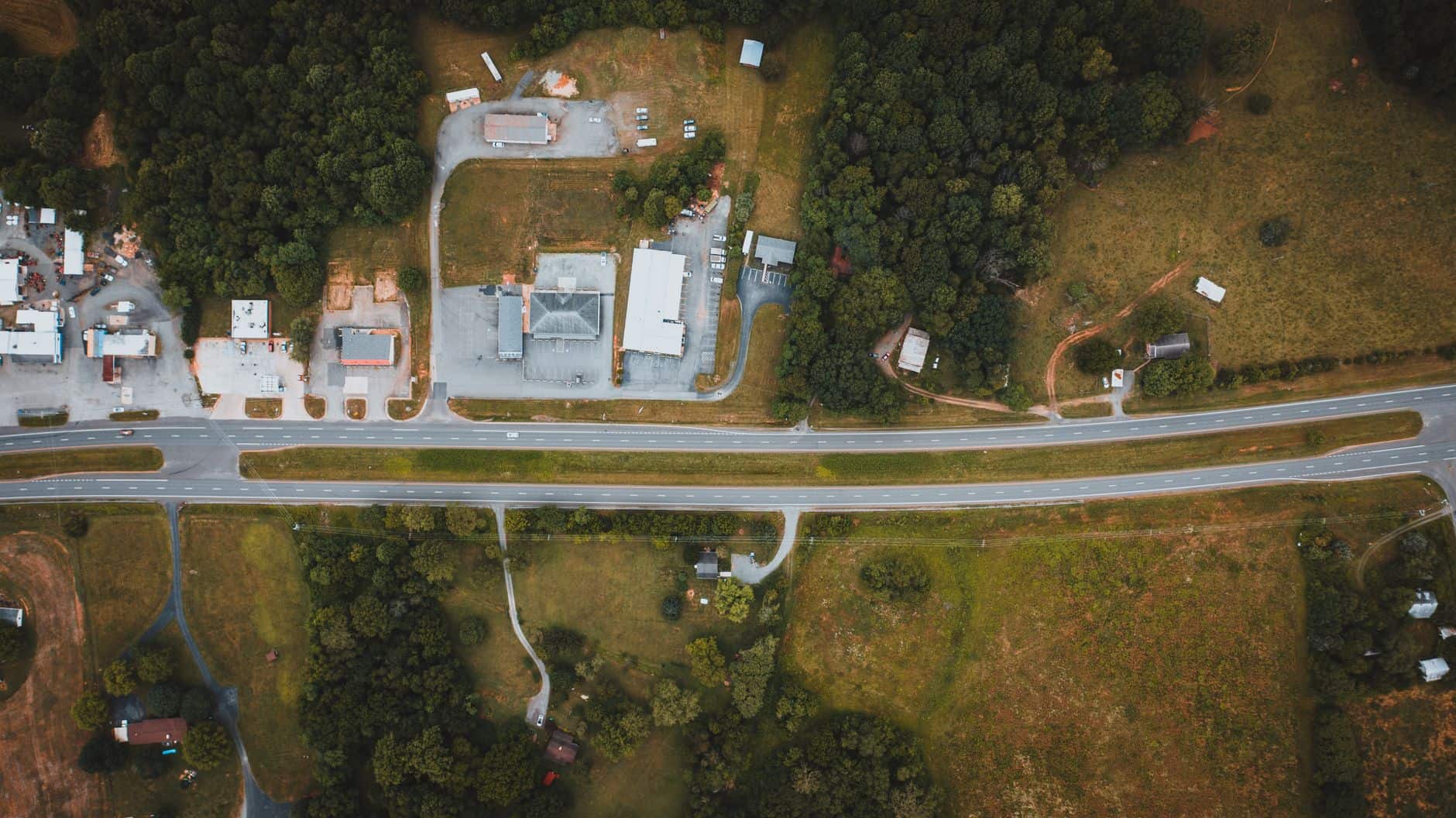
This list is not exhaustive. It represents the most consistently documented cases based on traffic enforcement data, news coverage, and driver reports:
- Waldo, Florida
Waldo was so notorious that the AAA named it one of America’s worst speed traps multiple times. The small city on US-301 in Alachua County ran an aggressive enforcement program on a stretch of road that dropped from 65 mph to 55 mph. The Florida Legislature ultimately disincorporated Waldo’s police department in 2014 after documented abuses, requiring them to contract with the county sheriff instead. - Lawtey, Florida
Another Florida example on US-301, Lawtey sits 30 miles from Waldo and has operated a similar model. Speed drops, enforcement concentrates, revenue follows. AAA has cited it alongside Waldo in speed trap advisories. - Macks Creek, Missouri
Macks Creek (population under 300) was generating such a high percentage of revenue from traffic fines that Missouri passed what became known as the “Macks Creek Law” limiting municipalities to 30 percent of their general revenue from traffic fines. The town had been collecting far above that threshold. - Ridgeland, South Carolina
I-95 passes through Ridgeland in Jasper County, and the stretch through town has been a consistent citation source for northbound and southbound travelers between Florida and the Northeast. Out-of-state plates from the flow of I-95 through-traffic are the primary target. - Selma, North Carolina
US-70 through Selma involves a speed reduction zone that has been cited by motorist advocacy groups as disproportionately enforced. Positioned between major Southeastern travel corridors, Selma’s traffic patterns make it a high-opportunity enforcement zone. - Loxley, Alabama
Positioned on I-10 near the Mississippi border, Loxley has appeared on multiple speed trap lists maintained by driver forums. The I-10 corridor is a primary route between Florida and Texas, providing a consistent stream of out-of-state traffic. - Gore, Oklahoma
US-64 through Gore in Sequoyah County has been cited in driver reports for aggressive enforcement. Oklahoma’s eastern corridor sees significant traffic from travelers moving between Arkansas and Oklahoma City.
How These Towns Stay Legal Despite Everything

Speed trap enforcement is, with some exceptions, completely legal. The municipality sets a speed limit — which it has the authority to do on roads within its jurisdiction. Officers enforce that limit — which they have the authority to do. Fines are assessed according to state law.
The practices that sometimes cross into legally questionable territory:
- Setting speed limits below the speed that 85 percent of drivers naturally travel at safe road conditions (the “85th percentile” standard used in traffic engineering)
- Issuing tickets without adequate signage warning of the speed change
- Officers positioned immediately at the speed limit sign rather than giving drivers adequate distance to decelerate
Some states have passed specific anti-speed-trap laws — Florida, Missouri, and Texas have all done so in response to specific notorious cases. Most states have not.
The Out-of-State License Plate Pattern

The out-of-state plate targeting pattern isn’t always intentional enforcement policy — but the economic incentive is real. A driver from Ohio who gets a ticket in a small Georgia municipality faces a practical obstacle: fighting the ticket requires either appearing in person or hiring a local attorney. The transaction cost of contesting the ticket is often higher than paying it. Out-of-state drivers pay.
The practical effect is that municipalities positioned on interstate or major highway corridors capture revenue from drivers who have no political representation in that municipality, no realistic mechanism to contest tickets, and a strong incentive to just pay and move on.
The Governing Institute, which studies municipal finance, has documented municipalities where traffic fine revenue exceeds property tax revenue — a structural dependency on citation income that creates an institutional incentive to maintain or increase enforcement regardless of actual safety outcomes.
What Happens If You Get Pulled Over
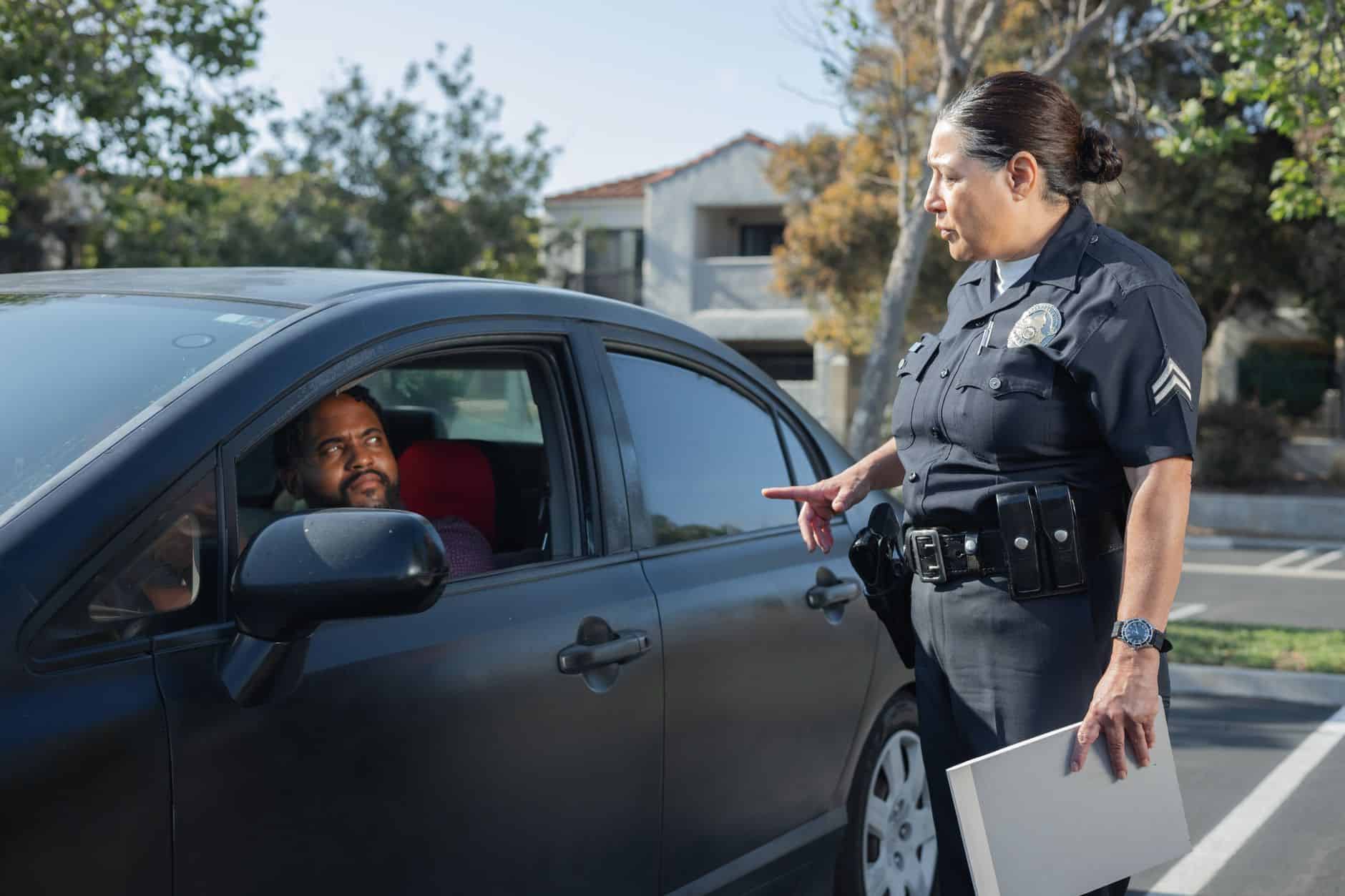
Standard advice that applies specifically in speed trap contexts:
- Be polite. Not because the stop is necessarily legitimate, but because hostile interactions rarely help and occasionally hurt.
- Don’t admit to speeding. “Do you know how fast you were going?” is a question you’re not legally required to answer honestly to your own detriment. “I’m not sure” is a complete response.
- Note the details: Time, location, exact speed cited, officer’s name and badge number, position of the patrol car relative to the speed limit sign, how far past the sign you were when stopped.
- Ask what your options are. Some municipalities offer online payment, some offer deferred adjudication that keeps the violation off your record, some allow traffic school in lieu of fine.
The Fight to Eliminate Speed Traps — and Why It Keeps Failing

Anti-speed-trap legislation follows a consistent pattern: a particularly egregious case generates enough political pressure that a state passes a revenue cap or other limitation. The affected municipalities comply minimally, restructure their enforcement to stay within the new rules, and often continue similar practices under different administrative arrangements.
The fundamental problem is municipal finance. Small towns without significant property tax bases have limited revenue options. Traffic enforcement on a state highway running through their jurisdiction is one of the few revenue mechanisms available to them that requires minimal capital investment. As long as that financial reality exists, the incentive to enforce aggressively will persist.
Which Roads to Actually Watch On Your Next Road Trip

Highway patterns that consistently produce speed trap reports:
- US-301 in Florida: The inland alternative to I-95, US-301 runs through multiple small municipalities between Jacksonville and Tampa. Waldo and Lawtey are the famous ones but not the only enforcement zones.
- I-95 in South Carolina and Georgia: Multiple small county seats adjacent to I-95 exits have documented enforcement patterns on the exit and frontage road approaches.
- US-17 in Georgia and the Carolinas: The historic coastal highway passes through numerous small municipalities with speed changes that are actively enforced.
- I-10 between Mobile and New Orleans: Mississippi’s stretch of I-10 has several enforcement zones noted in driver forums, particularly in Hancock County.
- US-70 in North Carolina: The parallel alternative to I-40, US-70 passes through multiple small towns with speed changes from 55 to 35 mph enforced at the junction.
If You Get a Ticket: Your Actual Options

If you’ve received a ticket in what you believe is a speed trap, your actual options:
- Pay it: The path of least resistance. Check whether the municipality offers online payment and whether it reports to your insurance — some citations that are paid without contest don’t trigger insurance reporting in certain states.
- Request a continuance or deferral: Some jurisdictions allow first-time offenders to defer payment for six months, after which the ticket is dismissed if no new violations occur. This requires a phone call or written request to the court.
- Hire a local traffic attorney: In some jurisdictions, a local attorney who knows the court can negotiate the charge down to a non-moving violation (often called a “defective equipment” charge) that carries no license points. The attorney cost is $75 to $200; the insurance savings over three years can far exceed that.
- Contest it in person: Only realistic if you live close enough to return, but officers often don’t appear at contested hearings — especially for out-of-state defendants — which results in automatic dismissal.
- Report it: The National Motorists Association maintains a speed trap registry where documented cases contribute to the public record and, in states where these are tracked, to legislative pressure.
The towns will keep doing it until the math changes. Until then, set your cruise control 5 mph below the posted limit when you see a small-town municipal sign on a highway you don’t know.