Ugliest Cities in Every US State
We may earn money or products from the companies mentioned in this post. This means if you click on the link and purchase the item, I will receive a small commission at no extra cost to you ... you're just helping re-supply our family's travel fund.

Beauty is subjective, but some places leave a harder first impression than others. Across the United States, certain cities are known less for charm and more for heavy industry, endless strip malls, aging infrastructure, or roads lined with warehouses and power lines. That does not mean these places lack heart, culture, or history. Many are hardworking communities with loyal residents and hidden strengths. Still, when appearance matters, some cities struggle to compete with the mountain towns, coastal villages, and polished downtowns that often define their states.
Birmingham, Alabama
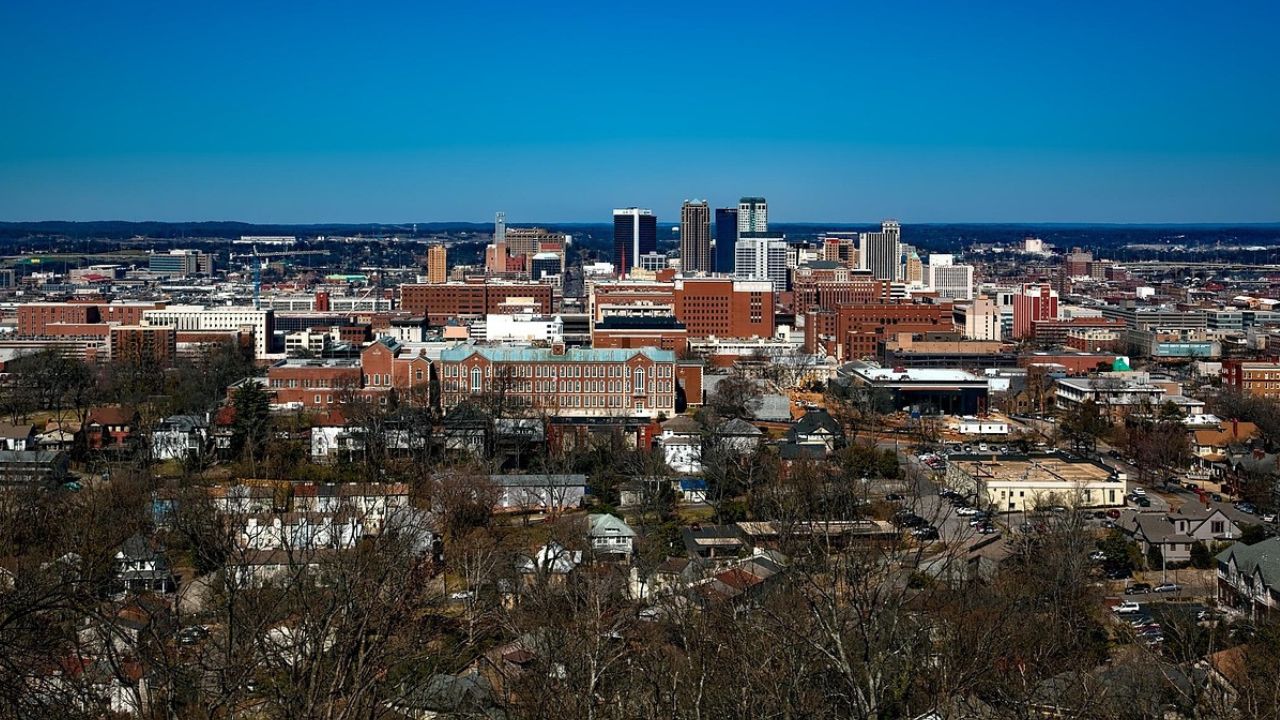
Birmingham carries a complicated visual identity shaped by steel mills, aging brick buildings, busy highways, and neighborhoods that have seen better days. Parts of the city are filled with vacant storefronts, worn industrial corridors, and older commercial strips that can feel frozen in another era. Yet beneath that rough exterior sits a city with deep civil rights history, strong local pride, and pockets of revival that continue to reshape its image. The contrast between its past and present is what makes Birmingham feel both gritty and unforgettable.
Bakersfield, California
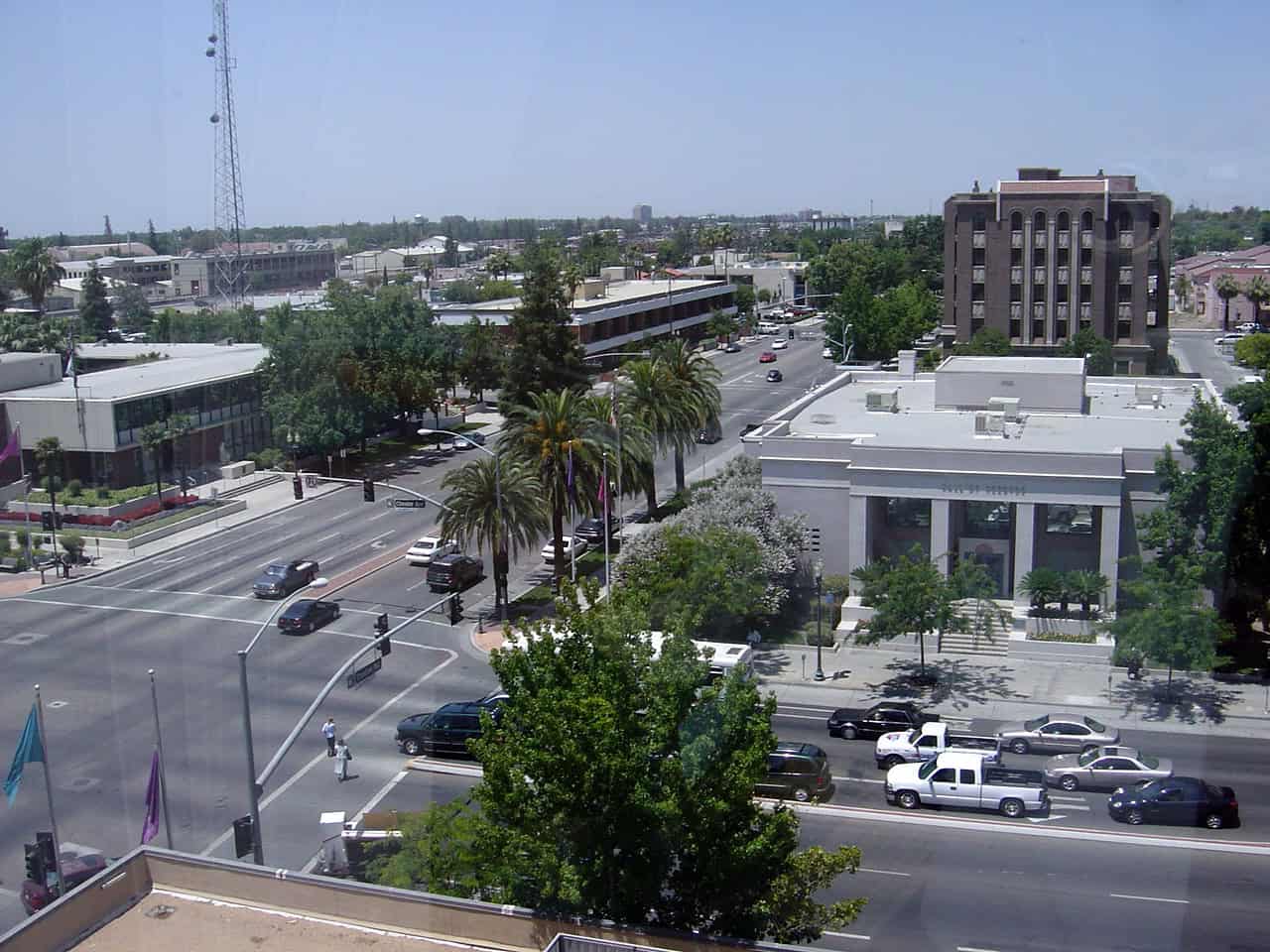
Bakersfield sits in the middle of California’s Central Valley, surrounded by oil fields, dry farmland, and some of the worst air quality in the state. The city lacks the dramatic coastline, polished suburbs, and postcard scenery found elsewhere in California. Endless commercial roads, flat landscapes, and summer heat above 100 degrees often make it feel harsh rather than inviting. Still, Bakersfield has a strong country music heritage, affordable living, and a working-class spirit that gives it more character than its appearance suggests.
Gary, Indiana
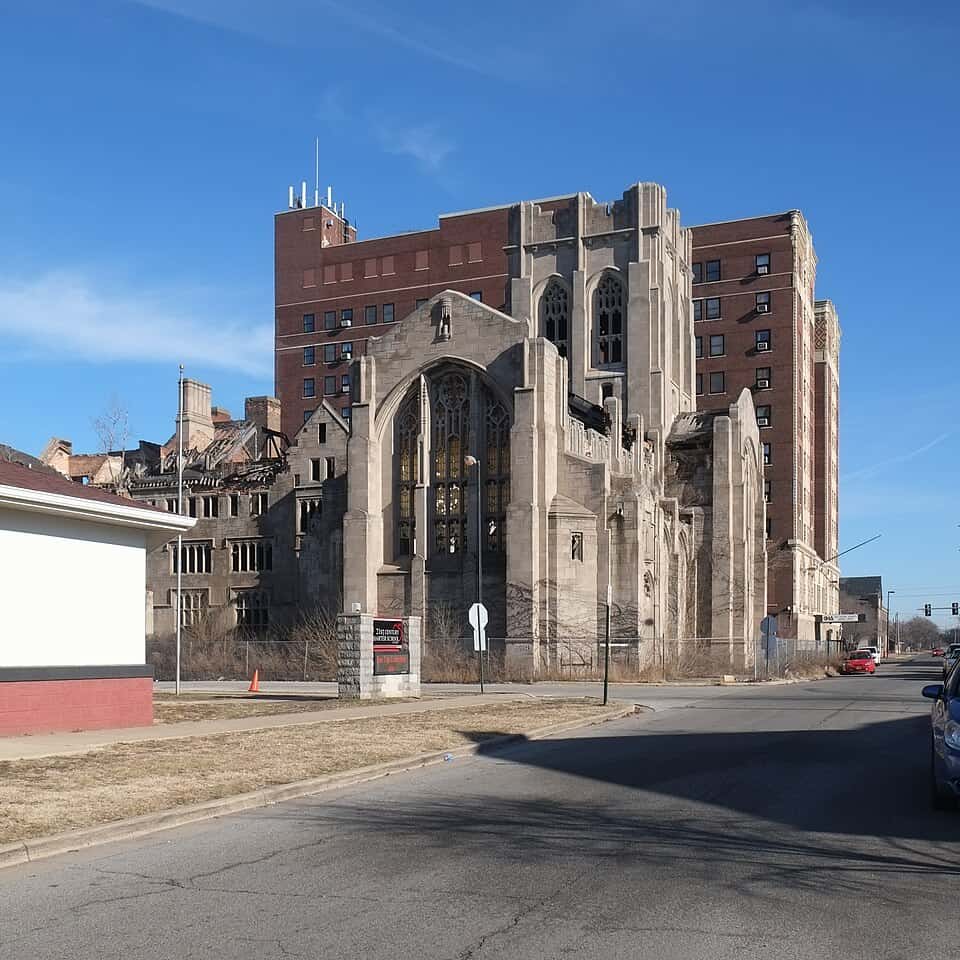
Gary has long been one of the country’s most talked about examples of urban decline. Once a booming steel city, it now carries the scars of factory closures, shrinking neighborhoods, abandoned buildings, and empty lots. Large sections of the city feel quiet in a way that can seem unsettling, especially compared to nearby Chicago. Yet Gary also has a fascinating history, a lakefront location, and a deep sense of resilience that continues to survive despite decades of economic hardship.
Newark, New Jersey
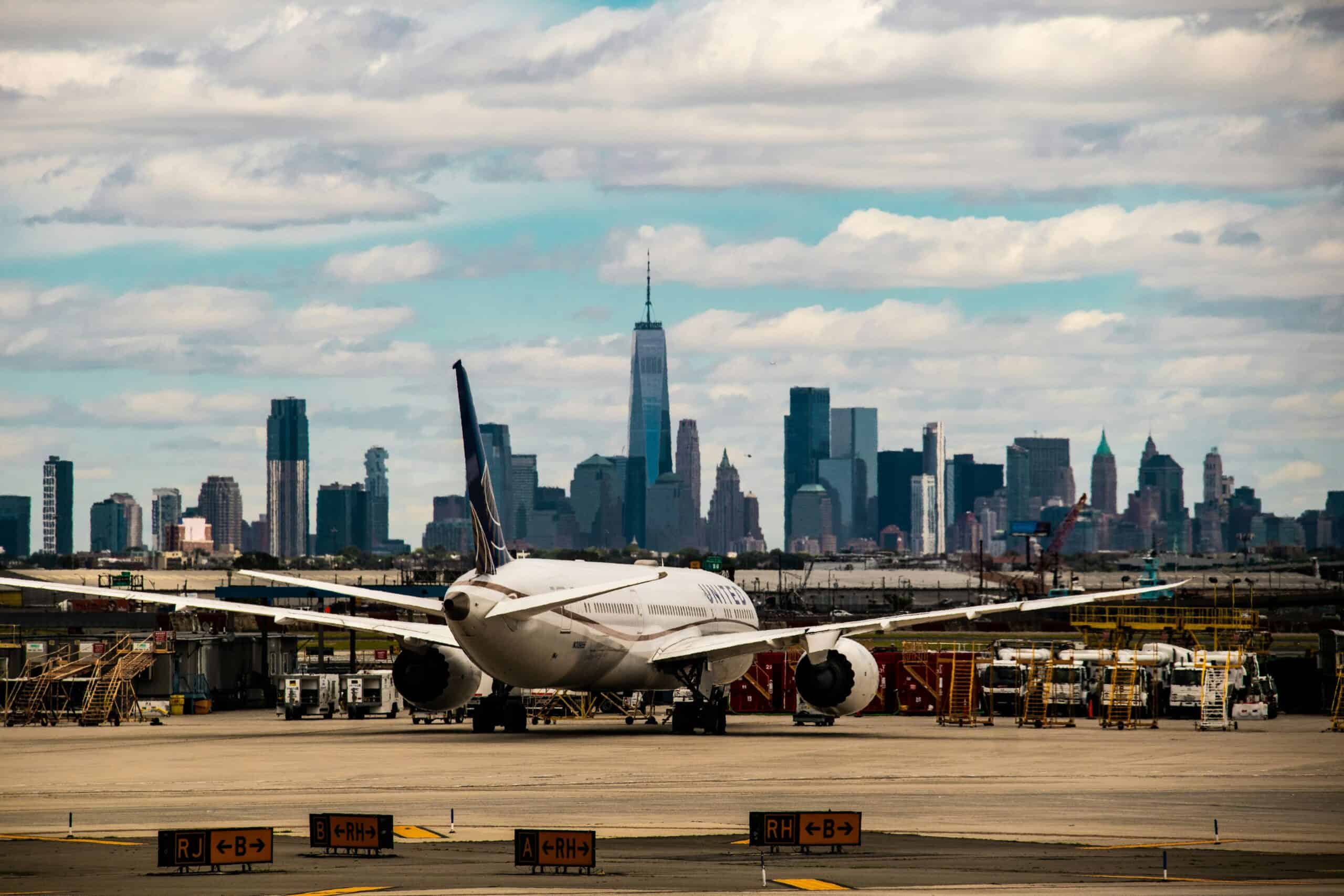
Newark is often the first place travelers see when landing near New York City, and its first impression can be rough. Industrial areas, shipping yards, highways, and crowded blocks dominate much of the landscape near the airport. The city has beautiful old architecture and cultural institutions, but those details are easy to miss behind traffic, graffiti, and concrete. Newark feels more practical than pretty, though its energy and location keep it important to the region.
Detroit, Michigan
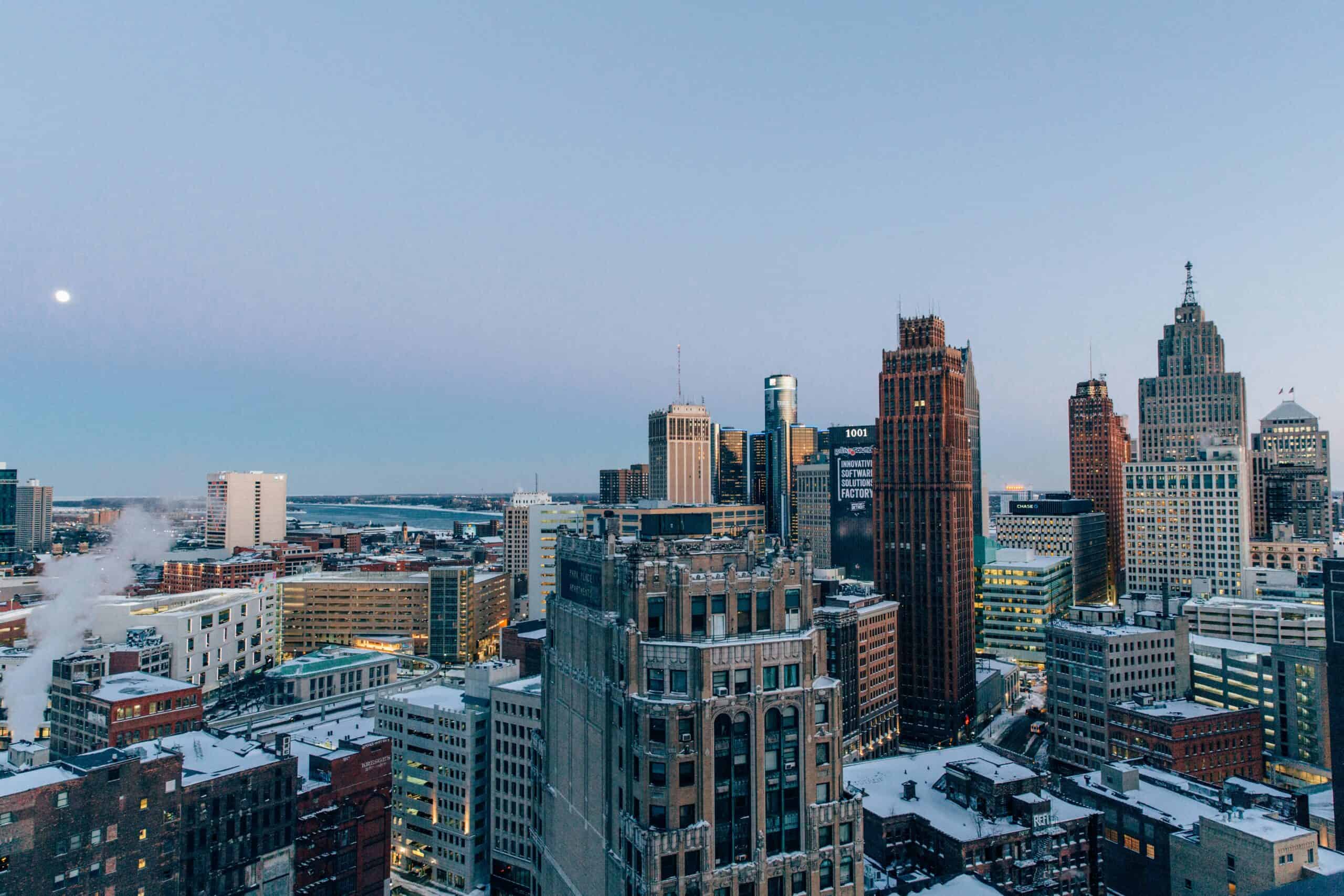
Detroit has spent years rebuilding its image, but parts of the city still struggle with visible signs of decline. Empty factories, abandoned homes, and crumbling buildings remain common in some neighborhoods, especially outside the downtown core. The city can feel enormous and hollow at the same time, with large stretches of land that never fully recovered after decades of population loss. Even so, Detroit remains one of America’s most culturally influential cities, with a music scene, sports culture, and creative energy that few places can match.
Camden, New Jersey
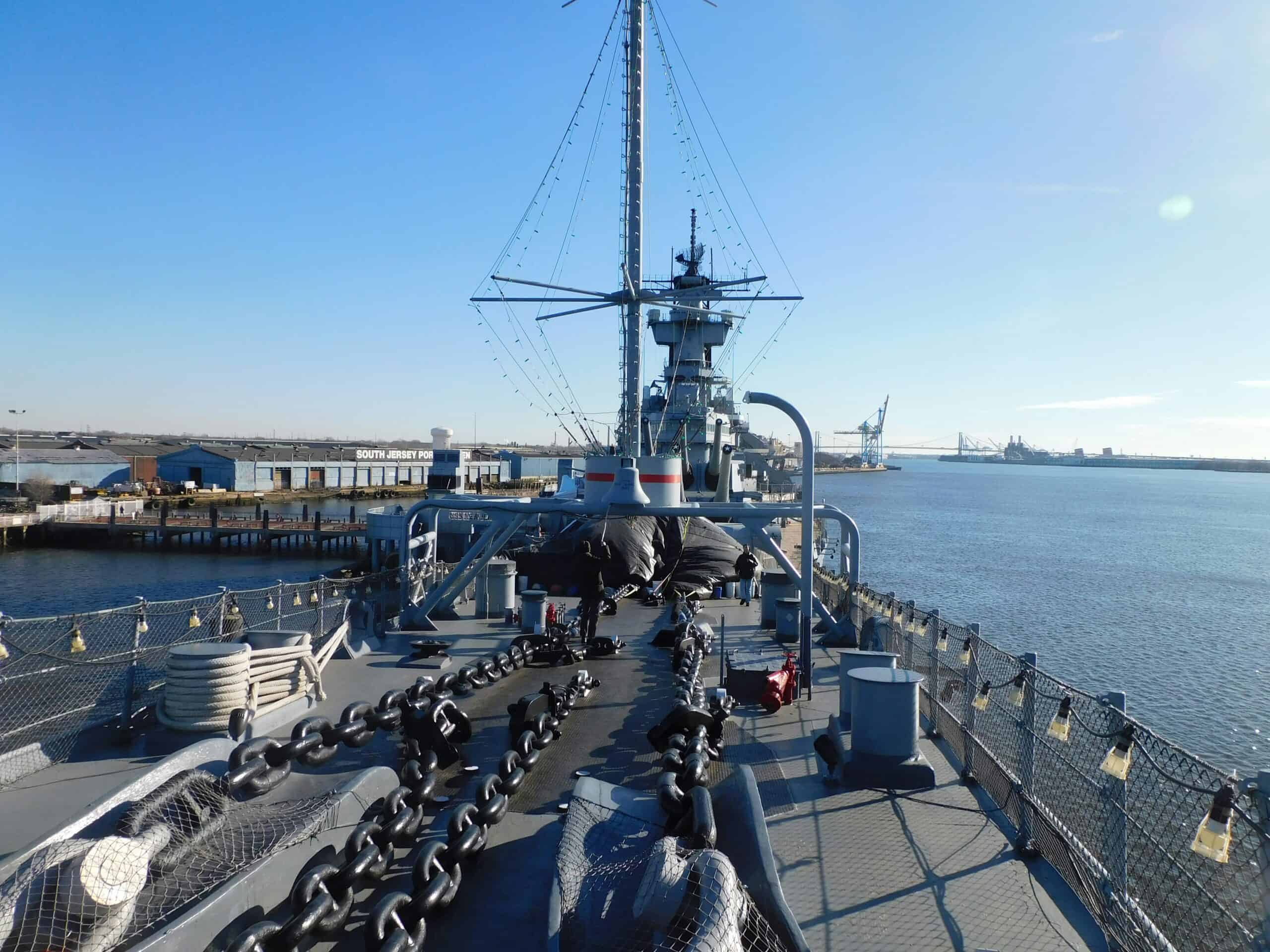
Camden sits directly across the river from Philadelphia, yet it often feels worlds apart. Vacant lots, aging public housing, industrial roads, and visible poverty shape much of the city’s appearance. Many visitors only know Camden through its reputation, and the city has struggled for years to move beyond it. There are signs of growth near the waterfront and university areas, but much of Camden still feels worn down, making it one of the toughest-looking cities in the Northeast.
Cleveland, Ohio
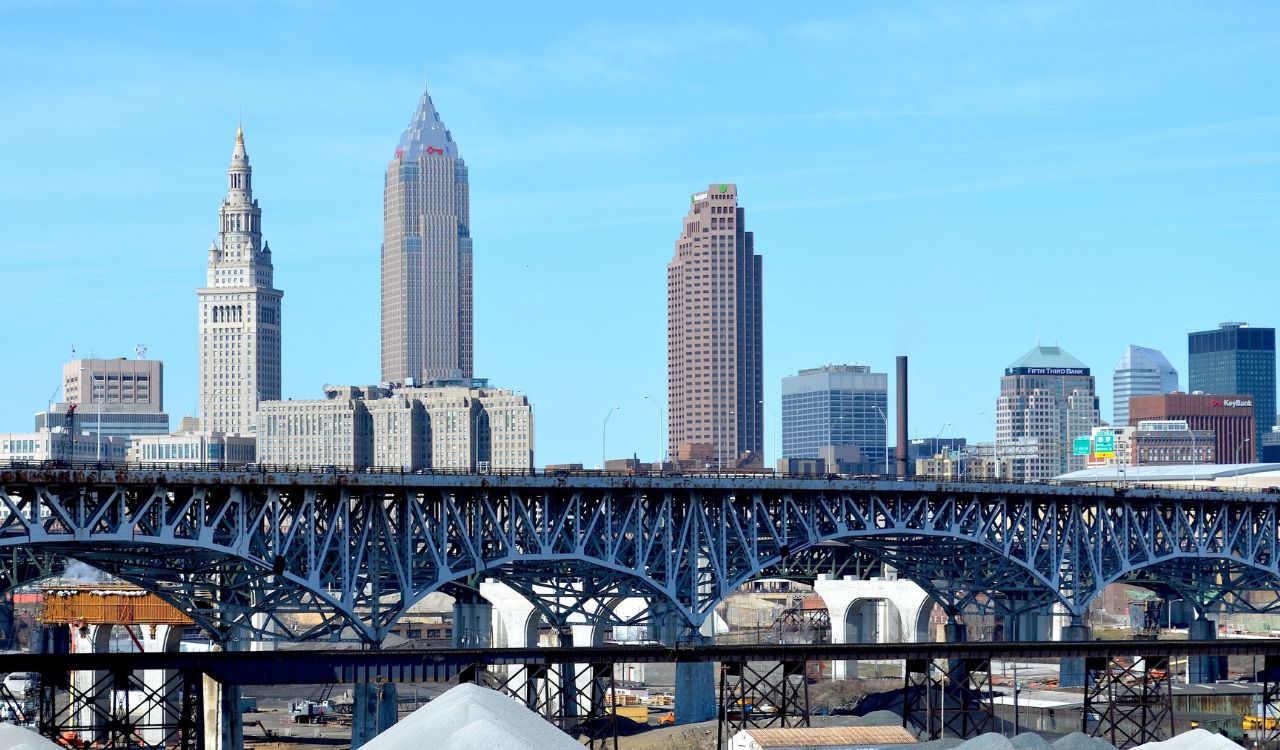
Cleveland has beautiful historic buildings and a lakefront setting, but much of the city still carries the visual weight of its industrial past. Old factories, gray winters, crumbling infrastructure, and neglected neighborhoods can make parts of the city feel tired. Some areas have seen strong redevelopment, especially downtown and near the waterfront, but the contrast between restored districts and forgotten blocks remains striking. Cleveland feels honest and hardworking, though not always conventionally attractive.
Fresno, California
Fresno often surprises visitors because it lacks the glamorous image many people associate with California. Wide roads, chain restaurants, industrial zones, and dry landscapes dominate much of the city. The summer heat can feel relentless, and the downtown area lacks the energy found in larger California cities. Yet Fresno sits close to some of the state’s most beautiful national parks, which makes its plain appearance feel even more noticeable by comparison.
St. Louis, Missouri
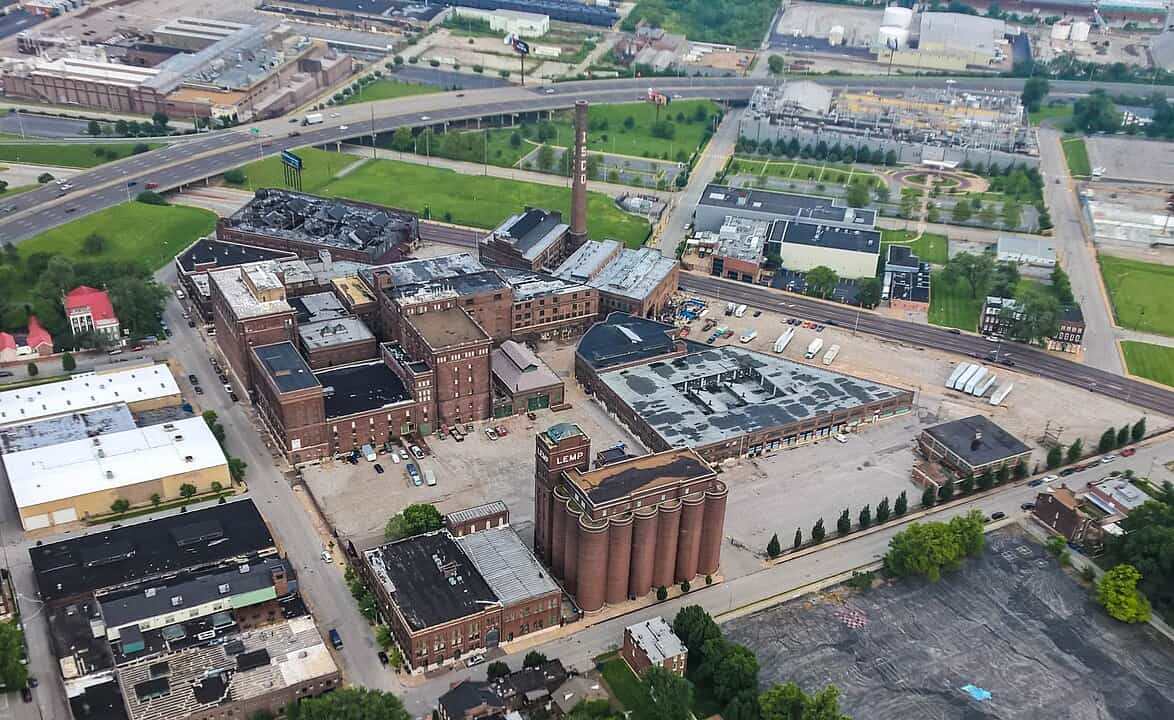
St. Louis has iconic landmarks and beautiful older neighborhoods, but large sections of the city still struggle with decay. Empty buildings, abandoned factories, and blocks with little investment are common outside the central tourist areas. The city has a strong sense of history, but that history often shows through worn brick, rusted warehouses, and streets that feel left behind. Even with its challenges, St. Louis still carries a powerful identity that keeps it memorable.