10 Countries Americans Think Are Dangerous But Are Actually Safe
We may earn money or products from the companies mentioned in this post. This means if you click on the link and purchase the item, I will receive a small commission at no extra cost to you ... you're just helping re-supply our family's travel fund.

Travel fears often come from headlines, movies, and old stereotypes that no longer match reality. Some countries carry reputations for danger long after conditions have changed. In many cases, the places people worry about most are actually safe, welcoming, and heavily visited by tourists every year. While every destination requires awareness and common sense, many countries that seem risky from a distance feel surprisingly calm once travelers arrive. The difference between reputation and reality can be much larger than people expect.
Colombia
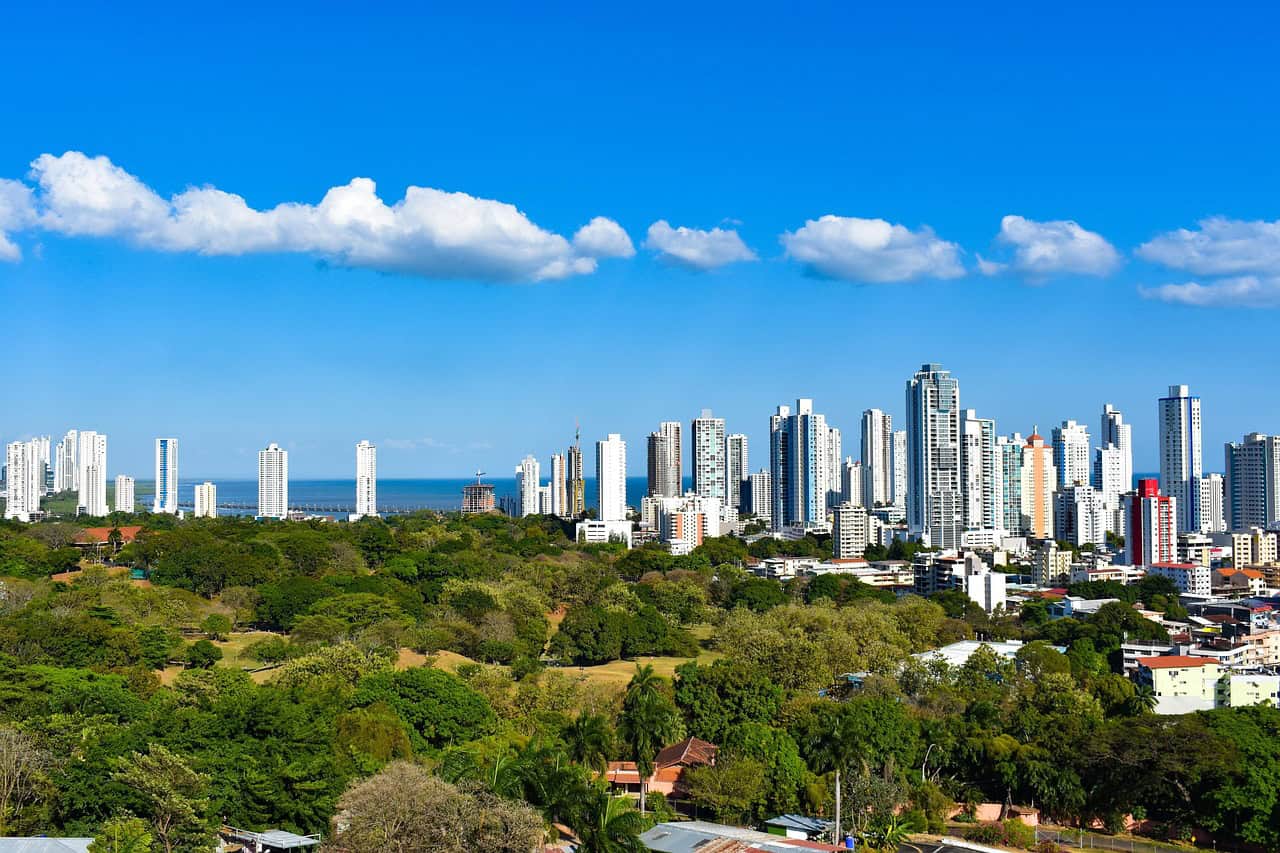
Colombia still carries a reputation shaped by stories about cartels, kidnappings, and violence from decades ago. While some areas remain dangerous, much of the country has changed dramatically. Cities like Medellin, Cartagena, and Bogota have become major tourist destinations with strong police presence, busy public spaces, and growing tourism industries. Travelers are often surprised by how friendly people are and how normal daily life feels. The biggest challenge in many places is not safety, but deciding how to fit in everything the country has to offer.
Mexico
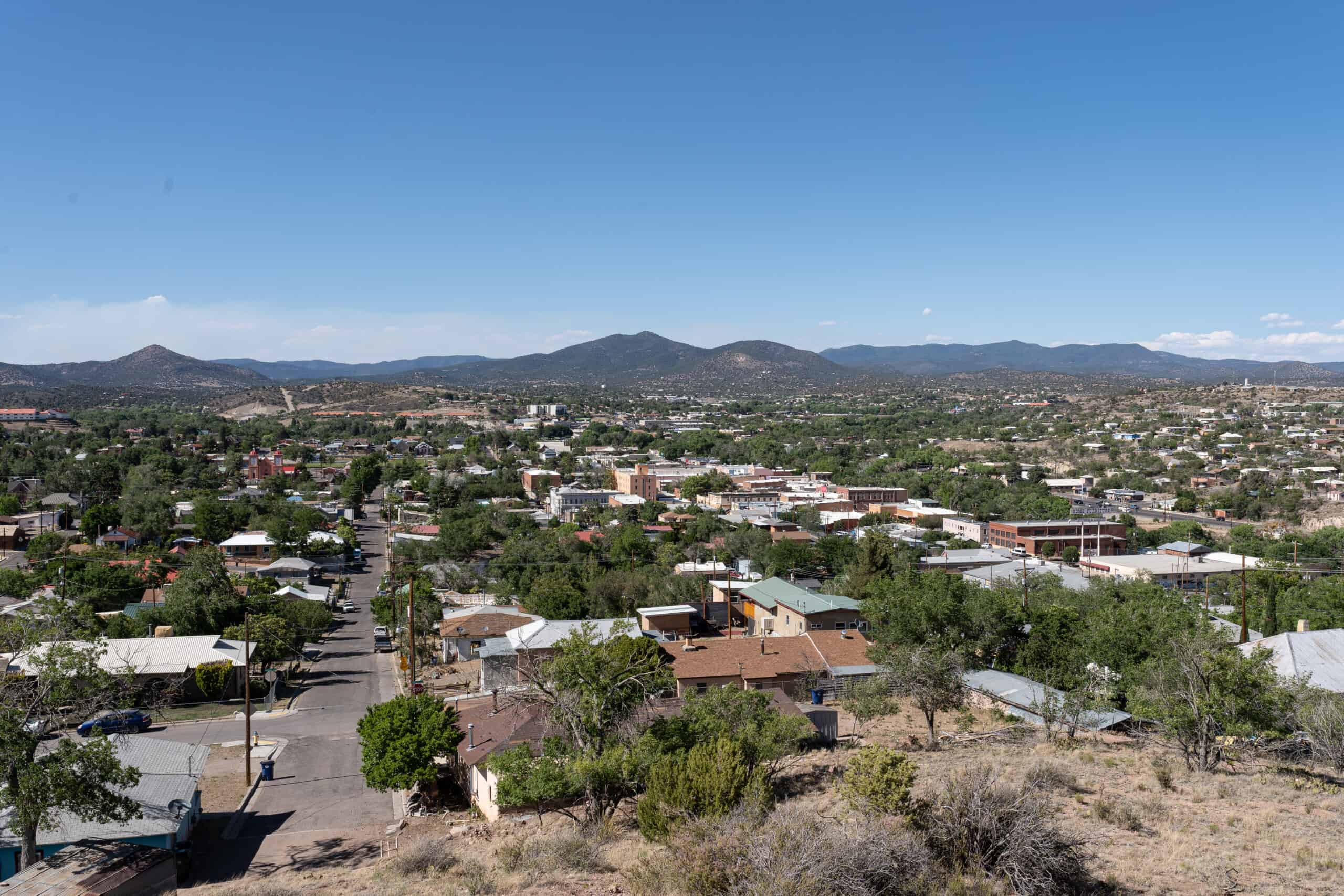
Mexico is often judged by news stories about cartel violence, but those headlines rarely reflect what most travelers actually experience. Popular destinations like Merida, Puerto Vallarta, Oaxaca, and San Miguel de Allende are known for being peaceful and welcoming. Millions of Americans visit every year without major issues, especially in places built around tourism. Like any country, some regions are safer than others, but many visitors leave surprised by how relaxed and enjoyable everyday life feels.
Vietnam
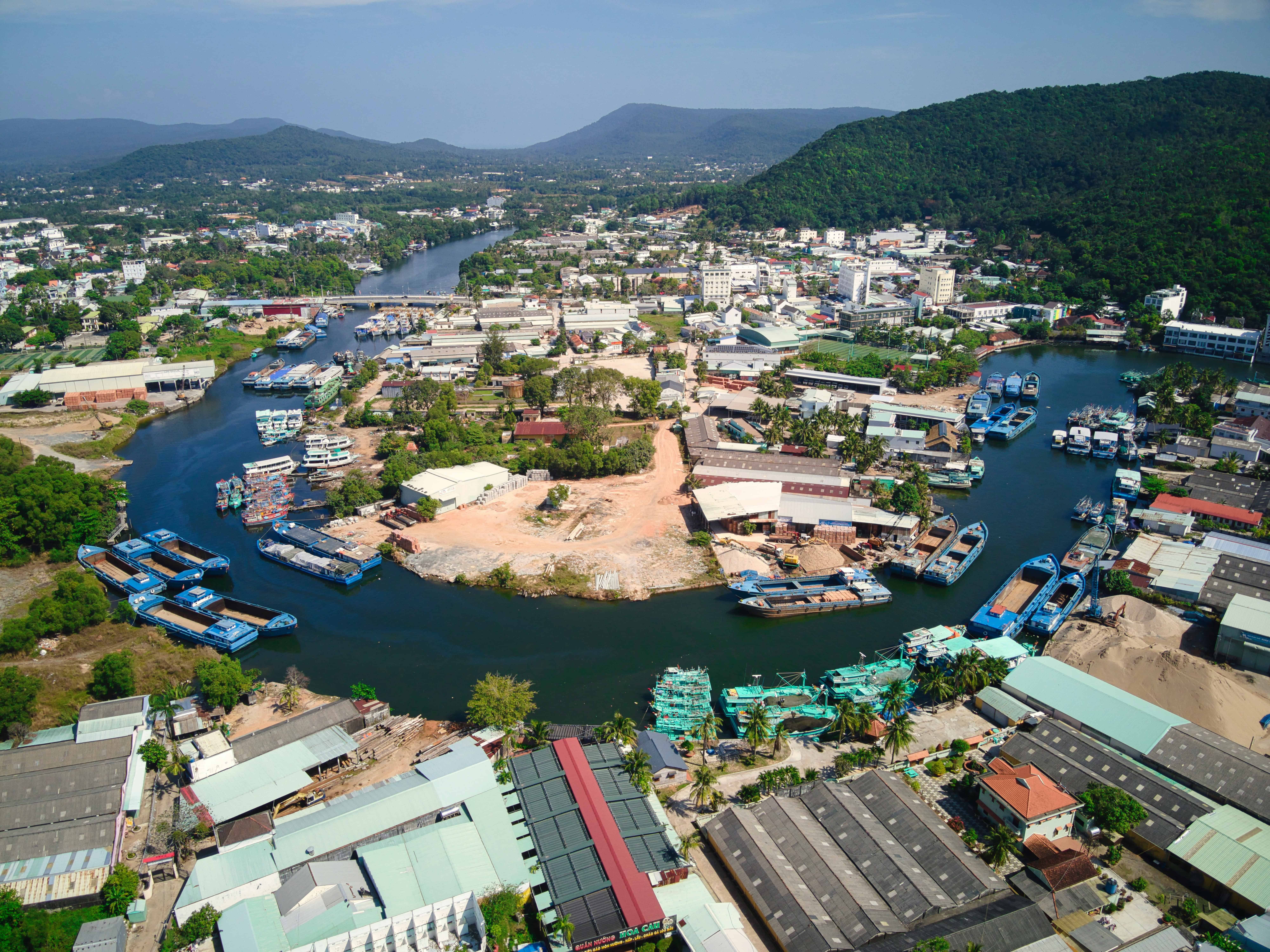
Vietnam is still viewed by some Americans through the lens of war history, even though modern Vietnam feels nothing like that image. The country has low violent crime rates, strong local communities, and a culture that often feels warm and welcoming. Cities like Hanoi and Ho Chi Minh City can be loud and crowded, but they are not especially dangerous. Most visitors spend more time navigating traffic, trying street food, and exploring markets than worrying about personal safety.
Romania
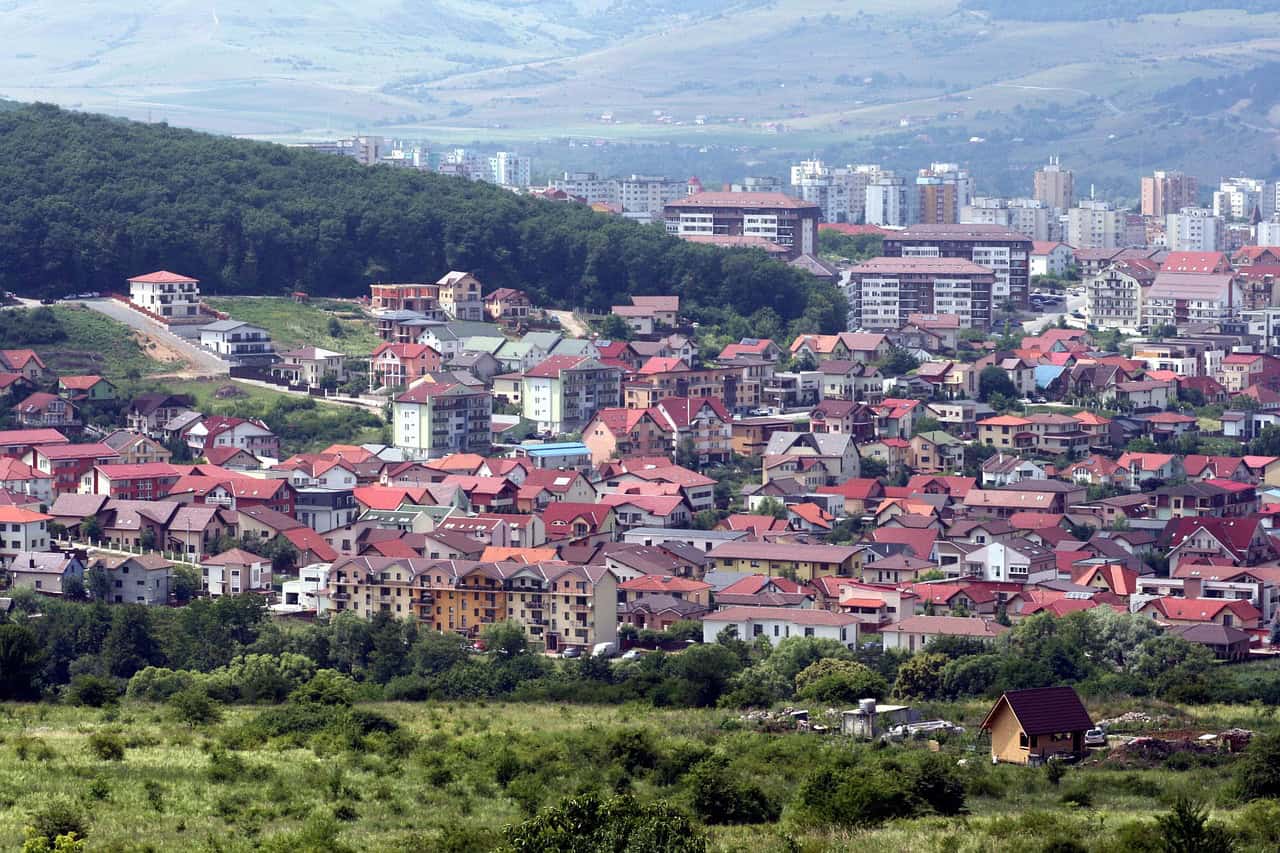
Romania often suffers from outdated assumptions tied to poverty, corruption, or old political instability. In reality, it is one of Europe’s more underrated destinations, with charming cities, mountain towns, and a growing tourism scene. Places like Bucharest, Brasov, and Sibiu are easy to explore and generally feel safe for travelers. Petty theft can happen, especially in busy areas, but violent crime is relatively uncommon. Most people leave Romania wondering why they waited so long to visit.
Jordan
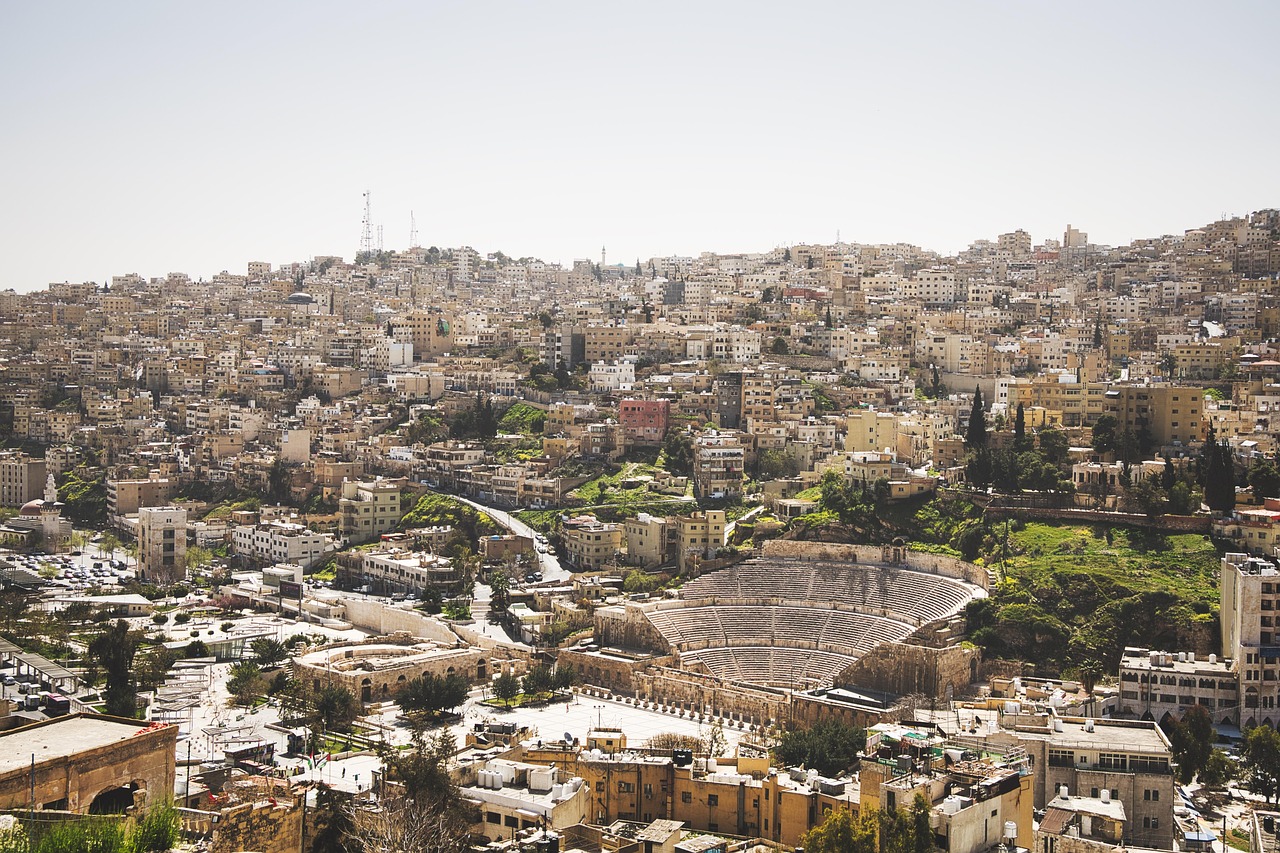
Jordan is often misunderstood because many Americans view the entire Middle East as dangerous. Despite being located in a complicated region, Jordan has remained relatively stable for years. Travelers often describe the country as calm, organized, and welcoming. Petra, Wadi Rum, and Amman continue to attract tourists from around the world, while local hospitality stands out as one of the country’s strongest qualities. Many visitors are surprised by how safe and comfortable daily life feels there.
Albania
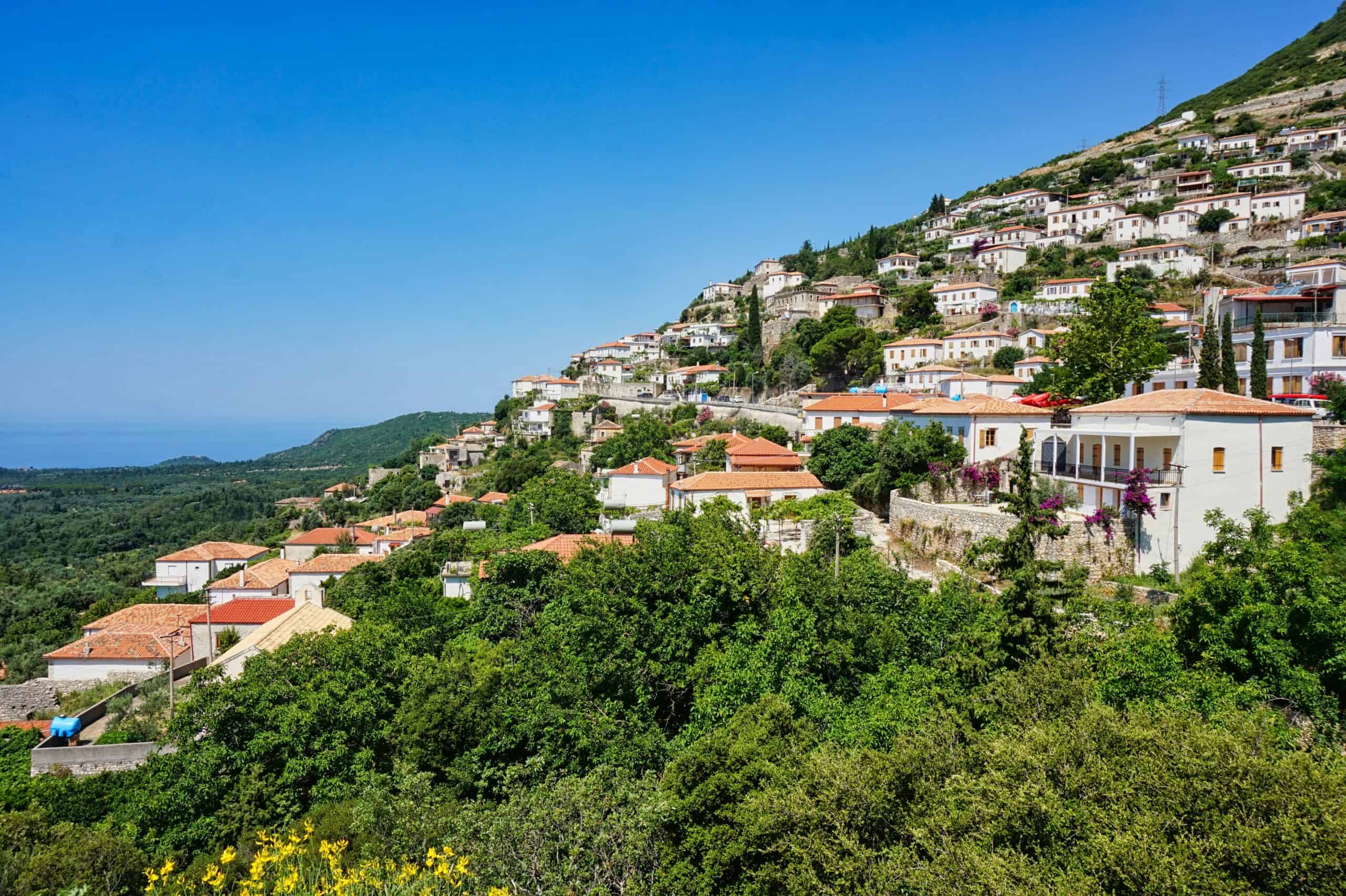
Albania still carries an image shaped by its communist past and years of isolation from the rest of Europe. Today, the country feels very different. Coastal towns, mountain villages, and cities like Tirana attract travelers looking for something more relaxed and less crowded than Western Europe. Crime rates remain fairly low in many parts of the country, and locals are often known for being especially welcoming to visitors. Albania feels far more approachable than many people expect.
South Korea

South Korea is sometimes viewed as dangerous because of its tense relationship with North Korea. In reality, daily life in cities like Seoul and Busan feels extremely safe and highly organized. Public transportation is reliable, violent crime is low, and people regularly stay out late without concern. Travelers are often surprised by how modern and efficient everything feels. Most leave with the impression that South Korea is one of the easiest countries in Asia to explore.
Georgia
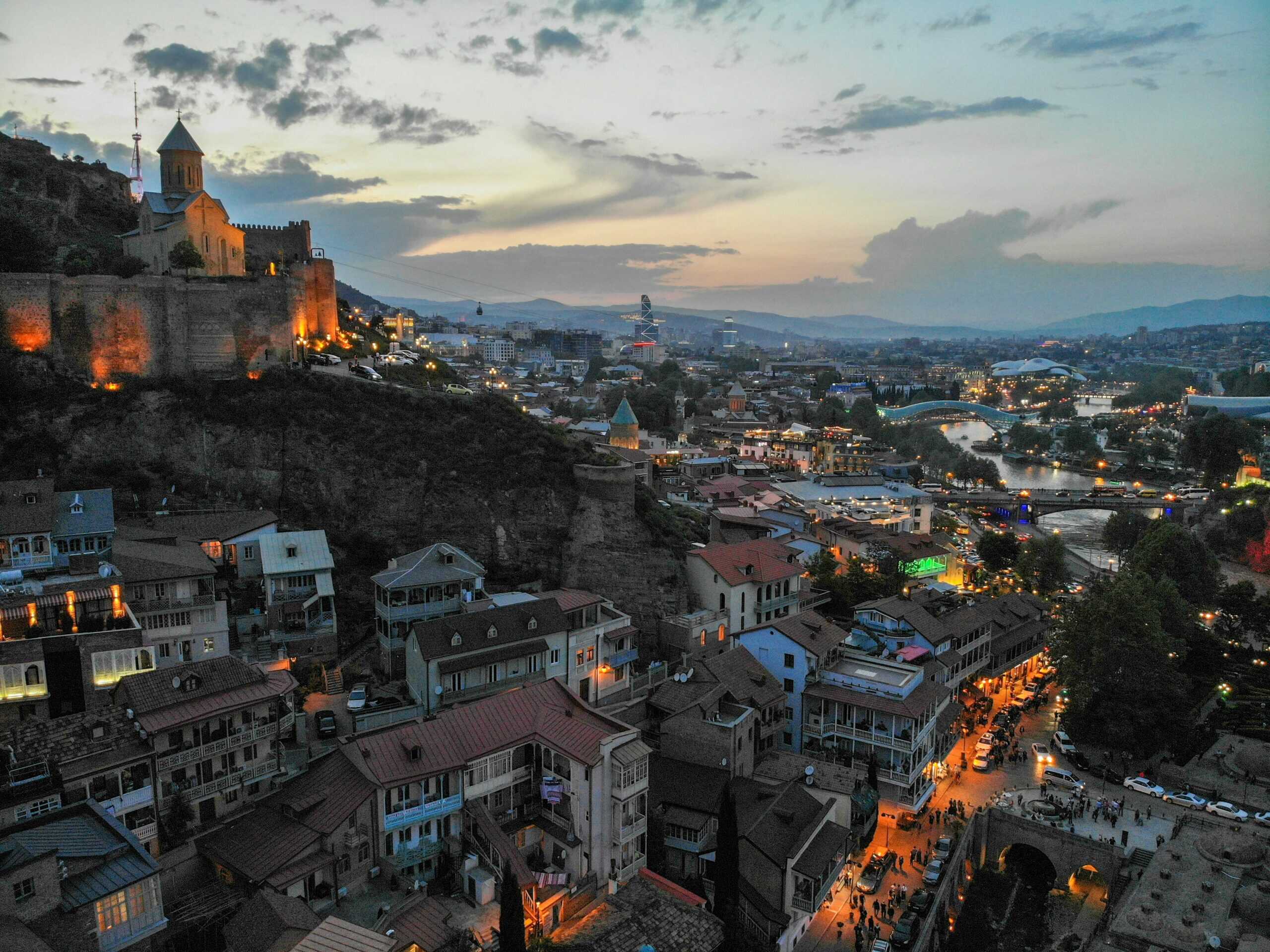
Georgia remains unfamiliar to many Americans, which often makes it seem riskier than it really is. The country has become increasingly popular with travelers because of its mountain scenery, historic towns, and welcoming culture. Tbilisi feels lively and safe, with walkable neighborhoods, busy cafes, and a strong tourism industry. Visitors still need to stay aware of local customs and politics, but many leave surprised by how easy and comfortable the country feels overall.
Nicaragua
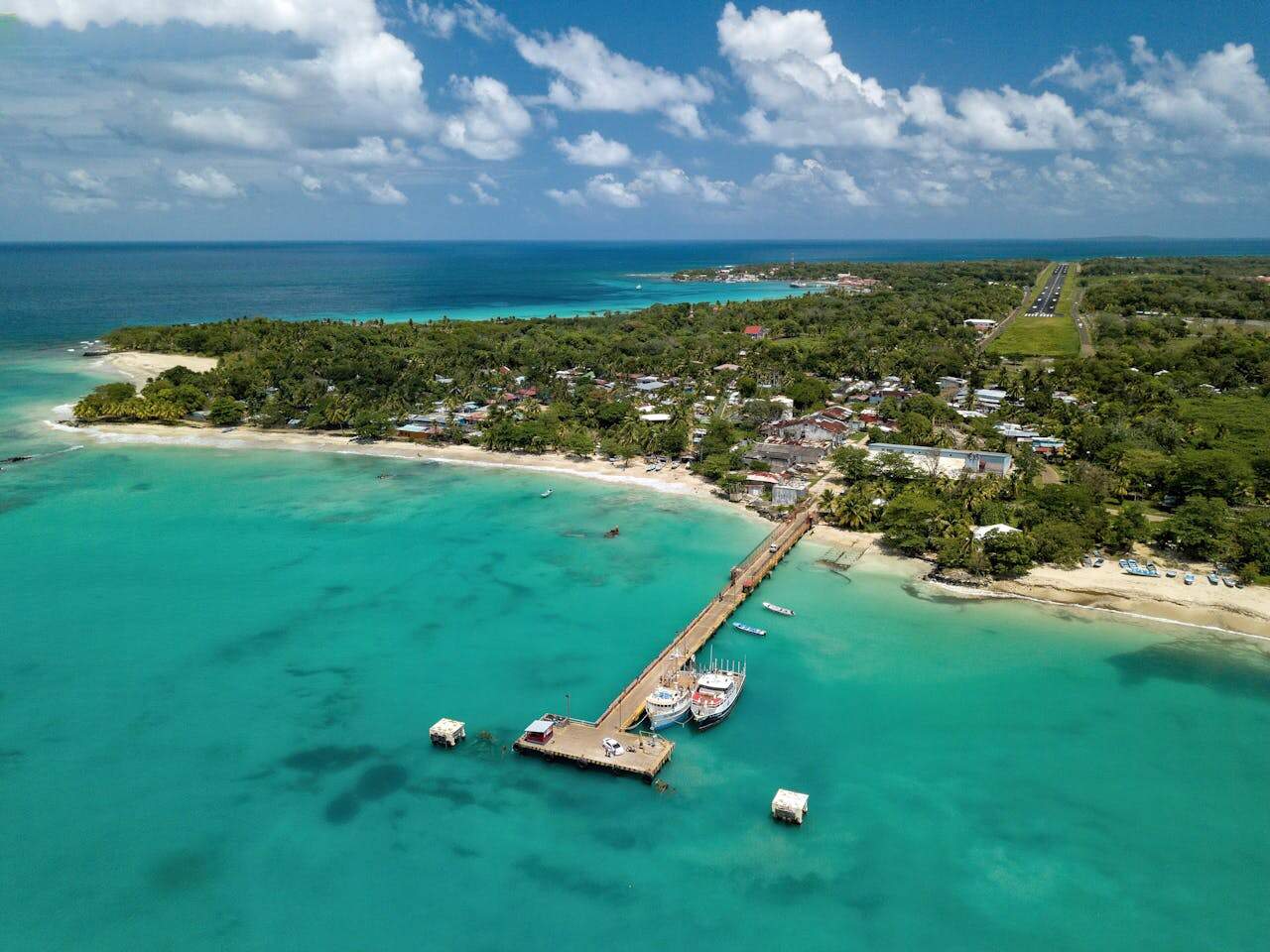
Nicaragua is often grouped together with negative headlines about Central America, even though many of its most popular destinations remain peaceful. Cities like Granada and Leon are known for colorful streets, slower pace, and strong local culture. Travelers who visit often find that the atmosphere feels quieter and less crowded than nearby tourist destinations. While common sense is still important, most people experience Nicaragua as a calm and affordable place to explore.
Mongolia
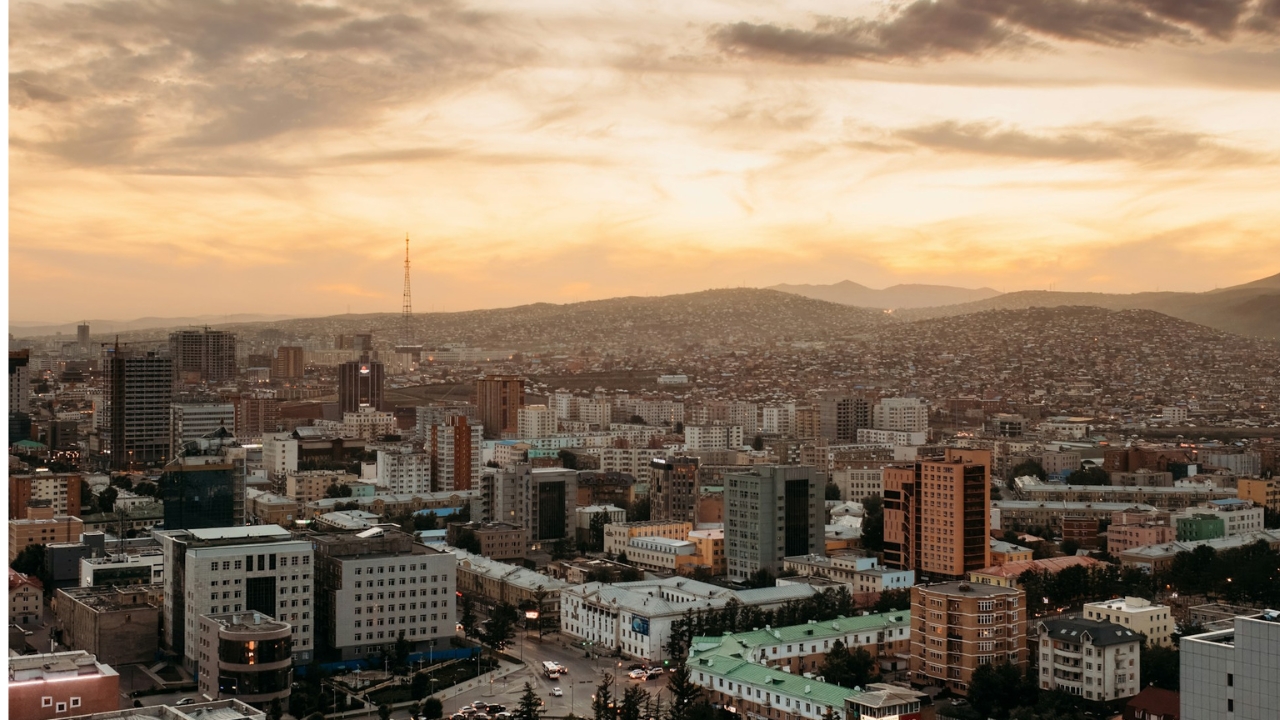
Mongolia may seem intimidating because of its remote landscapes, harsh winters, and unfamiliar culture. In reality, it is one of the safer destinations for travelers who come prepared. Violent crime is relatively low, and people are often known for their generosity and hospitality. The country’s wide open spaces, quiet countryside, and slower pace create a feeling of calm that many visitors do not expect. Mongolia often leaves travelers feeling far more comfortable than they imagined before arriving.