I’ve Visited Over 100 European Cities, Here Are the 5 I’ll Never Get Back To
We may earn money or products from the companies mentioned in this post. This means if you click on the link and purchase the item, I will receive a small commission at no extra cost to you ... you're just helping re-supply our family's travel fund.
After 100-plus stops across Europe, one seasoned traveler noticed a pattern: the places that looked most famous on a feed were not always the ones worth repeating. Some cities felt strained by crowds, priced for bragging rights, or shaped around one narrow version of tourism. Others were simply mismatched to the traveler’s pace, even if they were beautiful on paper. The result is a short, honest set of returns that will not happen, paired with the quieter lesson that a great trip is often more about fit than prestige.
Venice, Italy
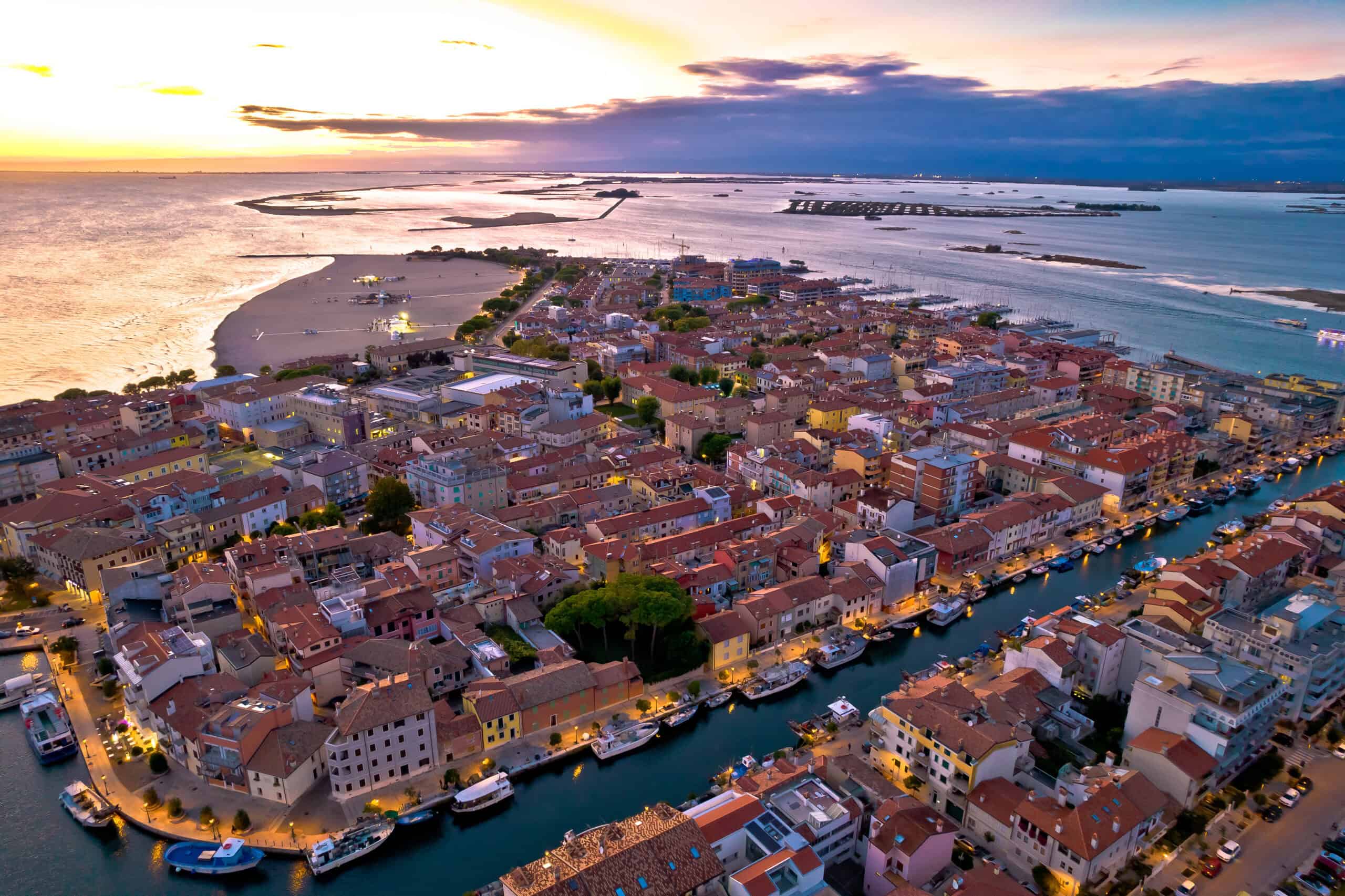
Venice still stuns at first glance, but the day can feel like negotiating a moving crowd more than savoring a city, even outside the hottest weeks. Queues at vaporetto stops, bottlenecks in narrow lanes, and fast-turnover day trips compress the magic into brief, photo-shaped moments, while meals and beds often carry a premium for the setting. That pressure is partly why Venice runs an access fee for day visitors on selected peak dates, typically 8:30 a.m. to 4 p.m., with €5 for advance purchase and €10 when booked late. For that traveler, the beauty stopped offsetting the friction, and slower lagoon corners felt like the real prize again.
Dubrovnik, Croatia
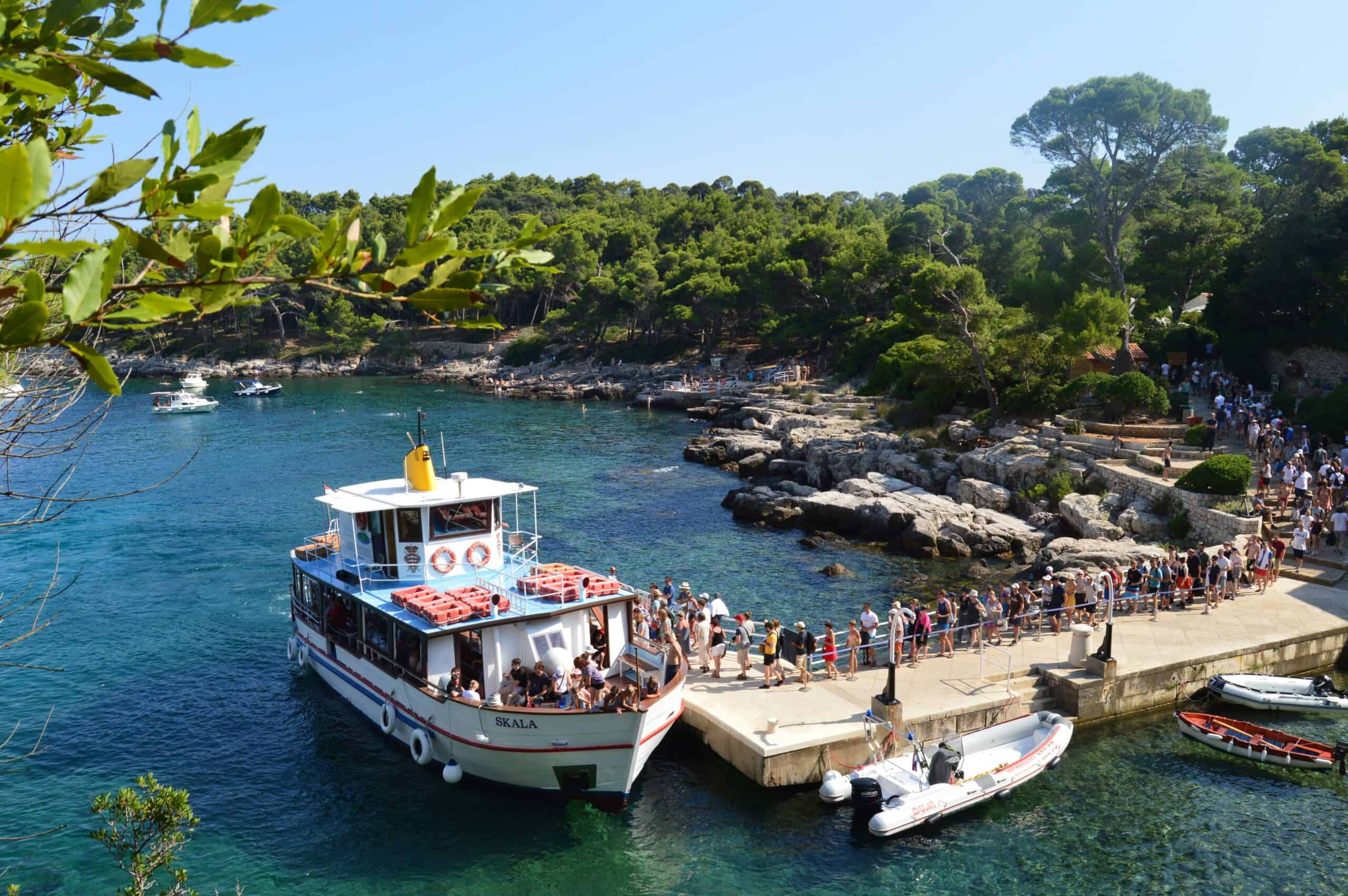
Dubrovnik’s stone walls and Adriatic light are unforgettable, but the Old Town can feel like a narrow hallway once cruise schedules align. On heavy days, Stradun and the gates move in slow waves, cafés turn into queue lines, and prices often climb with the demand, while official crowd controls hint at the strain, including limits on cruise visitors of about 4,500 a day, or two ships at a time. For that traveler, the city’s best version appeared at sunrise and after dinner, when the streets finally breathed, which made another peak-season return feel unnecessary, especially in July and Aug., when heat and crowds stack near the gates and steps.
Mykonos Town, Greece
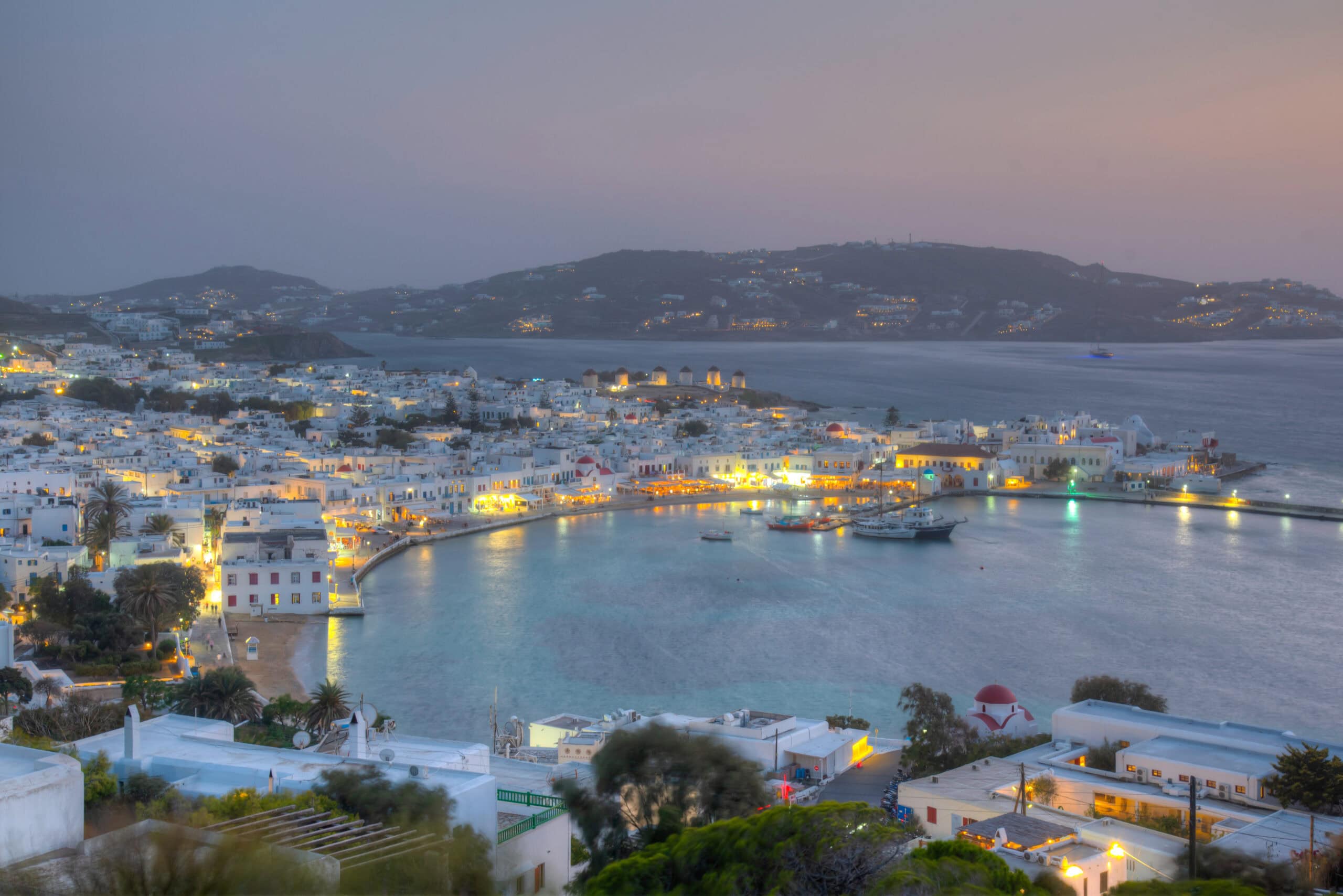
Mykonos Town can feel less like an island village and more like a stage set built for peak-season spending, where the scenery is flawless and the vibe is relentlessly curated. In summer, tight lanes fill fast, so dinner reservations become a sport, and even simple beach time can turn into a pricey, organized production, with music carrying into the night and cruise-day surges spiking crowds, a pressure that has pushed Greece to discuss and roll out measures aimed at overtourism and added costs in hotspots. For that traveler, the charm got drowned out by the transaction, and quieter Cycladic islands started to feel like the better use of time.
Monaco (Monte Carlo), Monaco
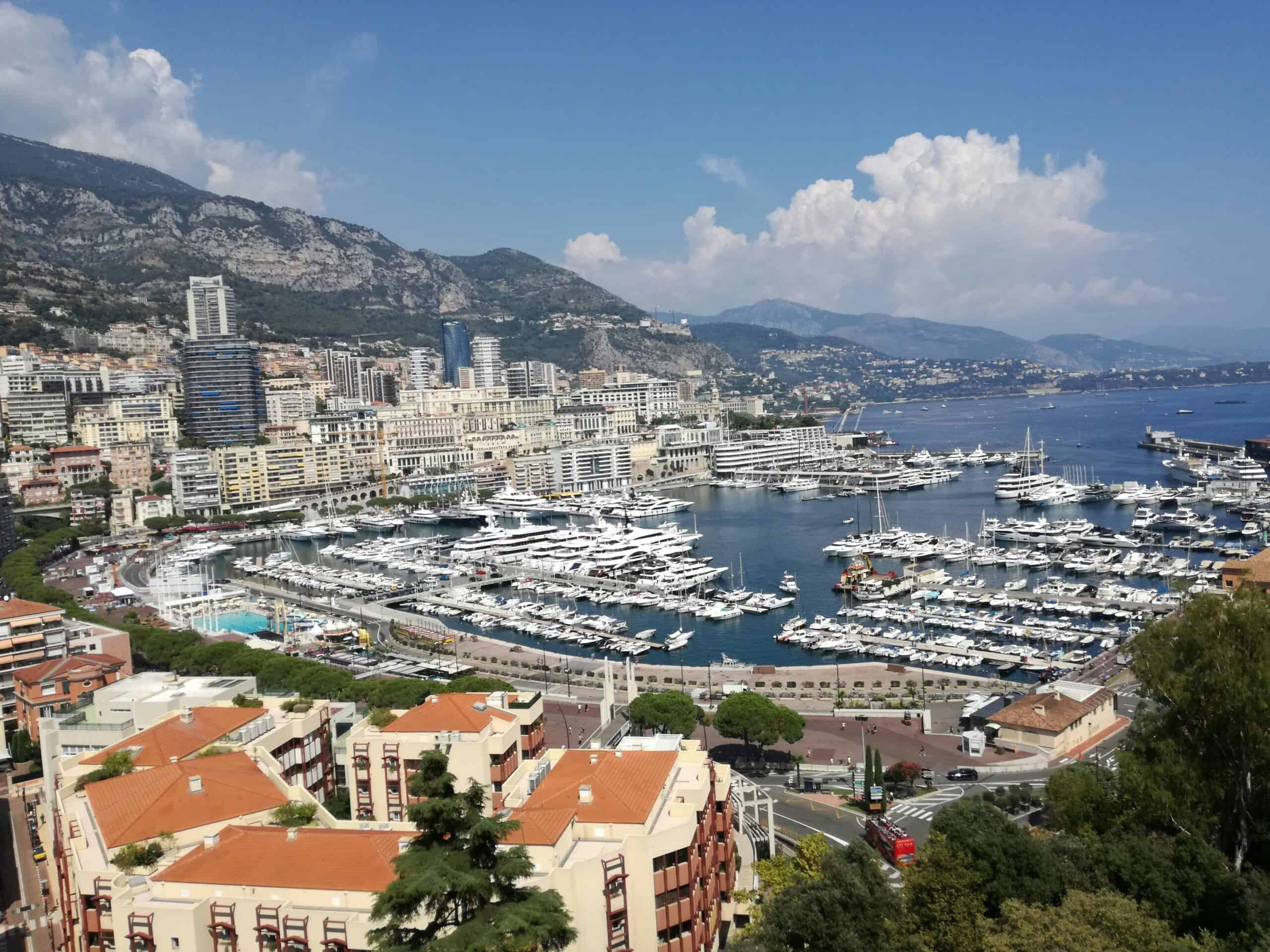
Monaco looks glamorous in a quick pass, but it can feel more like a showroom than a city with room to wander, linger, and get pleasantly lost beyond the casino loop. Space is cramped and prices are famously extreme; one widely cited benchmark notes that $1 million buys only about 19 square meters of prime property, and the principality has even reclaimed land from the sea to create more room, which helps explain why so much of daily life is curated for luxury. For that traveler, the harbor sparkle did not outweigh the sense of being priced out of spontaneity, and nearby Riviera towns felt warmer, looser, and more human on ordinary afternoons.
Reykjavík, Iceland
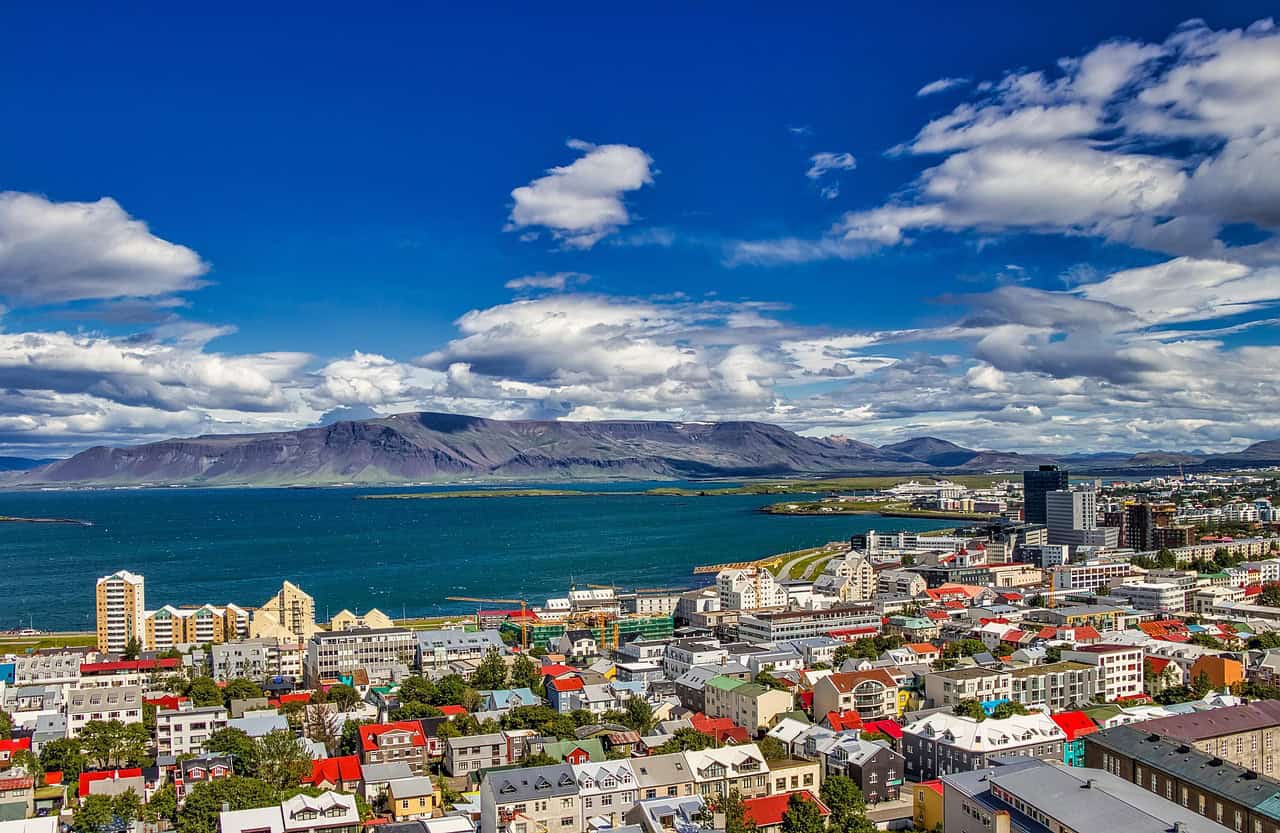
Reykjavík is charming, safe, and creative, yet it can feel like a compact hub city carrying big-ticket prices, where the downtown loop starts repeating after a day or two. Food and lodging often run high for Europe, and common guides note restaurant meals frequently landing around $15 to $40, a cost tied to imports and local wages, which adds up fast on short stays, especially when winds and rain keep evenings indoors. For that traveler, the strongest memories lived outside the capital in hot springs, waterfalls, and long empty roads, so Reykjavík became a practical gateway rather than a place worth repeating for its own sake year after year