Bali in 2026 Has New Rules for Americans — What You Need to Know Before You Book
We may earn money or products from the companies mentioned in this post. This means if you click on the link and purchase the item, I will receive a small commission at no extra cost to you ... you're just helping re-supply our family's travel fund.
If you’ve been dreaming about Bali — the rice terraces, the temples, the $8 cocktails at a beach club while the sun melts into the Indian Ocean — here is the cold, practical truth: the rules have changed, and Americans who don’t do their homework before booking are showing up at the airport unable to board their flight. This guide covers everything you need to know before you go in 2026, including the new visa requirements, the tourist levy, what your money actually buys, and the behavior rules that can get you fined or deported.
The Visa Reality for Americans in 2026

Let’s start with the most important thing. US citizens no longer have visa-free access to Indonesia. The days of landing at Ngurah Rai International Airport and paying $35 on the spot are over. Americans must now apply for a B1 Electronic Visa on Arrival (e-VOA) before they travel, through the official Indonesian immigration portal at evisa.imigrasi.go.id.
The cost is IDR 500,000, which works out to approximately $30 USD at current exchange rates. The visa is valid for 30 days from the date of entry and can be extended once for another 30 days — giving you a maximum stay of 60 days. If you try to show up without completing the online application first, you will not receive a visa at the counter without prior approval. Don’t test this.
The Bali Tourist Levy
On top of the visa, Indonesia implemented a mandatory tourist levy for all foreign visitors. The fee is IDR 150,000 — approximately $10 USD per person. You pay this separately from the visa, and it is not optional. Combined with the e-VOA, your total entry cost as an American arriving in Bali is now roughly $40-45 USD before you’ve taken a single photo.
The levy is part of Indonesia’s broader effort to fund cultural preservation and infrastructure in Bali, where overtourism has strained local resources for years. Think of it as an investment — Bali is genuinely one of the most beautiful places on earth, and $45 to enter is still extraordinary value.
The Indonesia Arrival Card: Don’t Skip This Step
All arrivals — including Americans — must complete the Indonesia Arrival Card online within 3 days before their flight departs. This is digital paperwork covering health declarations, customs declarations, and your visa information. The card is submitted at inaportpass.imigrasi.go.id. Missing this step can slow you down significantly at immigration, and some travelers report being turned away during boarding if the card is not completed.
How to Apply for the B1 e-VOA Step by Step
Step 1: Check Your Passport Validity
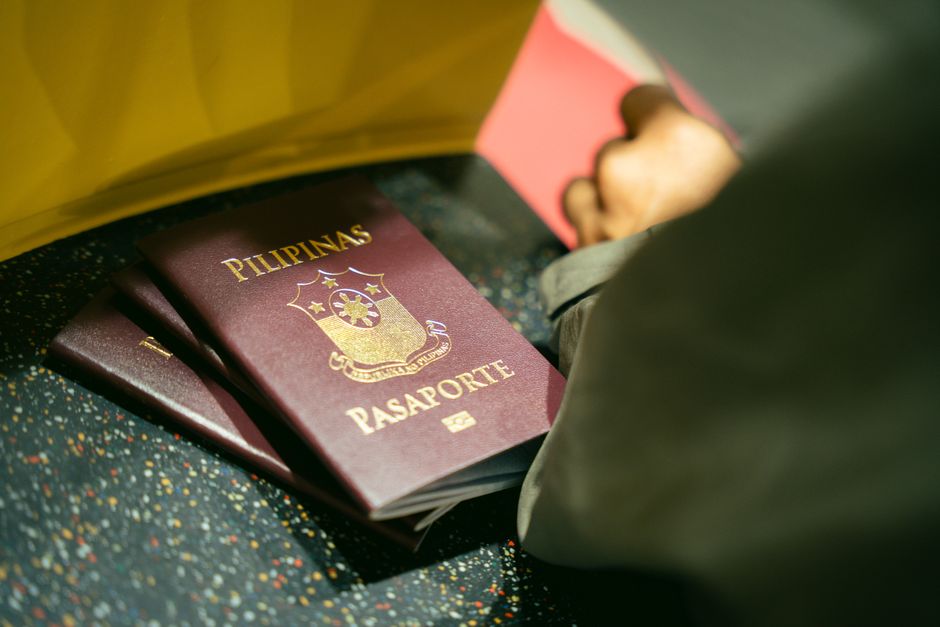
Your passport must be valid for at least 6 months beyond your intended entry date. This is the single most common mistake — Americans show up with a passport expiring in 3-4 months and get denied. Check the date right now before you book anything.
Step 2: Go to the Official Portal
Navigate to evisa.imigrasi.go.id. Do not use any third-party visa service for this — the official portal is straightforward, and paying a middleman service $60-80 for something you can do in 15 minutes is unnecessary.
Step 3: Create Your Account and Fill Out the Application
You’ll need a scan or clear photo of your passport bio page, a recent passport-style photo, your travel itinerary (flight details and accommodation address), and a valid email address. Fill out the form carefully — errors in your name or passport number will cause rejections.
Step 4: Pay the Fee
Payment of IDR 500,000 (~$30 USD) is made via credit or debit card through the portal. Keep your receipt and confirmation email.
Step 5: Receive Your e-VOA
Processing typically takes 3-5 business days, though many travelers report faster turnaround. You’ll receive a PDF with a QR code. Print it or have it accessible on your phone. You will show this at immigration when you arrive.
Step 6: Complete the Indonesia Arrival Card
Within 3 days before your flight, complete the digital arrival card at inaportpass.imigrasi.go.id. This is separate from the visa. Both documents together = smooth immigration entry.
Common Mistakes That Derail Bali Trips
- Passport expiring within 6 months of travel — always the #1 issue
- Skipping the arrival card or completing it too early (must be within 3 days)
- Using unofficial visa sites and overpaying or getting fraudulent documentation
- Assuming the e-VOA extension is automatic — you must apply for the extension at an immigration office in Bali before your first 30 days expire
- Not having your hotel/accommodation address ready during the application
Bali’s Best Areas: Where to Stay and Why

Bali is not one place — it’s a collection of very different worlds depending on what you’re looking for. Here’s an honest breakdown of the main areas.
Seminyak: Beach Clubs, Sunsets, and Nightlife
Seminyak is Bali’s most sophisticated beach area — think Potato Head Beach Club, Ku De Ta, designer boutiques, and some of the island’s best restaurants. It’s polished, beautiful, and slightly more expensive than other areas. A decent hotel here runs $60-120/night. Sunset drinks at a beach club will run $15-25 per person for a cocktail, but the view is worth every rupiah.
- Potato Head Beach Club — iconic sunset spot, cocktails from $10
- Petitenget Temple — small and gorgeous, free entry (sarong required)
- Seminyak Square — boutique shopping, local brands
Ubud: Rice Terraces, Temples, and Wellness
Ubud is spiritual, lush, and genuinely magical. This is where you go for the Tegallalang rice terraces, the Sacred Monkey Forest, cooking classes, traditional dance performances, and the kind of wellness retreat that makes you feel like a different person. It sits in the highlands and is noticeably cooler than the coast — bring a light layer.
- Tegallalang Rice Terraces — entry IDR 50,000 (~$3), morning light is stunning
- Tirta Empul Temple — ritual bathing springs, sacred and incredibly photogenic
- Traditional Kecak Fire Dance at Uluwatu or Ubud — IDR 100,000-150,000 (~$6-10)
- Yoga and wellness retreats — some of the best-value in the world, $10-20/class
Canggu: The Digital Nomad Scene
Canggu has exploded over the last five years into Bali’s hippest neighborhood — co-working cafés, organic brunch spots, surf breaks at Echo Beach, and a distinctly international crowd. It can feel a little too self-consciously cool, but the coffee is excellent and the vibe is infectious. Accommodation here runs $30-80/night for everything from hip guesthouses to stylish villas.
Uluwatu: Clifftop Temples and World-Class Surf
Uluwatu sits on Bali’s southern Bukit Peninsula, perched on dramatic limestone cliffs above the Indian Ocean. The Uluwatu Temple is genuinely breathtaking — visit at sunset for the Kecak Fire Dance performance against the cliff backdrop. The surf breaks here (Uluwatu, Padang Padang, Bingin) are legendary. The vibe is more laid-back and surfer-focused than Seminyak.
Nusa Penida: The Day Trip That Will Break Your Brain
Nusa Penida is a 45-minute fast boat ride from Sanur (boat ~$30 round trip). This island is where you see Bali’s most dramatic landscapes — Kelingking Beach’s T-Rex shaped cliff face (one of the most photographed spots in Southeast Asia), Angel’s Billabong, Broken Beach. It is not easy — the roads are rough, the hikes to the viewpoints are steep. Go with a day tour ($30-50 including transport and guide) and wear proper shoes.
The Rules That Can Get You Deported
Indonesia is increasingly serious about tourist behavior in Bali, and the consequences have escalated dramatically since 2024. A dedicated tourist police force now actively monitors and responds to reported violations.
Temple Etiquette Is Non-Negotiable
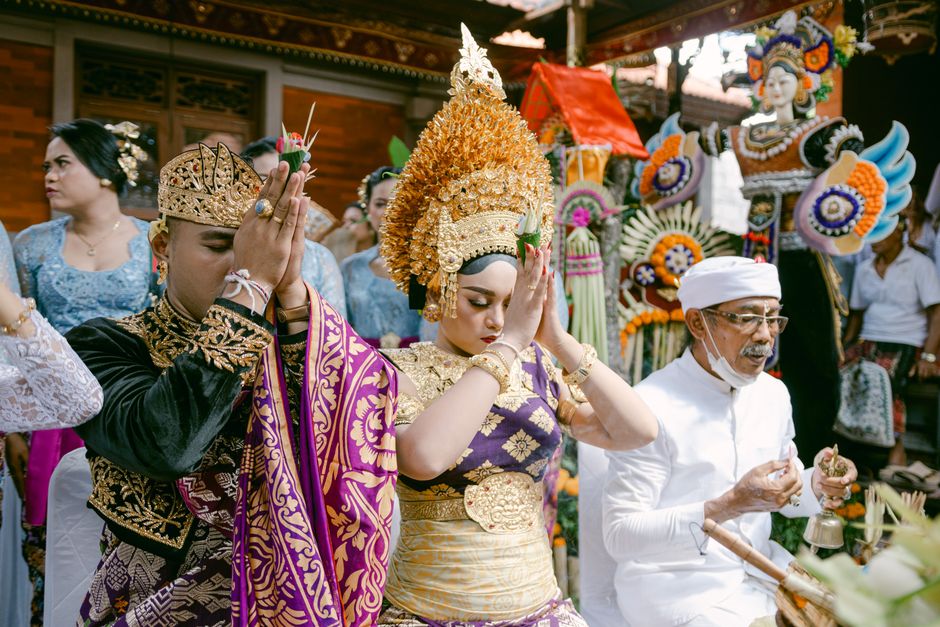
Every temple in Bali requires a sarong to be worn. Many temples rent them at the entrance for IDR 10,000-20,000. Shorts alone — even long shorts — are not sufficient. You must have a sarong wrapped around your waist. Entering a temple improperly dressed, refusing to wear a sarong, or behaving disrespectfully inside can result in removal from the temple, fines, and in serious cases, visa cancellation and deportation.
Do Not Climb or Touch Sacred Objects
Fines and deportation orders have been issued to tourists who climbed sacred trees, sat on temple statues for photos, or entered restricted areas within temples. A Russian tourist was deported in 2024 for disrespecting a sacred tree. The Balinese people have centuries of spiritual tradition tied to these sites. Treat them with the same respect you’d want someone to show in your own place of worship.
The Tourist Police Are Watching
Since 2024, Bali has deployed tourist police officers in major tourist areas who respond to reports of bad behavior. Reports can be made by locals and other tourists alike. Violations that can trigger action include: riding a motorcycle without a helmet, disrespecting local customs, public drunkenness, and aggressive behavior toward vendors.
What $50 a Day Actually Gets You in Bali

This is the question everyone asks, and the honest answer is: quite a lot, but it takes some strategy.
- Accommodation: a clean, air-conditioned guesthouse or homestay in Ubud or Canggu — $15-25/night
- Breakfast: nasi goreng or mie goreng at a local warung — $2-3
- Lunch: local restaurant — $4-6
- Dinner: nicer local restaurant or midrange spot — $8-12
- Scooter rental: $5-7/day (most popular local transport)
- Temple entries and activities: $5-10
- Total: $40-60/day — comfortable, authentic, excellent
At $150/day, you’re staying in a villa with a private pool ($80-100/night), eating at upscale restaurants, doing organized tours, and experiencing Bali the way it appears in luxury travel magazines. Both budgets are genuinely good here.
Best Time to Visit Bali

The dry season runs April through October — this is peak season and the best weather for beach and outdoor activities. July and August are the absolute peak months; expect higher prices and more crowds.
The wet season (November through March) brings afternoon rain showers, but Bali is still beautiful and prices drop 20-30%. If you’re going in the wet season, plan activities for mornings.
One date to know: Nyepi, Bali’s Hindu Day of Silence, typically falls in March. For 24 hours, the entire island goes silent — no vehicles, no outdoor activity, no noise, no light. Tourists are required to stay in their hotel or villa for the full day. The airport closes. It’s actually a profound experience if you’re prepared for it, but if you book flights landing on Nyepi without knowing, you will literally be unable to enter.
Check the Nyepi date before you book. In 2025 it fell on March 29. For 2026, check the Balinese Hindu calendar — it shifts each year.
Bali in 2026 is still extraordinary — arguably the world’s best value for natural beauty, culture, food, and warmth per dollar spent. Just do your paperwork before you fly.