What Airline Status Actually Gets You That Coach Passengers Never See — and Whether It’s Still Worth Chasing
We may earn money or products from the companies mentioned in this post. This means if you click on the link and purchase the item, I will receive a small commission at no extra cost to you ... you're just helping re-supply our family's travel fund.
Most people who’ve never had airline status assume it’s about upgrades. Get enough miles, get bumped to business class. That’s the story the airlines lead with because it’s aspirational and simple. The reality of top-tier status — the kind that frequent business travelers accumulate over years — is considerably stranger and more interesting than that.
There is a parallel flying experience happening inside the same airports and on the same planes as the economy experience. It involves different queues, different phones, different responses to problems, and a set of invisible interventions that happen without the status-holder ever having to ask. If you’ve never seen it from the inside, it’s almost implausible.
The Visible Benefits Everyone Knows About

These are on the comparison charts and everyone with status is familiar with them:
- Priority boarding: Group 1 or equivalent boarding, which means overhead bin space before it’s gone and a settled start to every flight.
- Free checked bags: Gold level and above on most major U.S. carriers includes 1–2 free checked bags. At $35–$40 per bag each way, a traveler checking bags twice a month saves $1,680–$1,920 annually from this benefit alone.
- Upgrade eligibility: Complimentary upgrades to first or business class when seats are available at departure. Availability varies enormously by route and carrier — United 1K members get substantially more upgrades than United Gold on domestic routes. On international routes, complimentary upgrades are increasingly rare across all carriers.
- Bonus miles: Status members earn 50–150% more miles on paid flights than the base rate. This compounds over time.
- Dedicated phone lines: Status members have access to phone numbers that connect faster and to more experienced agents. During irregular operations (weather delays, cancellations), this is not a small thing.
The Invisible Benefits That Actually Change the Experience
This is the part that doesn’t appear on comparison charts:
- Same-day change fees waived silently: Top-tier members can switch to an earlier or later same-day flight at no charge, often without even asking. This flexibility is worth hundreds of dollars to someone who finishes a meeting early and wants to catch the 4pm instead of the 7pm.
- IRROPS (irregular operations) priority: When flights are cancelled, high-status passengers are proactively rebooked — often before they even know the flight is cancelled — onto the next available departure, including partner airline flights and first class if that’s what’s available. An economy passenger waits in the 90-minute rebooking line. A top-tier member’s phone rings.
- The complimentary upgrade list position: It’s not just about being on the upgrade list — it’s about where on the list. Status tier, fare paid, and recency of travel all factor in, and the highest-tier members on the highest fare codes move to the top. On a heavily booked flight, the difference between position 1 and position 6 on the upgrade list is the difference between a flat-bed seat and a middle seat in economy.
- Overage fees waived: Overweight bag? Extra bag? Late check-in fee? Top-tier status members report these being waived without request, often by agents who check the passenger’s record before charging.
- Proactive seat protection: If a high-status passenger is booked in an aisle seat and the aircraft changes before departure (equipment swap), the system attempts to protect their seat assignment. Economy passengers get whatever’s left.
What Happens at the Gate That Nobody Sees
Gate agents have a screen with every passenger’s status in front of them. There are things they do for high-status passengers that the passengers themselves often don’t know about:
- Moving high-status passengers off oversold flights last — or not at all — even when others are being asked to volunteer
- Holding a flight 2–3 minutes for a connecting high-status passenger when doing so doesn’t materially impact operations
- Pre-clearing upgrades before the aircraft even opens, so the status passenger boards into the seat they were assigned rather than standing at the gate in a queue
- Intervening in seat disputes in favor of the higher-status passenger when another passenger has taken the seat
None of this is officially documented. It’s the accumulated knowledge of gate agents who have been told, explicitly or implicitly, that retaining top-tier flyers matters.
Lounge Access: The Tier That Matters

Lounge access is where the status experience most dramatically diverges from the standard experience, and the quality difference between lounge tiers is significant:
- Base lounge access (Gold/Silver equivalent): Domestic Admirals Club, Delta Sky Club, United Club — these have gotten dramatically more crowded since Priority Pass and credit card access expanded the eligible population. Hot food, alcohol, fast Wi-Fi, quiet seating. Not empty.
- Mid-tier domestic lounge: Better versions of the same. Delta has invested heavily in Sky Club quality. American Flagship Lounges at major hubs are genuinely premium — hot food made to order, better bar.
- Top-tier international lounges: This is where the experience becomes surreal for someone accustomed to economy. Cathay Pacific’s The Pier in Hong Kong has individual shower suites, a noodle bar, a full restaurant with table service. Singapore Airlines’ private suites lounge. Etihad’s First Class lounge in Abu Dhabi. These are not airport food halls with better lighting. They are places where you want to arrive at the airport early.
- U.S. domestic top tier: American Flagship First Dining rooms (JFK, LAX, ORD, MIA) require either top-tier status or a first class international ticket and offer a sit-down pre-flight meal. This benefit is accessed by a tiny fraction of passengers and is genuinely excellent.
How Status Is Earned and What the Thresholds Look Like
Status has evolved significantly. Most major carriers now use a combination of:
- Segments flown: Number of individual flight legs
- Miles/Loyalty Points flown: Distance and/or a points value attached to each fare class
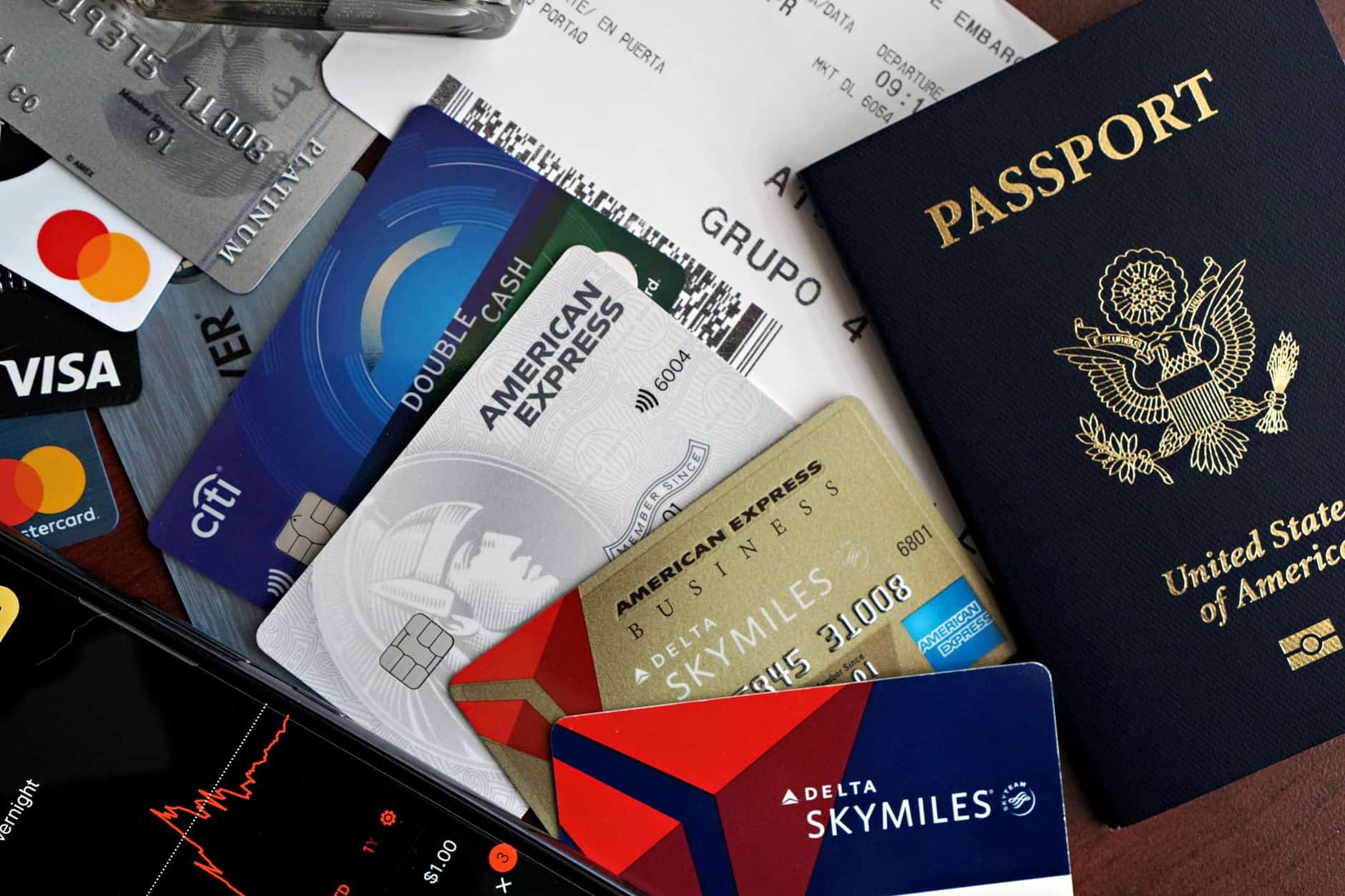
- Dollars spent: Most carriers now incorporate a minimum spend requirement — United 1K requires 54,000 PQP (Premier Qualifying Points, tied to dollars spent). This change has made status harder for budget travelers to maintain regardless of how much they fly.
Approximate thresholds for 2025 (these change annually):
- Delta Silver Medallion: 25 MQDs (Medallion Qualifying Dollars, roughly 25 segments OR $3,000 spend on Delta)
- Delta Platinum Medallion: $9,000 in MQDs
- Delta Diamond Medallion: $20,000 in MQDs — this is a serious business traveler threshold
- American Executive Platinum: $18,000 in EQD plus flight requirements
- United 1K: 54,000 PQP — typically requires $50,000+ in annual Delta spending if earned primarily through flights
Credit card spend can contribute to status qualifications on some carriers — both Delta and United allow co-branded card spend to count toward status thresholds. This is how some light travelers maintain status they couldn’t earn through flying alone.
Is Chasing Status Still Worth It in 2025?
Honest answer: it depends on one number — how many miles you’re flying annually for work, and whether your company’s travel policy allows you to book the itineraries that generate status.
- Under 25,000 miles per year: Status isn’t worth manufacturing. A premium credit card (Amex Platinum, Chase Sapphire Reserve) gives you lounge access, travel insurance, and priority treatment at meaningful cost without the restrictions of chasing segments.
- 25,000–75,000 miles per year: Mid-tier status (Gold/Silver on most carriers) provides real value: free bags, upgrade eligibility on shorter domestic routes, priority boarding. Concentrating flights on one carrier to earn status makes sense here.
- 75,000+ miles per year: Status chasing is worth it and the top-tier benefits are transformational. The question shifts from “is status worth it” to “which carrier’s status is most useful for your route map.”
The one thing that’s unambiguously true: if you fly enough to achieve top-tier status, the experience of travel becomes meaningfully different from what most travelers experience. Whether that difference is worth the loyalty constraint to a single carrier is the calculation each traveler has to make.