What a Week in Thailand Actually Costs an American in 2026 — Full Line-Item Breakdown by Budget Tier
We may earn money or products from the companies mentioned in this post. This means if you click on the link and purchase the item, I will receive a small commission at no extra cost to you ... you're just helping re-supply our family's travel fund.
Thailand has been the reference destination for affordable international travel for so long that the number in people’s heads tends to be a decade or two out of date. Yes, Thailand is still significantly cheaper than Western Europe or Japan. No, the $15-a-day figure you read in a 2012 travel book is not the current reality.
Here is a full, honest cost breakdown for a week in Thailand in 2025, broken into three tiers — budget, mid-range, and comfort — based on current pricing across flights, accommodations, food, activities, and transport. Prices in USD.
The Visa Situation: What Changed and What It Costs
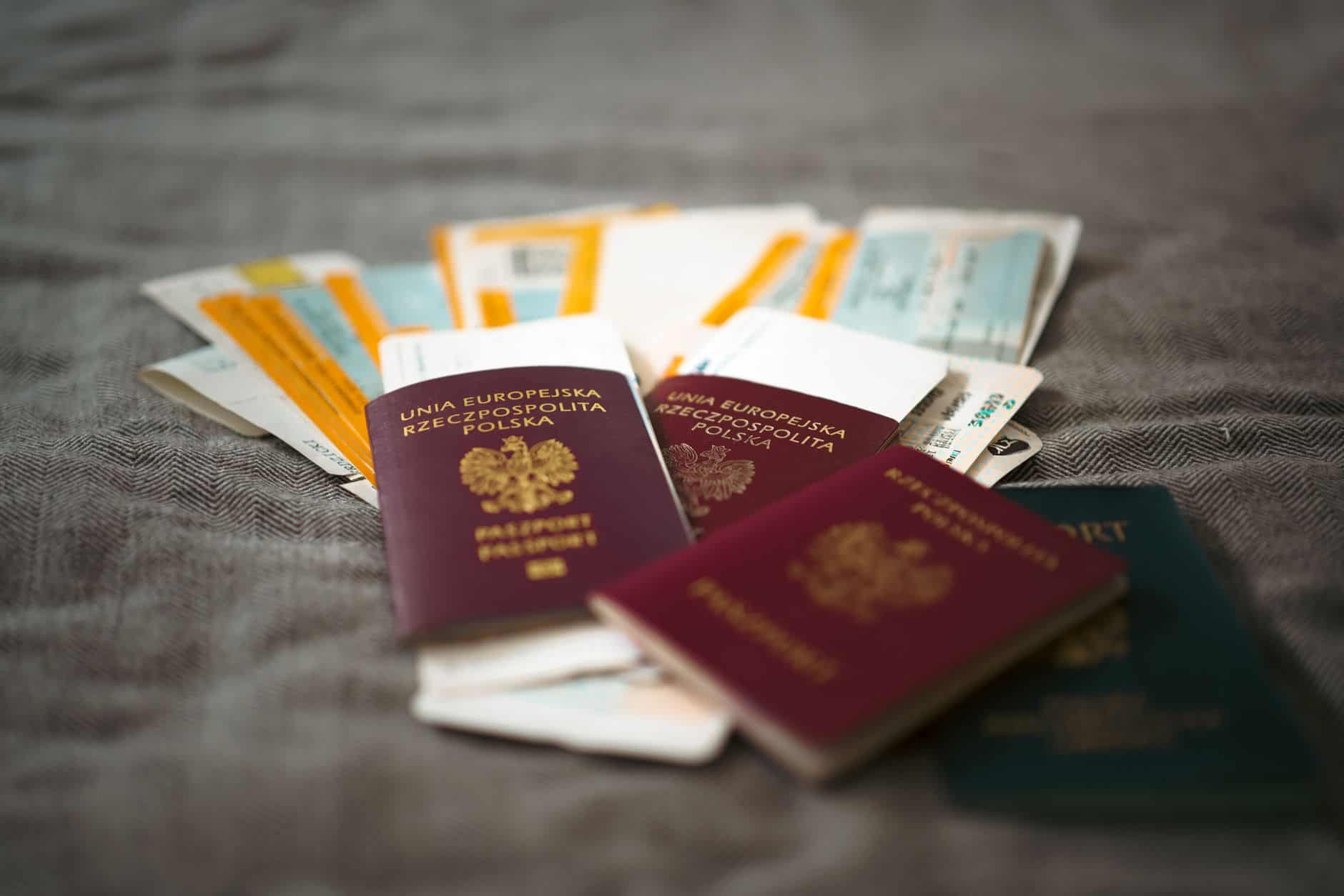
Thailand simplified and in some cases monetized its entry requirements in 2024.
The standard visa exemption — which allows Americans to enter without a visa for tourism — was extended from 30 days to 60 days as of late 2024, with a 30-day extension available at an immigration office for 1,900 baht (approximately $52). This is good news for long-stay travelers.
However, Thailand introduced a new “Thailand Digital Arrival Card” (TDAC) — a digital pre-registration form required before entry that replaces the old paper card. As of mid-2025, this is free, but a paid “destination fee” of 300 baht (~$8.50) per arrival is being piloted at major airports as a tourism levy. This is expected to expand.
Additionally:
- A “Thailand Elite” visa (long-stay, 5+ years) runs from $15,000 to $30,000. Not relevant for a week’s vacation, but worth knowing for longer stays.
- Travel insurance has become de facto required — several airports and some tourist sites have begun spot-checking. More importantly, you want it.
Getting There: The Honest Flight Math
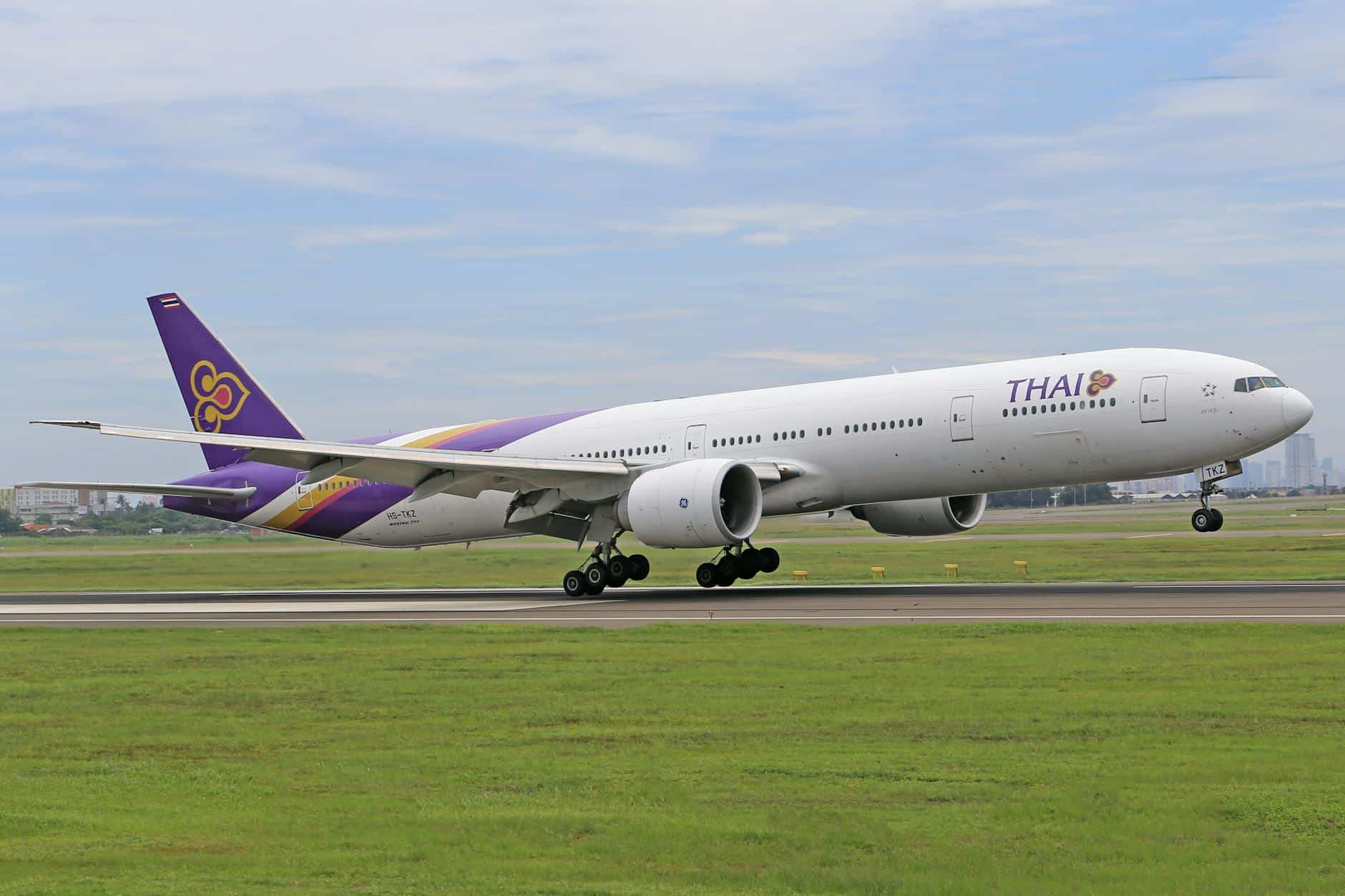
Flights to Bangkok (Suvarnabhumi, BKK, or Don Mueang, DMK) from the continental U.S.:
- West Coast (LAX, SFO, SEA): $600–$900 roundtrip in economy with one stop, if booked 3–4 months out. Premium economy: $1,400–$2,000. Business class: $3,000–$5,000 at retail (much less with points).
- East Coast (JFK, BOS, ORD): $750–$1,100 roundtrip economy. The routing typically adds 2–4 hours versus West Coast itineraries.
- Best routing: Korean Air or Asiana through Seoul (ICN), EVA Air through Taipei, or Cathay Pacific through Hong Kong. Prices fluctuate but these consistently offer the best value on the corridor.
- Travel in shoulder season (May–June, September–October): Bangkok in July–August is manageable but humid. December through February is peak season with peak prices — and beautiful. Budget accordingly.
Budget Tier: $40–$70 Per Day Total
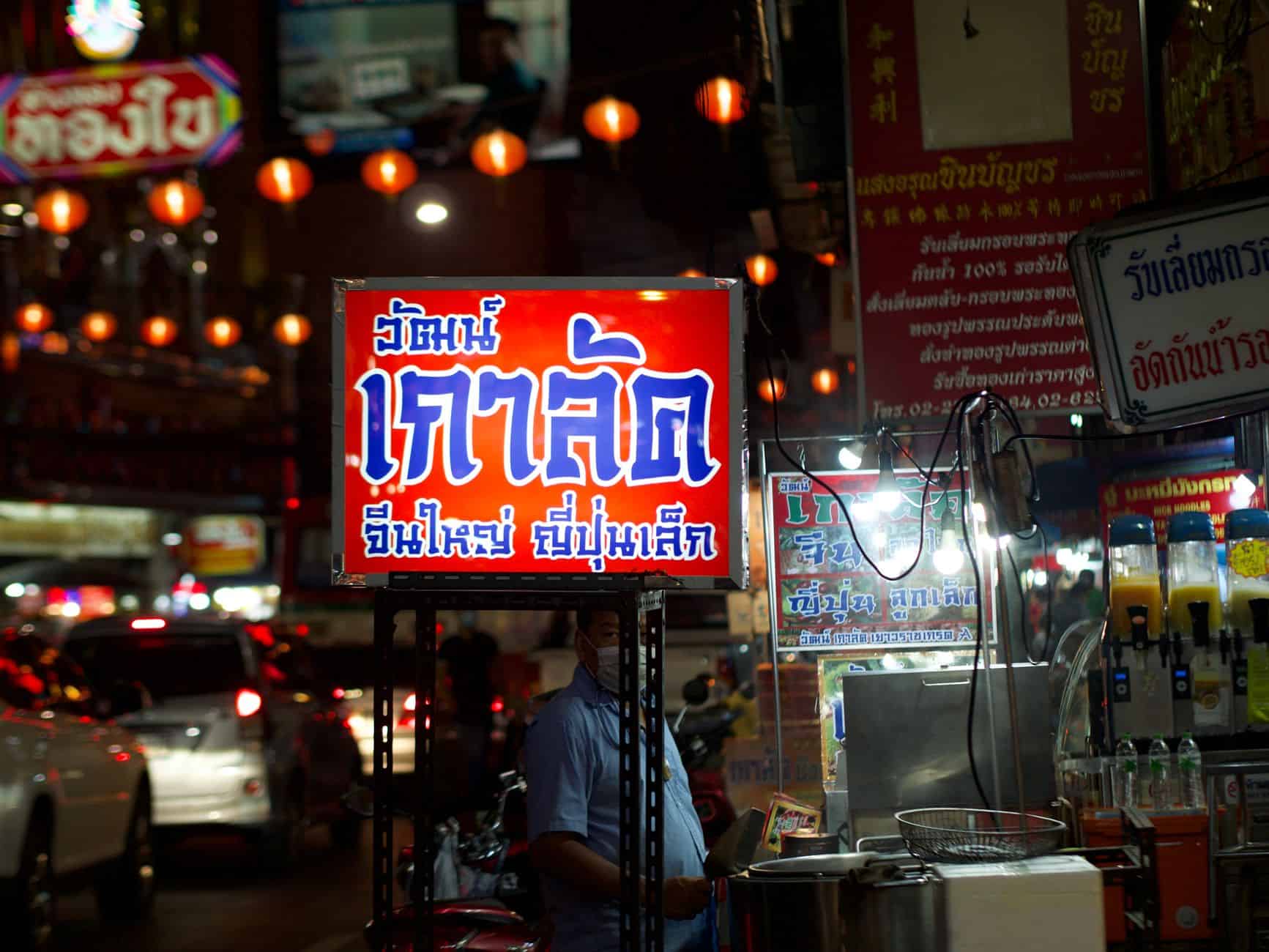
This tier is real and achievable but requires specific choices:
- Accommodation ($8–$20/night): Guesthouses and hostels in Chiang Mai, Pai, and the cheaper beach areas (Koh Lanta, Koh Phangan outside of Full Moon). Bangkok budget rooms are harder but Fan Rooms in Chinatown and Banglamphu still exist at these prices.
- Food ($8–$15/day): Street food and market food exclusively. Pad Thai from a stall: 50–70 baht ($1.40–$2). A full meal at a market: 80–150 baht ($2.25–$4.25). Eating at restaurants that have English menus and air conditioning triples this cost.
- Transport ($5–$10/day): Songthaews (shared trucks), tuk-tuks for short distances, overnight buses between cities. Overnight bus from Bangkok to Chiang Mai: 400–700 baht ($11–$19).
- Activities ($5–$10/day): Temple entry is typically 20–200 baht. Many of the best experiences (markets, neighborhoods, coastline) are free or near-free.
Total per day, excluding flights: $26–$55 in country. Over 7 nights: $180–$385. Add flights ($700–$900 from West Coast) and you’re looking at $880–$1,300 total.
Mid-Range Tier: $120–$200 Per Day Total
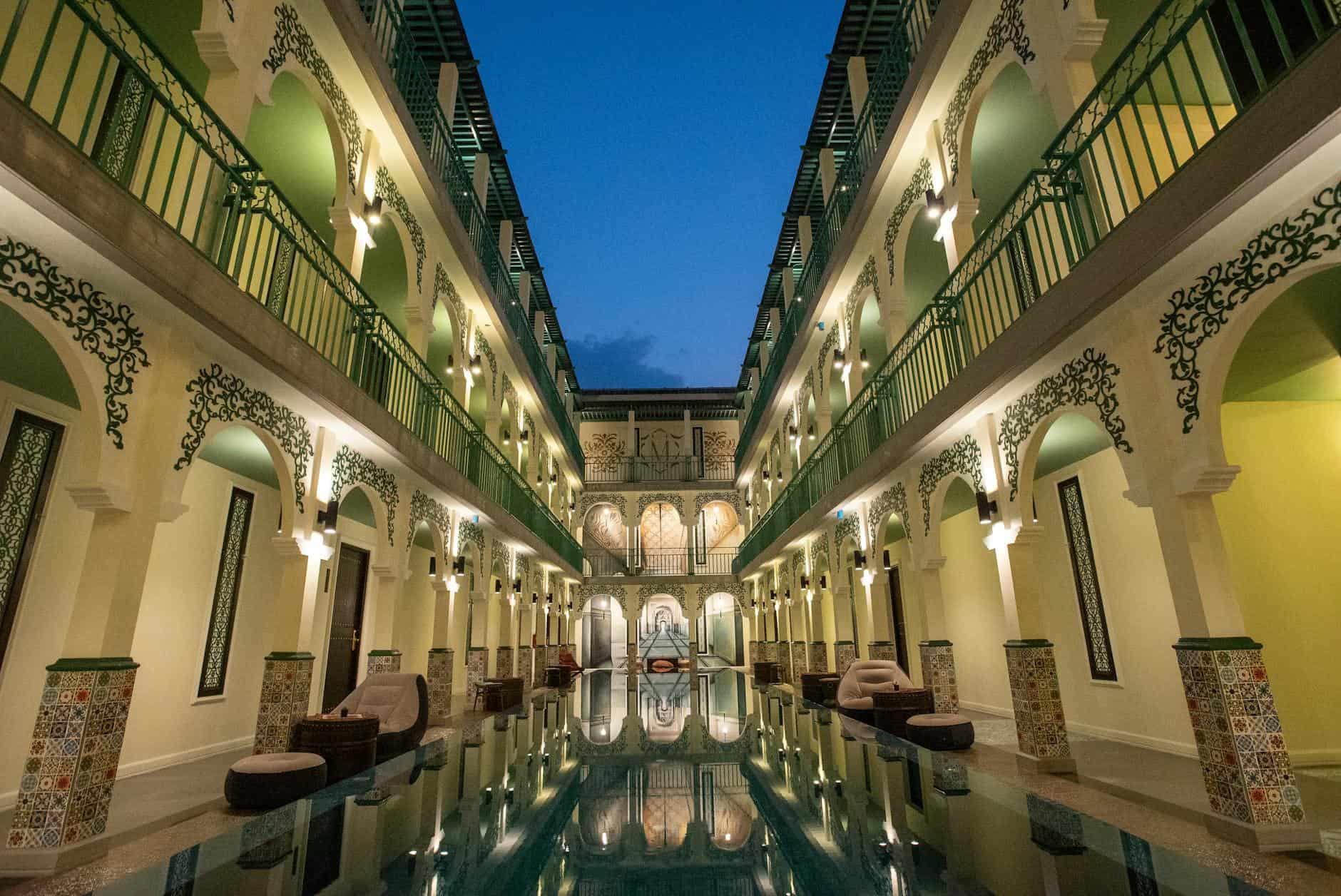
This is the tier where most American travelers actually operate, and where Thailand’s quality-per-dollar ratio is still exceptional:
- Accommodation ($40–$90/night): Small boutique hotels and mid-range guesthouses with pools, strong Wi-Fi, and breakfast. Chiang Mai’s old city has excellent options in this range. Bangkok’s Silom and Sukhumvit neighborhoods have business hotels at these prices. Beach resorts on Koh Samui and Koh Tao in this range are legitimately nice.
- Food ($20–$35/day): A mix of street food and sit-down restaurants. Most decent restaurants outside tourist zones run 200–400 baht ($5.50–$11) per person for a full meal with a drink.
- Transport ($15–$25/day): A combination of Grab (Thailand’s Uber), BTS Skytrain in Bangkok, and occasional hired driver for day trips. Bangkok to Chiang Mai on Thai Airways or Bangkok Airways: 1,500–3,000 baht ($41–$82) booked in advance.
- Activities ($15–$30/day): Cooking classes (1,200–2,000 baht / $33–$55), elephant sanctuary visits (2,000–3,500 baht), guided temple tours, one-day island excursions.
Total per day in country: $90–$180. Over 7 nights: $630–$1,260. Add flights: $1,330–$2,160 total.
Comfort Tier: $250–$450 Per Day Total
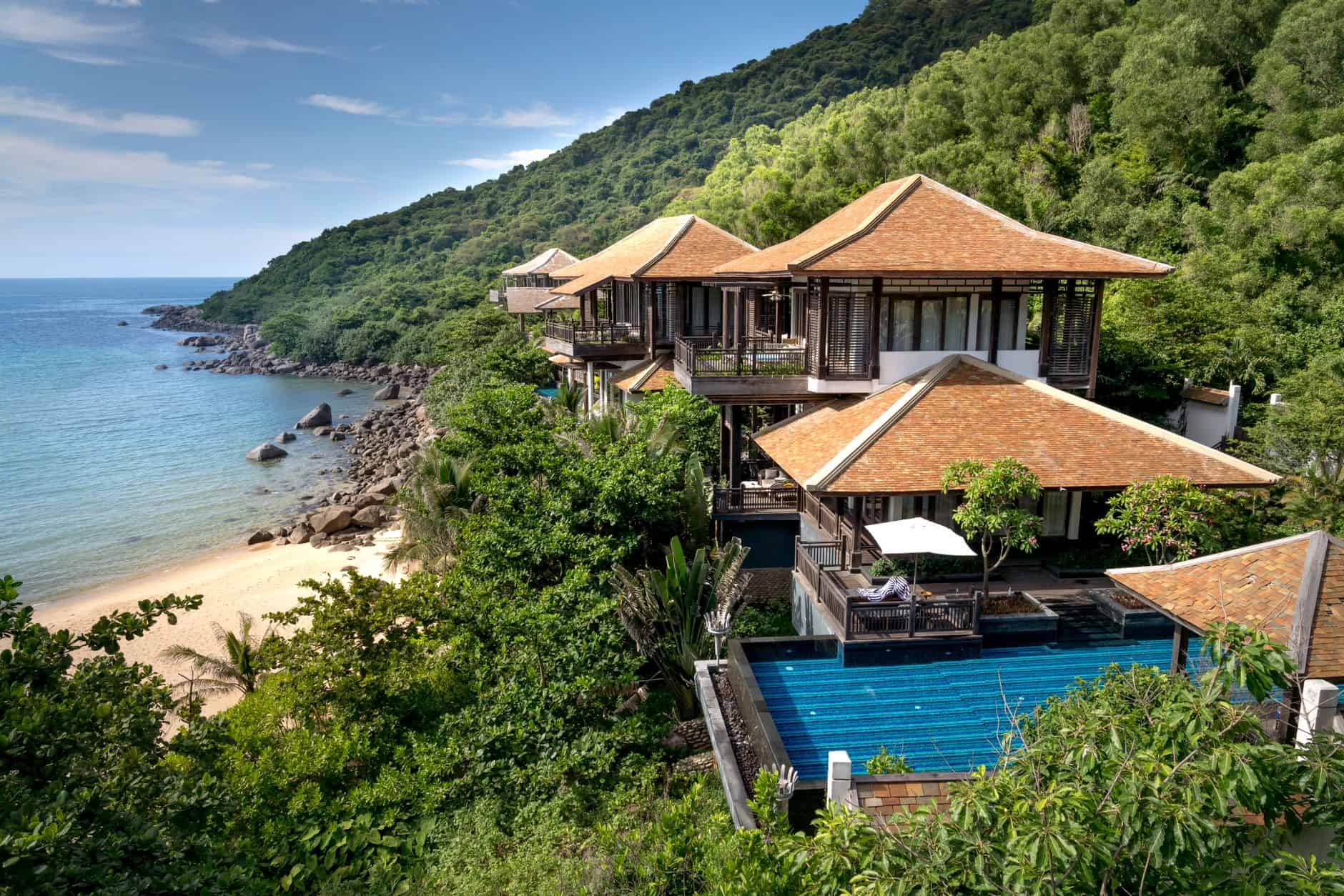
Thailand’s luxury market is extraordinary and remains underpriced relative to comparable properties in the Maldives, Bali, or the Caribbean:
- Accommodation ($150–$350/night): Four Seasons, Rosewood, Amanpuri, Six Senses — all present in Thailand. An overwater villa at a Koh Samui resort that would be $1,200/night in the Maldives runs $400–$700 here. The quality is genuine and the service is among the best in the world.
- Food ($40–$80/day): Higher-end Thai restaurants and hotel dining. The Thai fine dining scene in Bangkok (80/20, Le Du, Nahm) is internationally recognized and still costs a fraction of comparable restaurants in New York or London — dinner for two at a Michelin-starred Bangkok restaurant: $80–$150.
- Private transport, spa treatments, curated experiences: Add $50–$100/day.
What’s Gotten Noticeably More Expensive

- Koh Samui and Phuket resort pricing: Both have moved upmarket significantly. A mid-range beach resort in Phuket in 2019 for $80/night is $130–$180 today. The backpacker infrastructure in these areas has largely been replaced by mid-market and luxury development.
- Cooking classes and “experience” tourism: Popular tour operators in Chiang Mai have raised prices 30–50% since 2020. Still worth it, but budget accordingly.
- Tourist-priced restaurants in Bangkok: Restaurants near Khao San Road, in touristy Old Town areas, and adjacent to major temples have significantly increased prices, often with menu items priced 3–5x what identical dishes cost two blocks away.
- Alcohol: Import taxes make Western spirits genuinely expensive. Beer (Chang, Singha, Leo) remains affordable. A gin and tonic at a tourist bar: $8–$15.
The Currency Reality and How to Handle Money
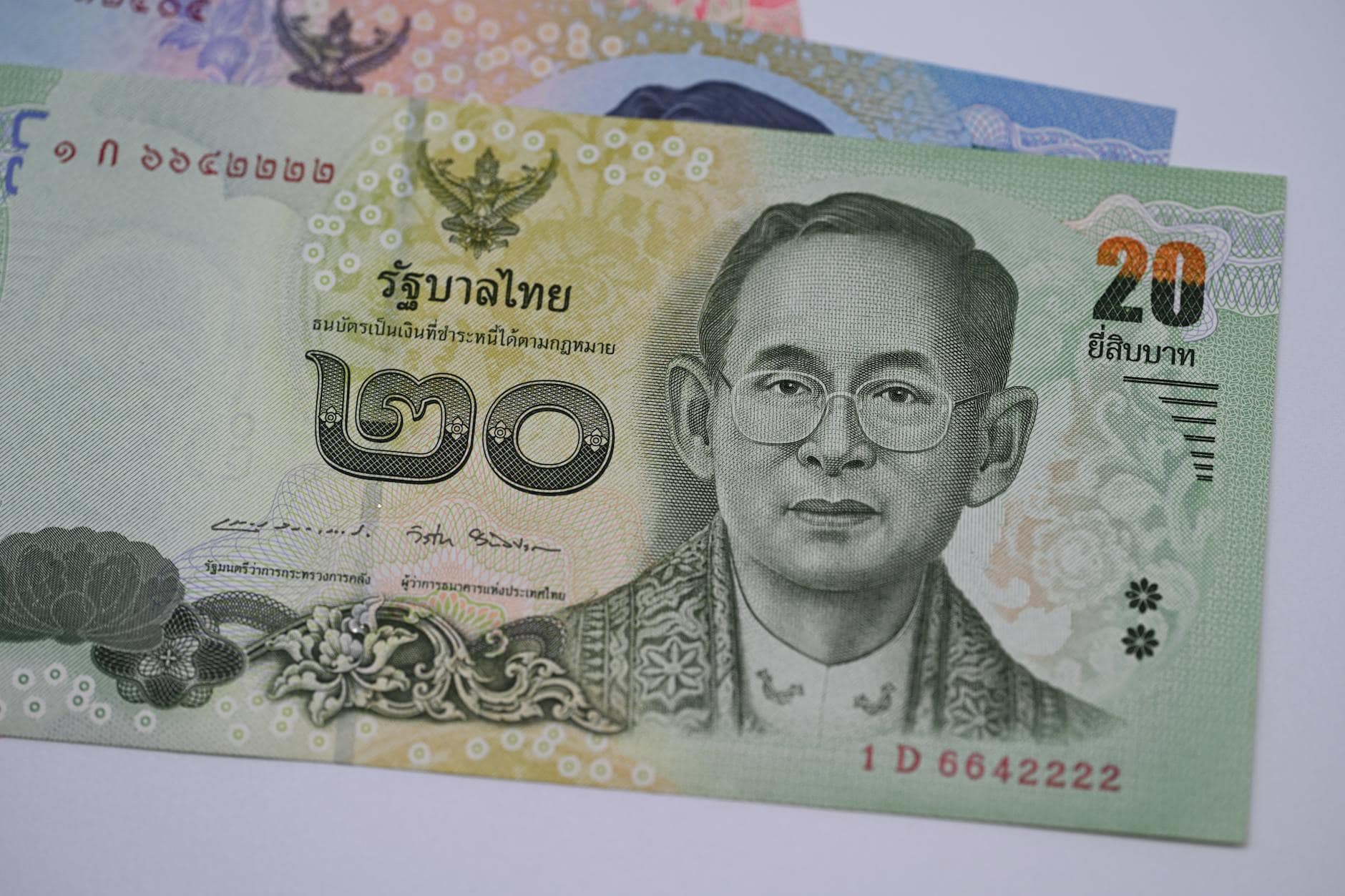
- The Thai baht has been relatively stable against the dollar — roughly 34–36 baht per USD as of mid-2025. Use XE.com or Google to check before you go.
- ATMs are widely available but charge a per-transaction fee (typically 220 baht / ~$6) on foreign cards. Minimize transactions by withdrawing larger amounts less frequently.
- A Wise card or Charles Schwab debit card eliminates foreign transaction fees and reimburses ATM fees. Opening one before your trip saves $30–$80 over a week.
- Cash is still king at markets, street food vendors, smaller guesthouses, and most transport. Credit cards are widely accepted at hotels and larger restaurants.
- Don’t exchange money at the airport — rates are 5–8% worse than in-town exchange counters. SuperRich and other Bangkok exchange booths offer the best street rates.
A week in Thailand in 2025 still offers exceptional value by any international comparison. The budget traveler’s experience has compressed slightly as infrastructure has improved and prices have risen with demand, but the value-to-experience ratio at every tier remains one of the best in the world.