Why Americans Have Such Bad Reputations Abroad — The Specific Behaviors That Have Gotten Noticeably Worse
We may earn money or products from the companies mentioned in this post. This means if you click on the link and purchase the item, I will receive a small commission at no extra cost to you ... you're just helping re-supply our family's travel fund.
Before the defensiveness kicks in: yes, millions of American travelers are excellent guests in the countries they visit — curious, generous, warm, and genuinely interested in the cultures they’re moving through. This isn’t about all Americans. It’s about the specific behaviors that foreign hospitality workers, tourism operators, and locals consistently identify when asked what makes American visitors different from other nationalities.
These patterns are documented in surveys, in tourism industry research, in forum threads from hospitality workers around the world, and in the frank assessments that come out of drinks-after-work conversations when the restaurant has closed. None of it is comfortable to read. All of it is worth knowing if you travel and care about how you’re perceived.
The Volume Problem: It’s Not Just a Stereotype
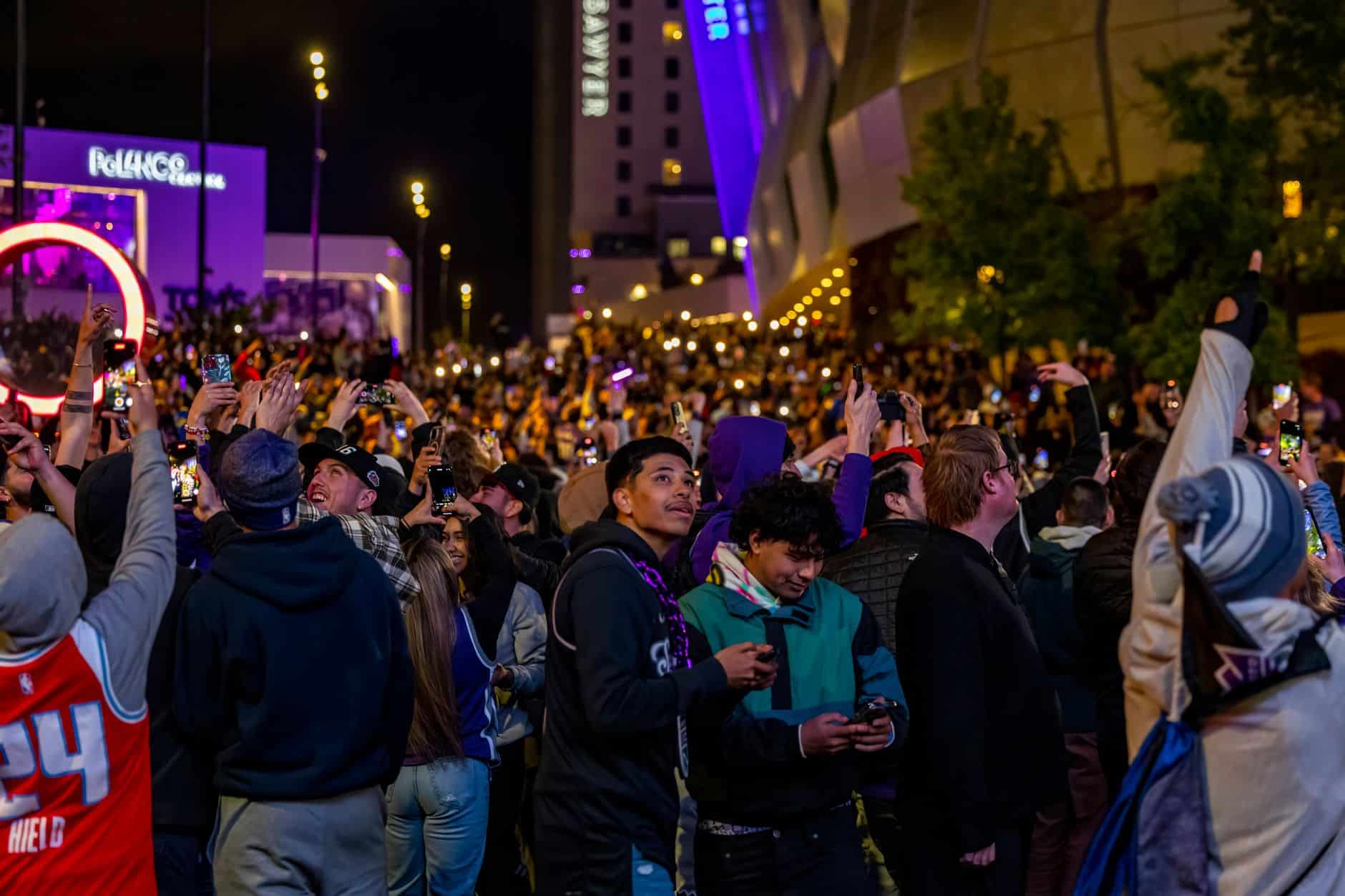
Let’s start with the one that comes up most universally: Americans are loud. Specifically, Americans speak at conversational volumes that are higher than the baseline conversational register of most European, East Asian, and Southeast Asian cultures.
This is not an insult — it’s a cultural calibration difference that research has actually documented. American social norms around vocal volume and enthusiasm in public spaces are genuinely different from, say, the norms in Japan, Germany, France, or Thailand. In cultures where speaking quietly in restaurants and public transport is considered basic courtesy, an American family at a normal American conversational volume registers as startling.
The places where this is commented on most:
- Japanese temples and public transport — where the contrast with surrounding behavior is most stark
- Small European restaurants and cafes — where the acoustic intimacy of the space amplifies volume differences
- Quiet museum galleries — particularly in Northern Europe where hushed spaces are treated with near-religious seriousness
The fix is not to become a different person. It’s to consciously recalibrate upon arrival — to spend the first twenty minutes in a new country listening to the ambient sound level and matching it rather than importing your own baseline.
The Entitlement Pattern That Foreign Service Workers Describe
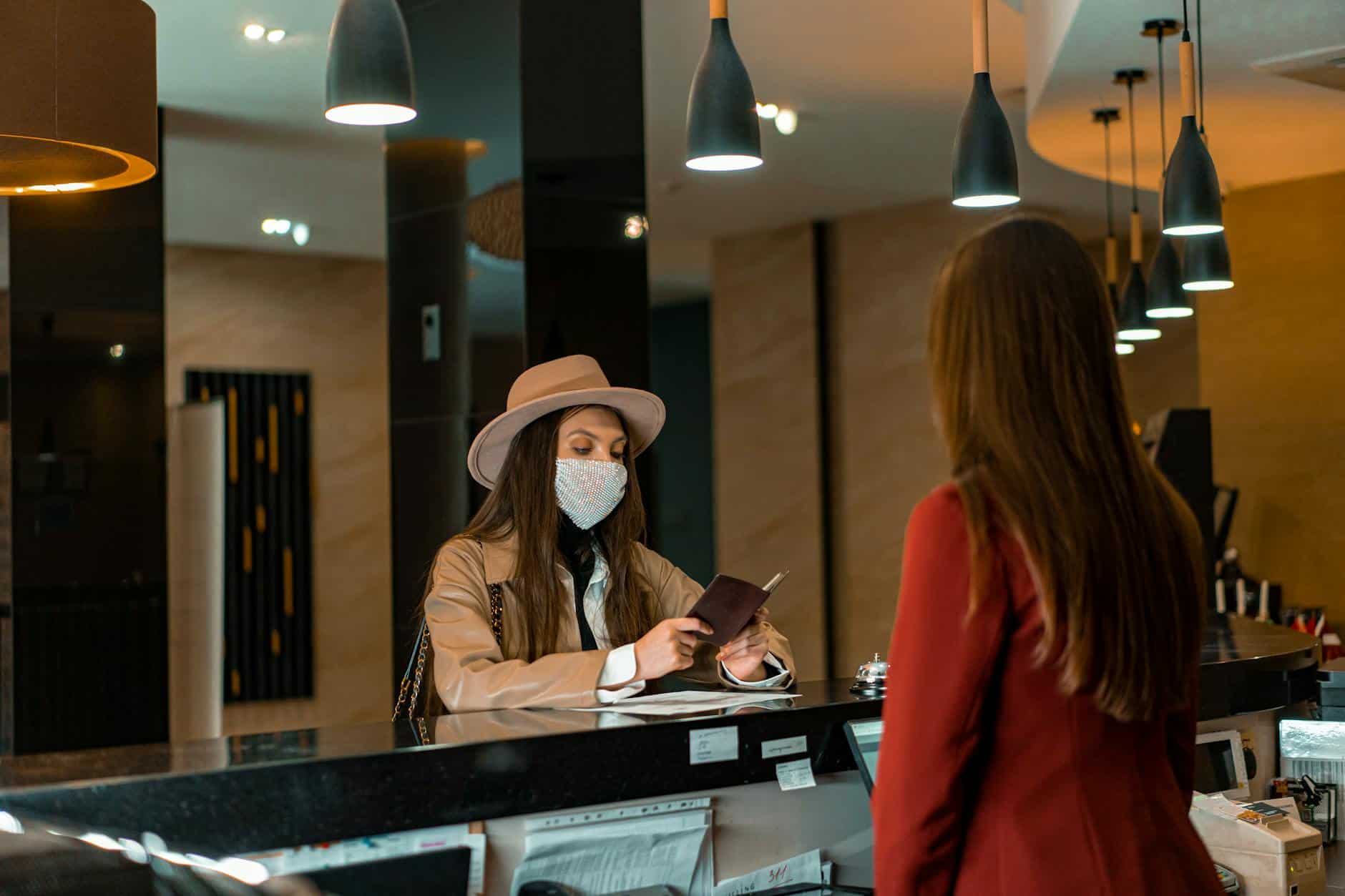
This one is harder to quantify but shows up with remarkable consistency in accounts from hospitality workers across multiple countries.
The pattern isn’t rudeness exactly — it’s an expectation structure that doesn’t account for the fact that you’re in someone else’s country. It shows up as:
- “The customer is always right” imported to places where that phrase doesn’t translate: Demanding substitutions in restaurants with fixed menus, insisting on early check-ins at hotels that genuinely cannot accommodate them, pushing back on local customs as if they’re inefficiencies to be corrected rather than deliberate cultural choices.
- Comparison to home as criticism: “In America we would…” as an implicit critique of the local way of doing things. This is reported across cultures and is described as uniquely American — other nationalities’ complaints are usually about the specific situation, not framed as superiority.
- The assumption of English: Approaching locals in English without greeting them first in the local language, or even a basic apology for not speaking it. The content of what’s being asked matters less than the framing.
Foreign service workers consistently draw a distinction between American tourists who are engaged and curious versus American tourists who treat the destination as a backdrop for their own expectations. The latter are described as exhausting in a way that other nationalities, even demanding ones, are not.
Tipping Confusion That Reads as Disrespect Abroad

The American tipping culture exports in two equally problematic directions:
Tipping when it’s not expected or welcome: In Japan, tipping is considered rude — it implies the server needs charity or that their employer isn’t paying them fairly. Many Americans know this intellectually but tip anyway because the reflex is so strong. Japanese restaurant staff have described pursuing tourists down the street to return money, and the interaction being deeply awkward for both parties.
In many European countries, leaving a tip is appreciated but leaving an American-scale tip (20%+) can read as performative or patronizing, particularly in countries with strong labor protection and service charges already included.
Not tipping where it matters: Americans who know tips are included in the automatic service charge at European restaurants and conclude that no additional tipping is needed may be correct in France but wrong in the UK, where the service charge often doesn’t fully go to the server and a small cash tip is still appreciated.
The broader issue is assuming the American tipping framework maps onto whatever country you’re in without researching it first.
Political Conversations That Nobody Asked For
Post-2016, and with increasing frequency since 2020, foreign travelers and hosts report a distinct pattern with American tourists: the unprompted political conversation.
This breaks in multiple directions:
- Americans who want to discuss U.S. politics with foreigners as if they share the same emotional investment in it
- Americans who proactively distance themselves from their country’s politics to foreign strangers — a form of self-presentation that comes across as seeking validation
- Americans who ask foreign locals for their opinions on American political figures with an intensity that makes the local feel they’ve wandered into something
A Thai tour guide summarized it this way in a widely shared forum post: “I have Americans every week who spend more time telling me what they think about their president than asking me about Thailand. I don’t know what they want from me.”
The Destinations Where It’s Gotten Noticeably Worse
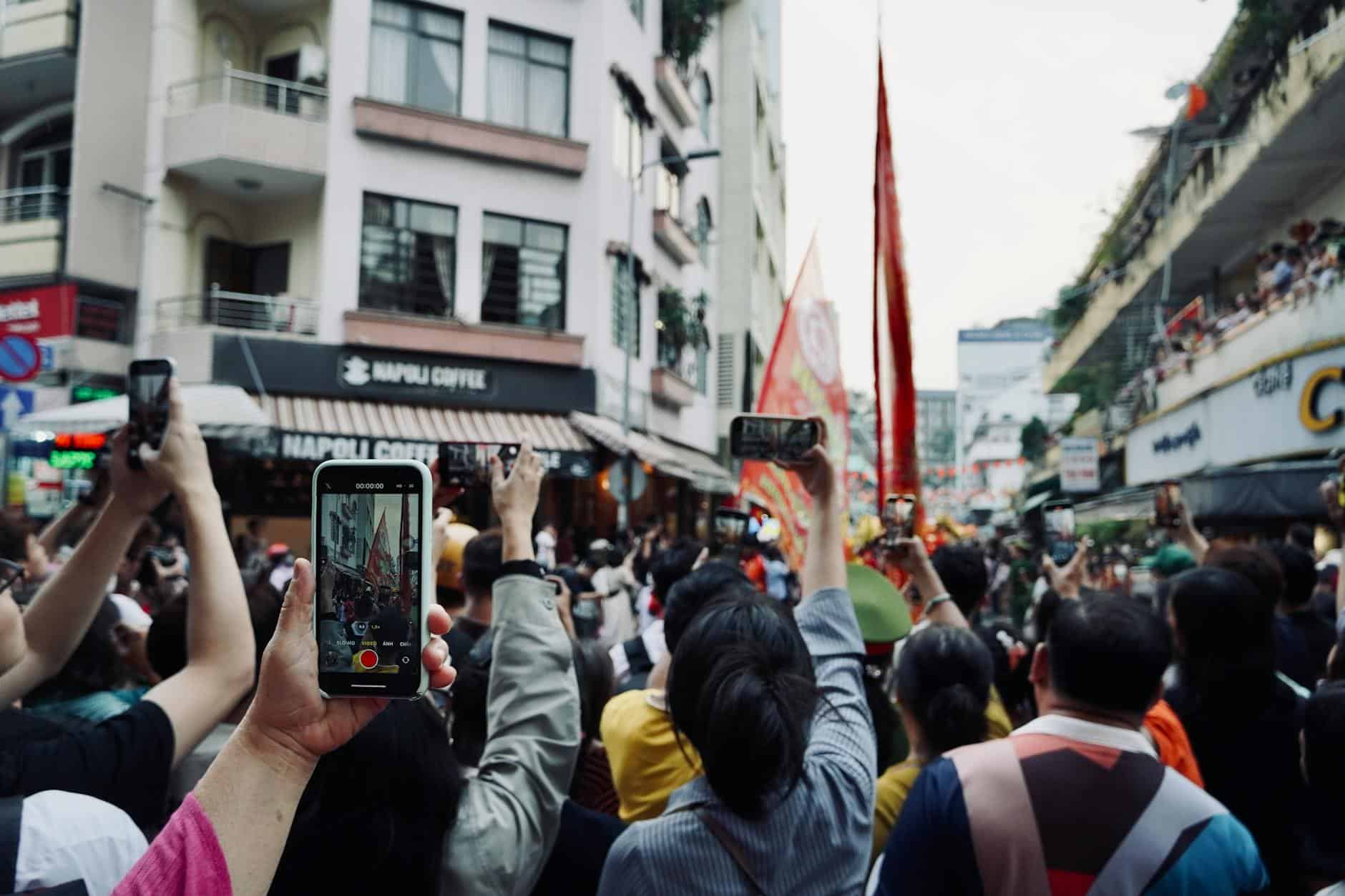
The post-COVID travel surge concentrated American tourists in a smaller number of destinations — the “revenge travel” phenomenon pushed record numbers of Americans to the same places at the same time.
- Barcelona: Overtourism has been a political flashpoint, with residents holding protests specifically about mass tourism behavior. American tourists are not the only culprits, but the vocal volume and party-centric behavior of the bachelor/bachelorette crowd has been specifically called out.
- Kyoto: Geisha harassment — tourists blocking and photographing geisha and maiko who are trying to move through the city for work — has become a documented problem in the Gion district, predominantly attributed to tourists who encountered the subject through social media and felt entitled to the shot regardless of the human cost.
- Amsterdam: The city has run an active campaign against tourists who visit specifically for cannabis and the red-light district and treat the city as a prop. Americans feature prominently in Dutch media coverage of these complaints.
- Iceland: Damage to sensitive moss-covered lava fields by tourists who walk off designated paths has generated significant media attention. The “I didn’t know” defense is met with frustration by Icelanders because the signs are explicit and in English.
What Actually Changes the Perception
This is the part that matters:
- Learn ten words before you arrive: Hello, please, thank you, excuse me, sorry, “do you speak English?” in the local language. Using them — even badly — signals respect. It’s the single most commented-on positive behavior by foreign locals across every culture.
- Arrive curious, not comparative: The silent rule of being a good traveler is treating local practices as worth understanding rather than measuring against home. The fixed-menu restaurant is a creative decision, not a failure to accommodate you.
- Follow social volume cues: In the first hours in a new country, listen. Match the ambient register rather than importing yours.
- Research tipping norms: Five minutes before you land. The answer differs by country and sometimes by type of establishment within a country.
- Let the country exist without a political frame: Other countries are not referenda on American politics. Remarkable things happen in them that have nothing to do with who is in the White House.
None of this requires changing who you are. It requires the same cultural intelligence you’d apply to visiting someone else’s home.