The Travel Purchases People Make in Airports They Immediately Regret
We may earn money or products from the companies mentioned in this post. This means if you click on the link and purchase the item, I will receive a small commission at no extra cost to you ... you're just helping re-supply our family's travel fund.
This article contains affiliate links. If you book travel through our links, we may earn a commission at no extra cost to you.
Something happens to people in airports. The combination of time pressure, mild anxiety, the suspension of normal life, and the total absence of any reference point for what anything should cost creates a specific shopping psychology that is extremely profitable for airports and largely terrible for travelers.
The regret sets in somewhere over the Atlantic. You reach into the seat pocket and touch the $38 travel pillow you bought at Hudson News. You remember the airport burrito that cost $21 and tasted like it was served with an apology. You look at the duty-free perfume you don’t remember deciding to buy.
None of this is accidental.
The Airport Is Not What It Looks Like
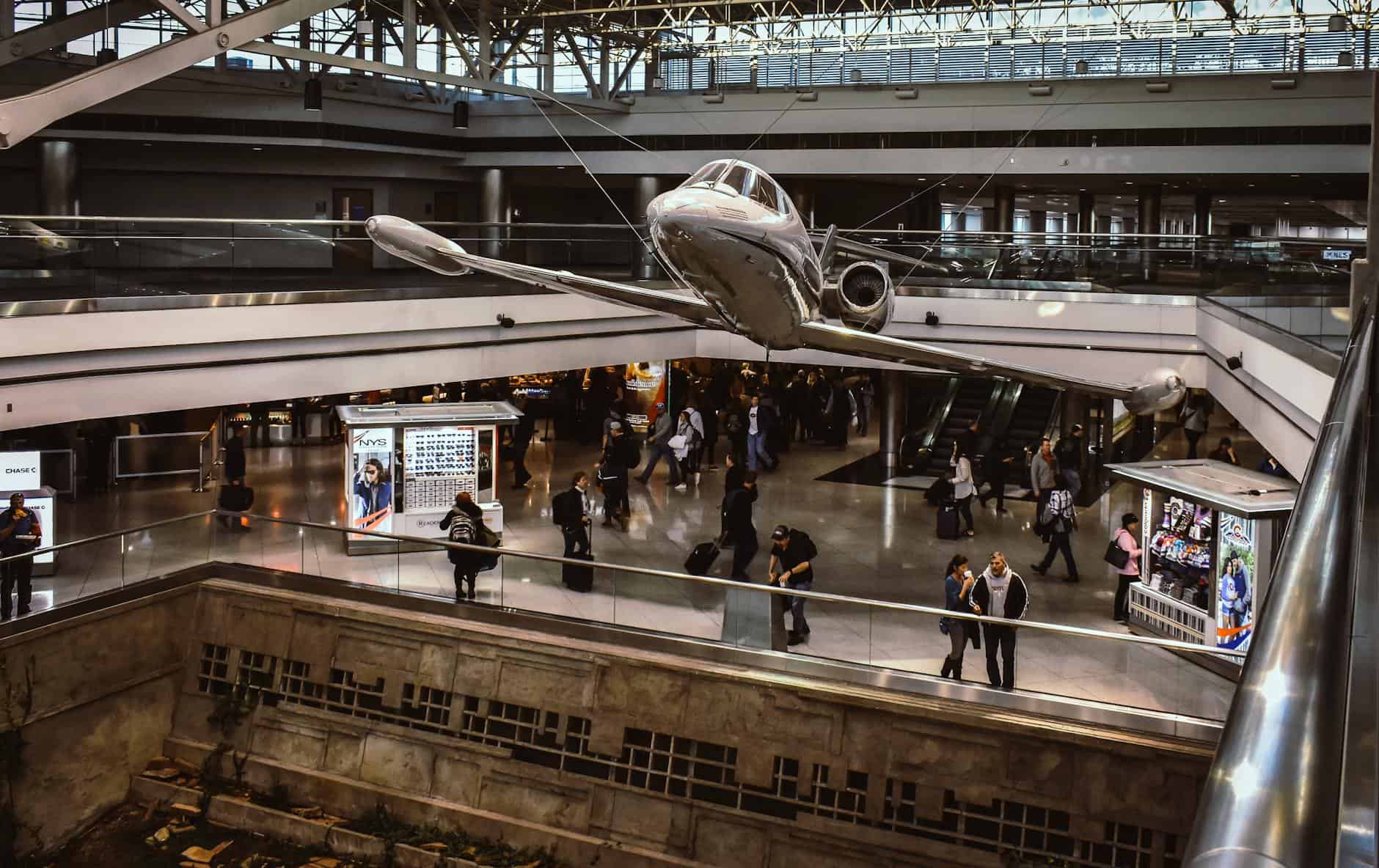
Modern airports are not primarily transportation infrastructure. They are retail destinations that happen to have runways. The commercial revenue from shops and restaurants at major international airports often exceeds landing fee revenue, and the entire physical design of most post-2000 airport terminals was explicitly optimized for retail conversion.
This is not a conspiracy — it’s publicly documented business strategy. Airport operators negotiate with retailers on the basis of revenue-per-passenger, and the physical layout, signage placement, lighting, scent, and even flooring texture in retail zones are subject to the same behavioral optimization that shopping malls have used for decades.
The key difference between airports and malls is the captive audience. Mall shoppers chose to come to the mall. Airport shoppers are stuck there, often for an hour or two or three, with adrenaline from the security line still metabolizing, with nothing structurally to do except browse, and with a psychological state that researchers have described as “departure lounge vulnerability” — the specific mental condition of being between places, between routines, between your normal cost-benefit calculus.
Prices don’t need to be posted comparably to anything you have a reference for, because you’re not comparison shopping. You’re in an airport.
The Neck Pillow Industrial Complex
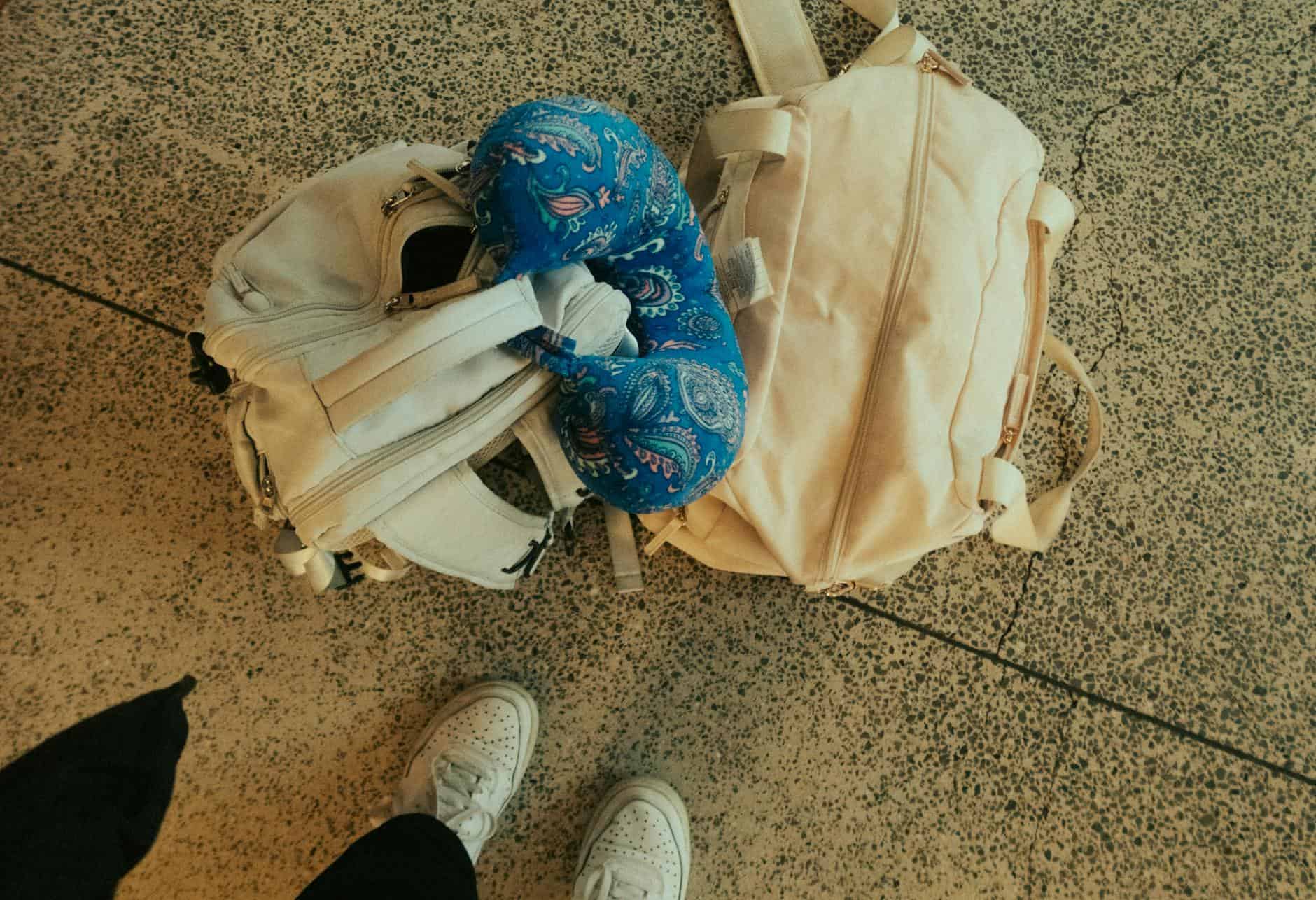
The travel pillow might be the single most universally regretted airport purchase, and it’s not because travel pillows are useless — it’s because the airport version is a deeply inferior product sold at a 400 percent markup to people who forgot their good one.
The airport travel pillow costs between $25 and $45 depending on the airport and the brand. The same category of product, ordered online before the trip, costs $8 to $15. The airport version is typically cheaper foam, less durable stitching, and a design that has not materially improved since 1995. What it has is placement — right at eye level near the gate, next to the headphone adapters and the motion sickness patches and the other “I forgot to prepare” purchases.
The regret from this purchase is specifically the regret of having the item in your hands and suddenly remembering that you have this exact thing at home, in the closet, possibly still in the bag from the last time you bought one in an airport.
Airport Food Regret Is Its Own Category
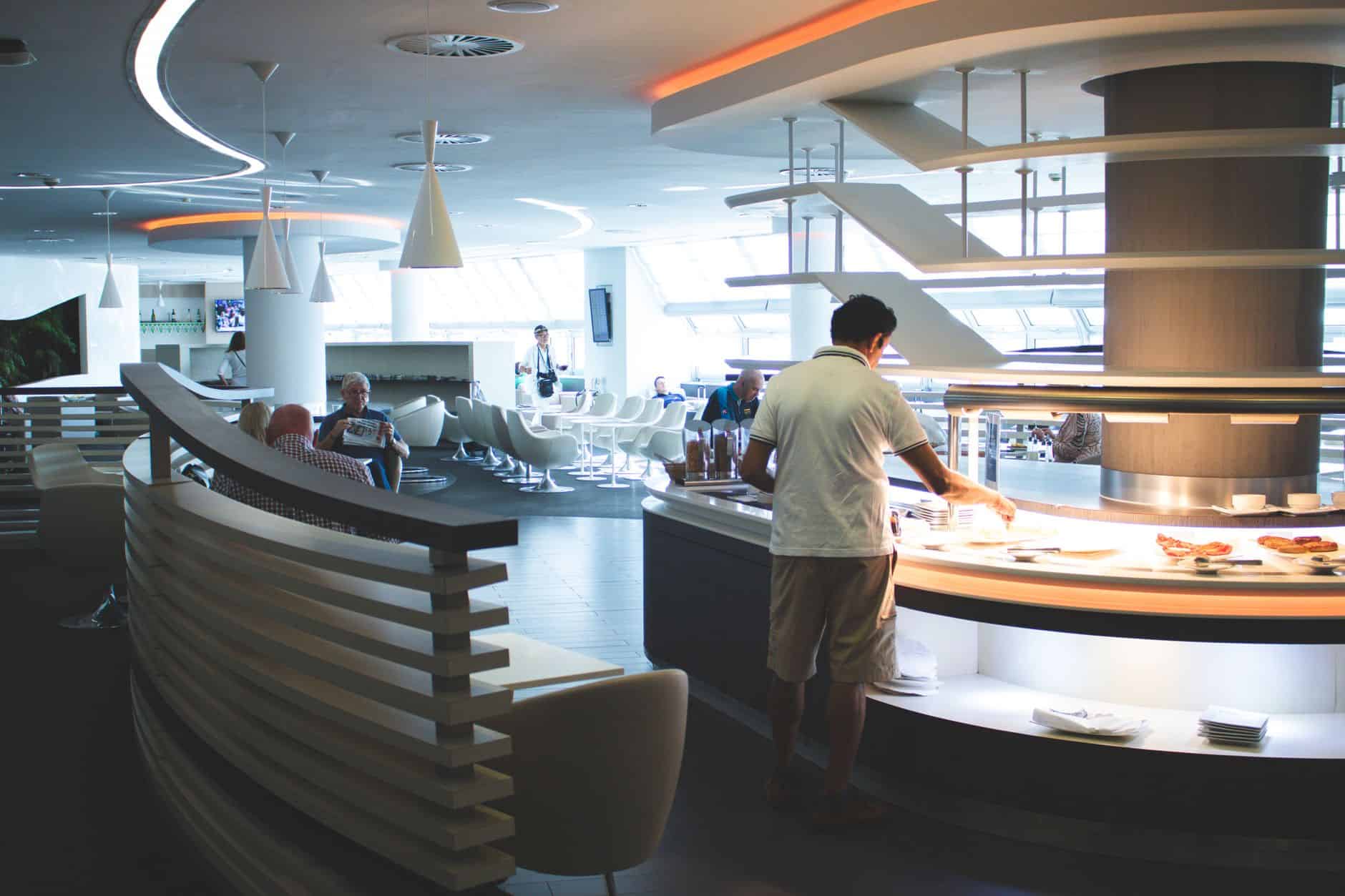
Airport food regret deserves its own subcategory because it’s both the most expensive and the most physiologically consequential of the typical airport purchases.
The average price of a sit-down meal at a US airport is approximately 30 to 40 percent higher than the same restaurant would charge at a street location. Fast food prices at airports are typically 20 to 30 percent higher. A large airport coffee is consistently the most expensive version of that coffee available anywhere in the metropolitan area.
None of this is the regret-producing part. People generally know airports are expensive. The regret comes from two specific patterns.
The first is the pre-flight meal eaten purely out of anxiety rather than hunger — the $24 burger consumed at 7 a.m. before a flight that serves breakfast, eaten not because you were hungry but because the possibility of being hungry later was intolerable. This meal is eaten joylessly and regretted by takeoff.
The second is the emotional eating pattern that airports produce with great reliability. The stress of travel — the security line, the gate change, the possibility of being late — activates cortisol responses that the brain tries to counter with food, particularly high-fat, high-salt food. Airport food courts are calibrated to this exactly. They are, in a clinical sense, stress-eating enablers, and the combination of elevated prices and stress-driven consumption is what produces the particular flavor of regret you feel when you look at the credit card charge two days later.
What the Duty-Free Math Actually Looks Like
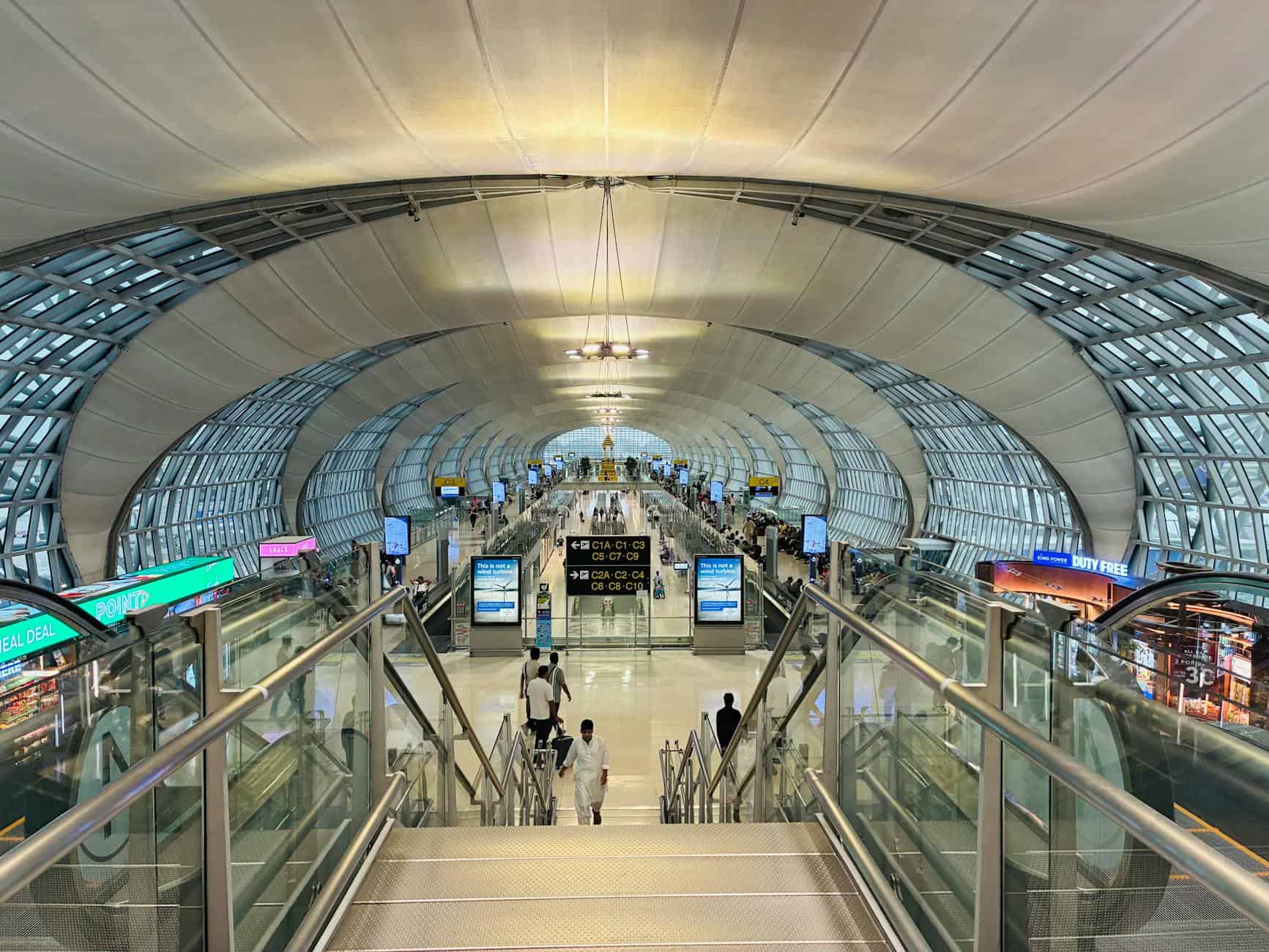
Duty-free shopping persists as a widespread belief in its own savings despite the fact that, for most products in most airports, it is not actually cheaper than retail.
The original premise of duty-free — that removing import taxes on goods sold in international transit zones would produce genuine savings for travelers — was true when those taxes were high and retail price competition was low. The current reality is more complicated. Most duty-free alcohol in US international airports is priced competitively with premium liquor stores but not dramatically cheaper. Duty-free cosmetics and fragrances are frequently priced above the online retail price for the same product.
The categories where duty-free savings remain genuine: tobacco in some corridors (particularly transatlantic), certain high-end spirits with significant import duties (notably Scotch whisky in the US), and luxury goods with large VAT components in certain European departure halls. For the average traveler buying a bottle of vodka and some perfume, the savings are marginal to nonexistent.
What duty-free reliably produces is the sensation of saving. The store environment is premium, the staff are attentive, the products are displayed beautifully, and the word “duty-free” itself carries a powerful implication of discounting. The psychological feeling of getting a deal is not the same as getting a deal, but it produces the purchase.
The Tech Accessories Graveyard
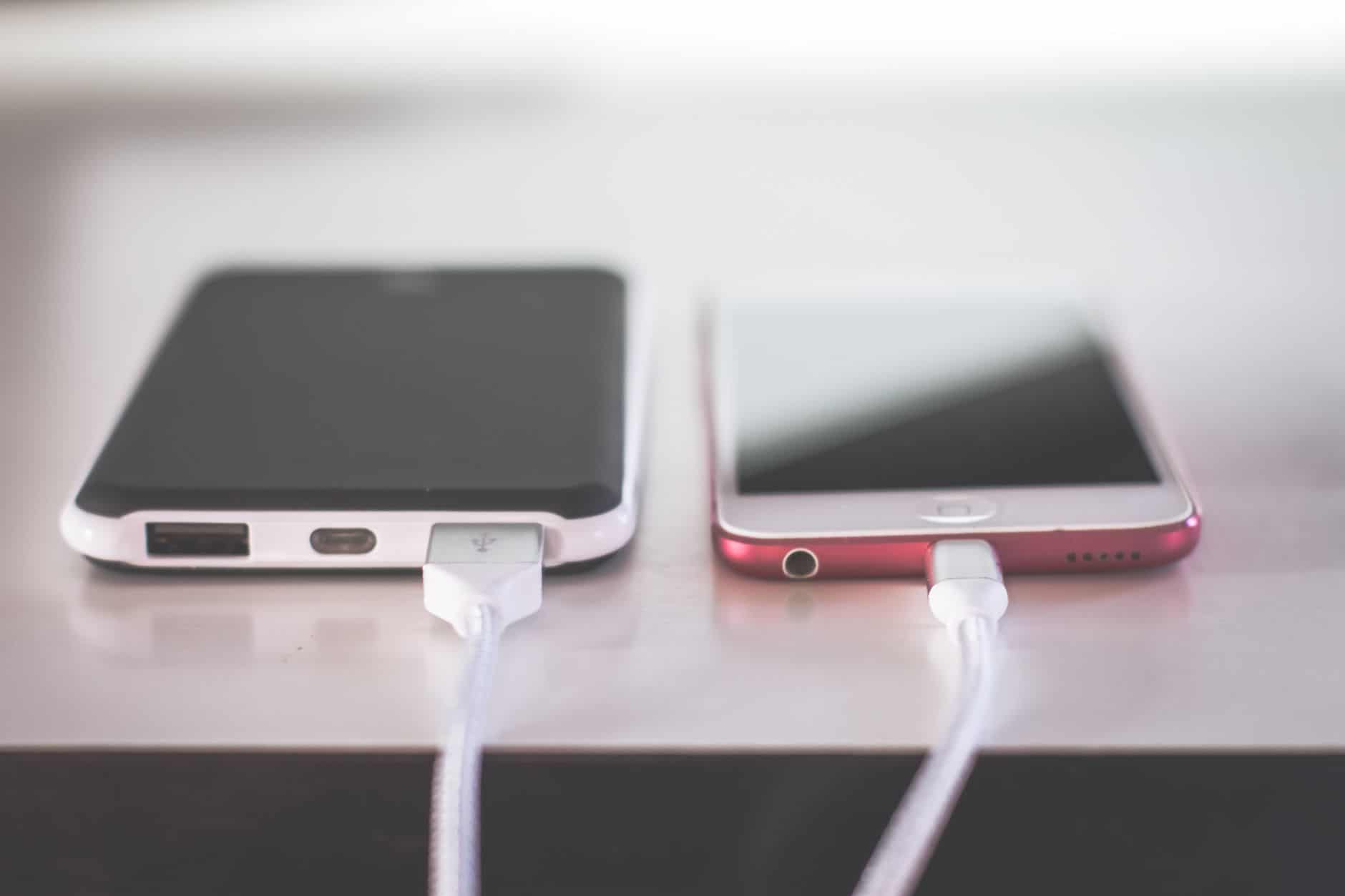
The airport tech accessories section — phone chargers, adapters, earbuds, laptop cables — is the most expensive category of airport retail and the one that produces the most specific post-purchase clarity.
A charging cable at Hudson News or an airport electronics kiosk typically costs $25 to $40 for a product that costs $8 to $12 online. A universal power adapter is $45 to $60 at an airport; the same quality adapter is $20 to $30 elsewhere. Airport wireless earbuds are frequently last-generation products at current-generation prices.
The purchases are made because the need is real and immediate. The charger you forgot, the headphone adapter for the plane, the adapter for the country you’re visiting — these are actual needs. The airport simply charges the maximum that acute need will bear, and the acute need bears quite a lot.
These items end up in a specific drawer at home: the one with all the previous airport emergency purchases, the tangle of cables that were absolutely critical at 6 a.m. on a Tuesday and have not been touched since.
The Gift Shop Souvenir Spiral
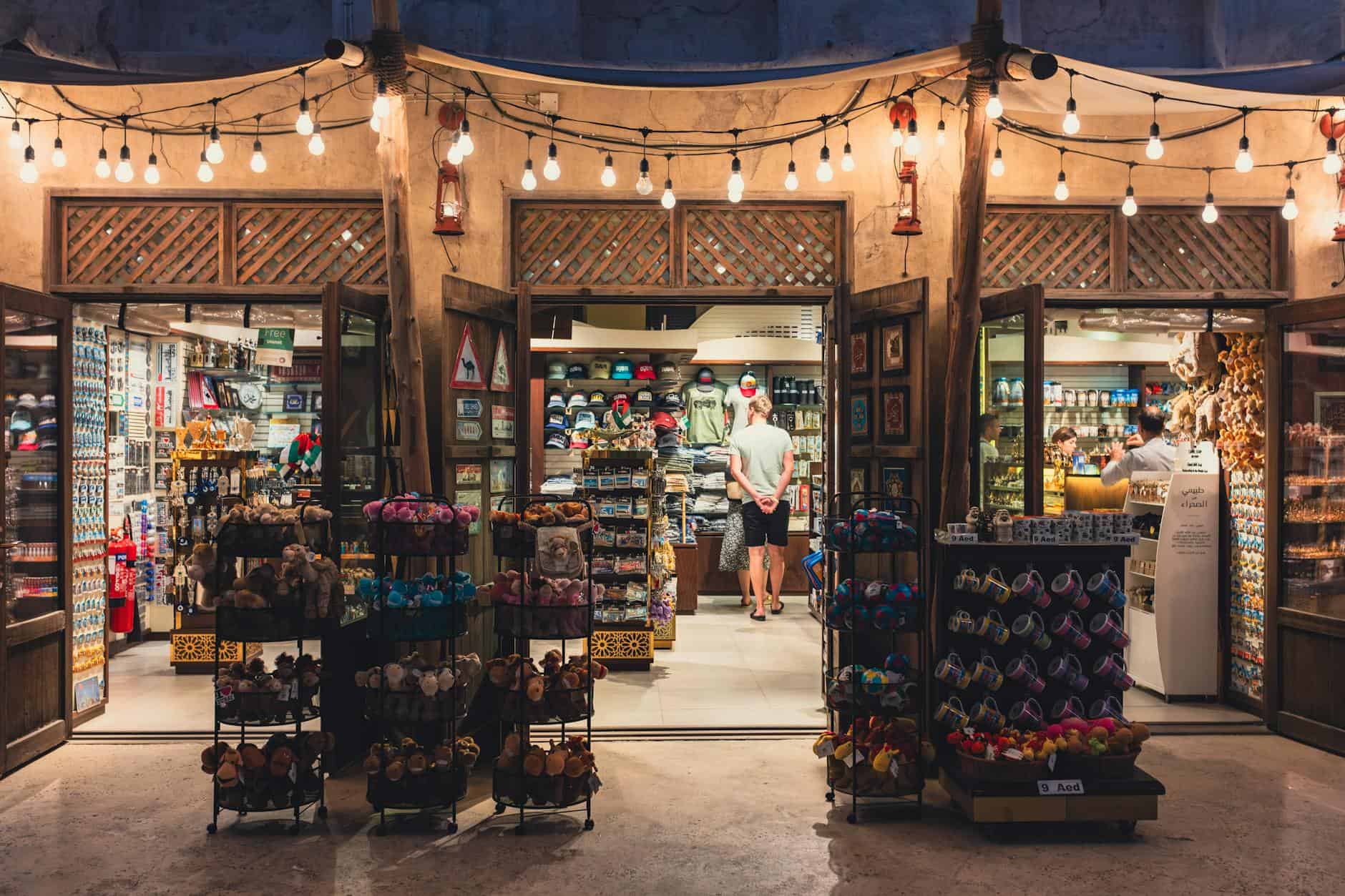
The airport gift shop souvenir occupies a category of its own because the regret is not about the purchase itself but about the timing. Airport souvenirs are purchased by people who either forgot to buy something during the trip, or who suddenly realize they’re about to show up at someone’s house empty-handed.
Both of these situations produce the same purchase: a $15 to $30 item with the name of the city or country on it that was manufactured in a facility nowhere near the city or country in question. The New York City snow globe made in China. The Rome-branded keychain that is also available at the Barcelona airport. The generic “I Love [City]” mug that communicates, accurately, that you thought of this at the last possible moment.
What makes this particular purchase noteworthy is that it survives the regret cycle. The person who bought it knows it’s a bad souvenir. The person who receives it knows it’s a bad souvenir. And yet the social contract of bringing something back is strong enough that the transaction continues, indefinitely, in airports everywhere.
Books and Magazines Nobody Finishes
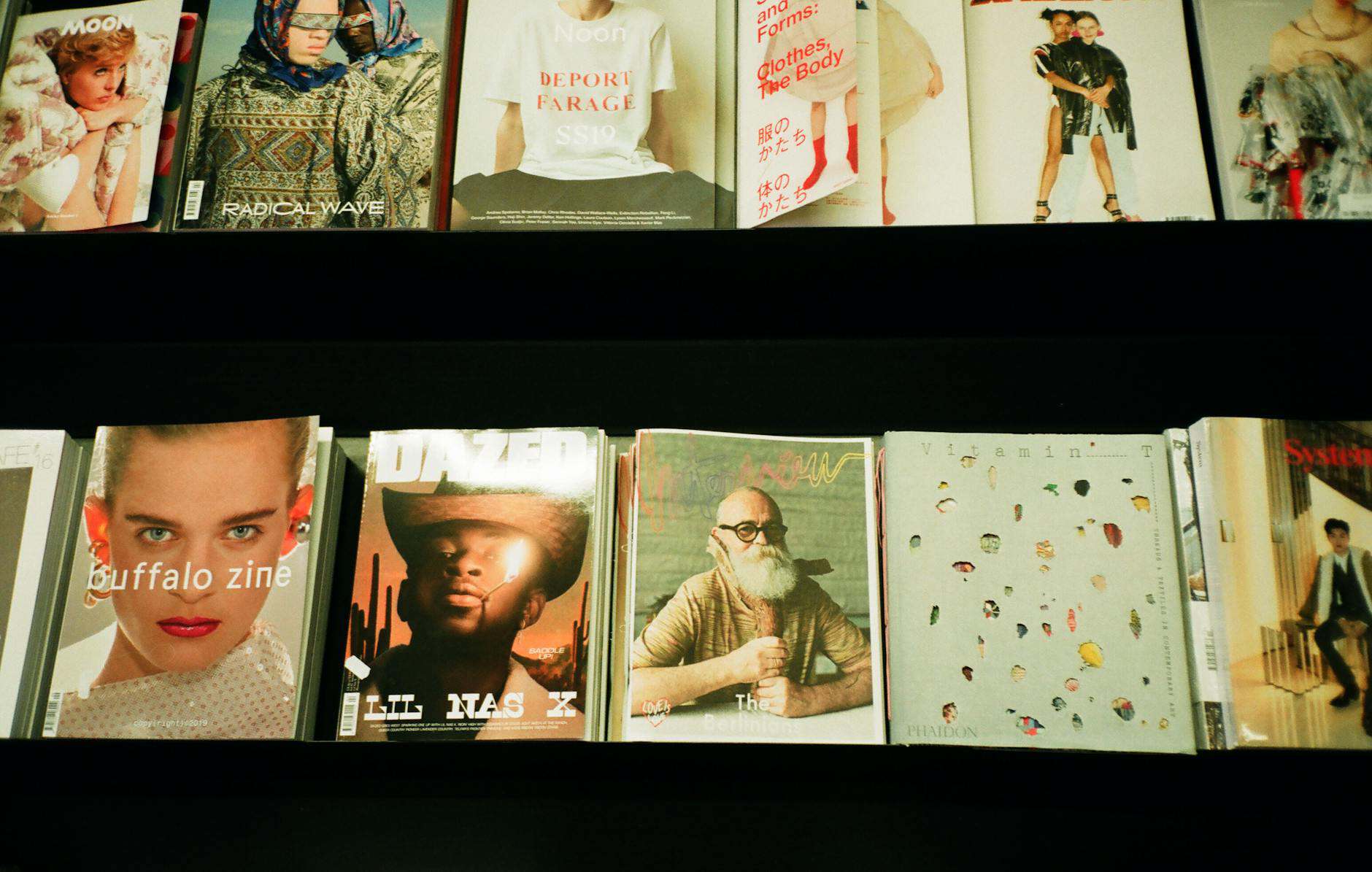
The airport bookstore purchase has a specific psychology: it is made by people who believe they are about to have a long, focused period of reading time, and who have temporarily forgotten what flights are actually like.
The reality of reading on a flight — the noise, the interruptions, the cramped position, the way falling asleep is always more appealing than chapter three — means that the $16 paperback bought at the gate gets about 40 pages read and then spends six months on a bedside table before being donated.
Magazines do slightly better for short flights. But the $8 magazine purchased for a two-hour flight contains approximately one article that was actually interesting, and the purchase was made because the person needed something to do during boarding and didn’t want to look at their phone.
The Overpriced Airport Bar Tab
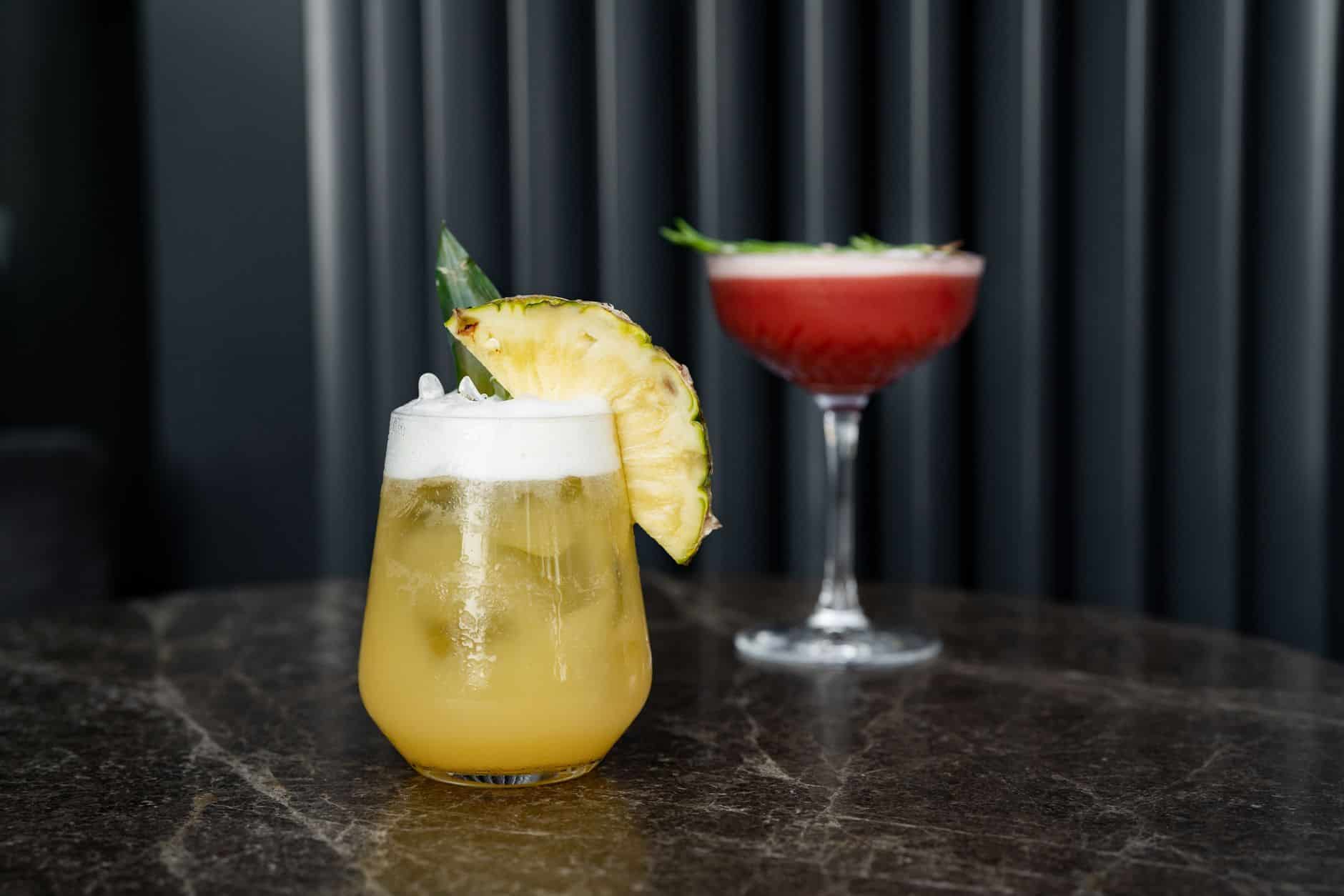
The airport bar experience is so consistently expensive that it has become a known joke — and yet it is also one of the more defensible airport expenditures, which tells you something about the competition.
A beer at an airport bar costs $10 to $14 at most US airports. A glass of wine is $14 to $18. A cocktail is $16 to $22. These prices are approximately double the street-level equivalent. The airport bar is always full anyway, because the airport bar provides something no other airport venue does: a social environment, ambient noise, permission to have a drink at whatever hour it happens to be, and the feeling of being a real person in a real place for 45 minutes before becoming a seat number.
The regret from the airport bar is therefore different from the other categories. It’s not “why did I buy this” regret — it’s “why did I have three of these” regret, which is a different and more familiar human experience.
How to Actually Get Through an Airport Without Lighting Money on Fire
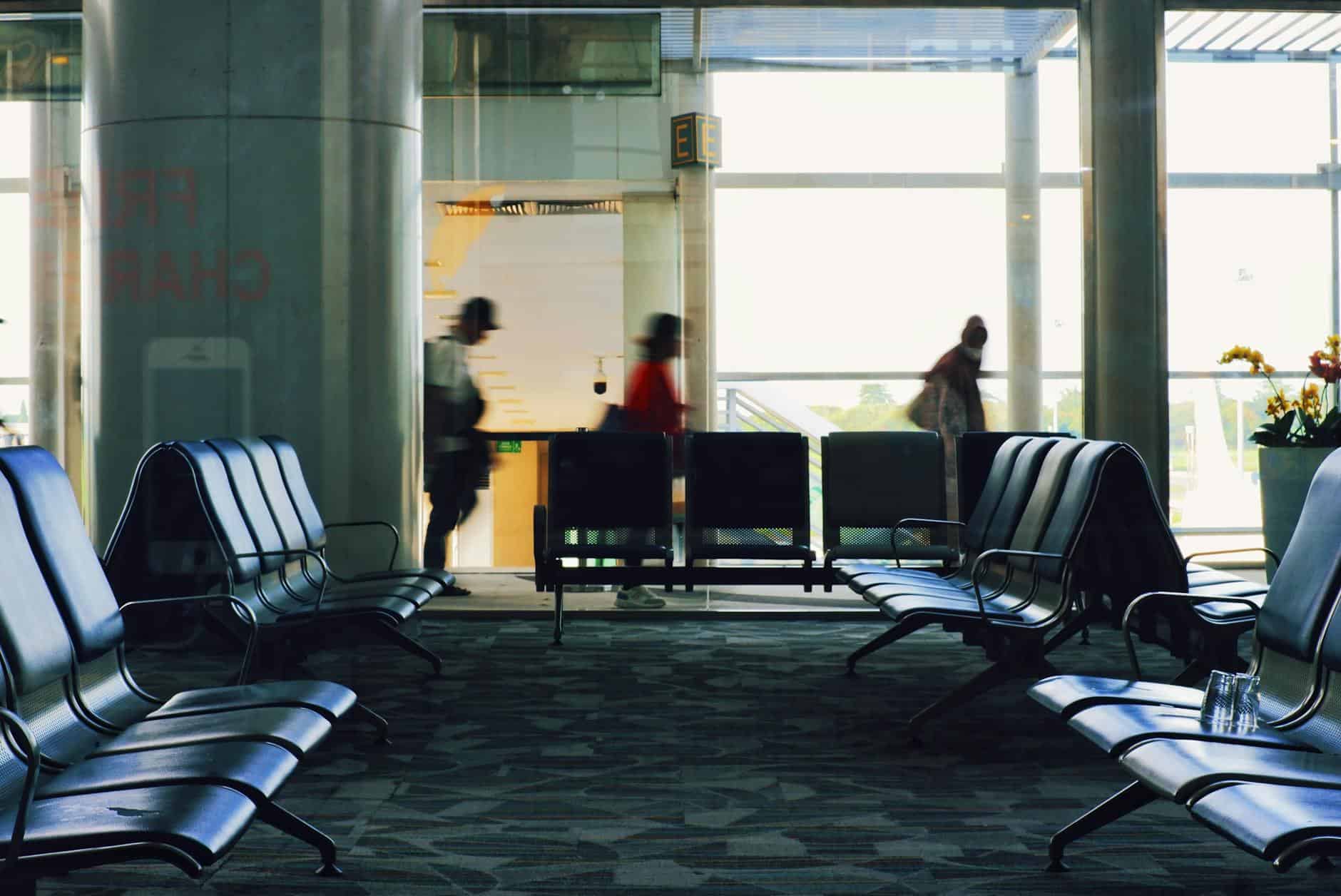
The airport’s psychological environment is specifically designed to defeat the planning you did before you got there. The best defense is preparation that doesn’t require willpower once you’re inside.
Bring your own food from outside security. Bring your chargers. Bring the travel pillow if you need one. Bring a book you actually want to read, or download what you want to watch before you leave the house. Set a cash-only rule for airport spending, which creates physical friction that credit card transactions don’t.
The most useful reframe is to think of the airport as a place you are passing through rather than a place you are visiting. Airports are extremely good at making you feel, subtly, that the time you spend there is leisure time — that you’ve been released from the rules of ordinary spending. The stores are beautiful. The light is flattering. The time feels free.
It isn’t. It’s just a transfer point with very good marketing.