What Americans Get Completely Wrong About Tipping Internationally — And What Happens When They Get It Right
We may earn money or products from the companies mentioned in this post. This means if you click on the link and purchase the item, I will receive a small commission at no extra cost to you ... you're just helping re-supply our family's travel fund.
This article contains affiliate links. If you book travel through our links, we may earn a commission at no extra cost to you.
The Japanese restaurant server who refused the tip. The Italian waiter who pocketed it without acknowledging it. The guide in Vietnam who seemed confused about whether the money being handed to him was payment or a gift. The bartender in London who seemed faintly amused.
American travelers generate a remarkable amount of tipping-related awkwardness abroad, and the interesting thing is that it runs in both directions. Sometimes Americans tip too much, in ways that create genuine discomfort. And sometimes they don’t tip enough, in places where that money genuinely matters. The miscalibration is almost universal, and it comes from a single root cause: Americans assume tipping is a universal language, and it isn’t.
The Countries Where Tipping Is Genuinely Offensive
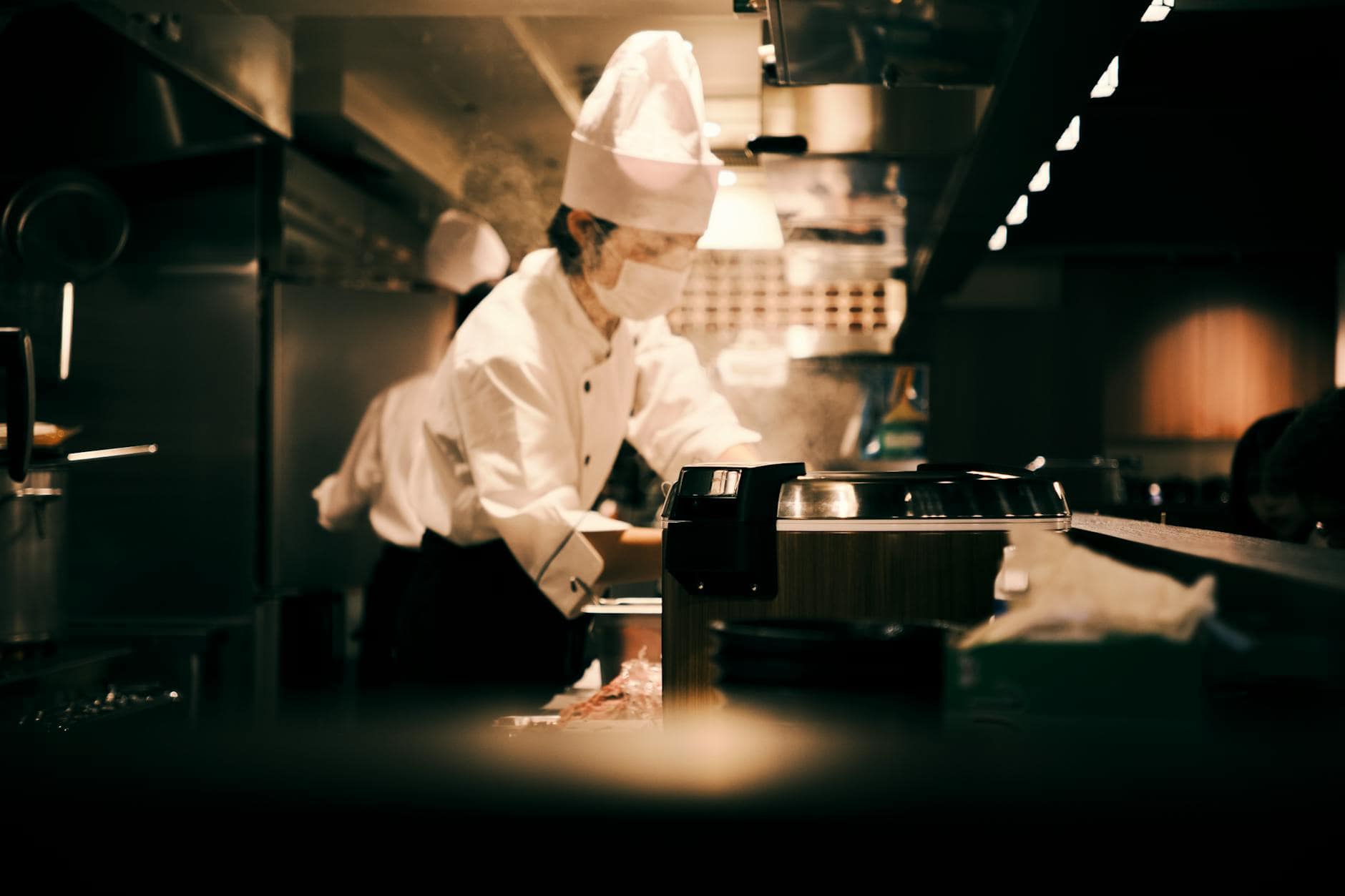
Japan is the canonical example, but it’s not the only one. In Japanese service culture, the concept of service is fundamentally different from the American model. Service is considered part of the job — not an above-and-beyond effort that warrants additional compensation, but the baseline expression of professionalism. A tip implies, in this context, that the server was doing something extra rather than simply doing their job. It can be read as condescending. At its most awkward, a server at a traditional establishment may run after a tourist to return the money left on the table, believing it was forgotten.
South Korea has a similar cultural framework. China, in most contexts, does not have a tipping culture, and unsolicited tips in traditional settings can confuse or embarrass. Hong Kong is more westernized and sits closer to the middle.
The Southeast Asian picture is more complicated. Thailand, Vietnam, and Indonesia have developed tipping cultures largely because of tourism — particularly American and European tourism — but the expectations are calibrated very differently from American norms. Ten percent in a Thai restaurant is considered generous. The American instinct to calculate 20 percent and add it without thinking produces tips that are sometimes larger than the meal cost, which creates its own form of awkwardness.
Where the American Tip Is Life-Changing (Literally)
The flip side of the Japan situation is something that doesn’t get discussed enough: in many developing economies with active tourism industries, service workers depend on tips from foreign tourists in a way that American travelers dramatically underestimate.
In countries like Mexico, Egypt, Morocco, and across much of Central America and sub-Saharan Africa, hotel and restaurant workers may earn base wages that are genuinely not survivable without supplemental income from tips. The gap between local purchasing power and the cost of a tourist-oriented meal means that a $3 tip on a $15 meal in a Moroccan restaurant represents something fundamentally different than the same percentage tip at an American diner.
American travelers who bring their domestic tipping ambivalence to these contexts — the ones who tip 10 percent because “I read that tipping culture is different here” — are often technically right about the cultural norms while being economically wrong about the impact. The norm may not exist as an institutional expectation, but the need does.
Tour guides in particular occupy a specific position in this economy. In Egypt, Morocco, and many parts of Latin America, the formal tour guide license is expensive to obtain and the officially posted tour price often reflects an expected supplement that is never stated explicitly. Guides who come home with $5 tips from a half-day tour are not just underpaid by American standards — they’ve earned less than the transportation cost of getting to work.
What European Servers Actually Think About American Tippers
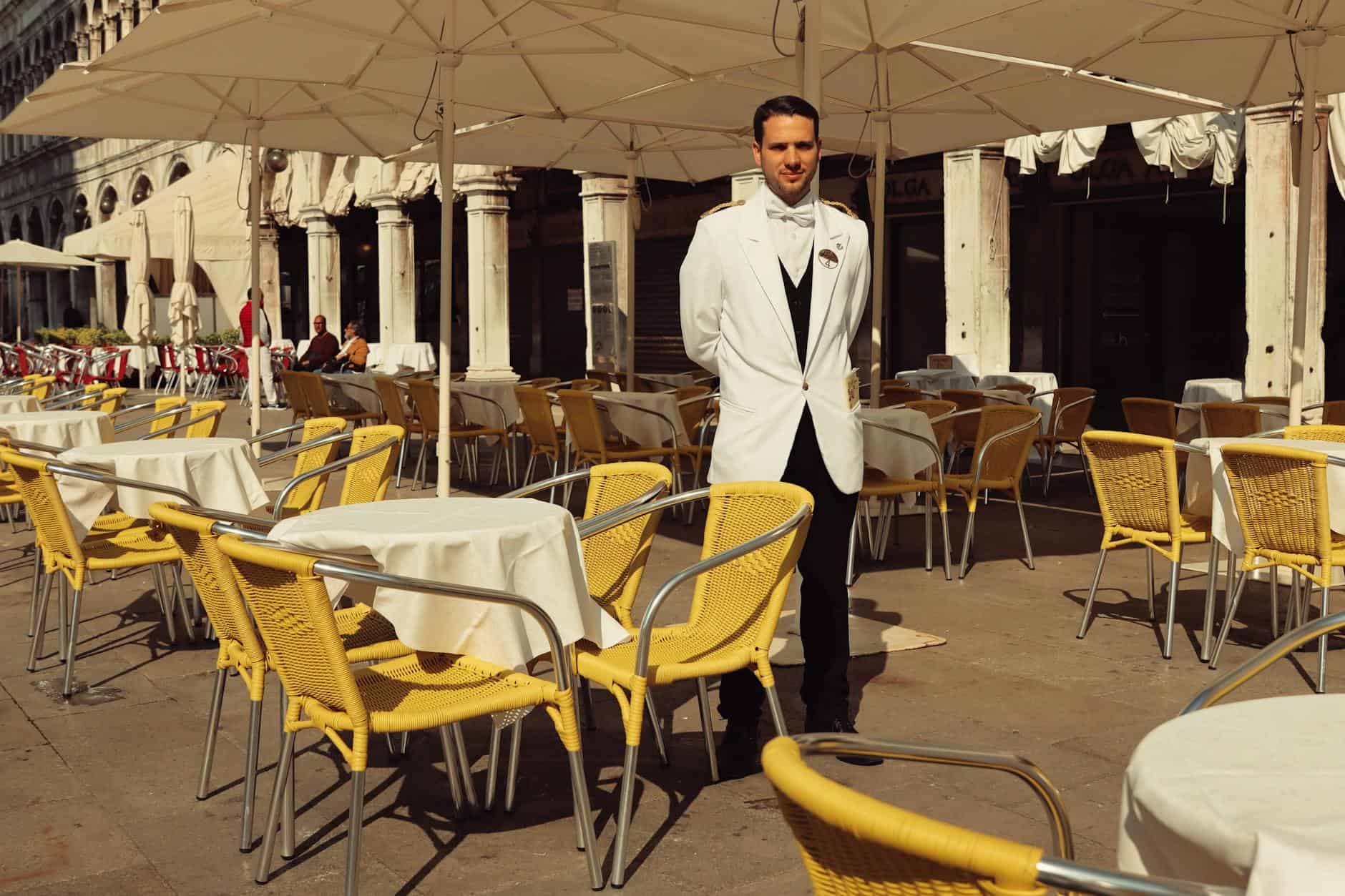
The received wisdom is that tipping in Europe is optional, and technically it is. But the picture is more granular than that, and it varies significantly by country, by type of establishment, and by city.
In France, the service charge — “service compris” — is legally included in menu prices. This was specifically designed so that servers don’t depend on tip income the way American servers do. Leaving a few coins, or rounding up to the nearest euro, is a common courtesy but genuinely optional. Leaving 20 percent American-style is unusual enough that it’s often more confusing than appreciated.
Germany is similar — rounding up to the next round number is standard, and a full American percentage tip can feel odd. Scandinavia has largely moved to card-only payment systems where tipping isn’t built into the interface.
But Italy is more complex than its “no tipping” reputation suggests. In tourist-heavy cities like Rome, Florence, and Venice, American-style tipping has become genuinely welcomed in restaurants that primarily serve international visitors. The servers in these restaurants know exactly how Americans tip and have come to depend on it. Italian servers at traditional restaurants off the tourist trail still find it unnecessary. The same city contains both realities simultaneously.
Spain is similar: the locals don’t tip in the way Americans do, but tourist-area restaurant staff in Barcelona and Madrid have become accustomed to and grateful for the American percentage.
The Specific Mistake Americans Make in Every Country

The most common error isn’t undertipping or overtipping — it’s tipping on the wrong person or the wrong moment.
American tipping culture has specific mechanics: you tip after the meal, at the table, on the total including tax, and the tip goes to the server. These mechanics are so ingrained that Americans apply them automatically in contexts where they don’t make any sense.
In many countries, tips left on the table walk away with the busser, or go into a shared pool that the server never sees, or simply disappear. The correct method of tipping in many parts of Southeast Asia, the Middle East, and Latin America is to hand the money directly to the person you want to receive it, making eye contact, before or as you leave — not leaving it on the table where the server may not even know it was there.
The other common mistake involves hotel tipping. Americans who tip their American hotel housekeeper $5 per day sometimes don’t tip at all in international hotels because the norms feel unclear. Meanwhile, in countries like Mexico and the Dominican Republic, resort housekeepers depend on daily tips from guests in a way that is structurally built into the resort employment model. Leaving the week’s worth of tips in a lump sum on checkout day means only the person cleaning the room on the last day benefits.
Cruise Ship Tipping: The Industry’s Most Confusing System
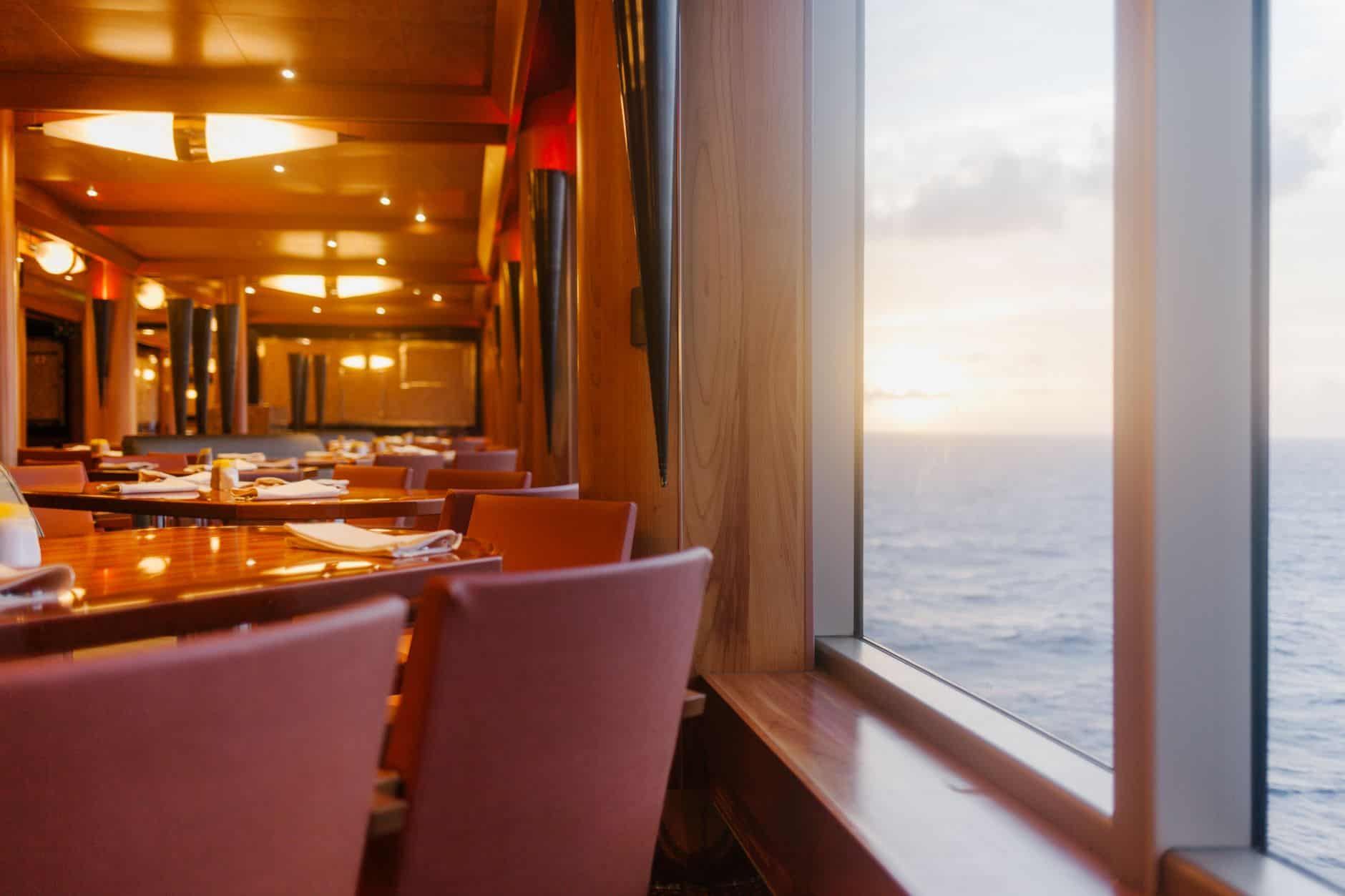
Cruise ships deserve their own category because the tipping system on most major cruise lines is genuinely opaque and widely misunderstood.
Most major cruise lines charge an automatic daily gratuity — typically somewhere between $16 and $20 per person per day — that appears on your final bill. This is in addition to whatever you might tip individually. The automatic gratuity is pooled and distributed to cabin stewards, dining room staff, and behind-the-scenes hotel crew who guests never interact with. This is legitimate and functions as a wage supplement for workers who earn very low base salaries.
The confusion comes in two forms. First, many American cruisers don’t realize this charge is coming and experience it as a surprise bill, then feel no need to tip additionally because they’ve already paid. Second, some guests proactively remove the automatic gratuity at guest services (which is allowed on most lines) and then tip their specific steward and waiter directly — which sounds more personal but actually harms the behind-the-scenes workers.
The additional cash tip on top of the automatic gratuity, for genuinely exceptional personal service, is real and appreciated. But the tipping system on cruise ships was designed by the cruise industry as a way to pay poverty wages to international workers and offset labor costs onto customers. Understanding that structure clarifies why the system feels so confusing: it was designed to be.
What Happens in the Kitchen When You Tip Well
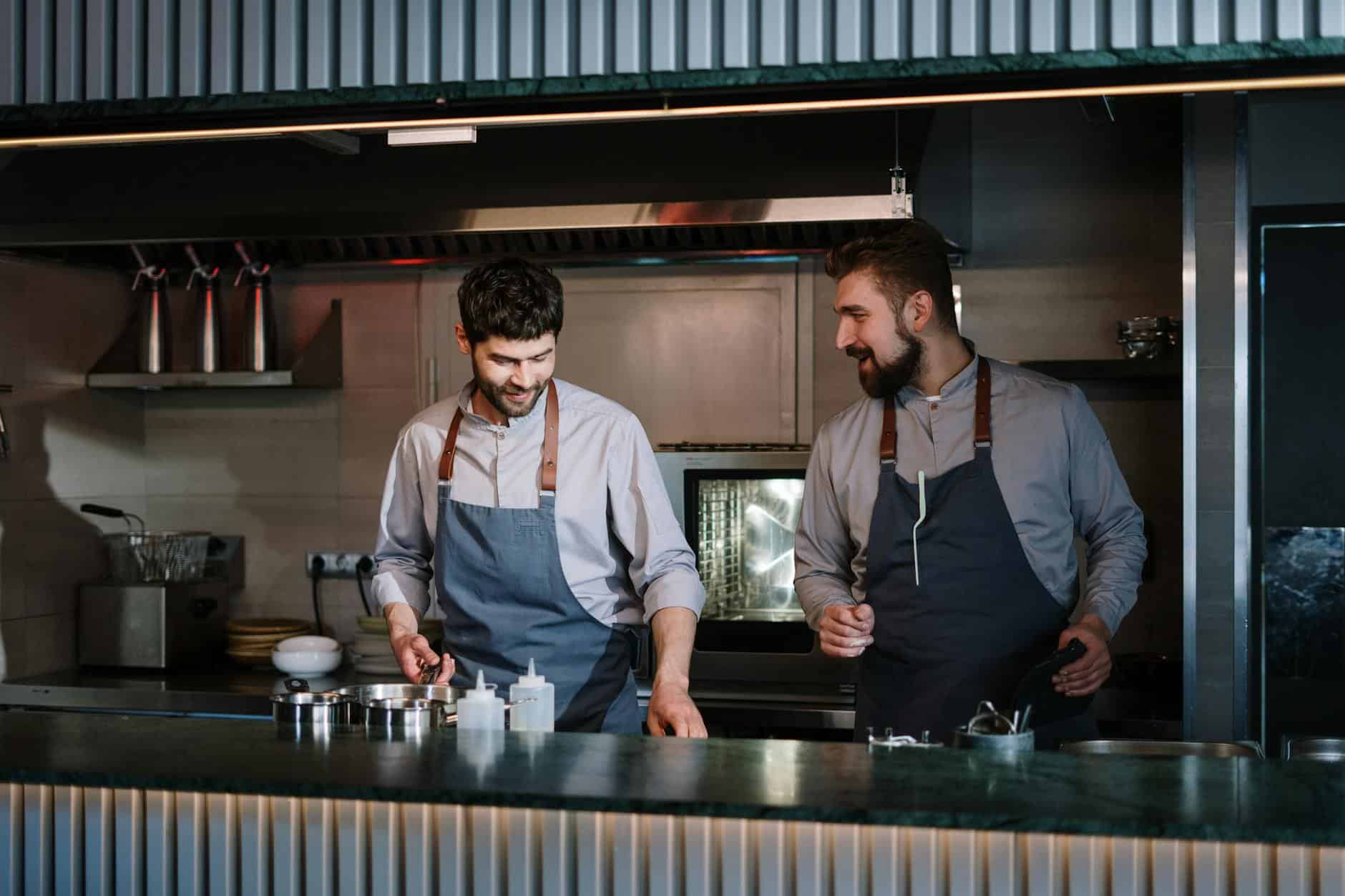
In the United States, one of the most persistent tensions in the restaurant industry is the kitchen-front-of-house income gap. In many countries, this tension doesn’t exist in the same form — but where American-style tipping culture has taken hold, it creates identical dynamics.
In tourist-heavy restaurants across Mexico, the Caribbean, and parts of Europe, a server who receives a large tip from an American table often shares back with the kitchen informally, not because they’re required to, but because the working relationships and mutual dependency require it. This informal economy of tip-sharing creates genuine goodwill that flows through the entire service experience, often in ways guests never see.
A large tip early in a trip — at a restaurant you plan to return to — is frequently a better investment than any amount spent on tourist experiences. It is remembered. The service at the same table the following night is almost always different.
The Countries That Are Changing Their Tipping Culture Because of Americans
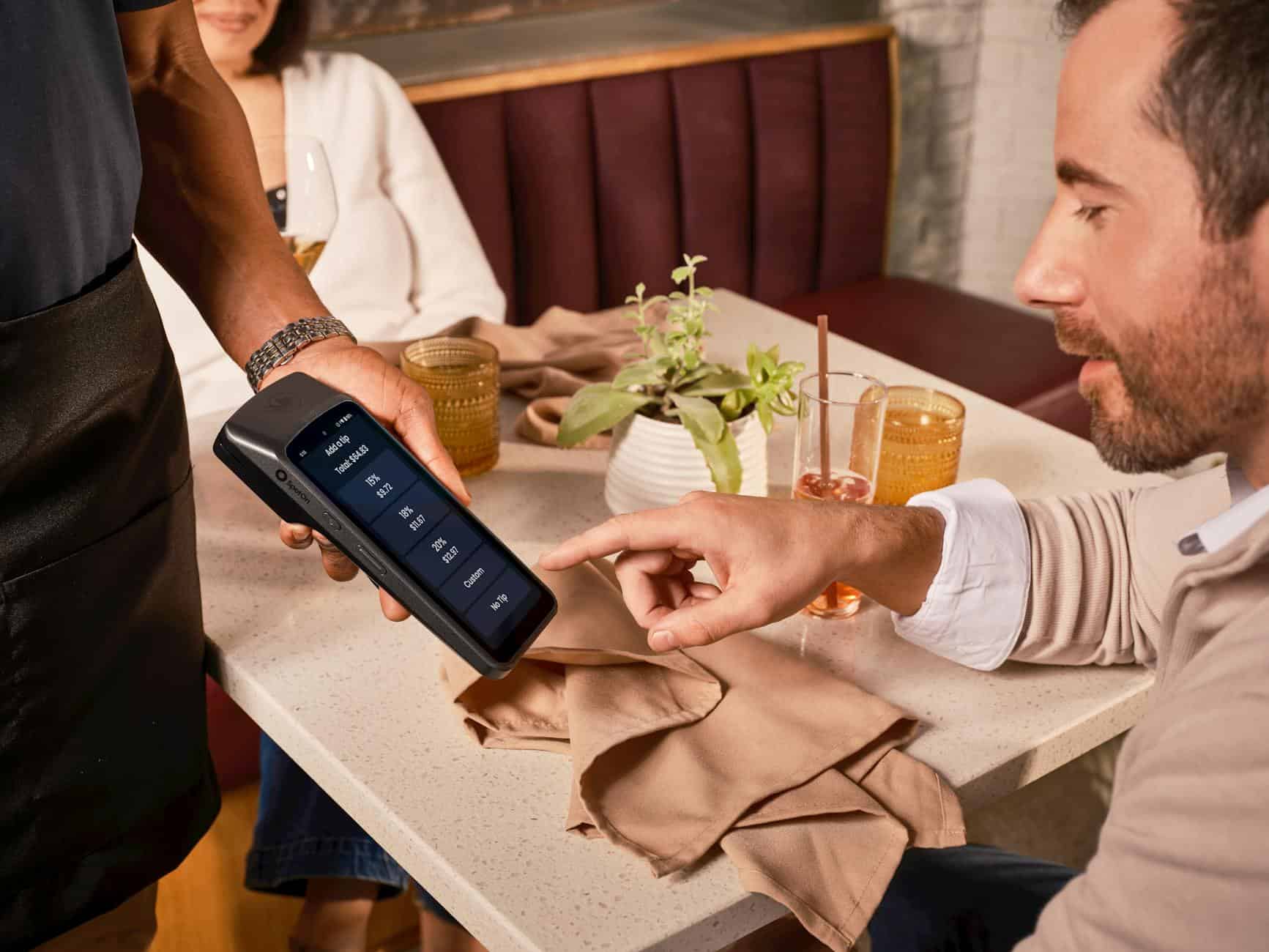
One of the more interesting unintended consequences of American travel culture is that in some countries, tipping norms are genuinely shifting, driven by the cumulative weight of what American tourists have modeled over decades.
Iceland, which traditionally had no tipping culture, has seen tipping become increasingly common in Reykjavik’s tourist-district restaurants over the last fifteen years. Credit card terminals now routinely offer tip prompts that didn’t exist before. The tipping is primarily done by Americans and Canadians — Icelanders still don’t tip each other — but the income has become real enough that servers in tourist establishments have begun to expect it.
Similar shifts are observable in Japan’s most tourist-heavy districts (specifically in Western-style hotels and areas like Tokyo’s Shinjuku that serve international visitors), in some parts of Eastern Europe, and in the higher-end restaurants of cities like Prague and Budapest where the international tourist economy has made the American tip a meaningful income supplement.
This is not uniformly celebrated by locals. There are active debates in Japan, Iceland, and elsewhere about whether imported tipping culture is improving or eroding the local service culture. The concern is that once wages become tied to tip income, the institutional pressure to pay living base wages decreases — the exact problem American servers have been trying to solve for decades.
How to Actually Know What to Do

The simplest heuristic that travels well: before you arrive anywhere, ask two questions. What do locals do? And what do the local service workers depend on?
The answers to these two questions are sometimes the same and sometimes completely different. In Japan, locals don’t tip and workers don’t depend on it. In Mexico, locals don’t tip on the scale Americans do, but workers at tourist establishments often do depend on foreign tips. In France, the service charge is built in and server pay is regulated. In Egypt, the formal rate is whatever is posted, and the informal supplement is woven into the entire tourist economy.
The goal is not to perform the local norm perfectly — tourists are never going to pass for locals. The goal is to understand the actual economic reality of the people serving you and to behave accordingly. That calculation sometimes produces less generosity than American defaults and sometimes produces more. But it’s never the same in every country, and treating it as if it is is how Americans end up accidentally offending servers in Tokyo and accidentally underpaying them in Cancún.