What Customs Agents Are Actually Looking For — The Specific Behaviors That Get You Pulled Aside
We may earn money or products from the companies mentioned in this post. This means if you click on the link and purchase the item, I will receive a small commission at no extra cost to you ... you're just helping re-supply our family's travel fund.
Every traveler who gets waved into secondary inspection at customs wonders what they did. The answer is usually nothing — or nothing illegal. Customs and Border Protection officers and their counterparts in other countries aren’t necessarily looking for wrongdoing. They’re looking for patterns: patterns in behavior, in travel history, in documentation, and in the specific combination of factors that their training and risk-assessment algorithms have taught them to watch.
Understanding those patterns doesn’t help you smuggle anything. It does help the overwhelming majority of honest travelers — who get pulled aside for entirely innocent reasons — understand what’s happening and how to navigate it efficiently.
How Customs Screening Actually Works
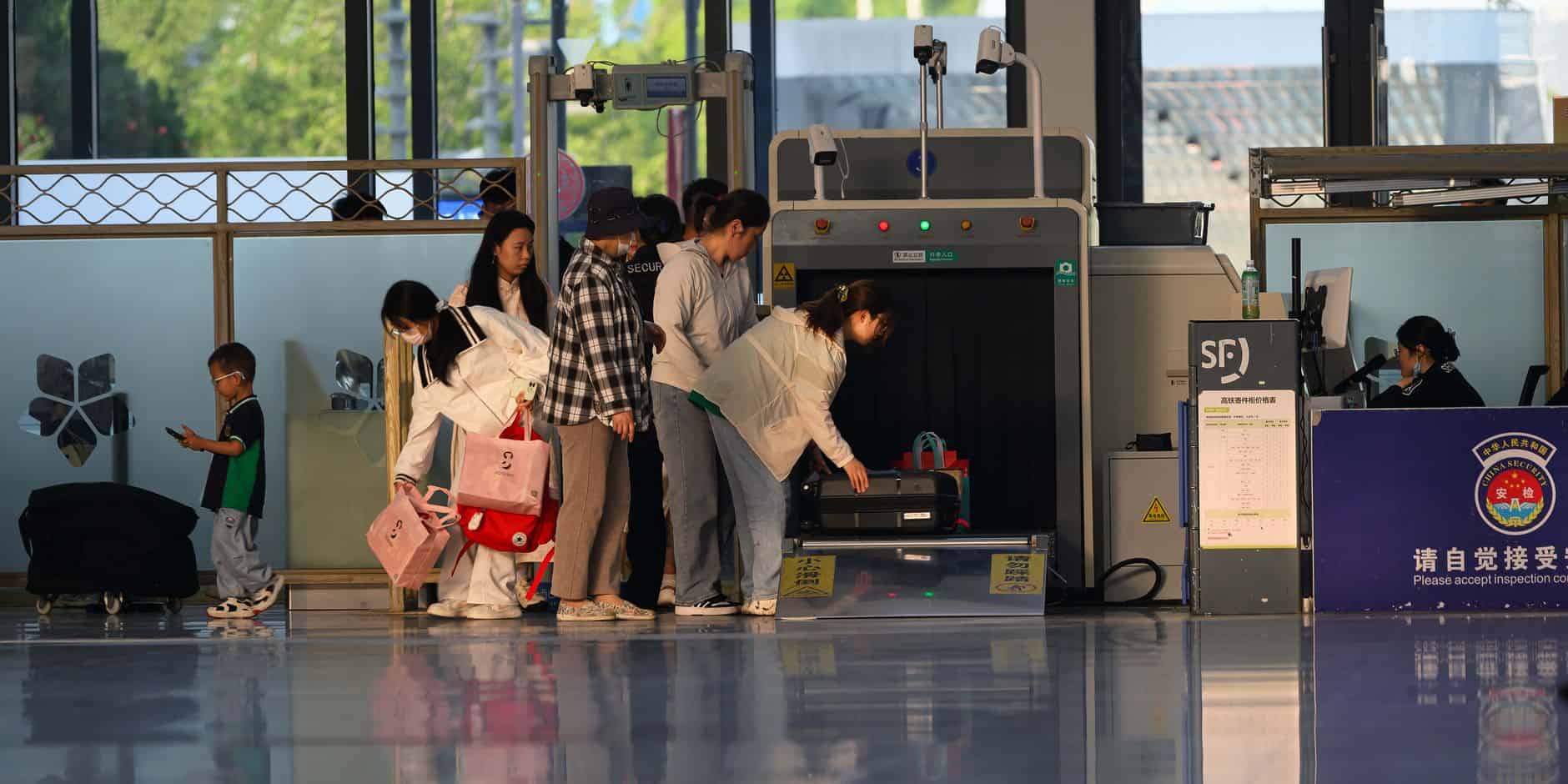
When you enter the United States or most other countries, your screening actually begins before you reach the customs officer. Multiple systems are working simultaneously:
- Advance Passenger Information System (APIS): Your passport data, booking information, and biographical data is transmitted to CBP before your plane lands. By the time you reach the officer, a risk score has already been generated.
- Secure Flight: Cross-references passenger data against terrorist watch lists and no-fly lists.
- The CBP officer’s visual assessment: An experienced officer is observing behavior, dress, body language, and affect as passengers approach the booth — this assessment begins at a distance.
- Your APC kiosk or app data: If you used a kiosk or the Mobile Passport app, the officer receives your photo, declaration, and a preliminary risk assessment before you hand over your passport.
By the time you’re having a conversation with a customs officer, a significant amount of data about you has already been reviewed. Most of it is invisible to you.
The Behavioral Cues That Trigger Secondary Inspection
CBP officers receive extensive training in behavior detection, and many airports deploy SPOT (Screening Passengers by Observation Technique) officers whose specific function is behavioral observation rather than document checking.
Behaviors that reliably attract attention:
- Excessive nervousness: Visible sweating, trembling hands, difficulty making eye contact, voice cracking when answering questions. Officers are trained to distinguish travel-fatigue-nervous from situation-specific-nervous. Most people are mildly anxious at customs; conspicuously anxious behavior is a flag.
- Inconsistent story: Any answer that contradicts a previous answer, or that contradicts the documentation — different stated purpose of travel than the visa allows, different stated duration than the return ticket shows.
- Overprepared or rehearsed answers: Ironically, people who have scripted their answers often appear more suspicious than people who respond naturally. Officers notice when answers sound rehearsed.
- Grooming behaviors: Touching the face, covering the mouth, self-soothing gestures like rubbing arms or adjusting clothing during questioning. These are associated with deception but also with anxiety, which is why innocent people get flagged for them too.
- Avoidance of eye contact vs. deliberate maintenance of eye contact: Both extremes — refusing to look at the officer and staring unnaturally — register differently than the normal intermittent eye contact of a natural conversation.
What Your Documents Signal Before You Say a Word
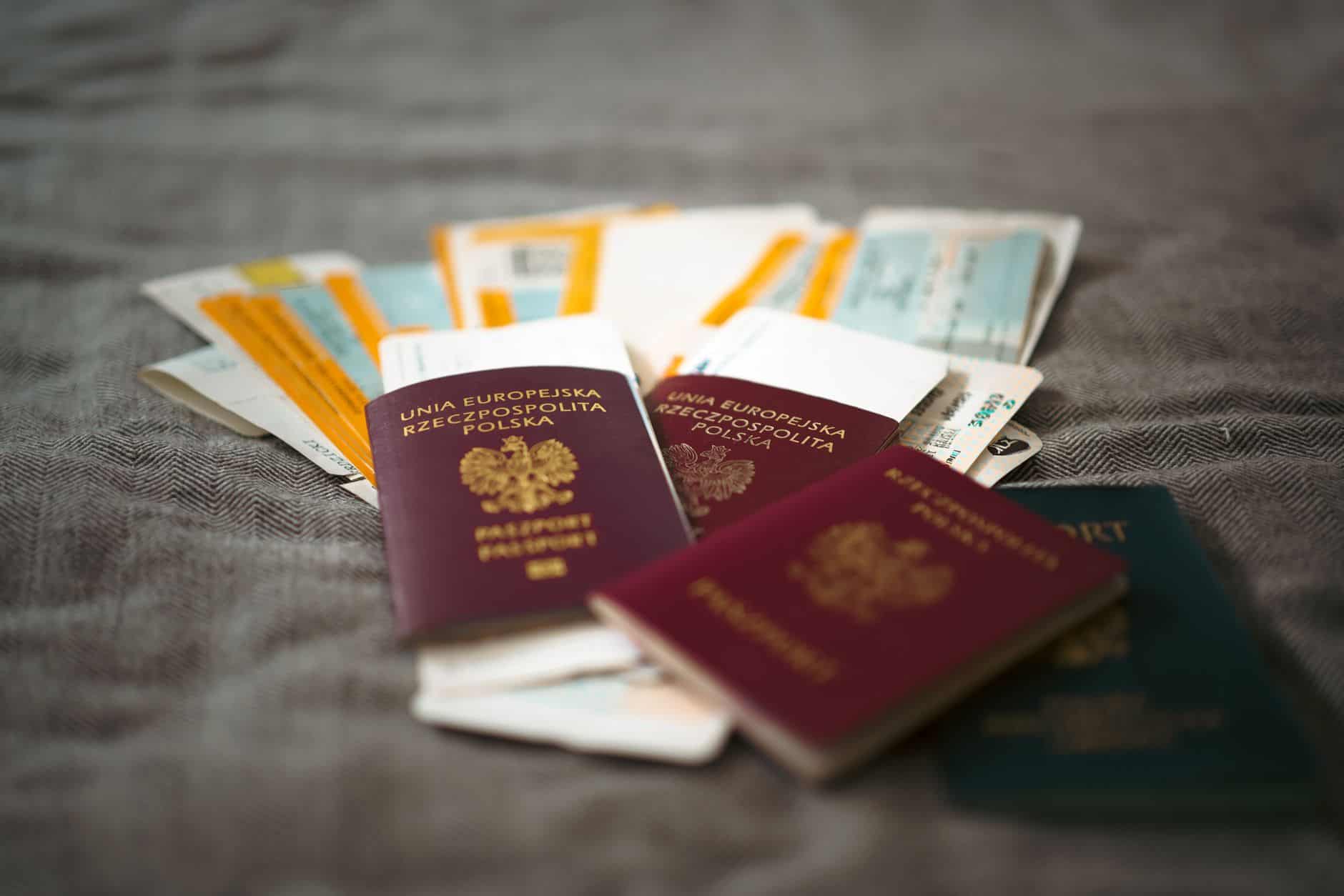
Your passport and documentation communicate a significant amount of information that can either accelerate your clearance or prompt additional scrutiny.
- Travel history visible in your passport: Stamps from countries that attract heightened scrutiny — Yemen, Somalia, Syria, Iran, North Korea — will generate additional questions regardless of the purpose of travel. This is not irrational on CBP’s part; it’s a risk-weighting exercise.
- Many visa stamps but few entry/exit stamps: This pattern can suggest extended stays or overstays in countries where you obtained visas.
- A passport that’s almost full or recently renewed after a short period: Significant travel volume is itself a factor in risk algorithms — though frequent legitimate travelers often enroll in Global Entry or TSA PreCheck specifically to offset this.
- Visa type mismatched to stated purpose: Arriving on a tourist visa while telling the officer you’re attending business meetings is a contradiction officers are specifically trained to probe.
The Declaration Form Matters More Than People Think
The customs declaration form is a legal document and a lie on it — even an inadvertent one — creates real legal exposure. Common declaration mistakes:
- Not declaring cash or monetary instruments over $10,000 (this is a reporting requirement, not a prohibition — the failure to report is the violation)
- Not declaring food items that are technically covered by declaration requirements (meats, fresh produce, seeds)
- Underestimating the value of goods purchased abroad
The Questions They Ask and What They’re Looking For in Answers

Standard customs questions are designed to do two things: verify your stated purpose of travel and identify inconsistencies. Common questions and what officers are actually assessing:
- “What was the purpose of your trip?” — They want a clear, simple answer that matches your visa type. “Vacation,” “business,” “visiting family” — these should immediately match the documentation. Hedging, qualifying, or giving a complex multi-purpose answer invites follow-up.
- “Where did you stay?” — They may already know from your booking data. Inconsistency is a flag. If you stayed in five different places, having a coherent answer ready is useful.
- “Are you traveling alone?” — This can probe for evasion about traveling companions who may have taken a different route through customs.
- “What do you do for work?” — This is specifically probing for people working abroad on tourist visas, which is prohibited in many countries. The stated profession should match plausibly with the travel purpose and duration.
- “Do you have any food items?” — A direct declaration question. Officers cross-check this against the declaration form.
The correct approach to all of these: answer simply, truthfully, and briefly. Elaborate explanations that weren’t requested suggest discomfort with the simple answer.
Travelers Who Get Scrutinized More — And Why
Certain travel profiles generate algorithmic scrutiny that is largely independent of individual behavior:
- One-way tickets: A one-way ticket to a country on a tourist visa raises immediate questions about intent to overstay. Officers are trained to probe this.
- Very short trips: A 48-hour trip to a country with a 3-hour flight doesn’t add up for most purposes. Short trips to certain countries prompt additional questions.
- Trips paid for in cash: Cash-purchased tickets flag in risk algorithms because they’re associated with identity concealment.
- Last-minute bookings: Tickets purchased within 24 hours of departure are weighted differently in risk models.
- Traveling alone, no checked bags, to a destination with a high drug-trafficking or terrorism profile: Each of these factors adds weight to a risk score; the combination is weighted significantly.
None of these individually make a traveler a suspect. The algorithms combine multiple factors into a risk score, and secondary inspection is triggered at a threshold, not by any single indicator.
What’s Actually in Your CBP Profile

CBP maintains a Traveler Enforcement Compliance System (TECS) that includes your border crossing history. Under Freedom of Information Act requests, travelers can request their own records.
What CBP tracks includes:
- Every crossing of a U.S. land, sea, or air border with entry and exit data
- Secondary inspection history — how many times you’ve been pulled, and outcomes
- Any enforcement actions associated with your name or documents
- Information shared by other agencies including DEA, ICE, and FBI
If you’ve been pulled aside multiple times and don’t understand why, filing a DHS TRIP (Traveler Redress Inquiry Program) request may identify whether there’s an error in your record — a name match to a watchlisted individual, for example — that’s been causing repeated flags.
Common Mistakes That Cause Delays (That Are Entirely Avoidable)
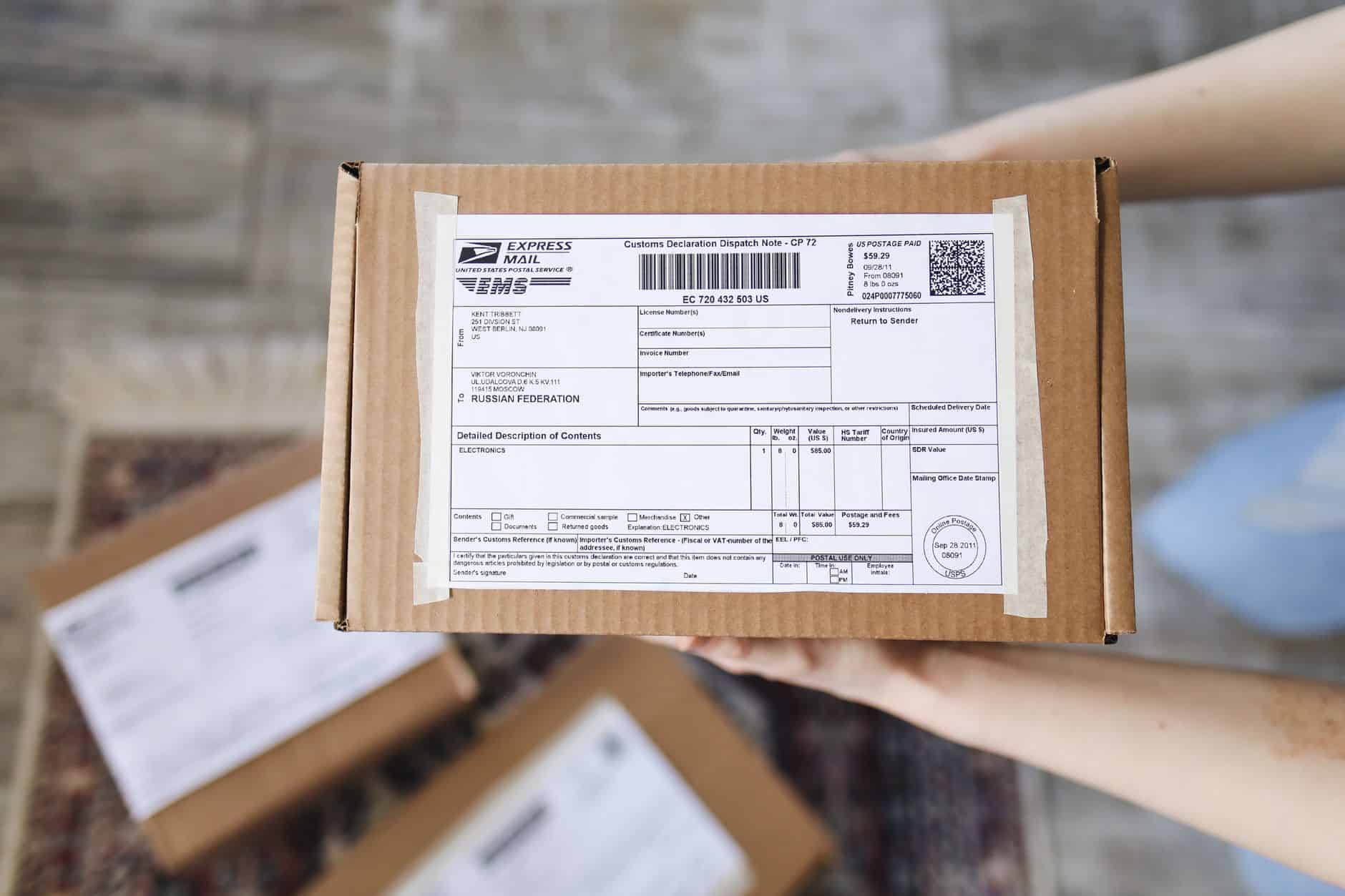
- Not filling out forms completely and legibly: Blank fields and illegible entries create processing delays and invite questions
- Not declaring items you’re not sure about: When in doubt, declare it. You can declare something and it turn out not to be restricted; you can get caught not declaring something that was
- Having electronics with no cases or protective equipment: Officers who conduct electronics inspections note that equipment that looks like it’s been wiped or reset recently attracts more scrutiny
- Talking on your phone when approaching the booth: This is explicitly requested not to do, and doing it anyway signals disregard for the process
What Your Rights Are and When to Invoke Them
The rights picture at the U.S. border is different from the rights picture inside the country. This is one of the most misunderstood areas of travel law.
- CBP can search your person, luggage, and electronic devices at the border without a warrant and without probable cause
- Non-citizens can be detained and questioned for extended periods without the same protections that apply inside the country
- U.S. citizens cannot be denied entry to the United States — but they can be detained and questioned for significant periods during the determination process
For secondary inspection:
- You do not have the right to an attorney during CBP secondary inspection as a condition of entry
- You can ask why you’ve been selected for secondary inspection — officers are not required to tell you
- U.S. citizens should invoke their citizenship clearly and early if detained: “I am a U.S. citizen. I understand I cannot be denied entry.”
- Document everything after the fact — who you spoke with, what was said, what was searched
The most important practical piece of advice: be cooperative, be calm, be truthful, and be brief. The vast majority of secondary inspections resolve quickly when travelers respond straightforwardly. The inspections that extend are almost always ones where the traveler becomes confrontational, inconsistent, or provides information that creates new questions.