Road Trips Americans Hype That Actually Disappoint vs. The Routes Nobody Talks About That Deliver
We may earn money or products from the companies mentioned in this post. This means if you click on the link and purchase the item, I will receive a small commission at no extra cost to you ... you're just helping re-supply our family's travel fund.
The mythology of the American road trip is one of the country’s most powerful cultural exports. Route 66. The Pacific Coast Highway. Wide open roads, total freedom, the country rolling out in front of you. The photographs are extraordinary. The literature is compelling. The reality has significant footnotes that the Instagram photos don’t include.
This is not an argument against road trips — road trips are genuinely among the best travel experiences the United States offers. It’s an argument for choosing the right road trips, and for calibrating expectations against what roads actually are, not what the mythology says they are.
Why Famous Road Trips Underperform Their Reputation
Famous routes have famous problems:
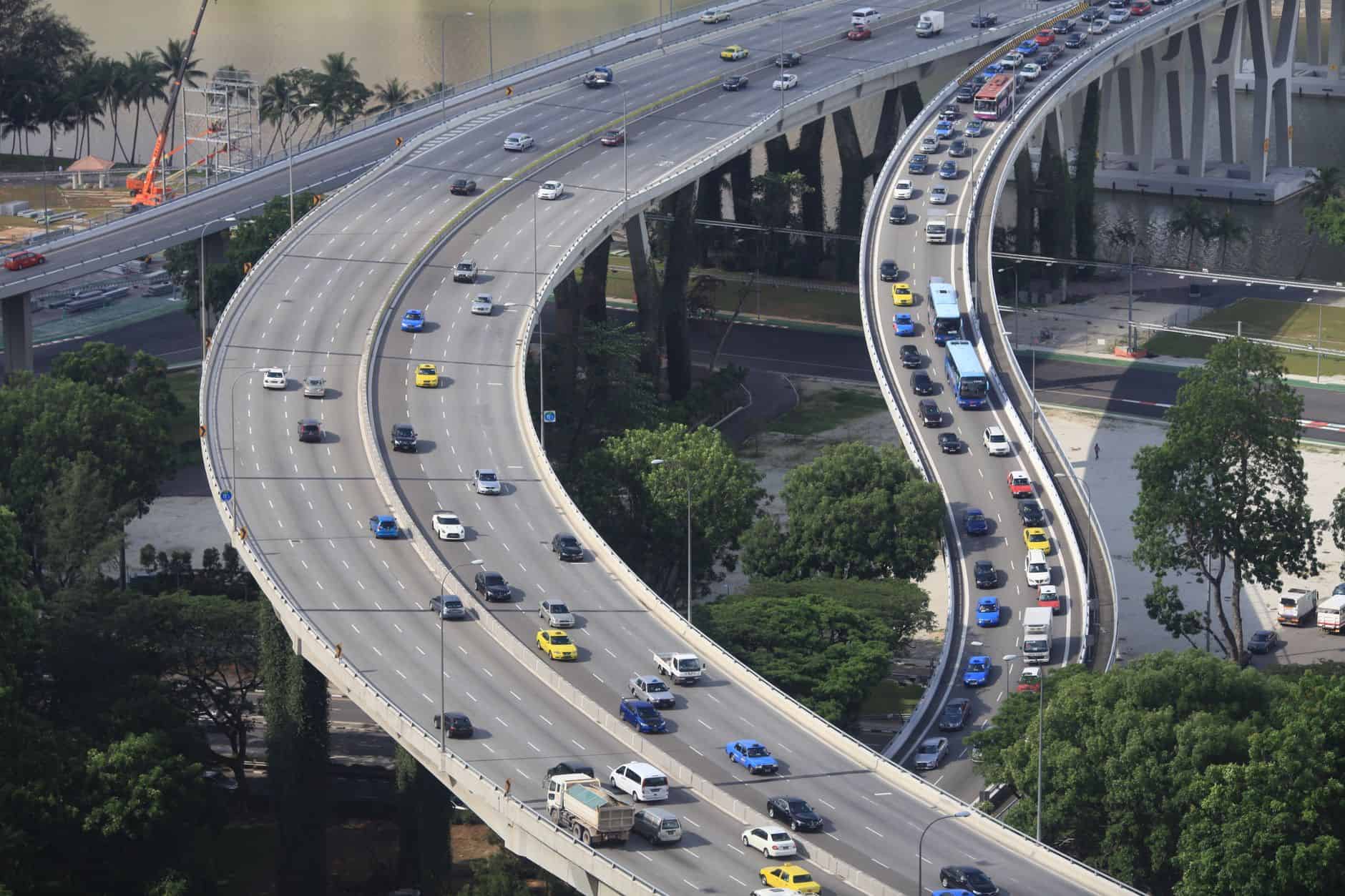
- Traffic: The most photographed roads in America are also, in many cases, the most driven. The Pacific Coast Highway through Big Sur is a masterpiece of coastal engineering and a consistent traffic slowdown during summer. The best photographs were taken either very early in the morning, decades ago, or both.
- Infrastructure collapse: Portions of famous routes have been damaged by time, funding shortfalls, or natural disasters. Route 66, specifically, has large gaps where the original road no longer exists or has been paved over by Interstate.
- Tourist infrastructure crowding: The famous stops along famous routes are famous. The diner on Route 66, the scenic overlook on the Blue Ridge Parkway, the sunset at Big Sur — these places have lines, parking lots, and dozens of other people with phones extended.
- The driving-vs-stopping problem: Long-distance driving is genuinely tiring. The romance of “just driving” through beautiful scenery loses some of its appeal when you’ve been in the car for seven hours and you’re not even halfway done.
Pacific Coast Highway: The Truth About the Drive
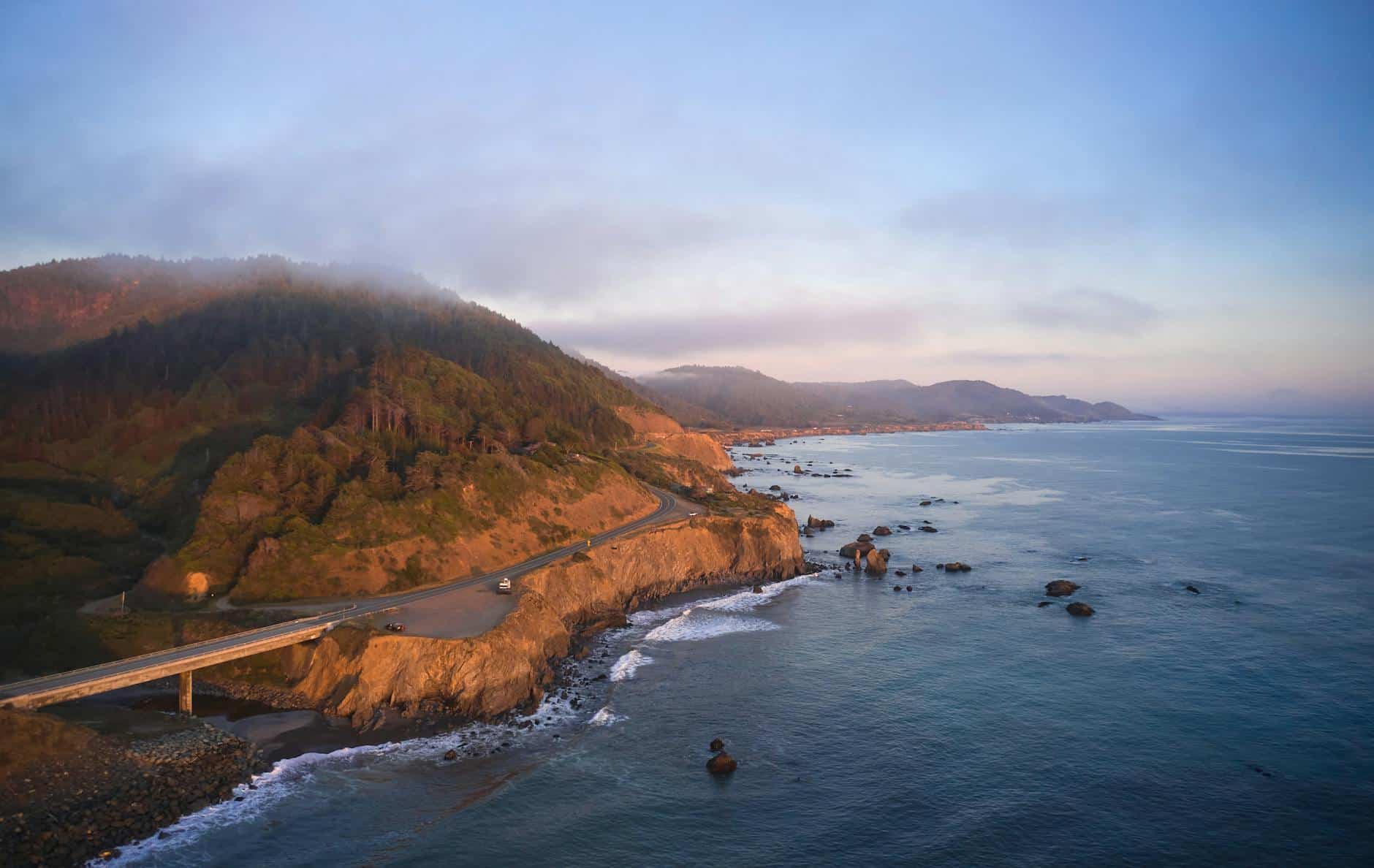
PCH — specifically Highway 1 through the Big Sur coastline — is legitimately one of the most beautiful drives in the world. The views of the Pacific, the cliffs, the bridges: the photographs don’t lie about the scenery.
What the photographs don’t show:
- The portions of PCH that are genuinely spectacular (roughly Carmel to San Simeon) take 3-4 hours to drive without stops — reasonable for the distance but not the sweeping day-long exploration people imagine
- Big Sur has been affected by repeated landslides (2017’s Pfeiffer Canyon Bridge collapse, subsequent events) that have periodically closed sections of Highway 1 for months at a time — always check current road conditions
- Summer traffic through the Big Sur stretch can turn a 3-hour drive into a 5-6 hour crawl
- The portions of PCH outside the Big Sur highlight — Los Angeles to Santa Barbara, or through the Central Coast — are largely unremarkable driving with a coastal freeway feel
Best version of this trip: Spring (April-May), midweek, start from Carmel heading south, leave very early. The road and the views are exactly as spectacular as advertised under those conditions.
Route 66: What’s Left vs. What You’re Imagining
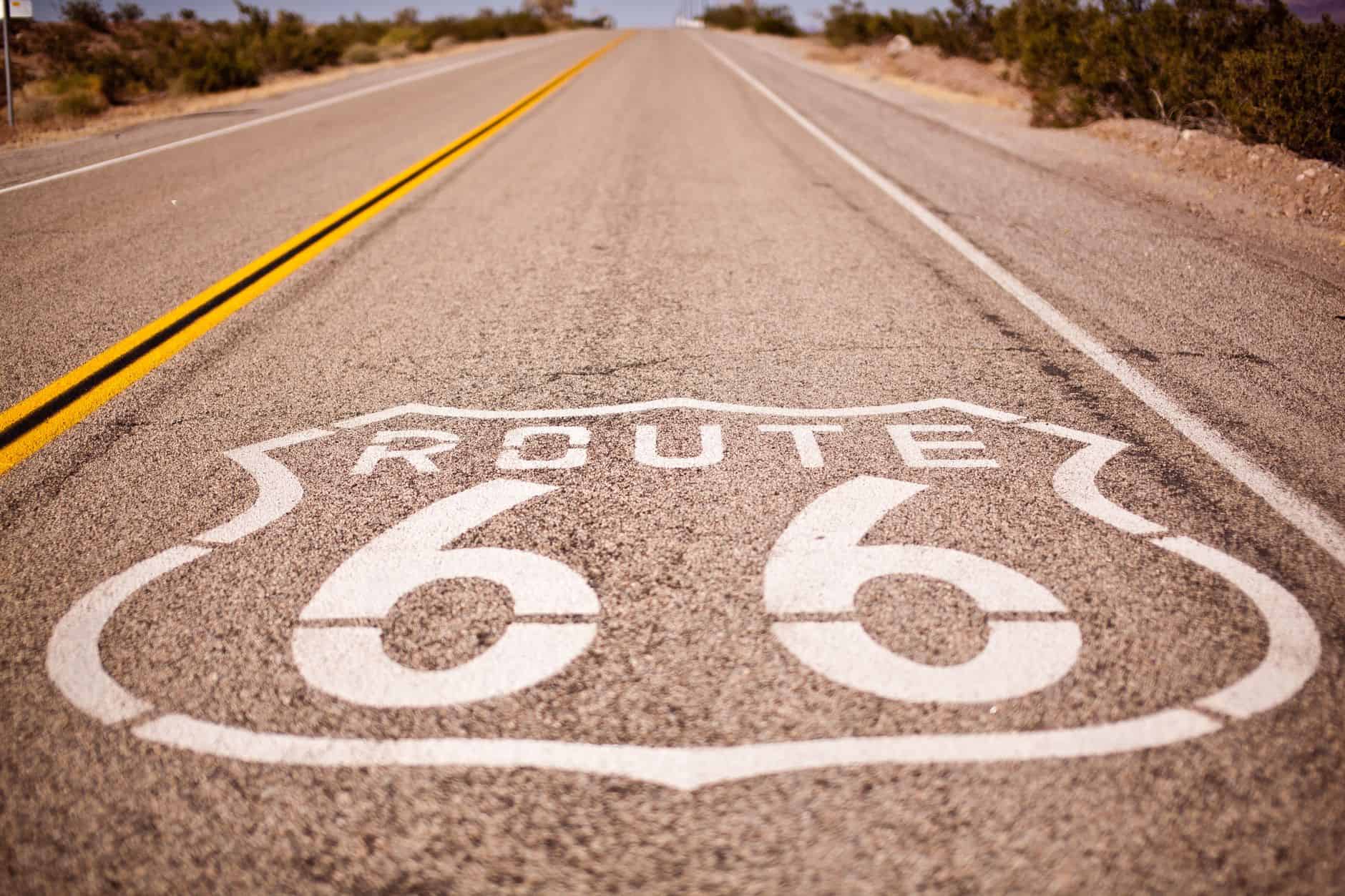
Route 66 is not a road. It’s a collection of road fragments from Chicago to Santa Monica, many of which have been decommissioned, absorbed into Interstates, or simply worn away. Driving “Route 66” requires significant research and navigation because the continuous route most people imagine doesn’t continuously exist.
The sections that are genuinely worth experiencing:
- The Oklahoma segment through small towns that have been Route 66 towns for a century and feel authentically American in a way that’s becoming rare
- The Arizona section through the Painted Desert and past the Wigwam Motel and Standin’ on the Corner Park in Winslow
- The New Mexico section through Albuquerque and the stretch toward Gallup, with genuine cultural texture in the towns
The sections that mostly disappoint:
- Illinois: long Interstate-adjacent driving through flat farmland
- Kansas: Route 66 passes through only 13 miles of Kansas and most of it is unremarkable
- The California end: the final approach into Los Angeles is urban sprawl
Route 66 is better done as a curated selection of its best segments than as an end-to-end completionist drive.
The Blue Ridge Parkway Reality
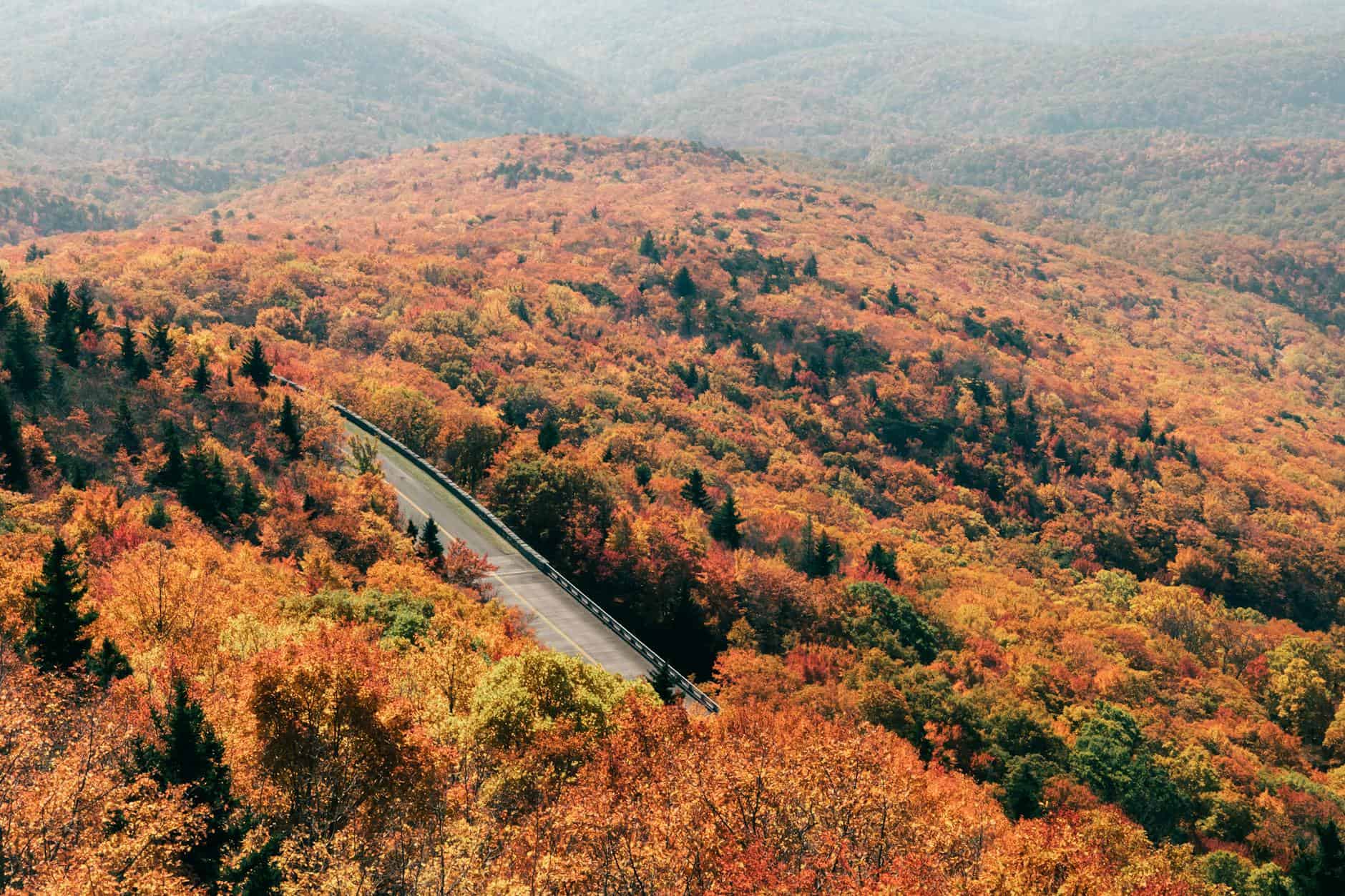
The Blue Ridge Parkway is 469 miles through the Appalachian Highlands from Shenandoah National Park in Virginia to the Great Smoky Mountains in North Carolina. It has no commercial vehicles, no billboards, speed limits of 45 mph, and in October, the best fall foliage in the eastern United States.
October on the Parkway, specifically the first two weeks, is genuinely spectacular and not overstated. The rest of the year is a different story:
- Summer driving on the Parkway is fine but the heat and humidity can suppress the views (foliage and mountain vistas are better in clear, cool air)
- The Parkway is frequently closed in sections due to weather, maintenance, and rockslides — significant portions can be inaccessible
- At 45 mph, 469 miles takes time. Most people don’t drive the whole thing; they experience sections, which is actually the better approach
- Development and viewshed has changed significantly since the Parkway was designed; some of the planned vistas are now partially obstructed by grown trees
Best version: October, from Asheville north. The Asheville area section of the Parkway plus the town itself is one of the genuinely excellent short road trips in the Eastern United States.
Road Trips That Consistently Exceed Expectations
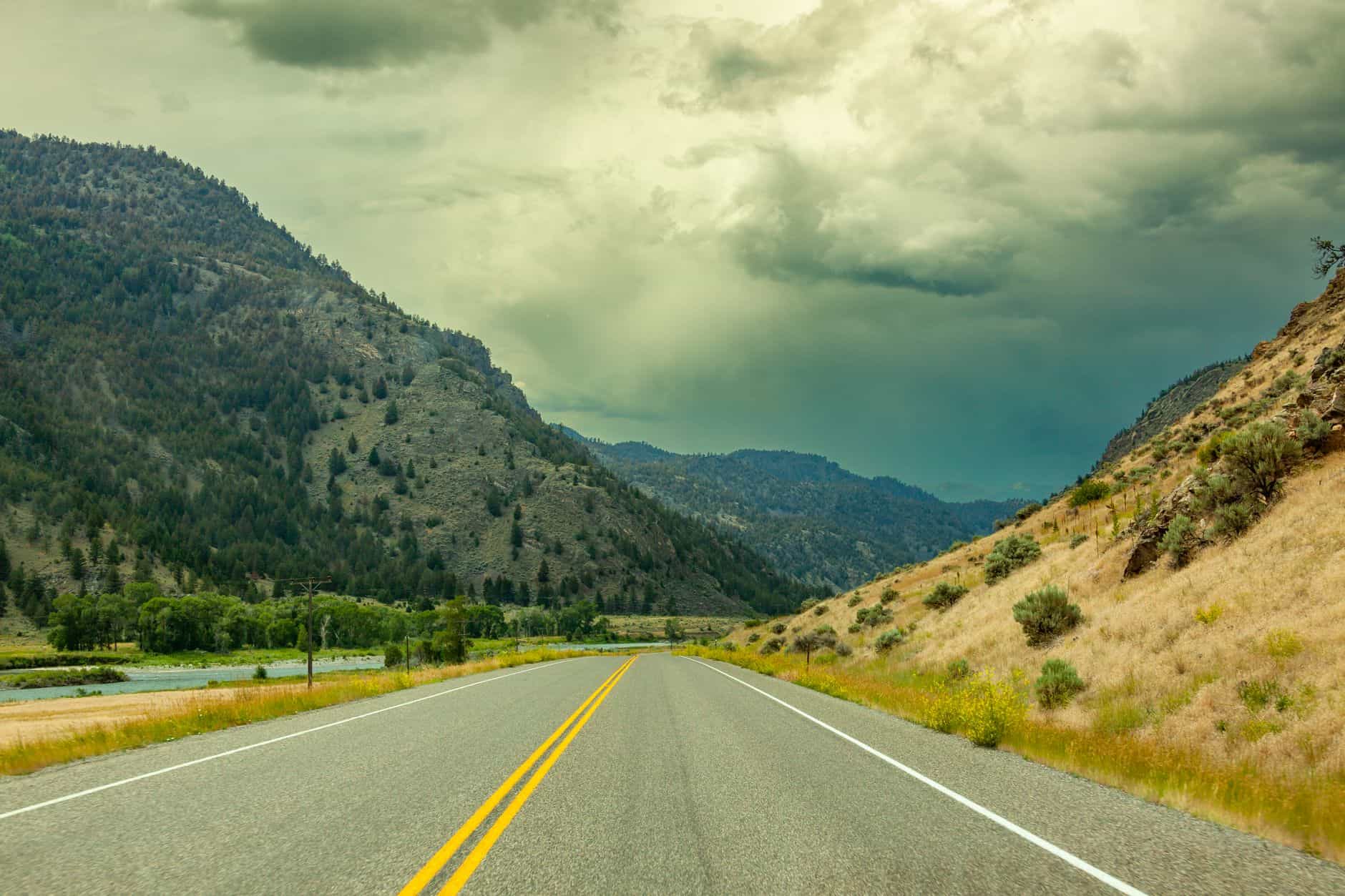
The routes that consistently generate enthusiastic reports from drivers who weren’t expecting to be blown away:
The Beartooth Highway, Montana/Wyoming
US Highway 212, the Beartooth All-American Road, runs from Red Lodge, Montana to the northeast entrance of Yellowstone. It’s 68 miles that include what may be the most spectacular road in the lower 48. The switchbacks rising to 10,000+ feet, the 360-degree panoramic views of the Beartooth Plateau, the snow that persists into summer — it’s the kind of driving that makes people stop involuntarily because they can’t believe what they’re seeing.
Almost no one outside Montana and Wyoming has it on their radar.
US-89 from Flagstaff to Salt Lake City
This route passes through Navajo Nation, Glen Canyon, Grand Staircase-Escalante, Bryce Canyon, and Zion in a single driving arc. Each individual section would be worth a separate trip. Together they create a continuous experience of geological and cultural spectacle that the more famous Utah Five Parks routes don’t match because you’re staying in the car and seeing the context, not just the destination.
The Texas Hill Country — Genuinely Underrated at Scale
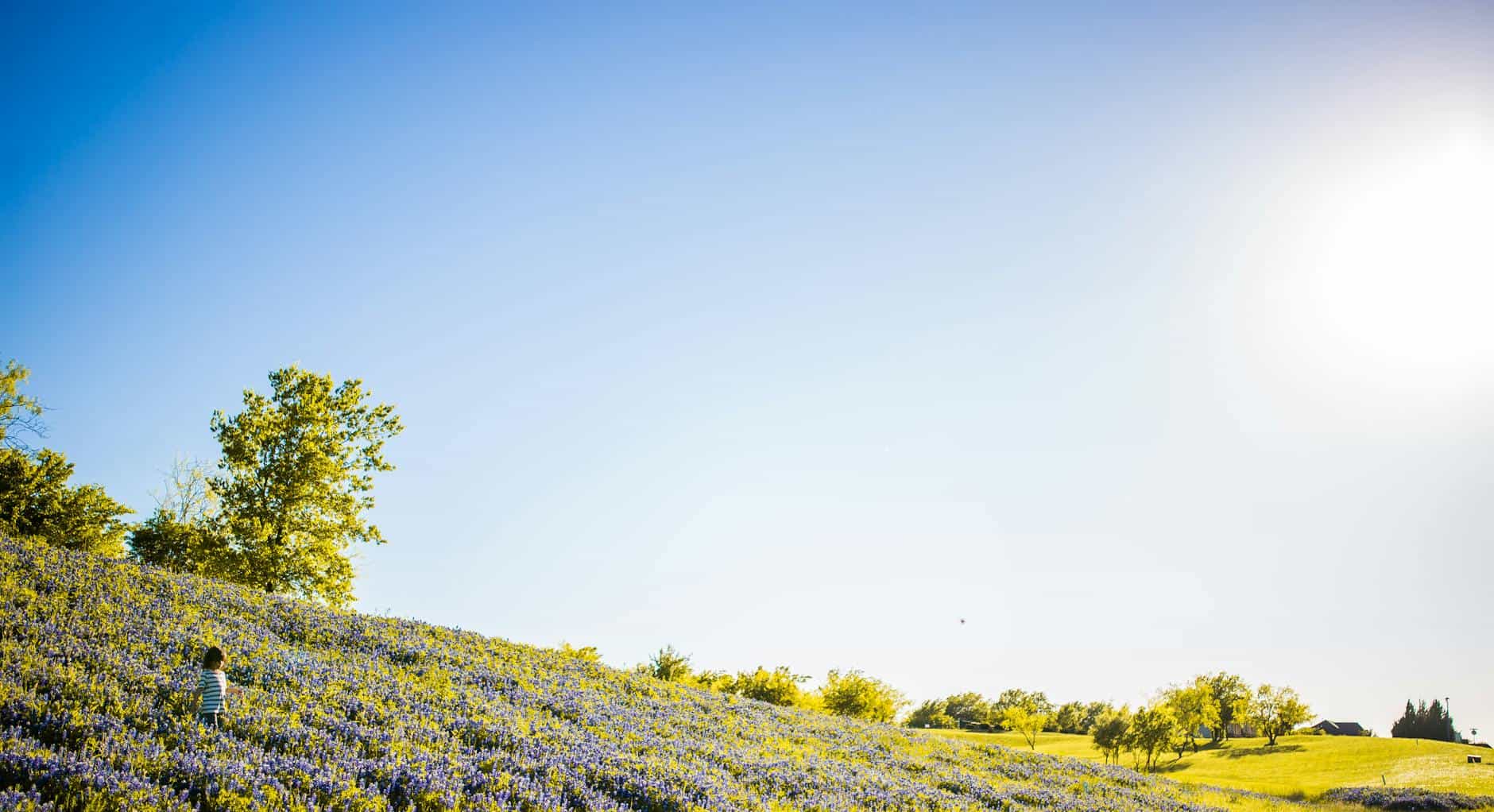
Texas is not the first state people think of for road trips, which is exactly why the Hill Country consistently surprises. The area west of Austin and San Antonio — bounded roughly by Fredericksburg, Kerrville, Uvalde, and Bandera — is rolling limestone hills, spring-fed rivers, German bakeries, vineyards, wildflower fields in spring, and small towns that haven’t been overrun.
In March and April, the wildflower season — bluebonnets along the roadsides, Indian paintbrush, wild phlox — turns ordinary state highway driving into something from a different country. Texans know about it; most out-of-state travelers don’t.
The driving itself is manageable (no extreme elevations, well-maintained roads) and the loop from Austin through Fredericksburg, Kerrville, Comfort, and Boerne back to San Antonio makes a perfect 2-3 day trip.
The Northern Tier: America’s Most Spectacular Unknown Route
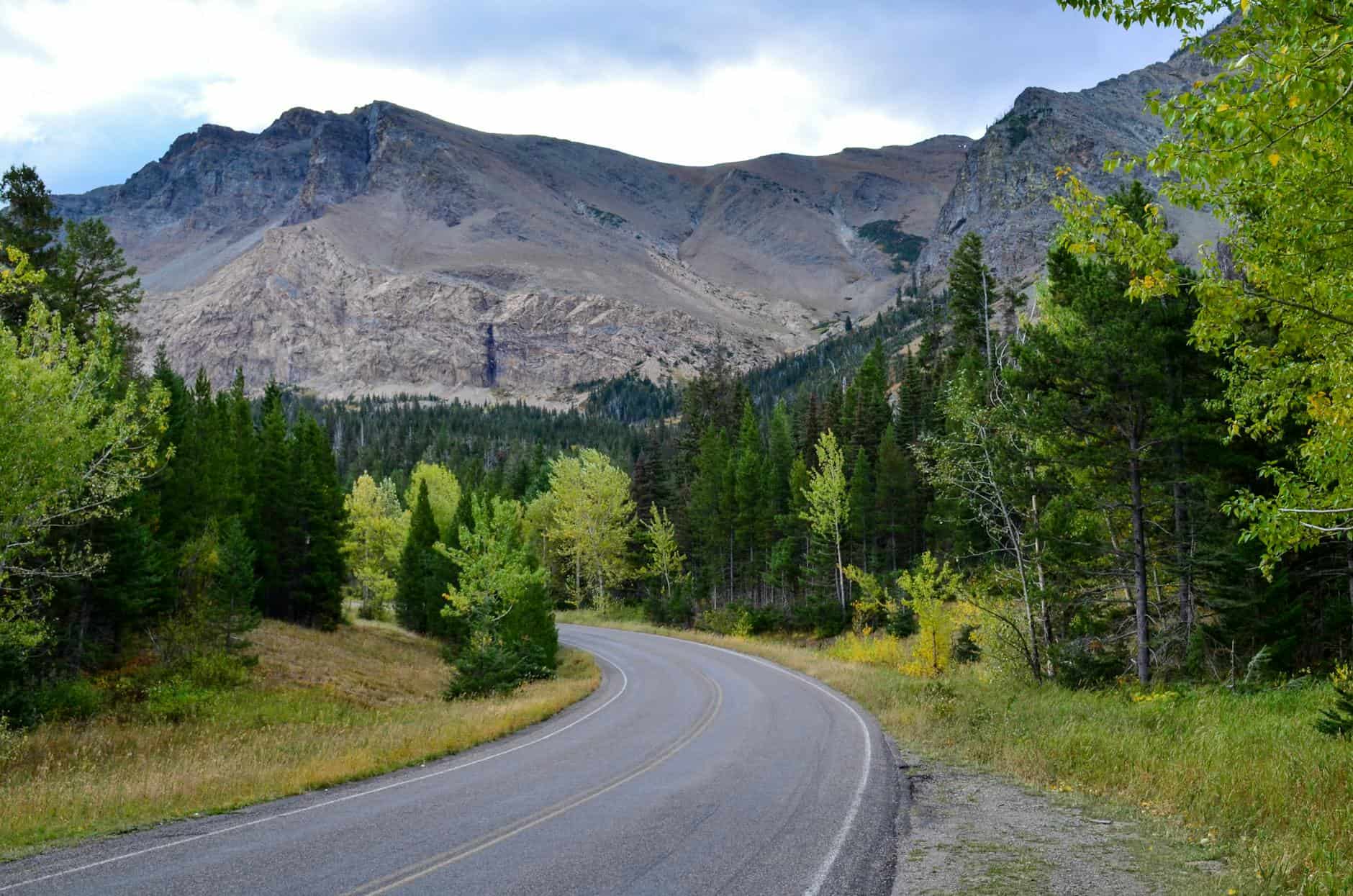
The Adventure Cycling Association’s Northern Tier route — adapted for cars as US-2 from Havre, Montana to the Olympic Peninsula of Washington — passes through some of the most remote and beautiful country in the contiguous United States with almost no tourist traffic.
The stretch through the Hi-Line of Montana (Havre to Glacier) is vast and empty in a way that’s genuinely affecting. The Whitefish to Sandpoint, Idaho section, following the edge of Glacier Country south, is mountain-and-lake scenery that rivals anything in Europe. The Cascades crossing and the approach to the Olympic Peninsula through old-growth rainforest finishes the route with something completely unlike what came before.
This trip requires more planning than most — services are sparse in parts of Montana, weather can change dramatically — but the travelers who have done it reliably call it transformative.
Planning Principles That Separate Great Road Trips From Miserable Ones
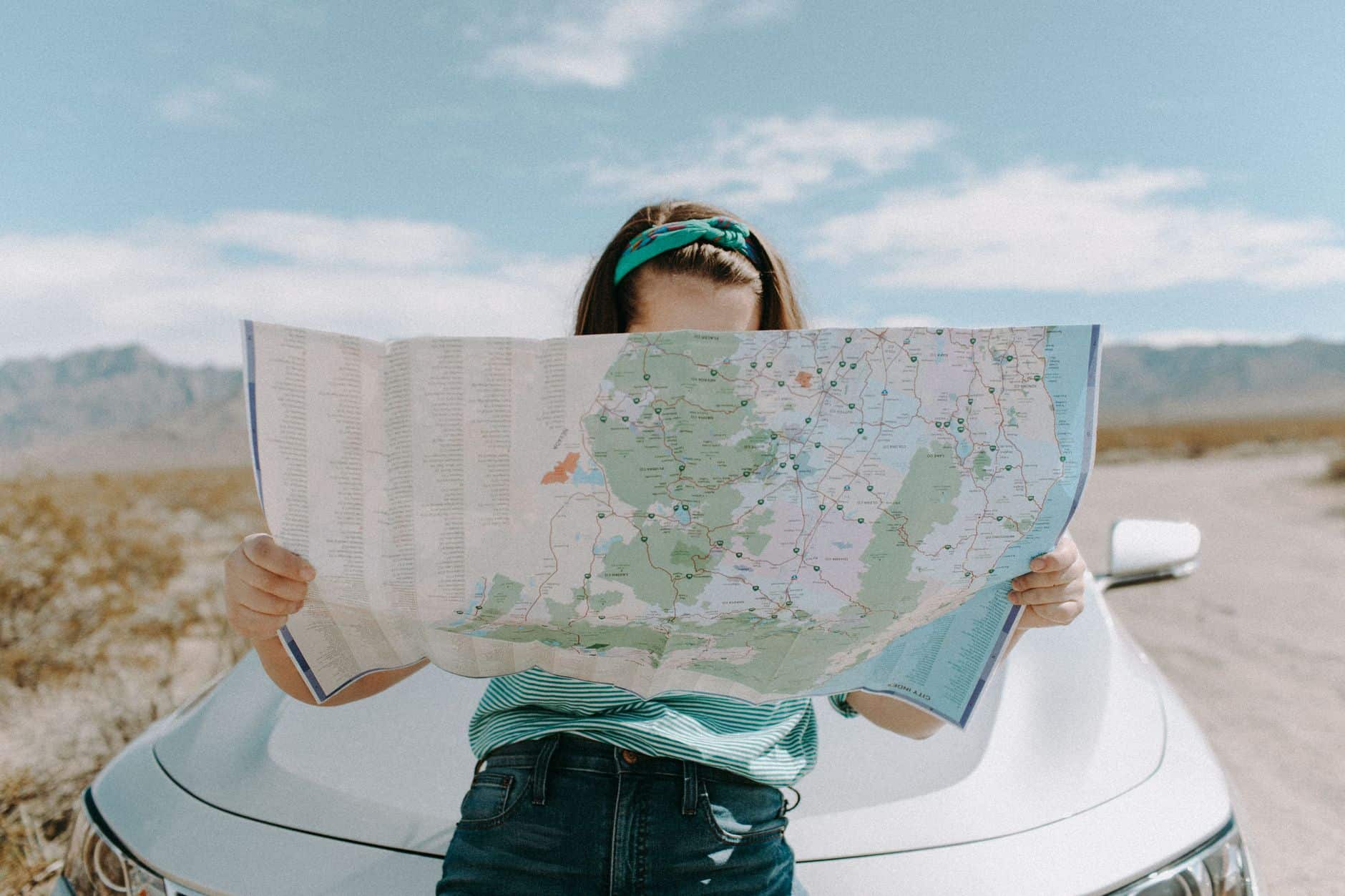
The difference between a great road trip and a miserable one is almost never the route and almost always the planning approach.
- Don’t over-schedule: The moment you’re driving to make a reservation rather than stopping when something interests you, you’ve created a commute, not a road trip. Build in at least one fully uncommitted day per week of driving.
- Drive in the morning: Early morning light is the best light for scenic driving. Early morning roads are the least crowded. The coffee and fuel stop routine of a 6 AM departure has a road trip rhythm that afternoon departures don’t.
- Camp, or stay in genuinely local places: National chain hotels along famous routes are indistinguishable from any other chain hotel anywhere. The mom-and-pop motel in the small town, the cabin in the state park, the primitive campsite with the view — these are the nights people actually remember.
- Avoid the interstate whenever possible: By definition, the memorable road trips are on the secondary roads. US highways and state routes pass through towns; interstates bypass them. Plan your route on the map that shows the smaller roads.
- Have a direction, not a destination: The best road trips are oriented around a general direction of travel and a few fixed points, not a rigid itinerary. The discovery of something unexpected is only possible if you have room in the schedule to stop for it.