Countries Where Americans Are Retiring in Record Numbers — Beyond Mexico — And the Honest Financial Math
We may earn money or products from the companies mentioned in this post. This means if you click on the link and purchase the item, I will receive a small commission at no extra cost to you ... you're just helping re-supply our family's travel fund.
The retirement-abroad narrative online tends to focus on a small roster of countries: Mexico, Portugal, Spain, Costa Rica. These are genuinely good options for many people, but they’re also, in several cases, no longer the bargains they were five years ago. Portugal’s digital nomad and retiree programs helped drive Lisbon property prices up dramatically. Mexican beach towns like Puerto Vallarta and San Miguel de Allende have seen significant cost-of-living inflation driven partly by American demand.
A different set of destinations has quietly emerged as the more financially compelling options for Americans who want to actually retire earlier, not just swap one expensive cost of living for a slightly cheaper version of the same.
Here’s the honest financial picture.
Why the Retirement Abroad Wave Is Accelerating
The structural math behind retiring abroad has shifted in Americans’ favor over the past decade for several compounding reasons:
- Social Security’s real purchasing power: A couple receiving $3,500/month combined from Social Security — a below-average payout — can live very comfortably in the countries below. The same amount buys a diminished life in most U.S. metropolitan areas.
- Remote work income: Americans who can work remotely for U.S. companies while living abroad dramatically improve their financial position — U.S. income, local cost of living.
- Healthcare cost arbitrage: High-quality private healthcare in most of the world costs a fraction of American healthcare. For Americans approaching Medicare eligibility who have significant health expenses, the savings alone can justify the move.
- Retirement account shortfall reality: The median American retirement savings is significantly below most financial planning benchmarks. For people who know their U.S. savings won’t fund a comfortable American retirement, retiring abroad changes the math entirely.
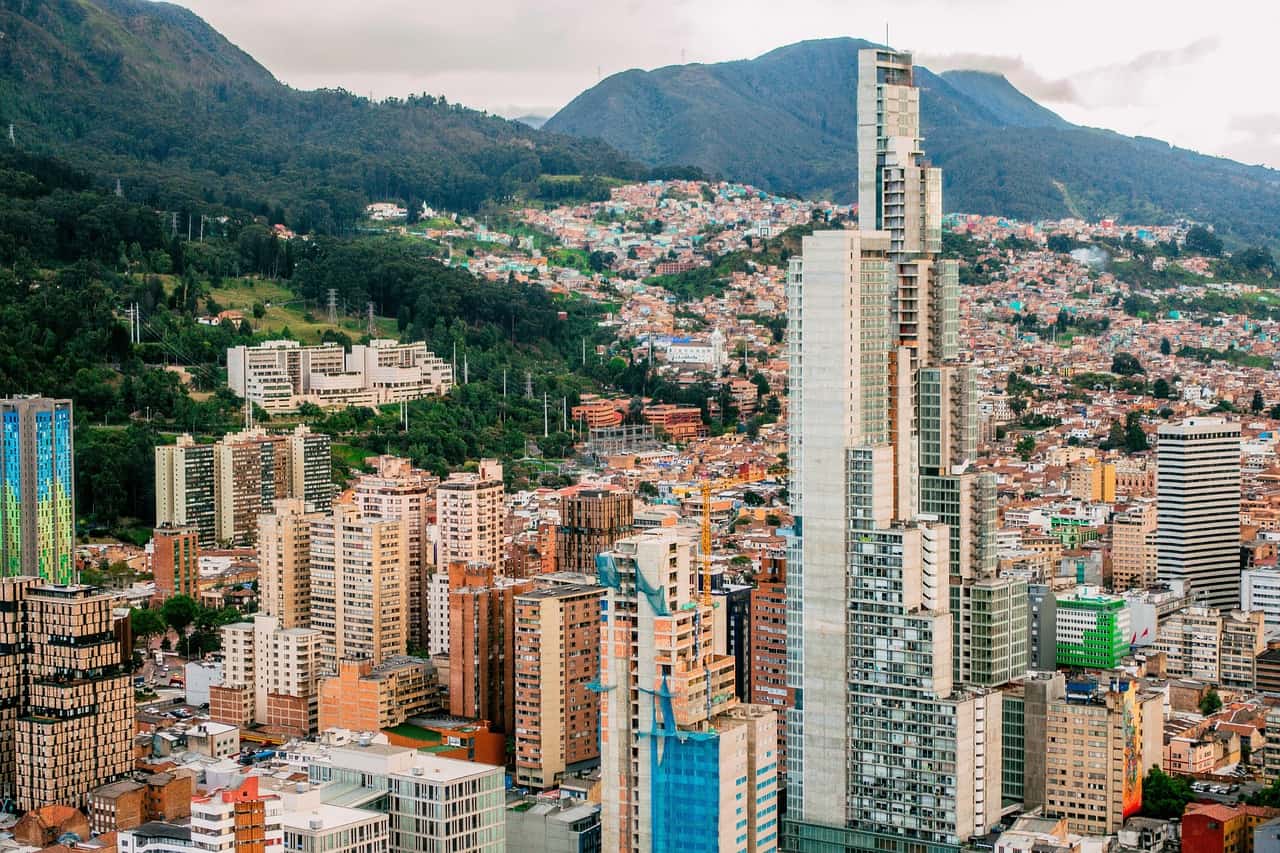
Colombia: The Underrated Front-Runner

Medellín in particular has become a significant destination for American retirees and remote workers — quietly, without generating the same press coverage as Portugal. The transformation of Medellín over the past two decades from one of the world’s most dangerous cities to a genuinely livable, modern city with excellent infrastructure is one of the underreported urban stories of the century.
Real Monthly Budget (Medellín, comfortable lifestyle)
- Two-bedroom apartment in Poblado or Laureles (desirable expat neighborhoods): $800–$1,200/month
- Groceries: $200–$300/month for a couple
- Dining out: $400–$600/month (including regular restaurant meals)
- Private health insurance for two: $150–$250/month
- Utilities: $80–$120/month
- Transportation: $50–$80/month (robust metro system, cheap taxis)
- Total comfortable monthly budget: approximately $1,800–$2,500/month for a couple
Visa path: Colombia’s Pensionado visa requires proof of income of approximately 3x the Colombian minimum wage (around $700/month as of 2025). It’s one of the most accessible retirement visa programs in the world.
Honest caveats: Safety varies significantly by neighborhood and city. Political instability remains a real variable. The learning curve of life in Spanish without fluency is real, though Medellín’s expat community is large enough to provide significant English-language infrastructure.
Panama: The Dollar-Based Option With Real Infrastructure
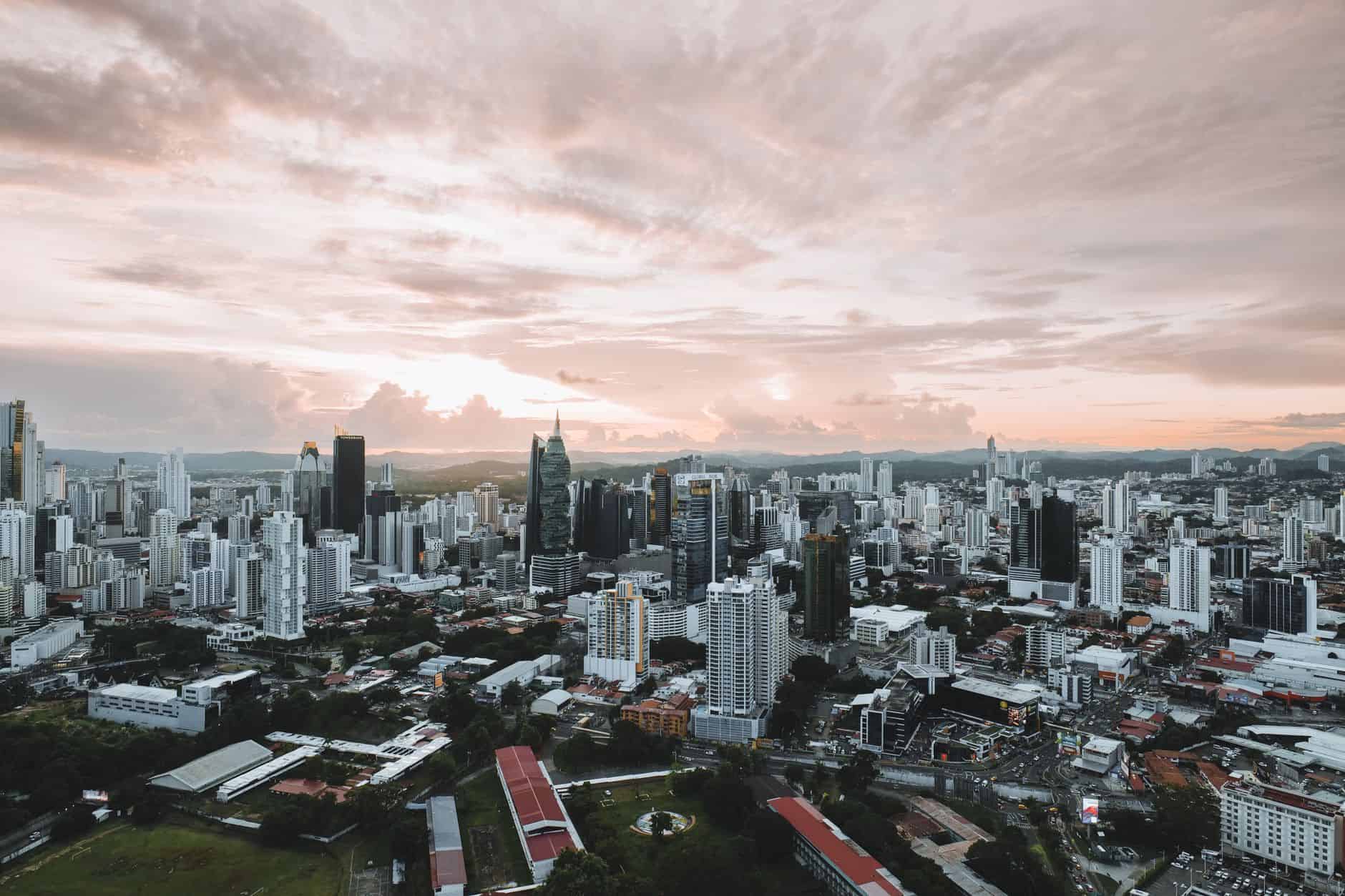
Panama is the most underrated retirement destination for Americans who want financial simplicity abroad. The country uses the U.S. dollar. That eliminates currency risk, exchange rate math, and the confusion of managing finances in a foreign currency entirely.
Panama City is a genuinely modern city with excellent private healthcare, a growing expat community, and infrastructure that exceeds most of Latin America. Panama Pensionado visa benefits are unusually generous: discounts of 25–30% on airline tickets, 50% on hotel stays on weekdays, 25% on restaurants, and 20% on medical consultations, among others.
Real Monthly Budget (Panama City, comfortable lifestyle)
- Two-bedroom apartment in Casco Viejo or El Cangrejo: $1,200–$1,800/month
- Groceries: $300–$400/month
- Private health insurance for two: $200–$350/month
- Utilities (including significant A/C in tropical climate): $150–$250/month
- Dining: $400–$600/month
- Total comfortable monthly budget: approximately $2,500–$3,500/month for a couple
Visa requirement: Pensionado visa requires proof of lifetime pension of $1,000/month minimum. Particularly accessible for Social Security recipients.
Honest caveat: Panama City is significantly more expensive than other Latin American retirement destinations. The heat and humidity are relentless. English is widely spoken in the expat and business communities but less so in residential neighborhoods. Crime, while lower than regional peers, remains a concern in certain areas.
Malaysia: The Case for Southeast Asia for Retirees

For Americans willing to consider Southeast Asia, Malaysia makes a uniquely strong case. It’s English-friendly (English is widely spoken as a second language), has excellent modern healthcare, has a large and well-established expat community, and operates one of the most retiree-friendly long-stay visa programs in the region: Malaysia My Second Home (MM2H).
The program was tightened in 2021, raising requirements significantly, but it remains accessible for Americans with reasonable assets. It allows extended stays with local banking, property purchase rights, and a renewable long-term visa.
Real Monthly Budget (Kuala Lumpur, comfortable lifestyle)
- Two-bedroom condo in Mont Kiara or Bangsar (popular expat areas): $700–$1,100/month
- Groceries: $200–$300/month
- Dining out: $300–$500/month (restaurant meals frequently under $10)
- Private health insurance: $100–$200/month
- Utilities: $100–$180/month
- Total comfortable monthly budget: approximately $1,500–$2,200/month for a couple
Honest caveat: Malaysia is a Muslim-majority country with cultural norms that differ significantly from American defaults. Alcohol is available but taxed heavily. Political stability has improved but the landscape is different from Western democracies. The distance from the United States — a minimum 20+ hour journey — makes spontaneous returns home difficult and expensive.
Albania and the Adriatic: Europe at a Fraction of the Cost

For Americans who want Europe specifically, Portugal and Spain have largely priced themselves out of the bargain category. Albania has emerged as a genuinely compelling alternative — Adriatic coastline, Mediterranean climate, EU candidate status, and costs that are among the lowest in Europe.
Albania is not for everyone. Infrastructure is still developing, bureaucracy is challenging, language is genuinely difficult (Albanian is a language isolate — it’s not related to any other European language in a useful way), and the healthcare system, while improving, is not at Western European standards. Private healthcare in Albania’s cities is adequate; complex care often sends people to North Macedonia, Greece, or Italy.
But for the right person — someone who wants European geography and climate without the Portuguese or Spanish price tag and is willing to accept a higher adventure factor — Albania’s southern Riviera coast and capital Tirana offer a genuinely compelling value proposition.
Real Monthly Budget (Tirana or southern coast, comfortable lifestyle)
- Two-bedroom apartment in Tirana’s Blloku neighborhood: $500–$800/month
- Groceries and dining combined: $400–$600/month
- Private health insurance (often supplemented with nearby Greece or Italy visits): $100–$200/month
- Total comfortable monthly budget: approximately $1,200–$1,800/month for a couple
The Tax Reality Americans Overseas Cannot Ignore

Unlike almost every other country in the world, the United States taxes its citizens on worldwide income regardless of where they live. This is the fact most lifestyle-blog retirement-abroad content buries or ignores.
As an American living abroad:
- You must file U.S. tax returns every year, regardless of where you live
- Foreign bank accounts over $10,000 must be reported via FBAR (FinCEN 114)
- FATCA reporting may apply if your foreign financial assets exceed certain thresholds
The Foreign Earned Income Exclusion (FEIE) allows Americans abroad to exclude a significant amount of foreign-earned income from U.S. tax (approximately $126,500 in 2024). But Social Security income, pension income, and U.S.-sourced investment income are not foreign-earned income and don’t benefit from the exclusion.
An American retiring abroad on Social Security and withdrawals from a U.S.-based IRA is still a U.S. taxpayer on that income. The good news: many of the countries above have tax treaties with the U.S. that prevent double taxation. The bad news: the complexity of managing U.S. tax obligations from abroad requires an international tax specialist, which is an ongoing cost.
Healthcare Abroad: The Honest Numbers

For Americans under 65 — not yet eligible for Medicare — healthcare cost is one of the most powerful financial arguments for retiring abroad. Private health insurance that would cost $800-$1,500/month per person in the United States costs $100-$300/month in most of the countries above, with comparable or better quality of care.
For Americans over 65, Medicare does not cover care abroad (with very limited exceptions). This means American retirees abroad need private international health insurance regardless of their Medicare eligibility — the question is whether that private coverage (significantly cheaper abroad than the U.S. equivalent) makes more financial sense than staying in the U.S. Medicare system.
For most retirees in good health with manageable chronic conditions, the math generally favors the private international coverage in lower-cost countries. For retirees with complex medical needs that require specialized U.S.-based care, the calculation is more nuanced.
The Visa and Residency Path That Actually Works
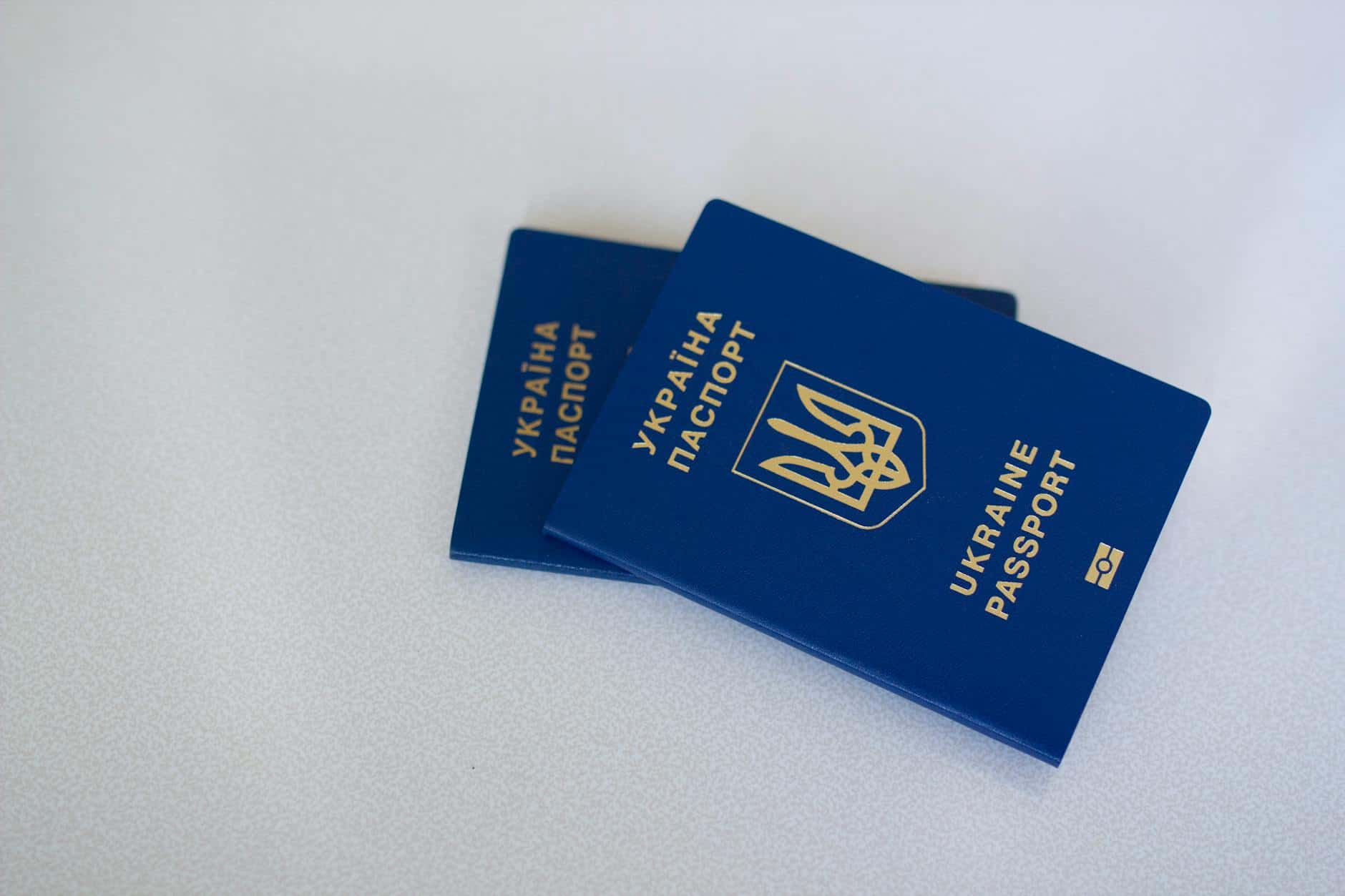
Every country has different paths, and the internet is full of outdated information about programs that have changed. As of 2025, the most accessible retirement visa programs for Americans:
- Colombia Pensionado visa: Lowest income requirement on this list, straightforward application, renewable annually
- Panama Pensionado visa: Strong benefits package, dollar economy, reasonably straightforward
- Malaysia MM2H: Higher asset requirements than pre-2021, but one of the most comprehensive long-term stay options in Asia
- Albania long-stay visa: Less formal residency program; many Americans use the 90/180-day Schengen-adjacent rules; longer-term residency is possible but requires more navigation
The consistent advice from Americans who’ve done this successfully: hire a local immigration attorney in the destination country. Not an American firm that specializes in expats — a local attorney in the country you’re moving to, who knows the actual current rules and has relationships with the relevant government offices. The cost is typically $500–$1,500 for the initial process and it prevents months of delays from small bureaucratic errors.