Savannah Keeps Winning ‘Most Beautiful City in America.’ The People Who Live There Are Tired of Sharing Their Front Yards
We may earn money or products from the companies mentioned in this post. This means if you click on the link and purchase the item, I will receive a small commission at no extra cost to you ... you're just helping re-supply our family's travel fund.
Savannah, Georgia shows up on national beauty rankings so consistently that it has become background noise to the people who actually live under its oak canopies. What does not show up on those lists is the Savannah Development and Renewal Authority’s own tourism sentiment surveys, which for years have logged rising complaints from downtown residents about noise, short-term rental turnover, and tour groups walking through what are, functionally, people’s front yards.
A City Built to Be Looked At
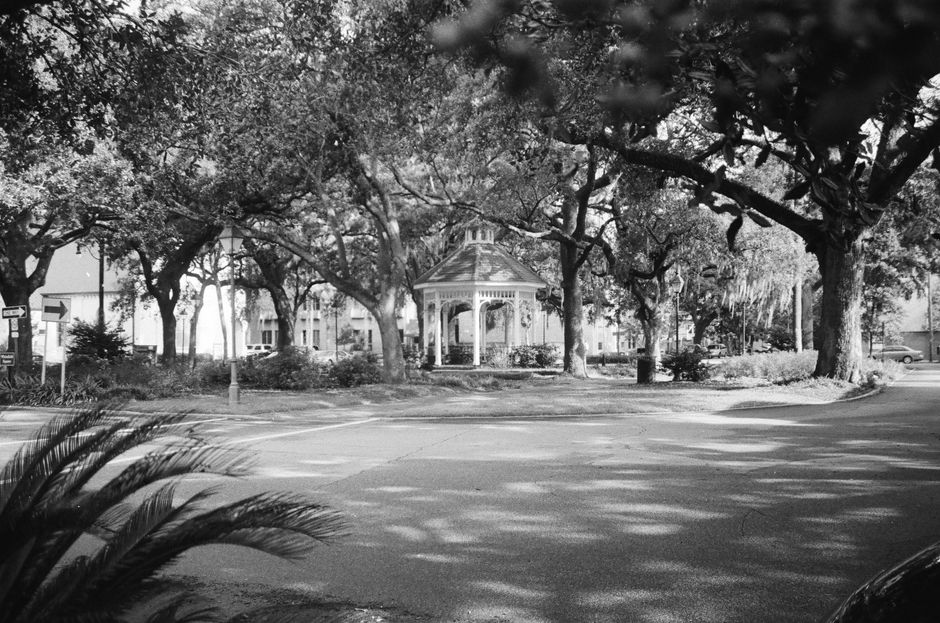
Savannah’s historic district is organized around 22 public squares, a layout designed in 1733 that makes the city uniquely photogenic and uniquely exposed. Residents in the Downtown Neighborhood Association have held repeated public meetings, including one covered by The Current in February 2025, specifically to discuss what they call the tourism-life balance, a phrase that did not need to exist a generation ago. Ghost tours, pedicabs, and walking groups now pass beneath residents’ windows into the evening, and some homeowners have described giving up on ground-floor curtains altogether because there is no functional privacy to preserve.
What Residents Actually Complain About
- Short-term rental units replacing long-term housing stock inside the historic district, shrinking the year-round resident population
- Guided tour groups, some with amplified microphones, passing directly beneath bedroom windows on residential squares
- Hotel development pressure, significant enough that the Metropolitan Planning Commission surveyed neighborhoods specifically about future hotel overlays in 2025
- Parking scarcity for residents competing with daily visitor traffic in a historic district not designed for modern car volume
The Money Question Nobody Wants to Say Out Loud
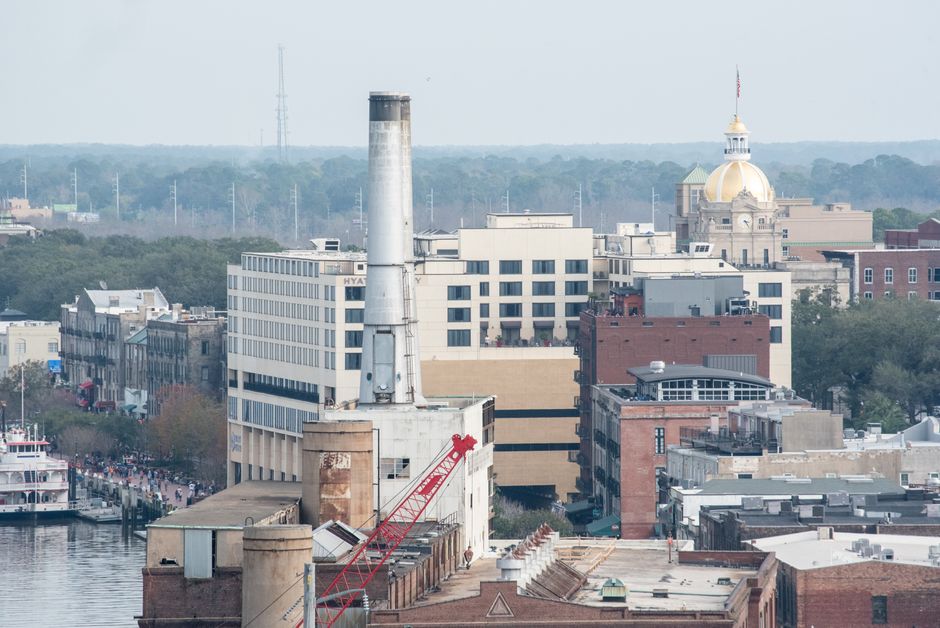
Savannah’s tourism economy is not small. A cost-benefit study commissioned by the city quantifies just how much of the local economy depends on visitor spending, hotel taxes, and the wedding and event industry that the historic squares support. That creates a real tension for residents: the same beauty that draws millions of visitors a year is the thing funding city services, but the visitors are also the reason many residents feel like extras in their own neighborhood. The Atlanta Journal-Constitution described it in 2024 as a tourism tipping point, a phrase Savannah civic groups had already been using informally for years.
Longtime Savannahians tend to split into two camps. One group has built a living around tourism, running bed and breakfasts, tour companies, or restaurants that depend entirely on the visitor economy. The other group, often people whose families have lived in the historic district for generations, describe a slow erosion of ordinary neighborhood life, the kind where you knew your actual neighbors rather than a rotating cast of Airbnb guests.
What This Means If You’re Visiting
- Expect residential streets on the historic squares to feel genuinely lived-in, not staged, and to behave accordingly
- Tour groups are a real source of local tension, so smaller or self-guided walks are less likely to draw side-eye from residents
- The riverfront and City Market areas are built for tourist volume; the residential squares further from the river are not
Beauty as a Double-Edged Asset
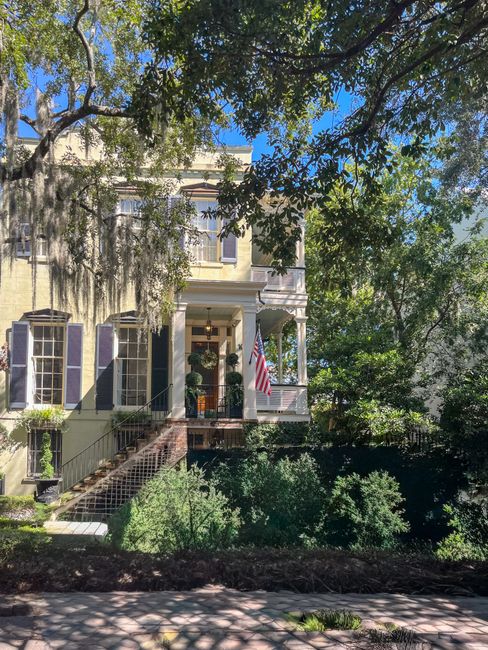
Savannah’s dilemma is not unique among historic American cities, but it is unusually visible because the entire tourism pitch is the architecture and the streets themselves, not a beach or a specific attraction that visitors can be funneled toward. There is no keeping tourists out of the squares, because the squares are the product. That means Savannah’s beauty rankings and its residents’ fatigue are not really in conflict. They are the same story, told from two different addresses.
How Savannah Compares to Other Historic Tourist Cities
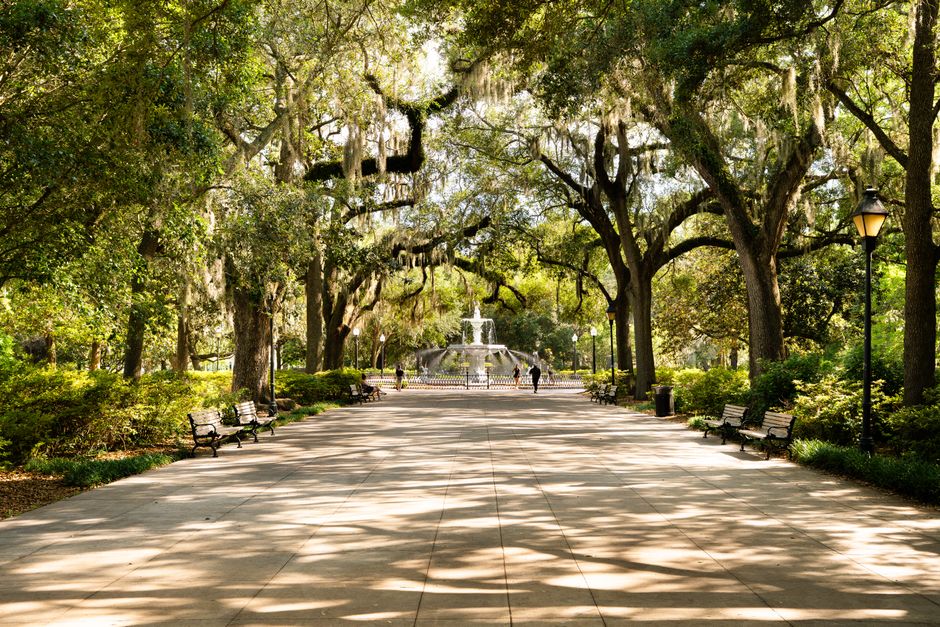
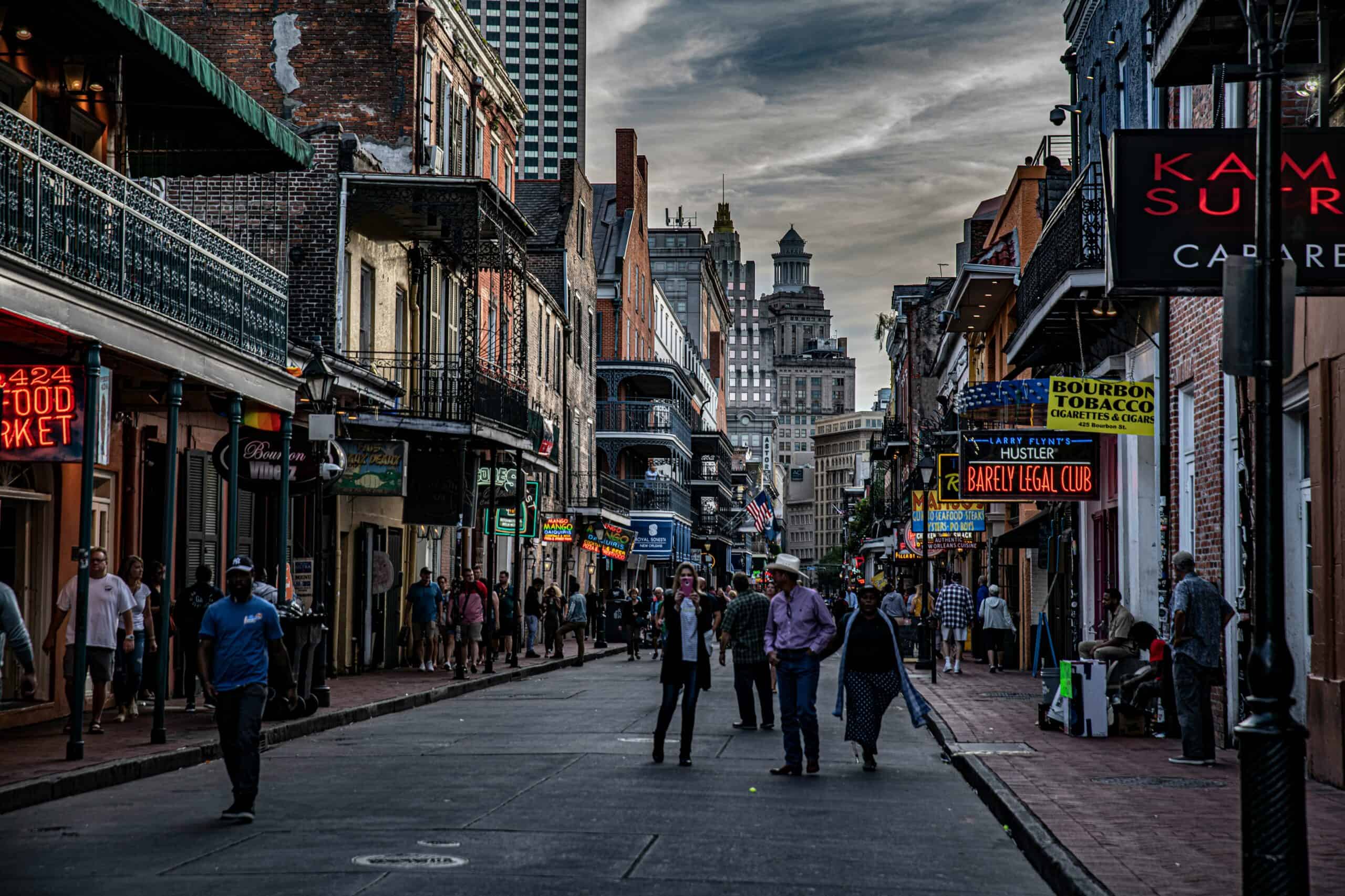
Charleston, South Carolina faces a nearly identical version of this same conflict, and the two cities are often compared directly since both built their modern tourism economies around preserved 18th and 19th century architecture and a horse-drawn carriage industry that draws its own complaints from residents about noise and street congestion. New Orleans faces something similar in the French Quarter, though New Orleans has a larger overall metro population to absorb tourism’s side effects, spreading the burden across more neighborhoods than Savannah’s comparatively compact historic core can manage. What separates Savannah is scale: a smaller city with a smaller historic footprint means the ratio of visitors to residents in the affected area runs considerably higher than in either Charleston or New Orleans.
Savannah’s city government has experimented with several policy responses over the past decade, including caps on new hotel permits within the historic district and stricter short-term rental registration requirements, though enforcement has been inconsistent and the underlying economic incentive for property owners to convert long-term housing into short-term rentals remains largely unchanged. Some residents have pushed for a tourist tax increase specifically earmarked for infrastructure and quality-of-life improvements in residential squares, an idea that has gained some traction with the city council but has not yet resulted in a significant funding shift.
How to Visit Savannah Without Adding to the Problem
- Choose a licensed local guide for walking tours rather than large amplified group tours that generate the most resident complaints
- Book accommodations in traditional hotels rather than short-term rentals inside the historic district, where housing stock is already strained
- Keep noise down on residential squares in the evening, since many of the buildings surrounding them are occupied homes, not commercial storefronts
- Visit during shoulder season, spring and fall outside major event weekends, when the resident-to-visitor ratio is less lopsided
Savannah’s tourism sentiment surveys keep circling back to the same unresolved question the city has never fully answered: how many visitors is too many for a historic core this small. Charleston faced a similar reckoning years earlier and responded with tighter caps on new hotel construction, a path Savannah’s city council has debated but not yet fully adopted. Until it does, the tension documented in these surveys will likely keep resurfacing every couple of years, with slightly different language but the same underlying complaint.
Anyone weighing a move to Savannah rather than just visiting should pay attention to which side of this debate their prospective neighborhood falls on, since a house two blocks off Forsyth Park carries a completely different daily experience than one in a quieter residential pocket a mile further out, even though both would be marketed identically as historic Savannah living.