Jackson Hole Costs $500 a Night. Two Hours Away, Cody, Wyoming Still Runs $130. Almost Nobody Goes
We may earn money or products from the companies mentioned in this post. This means if you click on the link and purchase the item, I will receive a small commission at no extra cost to you ... you're just helping re-supply our family's travel fund.
Jackson, Wyoming is the state’s most famous export, a town of roughly 11,000 people that somehow supports private jet terminals and grocery store parking lots full of Range Rovers. Two hours east, on the other side of the Absaroka Range, Cody, Wyoming offers family suites for $130 to $180 a night against Jackson’s $300 to $500, according to Family Travel Forum’s comparison of the two towns, along with the same access to Yellowstone’s East Entrance and none of the crowds. Almost nobody makes the trade.
The Town Buffalo Bill Built
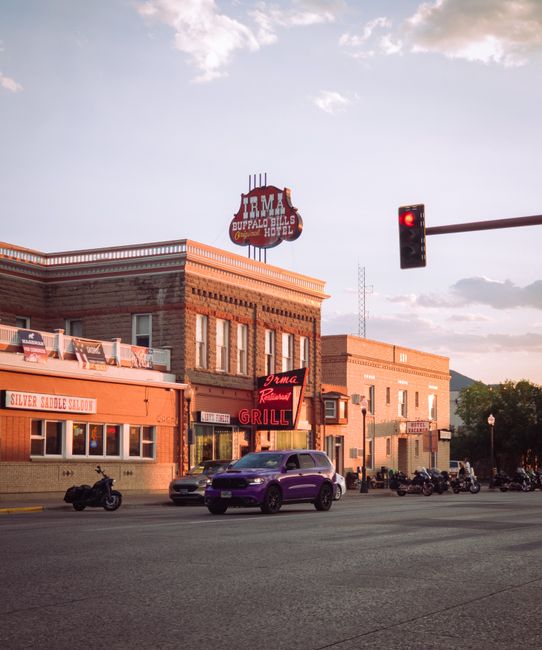
Cody was founded in 1896 by William F. Cody, the frontier showman known as Buffalo Bill, and it has leaned into that identity ever since, with a nightly summer rodeo and a genuinely excellent firearms and Western history museum. The Buffalo Bill Scenic Byway connecting Cody to Yellowstone’s East Entrance offers, by most accounts, mountain scenery on par with anything near Jackson, without the traffic backups that regularly stack up at Grand Teton’s southern approaches in July.
What a Household Actually Pays in Cody
- Two-bedroom apartment rental: $1,200 to $1,800 a month, though inventory is thin, sometimes fewer than 10 listings citywide
- Median home price: roughly $400,000 to $500,000, with entry-level older homes starting around $275,000 to $325,000
- Estimated monthly household budget for two people owning a $400,000 home: $4,750 to $6,890 including mortgage, taxes, and living expenses
- Cody still ranks among Wyoming’s more expensive towns statewide, just nowhere near Jackson’s tier
Sheridan and Thermopolis: Even Further Off the Radar
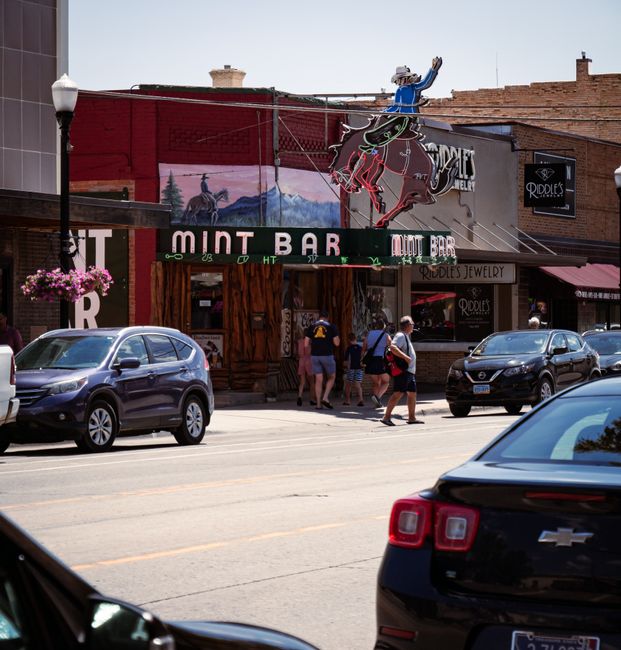
Sheridan, a town of about 18,000 near the Bighorn Mountains, offers a walkable historic downtown, a working ranching economy, and cost of living figures that undercut both Jackson and Cody. Thermopolis, smaller still, is built around the world’s largest mineral hot springs, free and open to the public at Hot Springs State Park, a detail that draws almost no national coverage despite being objectively unusual. None of these towns market themselves aggressively, and that is largely the point for the people who live there.
Why the Money Stays in Jackson Anyway
- Jackson has direct commercial air service and marketing infrastructure built over decades as a ski and second-home destination
- Grand Teton National Park’s most photographed vistas are concentrated near Jackson, giving it an Instagram advantage Cody and Sheridan don’t have
- Celebrity and ultra-wealthy second-home ownership in Jackson Hole generates ongoing media coverage that functions as free advertising
- Most first-time Wyoming visitors don’t realize Yellowstone has multiple entrances, defaulting to the Jackson-adjacent southern route out of habit
The Trade-Off Nobody Explains Clearly
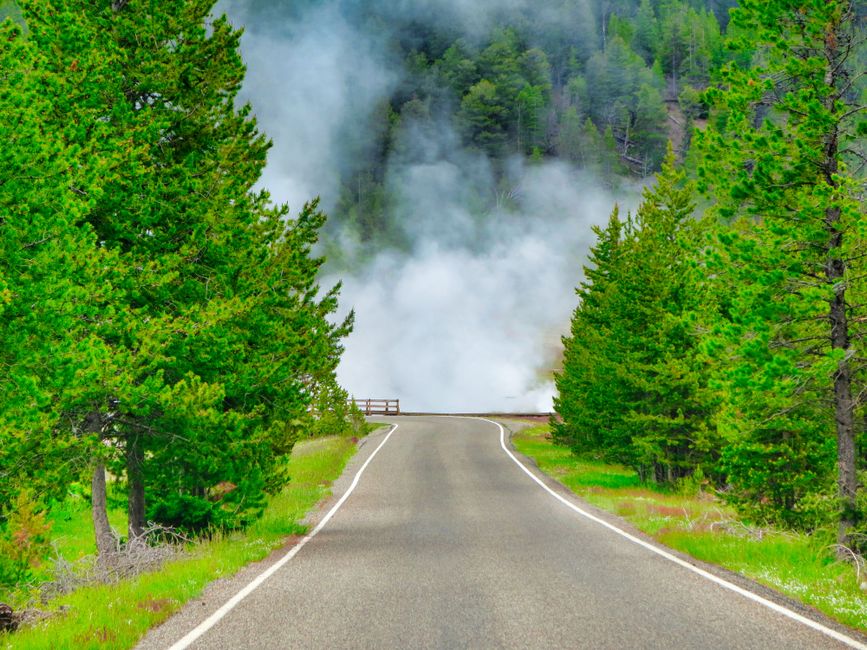
Choosing Cody over Jackson does mean a longer drive from a major airport, since Jackson has direct flights and Cody’s regional airport has far fewer routes. It also means trading Jackson’s restaurant scene and luxury shopping for a smaller, more utilitarian town. For travelers whose actual goal is Yellowstone and the surrounding mountains rather than a resort experience, that trade nets out heavily in Cody’s favor. The scenery does not know which town paid more for the view.
What Life Actually Looks Like for Residents
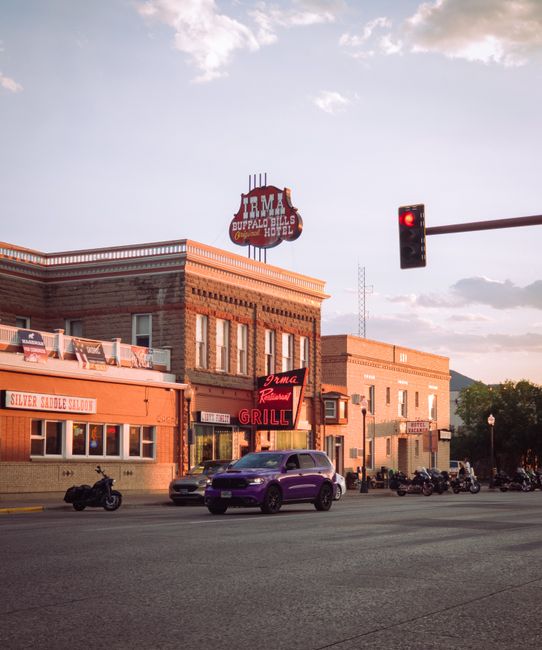
Living in Cody or Sheridan year-round means accepting trade-offs that vacationers never see. Winters are long and genuinely harsh, with Cody averaging significant snowfall and temperatures that regularly drop well below freezing for months at a stretch, a contrast to the relatively mild ski-town winters marketed to Jackson’s second-home buyers. Healthcare access is thinner too. Cody Regional Health serves a large rural catchment area, and residents needing specialized care often drive to Billings, Montana, more than an hour and a half away, or fly out entirely for anything beyond routine treatment. Jackson, by contrast, has attracted more specialized medical investment precisely because of its wealthy resident and second-home-owner base.
Employment in Cody and Sheridan skews toward tourism-adjacent seasonal work, ranching, energy sector jobs tied to Wyoming’s oil and coal industry, and a smaller professional class working in healthcare, education, and local government. That’s a notably different economic base than Jackson’s, which runs almost entirely on hospitality, real estate, and a wealthy resident tax base that funds services well beyond what a town of 11,000 would normally be able to afford. Sheridan has diversified further than either, building a modest but real manufacturing and small business sector that gives it more economic stability than either Jackson’s tourism dependency or Cody’s more seasonal rhythm.
The Case for Visiting the Wyoming Towns Nobody Ranks
- Cody’s nightly summer rodeo runs from early June through August, a genuine slice of working Western culture rather than a tourist recreation
- The Buffalo Bill Center of the West in Cody houses five museums, including one of the country’s most respected firearms collections, for a single admission price
- Sheridan’s downtown historic district includes the Mint Bar, a genuinely unchanged Western saloon operating since the 1900s
- Thermopolis offers free access to the world’s largest mineral hot springs at Hot Springs State Park, a detail that draws surprisingly few visitors given the price tag of zero dollars
None of this is an argument against ever visiting Jackson. It remains one of the most spectacular settings in the American West, and for travelers with the budget, the crowds and prices buy a genuinely polished experience that smaller towns can’t fully replicate. The point is simply that Jackson’s fame has become disconnected from being the only way to see this part of Wyoming, and that disconnect is exactly what makes Cody, Sheridan, and Thermopolis worth a second look for anyone planning a trip.
The math also works in reverse for anyone willing to make Cody or Sheridan a home base rather than Jackson: Yellowstone’s East Entrance sits close enough to Cody that a day trip into the park is entirely realistic, meaning visitors don’t actually have to choose between affordability and access to the park that draws most people to the region in the first place.
Local real estate agents in Cody and Sheridan report a steady, if modest, uptick in inquiries from buyers who first visited Jackson, priced themselves out of it, and then discovered a town two hours away offering a similar mountain lifestyle at a fraction of the cost, a pattern that has held steady enough over the past several years to show up in listing agents’ own marketing materials.