Iowa City Is More Than a College Town—Its 75,000 Residents, Writing, and Health Care Mean a Different Kind of Visit
We may earn money or products from the companies mentioned in this post. This means if you click on the link and purchase the item, I will receive a small commission at no extra cost to you ... you're just helping re-supply our family's travel fund.
Iowa City has roughly 75,000 residents, and about a third of them seem to be carrying a book, a lanyard, or a hospital badge. That is the point. The city is home to the University of Iowa, one of the country’s best-known writing programs, and a very large academic medical center, so a trip here looks different from the standard college-town weekend of tailgates and bars. An Iowa City visit can revolve around a reading, a bookstore, a museum, a river path, or a hospital appointment, with a strong local food scene filling in around it.
The city’s 2020 census count was just under 75,000, which puts it among the larger cities in Iowa but small enough to cross on foot. Here is how that mix of campus, literature, and health care shapes a visit, where to spend time, and when to go.
What Makes an Iowa City Visit Different

Most college towns run on the academic calendar and the football schedule. Iowa City does too, but two other engines keep it moving year-round. The first is writing. The city has a long literary history, and in 2008 it was named a UNESCO City of Literature, the first in the United States. The University of Iowa’s Writers’ Workshop, founded in 1936, is among the oldest creative-writing programs in the country, and the International Writing Program brings authors from around the world to campus each fall.
The second is health care. University of Iowa Hospitals and Clinics is one of the largest university-owned teaching hospitals in the country and draws patients and families from across Iowa and neighboring states. That means a steady flow of visitors who are in town for appointments, procedures, or support, not tourism. Hotels, restaurants, and shuttles all reflect that. Many hotels near the hospital offer medical rates, and staff are used to guests who need a quiet room, flexible check-in, or a place to cook a simple meal.
Put those together with a student population of around 30,000 and you have a city where a poetry reading, a Division I game, and a medical conference can all be happening in the same week. It makes the downtown feel busier and more varied than a town of this size usually would.
Start in the Downtown Core
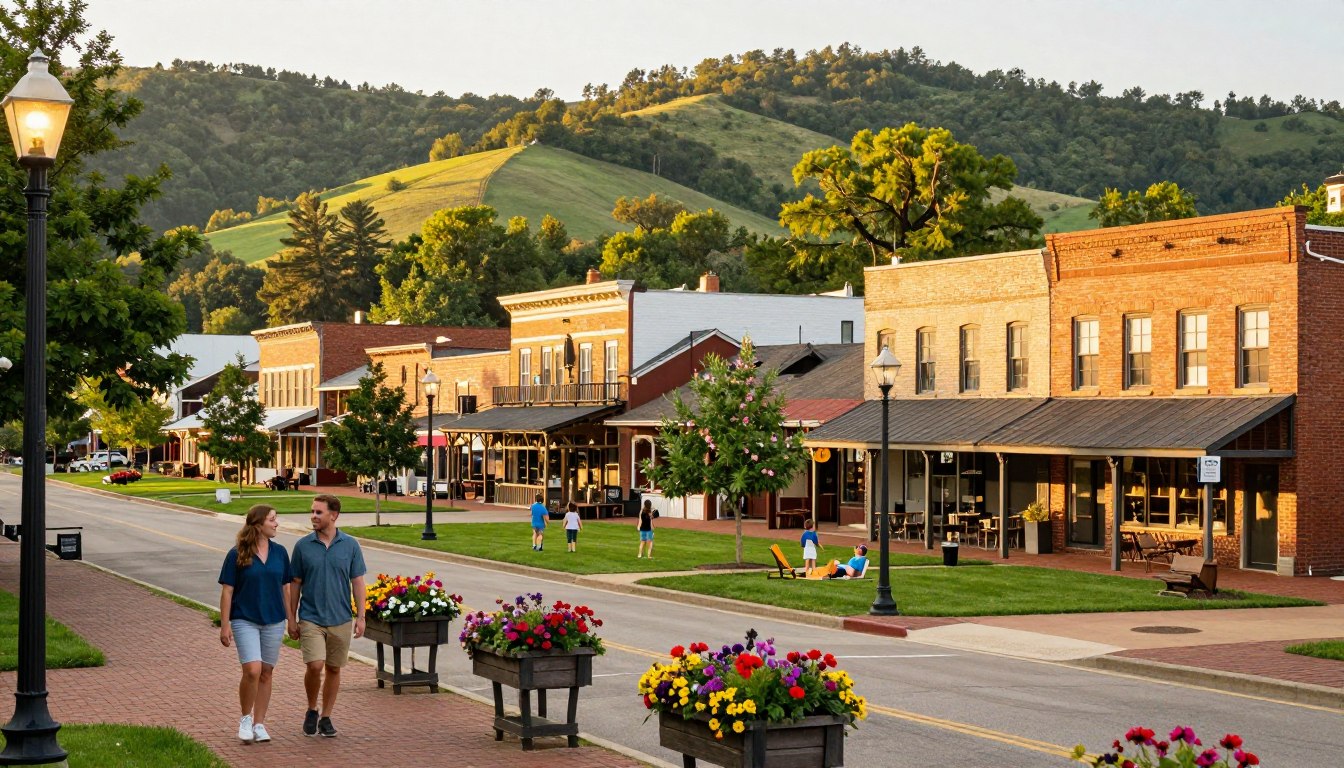
The city center is compact and walkable. The Pedestrian Mall, known as the Ped Mall, is a few blocks of brick-paved plaza with restaurants, shops, and benches. It is a good base for a first day because you can park once and walk everywhere. The Old Capitol, a gold-domed building that served as Iowa’s seat of government until 1857, sits at the center of campus and is open to visitors with a small museum inside.
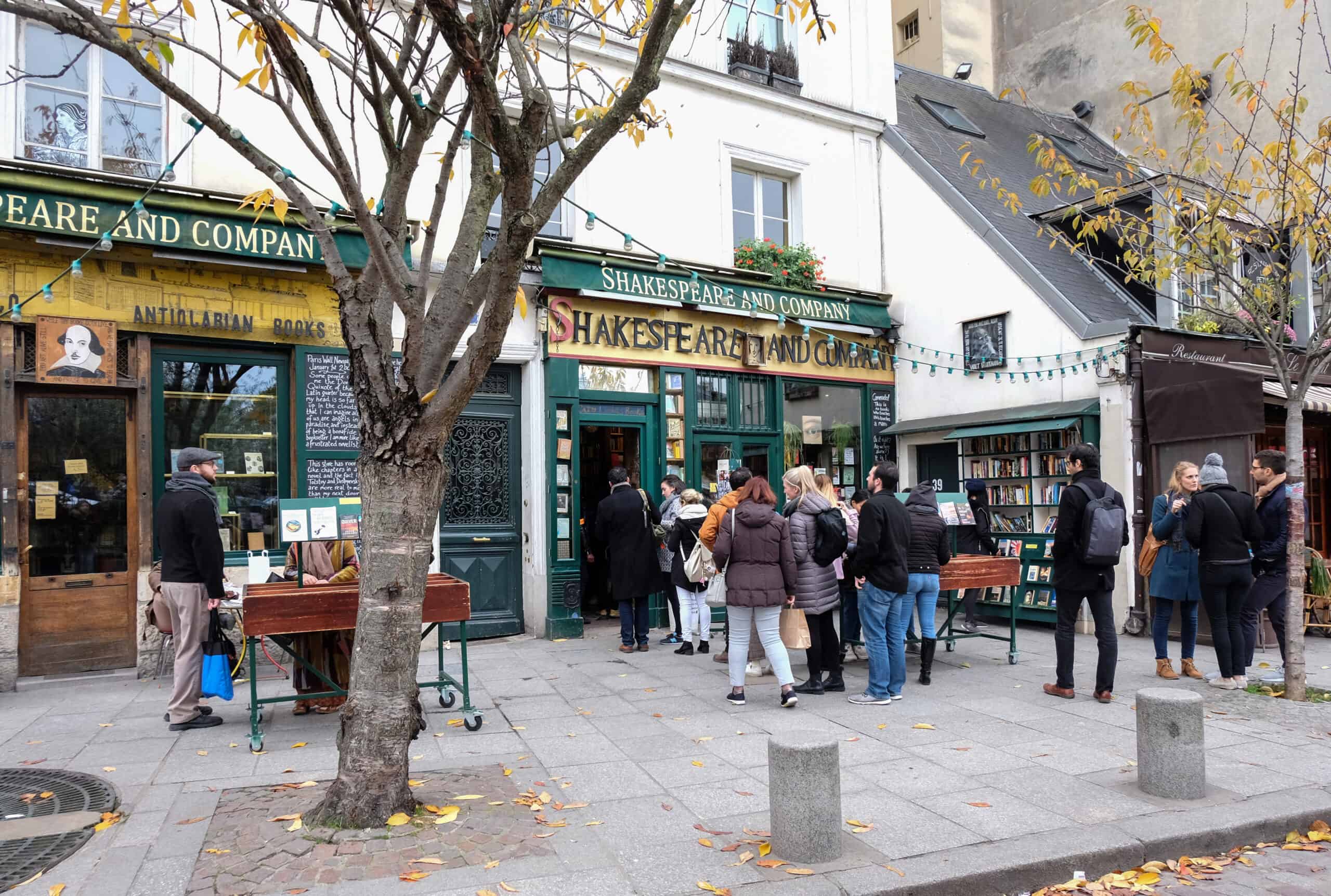
Prairie Lights, a bookstore on Dubuque Street, is a landmark for readers. It hosts author events and sells regional and international titles. Used and independent stores nearby carry the kind of books you will not find in an airport shop. If you like poetry or nonfiction, check the events calendar before you go, because readings are often free and open to the public.
The Englert Theatre, a restored vaudeville house from the early 1900s, hosts concerts, comedy, and films. The nearby Hancher Auditorium on the river is a larger venue for touring performances. Even if you are not seeing a show, the riverfront path along the Iowa River is a pleasant walk, especially in autumn.
The Literary Side of Town
Walk the literary history
The city has a Literary Walk of bronze plaques set into the sidewalk on Iowa Avenue, with quotations from writers who lived or taught here. It is a free, self-guided way to see the city’s identity at a glance. Pair it with a visit to a bookstore and a coffee, and you have a pleasant morning.
Catch a reading
Events run through the academic year. The Iowa Summer Writing Festival, held each June and July, brings workshops and public events to campus. The city also hosts an annual book festival in the fall. Dates and speakers change, so check before you plan around them.
Visit the library and museums
The University of Iowa Libraries hold special collections, and the Stanley Museum of Art, which reopened in a new building in 2022, has a strong modern collection and free admission. The Old Capitol Museum and the Museum of Natural History are small but worth an hour.
Health Care and the Visitor Economy
If you are visiting for a medical reason, the hospital campus sits on the west side of the river, with parking ramps and a skywalk system connecting buildings. Many people stay at nearby hotels or at the Ronald McDonald House, which serves families of children receiving treatment. Check hours and booking requirements ahead of time, as demand is high.
Medical visitors often need simple, comfortable things: a grocery store, a quiet park, and a good meal that is not a hospital cafeteria. Iowa City handles this well. The riverfront trails and City Park are close to campus, and the downtown restaurants range from casual to refined. Local taxis and shuttle services make getting around easier for those who do not drive.
It is also worth knowing that the health care presence supports the local economy in a way that does not depend on the student calendar. During summer, when the student body drops, hospital and university staff keep downtown running. That is part of why Iowa City’s restaurants and shops stay open year-round, unlike in many small college towns.
Where to Eat
Iowa City punches above its weight in food. A few places worth looking up:
- Hamburg Inn No. 2, a longtime diner on Linn Street known for breakfast and pie.
- The Motley Cow Cafe, a farm-to-table restaurant that has been part of the local scene for years.
- The Mill, a historic restaurant and venue with a long music history.
- Local bakeries and coffee shops around the Ped Mall for a morning stop.
- The Iowa City Farmers Market, held on weekends in season, for produce and baked goods.
Prices are generally moderate. Expect to pay around $12 to $20 per person at a casual lunch and perhaps $30 to $50 for dinner at a nicer place. Check hours before you go, as restaurants may close early or alter hours during university breaks.
Outdoor Time and Day Trips
Iowa is not famous for mountains, but the area around Iowa City is pleasant. Coralville Lake, just north of town, offers boating, hiking, and fishing. The Iowa River Corridor and the trails around Terrill Mill Park are good for walking and cycling. A drive of around 15 minutes takes you to West Branch, home of the Herbert Hoover Presidential Library and Museum and the birthplace cottage of the 31st president. The Amana Colonies, a set of historic German communal villages, sit about 30 minutes west and make a good half-day trip with food, crafts, and a few small museums.
Neighborhoods Worth a Detour
Beyond the Ped Mall, two areas reward a wander. The Northside Marketplace, a few blocks north of downtown, is a small cluster of restaurants, bars, and shops in older buildings, and it feels more local and less student-oriented than the main drag. Across the river, the Hubbard Park and Hoover neighborhoods have the leafy streets and porches typical of a Midwestern university town. If you like architecture, drive or walk along Summit Street and the surrounding blocks, where large early-twentieth-century homes sit beside newer builds. Free parking can be hard to find near campus on weekdays, so use a city ramp downtown and walk, which also takes you past most of the sights.
When to Go
Fall is the busiest season, with football weekends, the book festival, and cool weather. Hotel rates spike on home game days, often by a wide margin, so if you are not there for a game, avoid those weekends or book far in advance. Spring is lively and pleasant, with graduation weekends being another busy time. Summer is quieter and a good time for a relaxed visit, with festival events and farmers markets. Winter is cold, but the indoor scene of theaters, museums, and restaurants still works.
How to Plan a Weekend
A simple plan: Friday evening, walk the Ped Mall and have dinner downtown. Saturday morning, breakfast at a local diner, then a literary walk and a stop at a bookstore. Afternoon at the Stanley Museum of Art or a walk along the river. Evening at a concert or play. Sunday, a drive to West Branch or the Amana Colonies, then a late lunch before heading home.
If you are traveling for medical care, build in a quiet day. Take a walk by the river, eat something comforting, and use the downtown bookstores and cafes as a break from the hospital. Iowa City is a place where that kind of visit does not feel out of place, because so many people are doing the same thing.
The Takeaway
Iowa City is more than a college town because it runs on three things at once: a major university, a literary identity recognized by UNESCO, and a large academic hospital. The result is a place of about 75,000 residents that feels more varied than its size suggests. Come for a reading, a game, or a medical visit, and you will find a walkable downtown, strong restaurants, and a community that is used to guests.