Memphis Gets Reduced to Barbecue and Beale Street. Here’s What That Does to the City’s Actual Story
We may earn money or products from the companies mentioned in this post. This means if you click on the link and purchase the item, I will receive a small commission at no extra cost to you ... you're just helping re-supply our family's travel fund.
Every Memphis tourism campaign leads with the same things: Beale Street live music, world-championship barbecue, the birthplace of rock and roll. All of that is real and all of it is worth experiencing. But the packaging of Memphis as a food-and-music destination has the effect of reducing one of the most historically significant cities in the American South to a collection of entertainment experiences — and the parts that are left out are the most important parts of what Memphis actually is.
The Memphis That Doesn’t Make the Tourism Brochures
The National Civil Rights Museum
The National Civil Rights Museum, built on the site of the Lorraine Motel where Dr. Martin Luther King Jr. was assassinated on April 4, 1968, is one of the most important museums in the United States. It documents the civil rights movement from the early resistance to slavery through the present day, in a building that carries the specific weight of the place where the movement’s most prominent leader was killed. It is not a comfortable visit. It is an essential one. And yet many Memphis tourists who spend three days eating ribs and listening to blues on Beale Street never go.
Stax Records and the Other Memphis Sound
Sun Studio gets the tourist attention because of Elvis. But Stax Records — the label that gave the world Otis Redding, Isaac Hayes, Booker T. and the MGs, Sam and Dave, and Carla Thomas — is the more radical musical story. Stax was an integrated recording operation in the segregated South, a place where Black and white musicians and executives worked together in a way that was genuinely transgressive for its time and place. The Stax Museum of American Soul Music is in the South Memphis neighborhood where the original studio stood, in a community that rarely sees tourists. It’s one of the best music museums in the country.
The Mississippi River
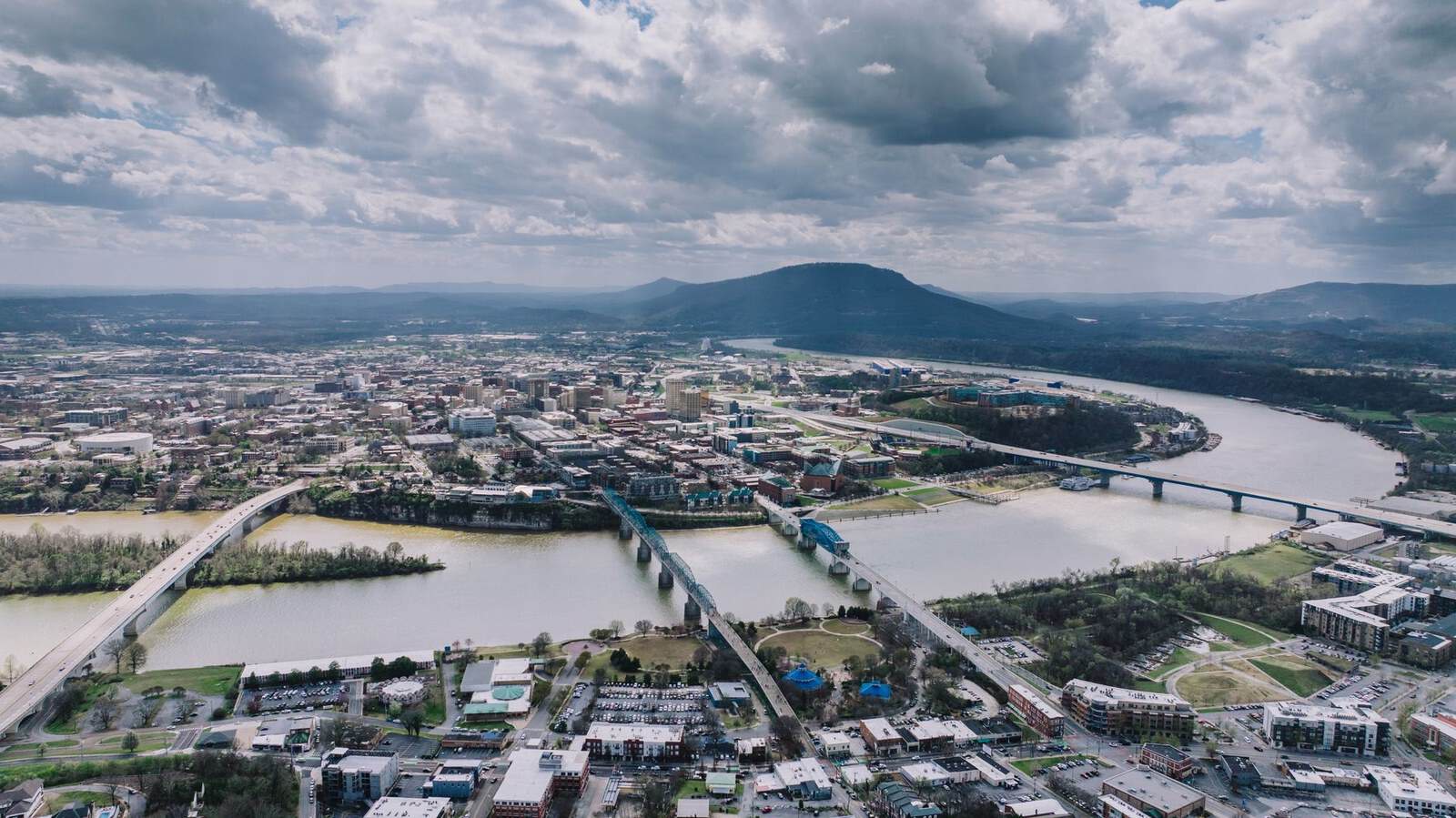
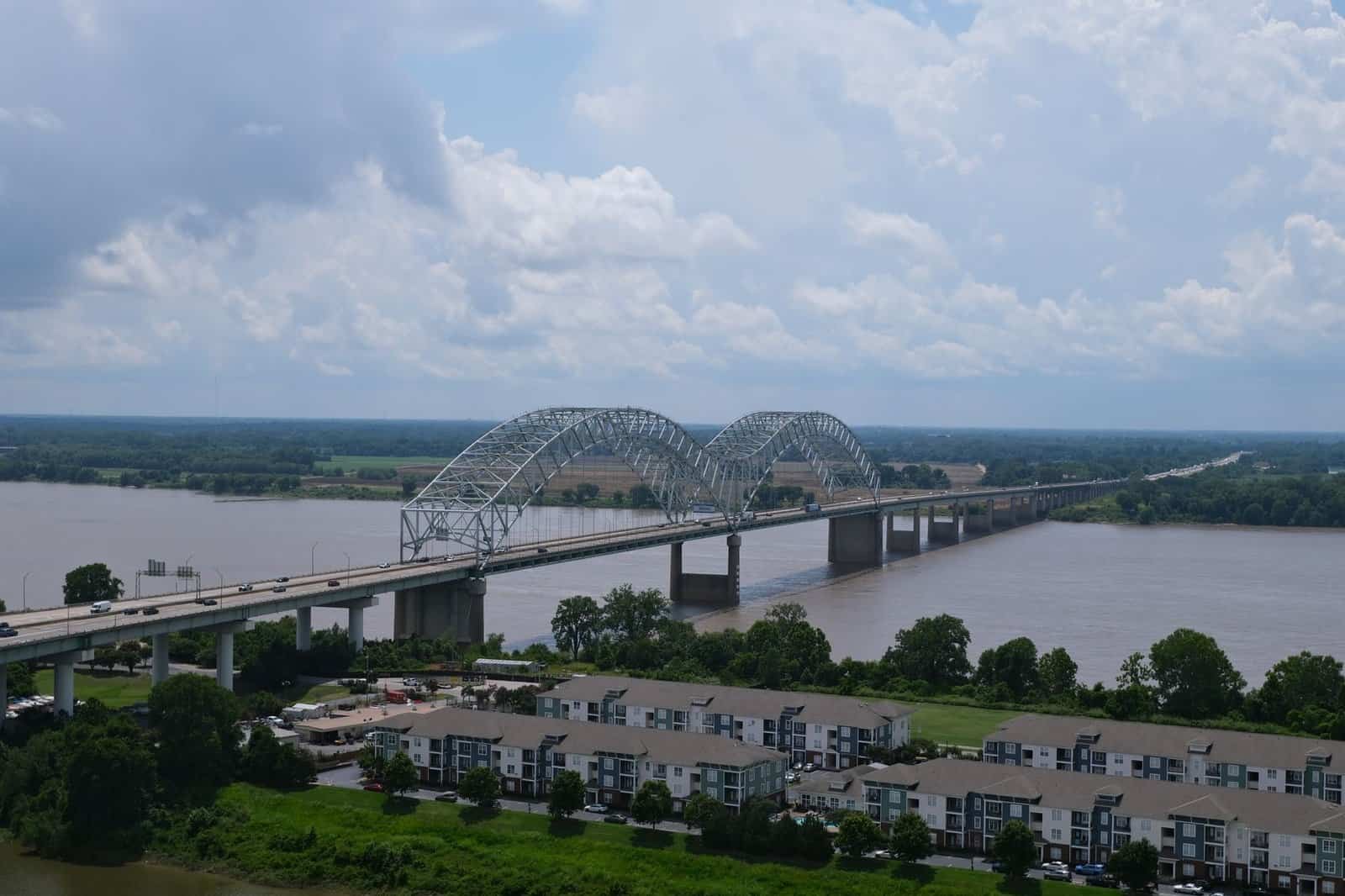
Memphis sits on the fourth Chickasaw Bluff above the Mississippi River at a point where the river is wide, powerful, and as close to untamed as the most controlled waterway in North America ever looks. Tom Lee Park on the riverfront has been rebuilt and expanded. The Mud Island River Park has a scale model of the Lower Mississippi that is both absurd and genuinely illuminating. Looking at the actual river from the Riverwalk — the brown, fast-moving, enormous river that built the economy of the entire American interior — is an experience that most Beale Street visitors never take 20 minutes to have.
The Food That Isn’t on the Tourist Route
Memphis barbecue is legitimately great. But the actual food culture of Memphis extends into soul food restaurants, West African and Ethiopian spots in the growing immigrant community, Vietnamese restaurants around Madison Avenue, and tamale shops — Memphis has a tamale tradition rooted in the Delta’s Mexican agricultural worker history that produces a different tamale than anywhere else in the country. The tourist barbecue trail is good. The city’s full food geography is better.
Memphis is not a polished city in the way that Nashville has become polished. It’s complicated, economically stressed in its neighborhoods beyond the tourist zone, and carrying a history that doesn’t resolve into a comfortable narrative. But that complexity is what makes it one of the most honest and important American cities to spend time in. The brochure version is real. The city behind it is more real, and more worth knowing.