Taos Has Just 6,000 Residents—Yet Its 3 Art Colonies Never Became One Scene, Shaping What Visitors Experience
We may earn money or products from the companies mentioned in this post. This means if you click on the link and purchase the item, I will receive a small commission at no extra cost to you ... you're just helping re-supply our family's travel fund.
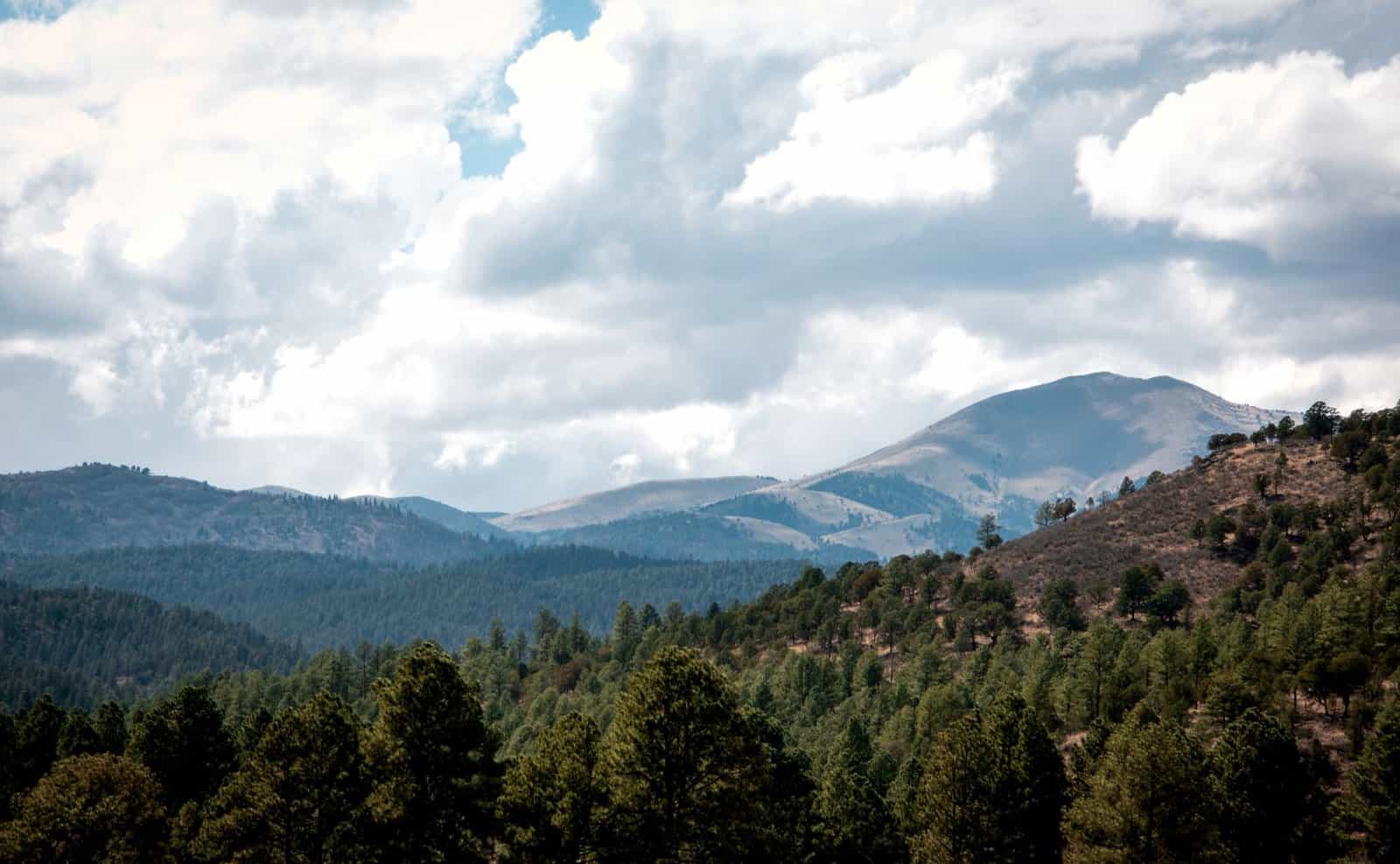
Taos sits at 7,000 feet in a high desert valley ringed by the Sangre de Cristo Mountains, a setting that first drew a formal art colony in 1915 when a small group of painters, including Ernest Blumenschein and Bert Geer Phillips, settled permanently after a broken wagon wheel forced an unplanned stop that turned into a decades-long fascination with the region’s light and landscape. That founding colony grew into the Taos Society of Artists, an organization that shaped the town’s identity so completely that gallery density in Taos today, relative to its population of roughly 6,000 residents, rivals cities many times its size.
What makes Taos unusual is that this founding colony never fully absorbed the other artistic communities that later took root nearby, Taos Pueblo’s centuries-old Native artistic traditions and the more recent counterculture and off-grid art scene that grew up around the Earthship communities west of town, leaving Taos with three distinct artistic identities that coexist within a few miles of each other without ever quite merging into one unified scene.
The Original Anglo Art Colony and Its Lasting Institutional Footprint
The Taos Society of Artists formally organized in 1915 and operated for roughly two decades, during which its members built an East Coast and European reputation for capturing the specific quality of high desert light that they argued was unlike anything available to painters working in more traditional art centers, a claim that drew a steady stream of new artists to the town throughout the twentieth century and established galleries and patron relationships that many current Taos institutions can trace directly back to.
The Harwood Museum of Art and the Taos Art Museum both preserve substantial collections from this founding period, giving visitors a way to see the specific paintings that built the town’s early reputation alongside contemporary work by artists still living and working in Taos today, a continuity between historic and current art scenes that few small American towns can claim with this much depth.
Taos Pueblo’s Separate and Far Older Artistic Tradition
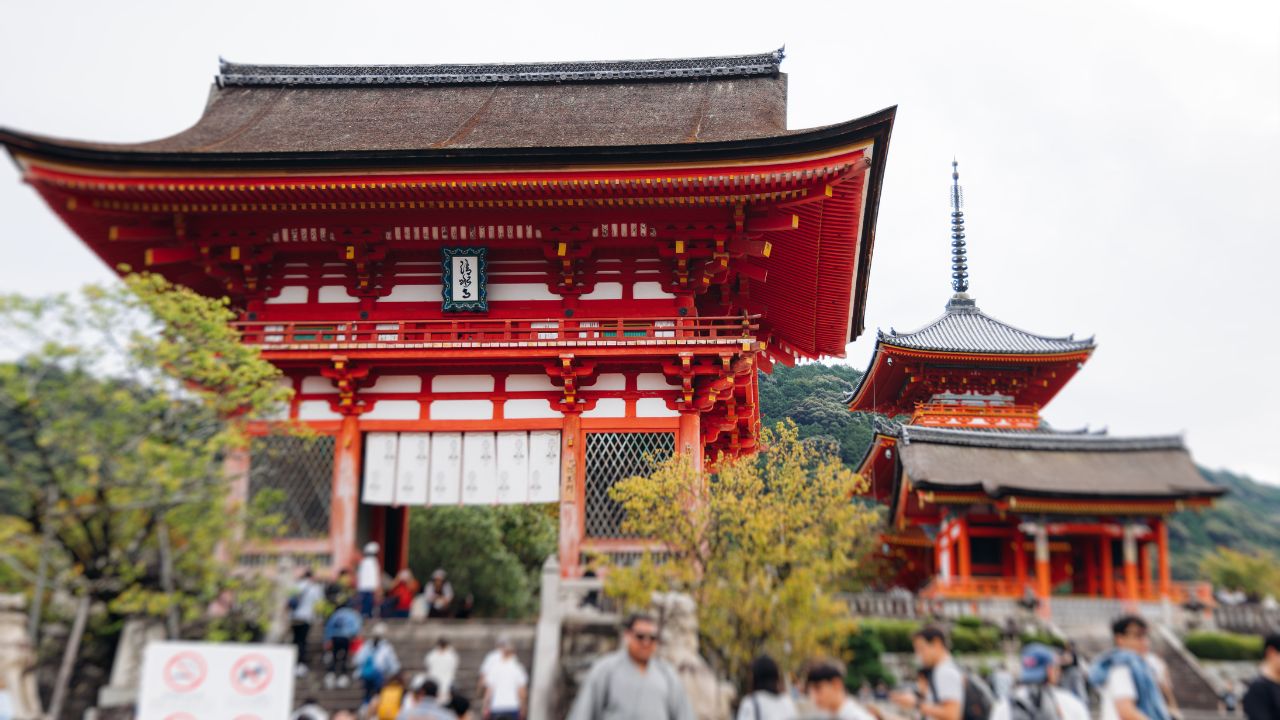
Taos Pueblo, a UNESCO World Heritage Site located just north of town, has been continuously inhabited for roughly a thousand years, making it one of the oldest continuously occupied communities in the United States, and its residents maintain artistic traditions in pottery, weaving, and silverwork that predate the Anglo art colony by centuries and operate through an entirely separate set of galleries, cooperatives, and family workshops largely concentrated within the Pueblo itself.
Visitors are welcome at Taos Pueblo on specific open days but must follow protocols set by the Pueblo’s own government, a structure that keeps this artistic tradition functioning on its own terms rather than folding into the broader tourist-facing gallery scene that dominates the rest of town, a deliberate separation Pueblo leaders have maintained for generations specifically to protect the community’s autonomy and privacy.
The Earthship Builders and Taos’s Off-Grid Counterculture Scene
West of Taos, a sprawling development known as the Greater World Earthship Community houses homes built from earth-packed tires, recycled bottles, and passive solar design principles pioneered by architect Michael Reynolds starting in the 1970s, a distinctly different creative tradition built around sustainability and self-sufficiency rather than painting or traditional visual art.
This community draws its own separate visitor base, architecture students, sustainability researchers, and curious tourists booking overnight stays in rental Earthships, largely distinct from the crowd visiting Taos specifically for its gallery scene or Pueblo history, giving the broader Taos area a third entirely separate creative identity operating in parallel with the other two.
Why These Three Scenes Never Fully Combined
Cultural geographers who study small art towns point to Taos as an unusual case where geographic proximity never produced the kind of cross-pollination seen in other art colonies, largely because each of the three communities, the historic Anglo art establishment, Taos Pueblo, and the Earthship builders, formed around fundamentally different values, artistic training in the European tradition, generations-deep Indigenous cultural practice, and countercultural environmentalism, that never created much natural overlap in personnel or philosophy.
Some contemporary Taos artists have deliberately worked to bridge these traditions, incorporating Southwestern Indigenous motifs or sustainable materials into gallery-facing work, but longtime residents describe these efforts as still relatively rare exceptions rather than evidence of any broader merging of the town’s separate creative communities.
What a Visitor Actually Experiences Moving Between the Three
A single day in Taos can move a visitor from a gallery row showing work directly descended from the 1915 art colony, through Taos Pueblo’s centuries-old adobe structures and pottery cooperatives, and out to the mesa west of town to tour an Earthship, three experiences that feel almost like visiting three different towns despite being connected by only a few miles of high desert highway.
Local tourism officials have started promoting this layered complexity directly, encouraging visitors to treat a Taos trip as an exploration of three distinct communities rather than a single unified arts-town itinerary, a framing that better matches how the town actually functions than the simplified single-identity story often told in shorter travel features.
- Founded as a formal art colony in 1915 by painters drawn to the region’s high desert light
- Home to Taos Pueblo, continuously inhabited for roughly a thousand years
- The Greater World Earthship Community west of town built around off-grid sustainable architecture
- Three distinct creative traditions coexisting within a few miles without fully merging