Think Lancaster County Is Just Amish Country? Here’s What Its Tourism Economy Costs Local Residents
We may earn money or products from the companies mentioned in this post. This means if you click on the link and purchase the item, I will receive a small commission at no extra cost to you ... you're just helping re-supply our family's travel fund.
Lancaster County is not just Amish country, and the Lancaster County tourism economy comes with costs that local residents carry every day: crowded two-lane roads, rising housing prices, farmland turned into parking lots and warehouses, low-wage seasonal jobs, and the strain of being on display. Roughly 8 million people visit each year according to the local tourism bureau, and they spend billions of dollars. That money supports jobs and tax revenue, but it also changes the place for the roughly 550,000 people who live there, including the Amish and Mennonite families whose way of life draws the crowds. This article lays out those costs, the benefits that offset them, and how to visit in a way that helps instead of adds to the strain.
How the Lancaster County Tourism Economy Works
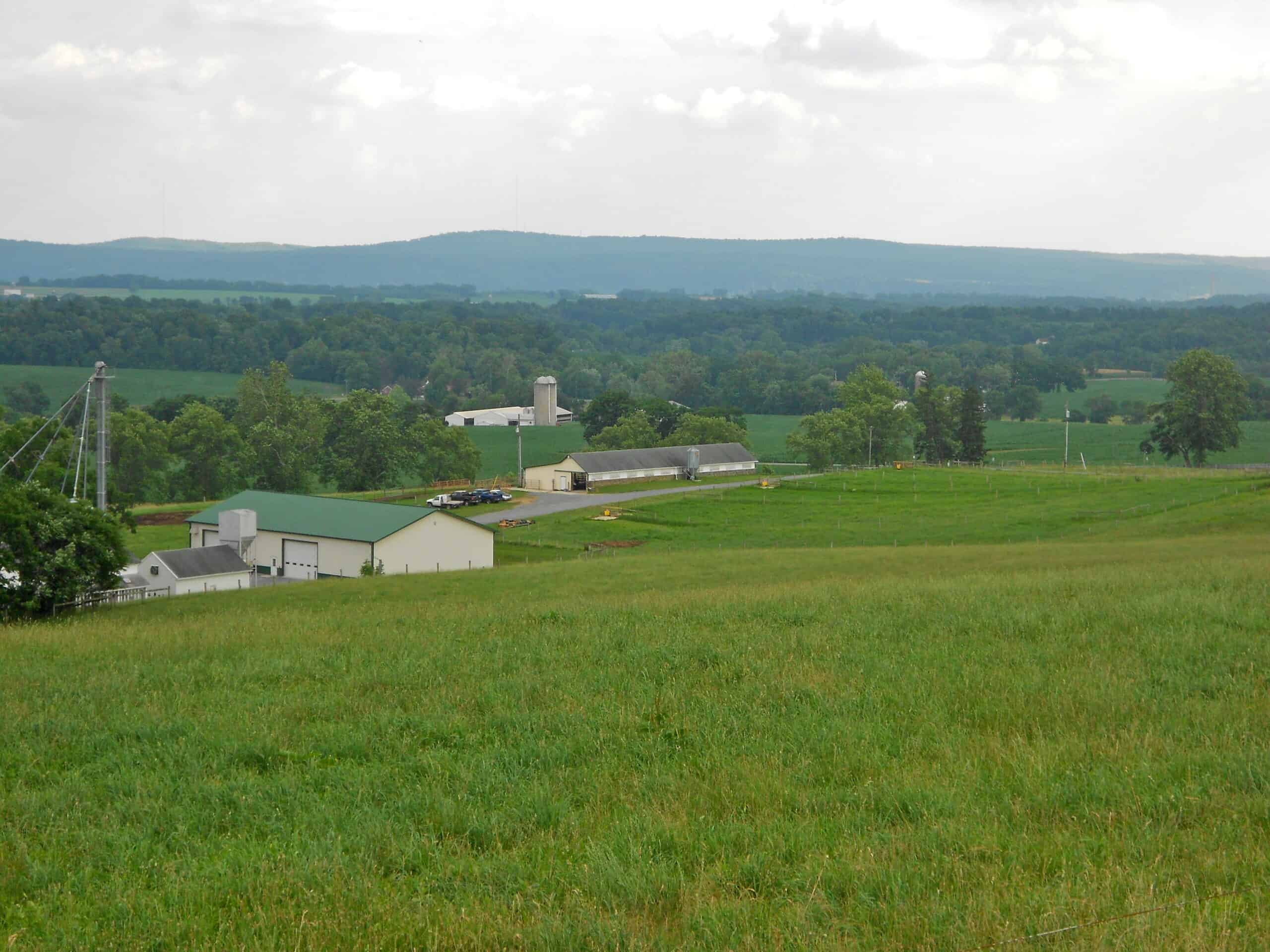
Lancaster County sits in southeastern Pennsylvania, about 60 miles west of Philadelphia. It is one of the most productive non-irrigated agricultural counties in the country, with dairy, poultry, hogs, corn, and tobacco, and it is also a manufacturing, health care, and education center. Lancaster city, with about 58,000 people, has a revived downtown with galleries, restaurants, and the Central Market, which dates to the 1730s and is often described as the oldest continuously operating public farmers market in the country.
The county is also the heart of Pennsylvania Dutch culture. Plain-living Amish and Mennonite communities, who live without public electricity and drive horse-drawn buggies, number in the tens of thousands in the county. Tourism began to grow in the 20th century as the mid-century Amish became a symbol of simplicity, and was boosted by films, television, and tour operators. Today, visitors come for farm tours, quilt shops, buggy rides, outlet malls, theater, and food such as shoofly pie and chow-chow.
Tourism is a large business. Lodging, restaurants, attractions, retail, and transportation supply thousands of jobs, and hotel taxes and sales taxes fund county services and marketing. But the benefits and costs fall unevenly.
Cost 1: Traffic and Road Safety
The first thing many residents mention is traffic. Highways such as Route 30 (the Lincoln Highway) and Route 340 (the Old Philadelphia Pike) pass through villages like Bird-in-Hand, Intercourse, and Smoketown, and they fill with cars, tour buses, trucks, and horse-drawn buggies, especially on summer weekends and in October. Many of these roads are narrow, hilly, and lack shoulders, and visitors who are looking for farms or taking photos may drive slowly or stop suddenly.
Buggies share these roads, and crashes involving buggies and cars occur every year, sometimes with serious injuries. Drivers should slow down, pass only when safe, and avoid honking or flashing lights, which can spook horses. Local officials and Amish leaders have worked on safety campaigns, but congestion remains a persistent complaint.
Cost 2: Housing and Farmland
The second cost is land. Lancaster County has long had a program to preserve farmland, and thousands of acres have been protected through easements, but development pressure continues, driven by population growth, warehouses, subdivisions, and commercial sprawl. Farmland prices have risen sharply, which helps landowners who sell but makes it hard for young farmers, including Amish families, to buy land. Some Amish communities have moved to other counties and states in search of cheaper land, which shifts the cultural makeup of the county over time.
Housing costs are a related problem. Home prices and rents in Lancaster city and surrounding towns have climbed over the past decade, partly due to demand from people moving from the Philadelphia and Washington areas, and partly because of limited new supply. The median home price is now in the $300,000s or higher in many parts of the county, and rents in the city have risen. Tourism adds to this through short-term rentals in the city and the countryside, which can remove homes from the long-term market. Local governments have debated rules on short-term rentals and affordable housing programs, and the details change, so check current ordinances.
Cost 3: Low-Wage Seasonal Jobs
Tourism employment is a big part of the economy, but many of those jobs, such as housekeepers, servers, ride operators, and retail clerks, pay modest wages and may be seasonal or part-time. When housing costs rise faster than wages, workers in these jobs are squeezed. Employers report difficulty finding staff, and many workers commute from outside the immediate area. The county has also seen labor shortages in hotels and restaurants, especially in peak months.
Cost 4: Life on Display
For Amish and Mennonite residents, tourism brings a different kind of cost: being treated as an attraction. Visitors sometimes photograph people without permission, enter private property, or stop on the road to watch farm work. Amish people generally avoid being photographed because of religious beliefs about graven images, and many find unwanted attention intrusive. Some Amish families run businesses, such as farm stands, furniture shops, and quilt stores, and welcome customers, but they decide on their own terms how they engage.
Non-Amish residents also report feeling their towns have become backdrops. Villages can feel crowded and commercial, and some long-time residents say that the essential character of the area has shifted to cater to visitors.
Cost 5: Environmental Pressure
Agriculture and population growth create environmental challenges. Lancaster County is a major source of nutrient runoff into streams that flow to the Susquehanna River and the Chesapeake Bay, and the state and farmers have worked on conservation practices, stream buffers, and manure management. More pavement and development increases stormwater runoff and flooding, and warehouses and truck traffic add emissions and noise. Tourism does not cause all of these issues, but it contributes to development pressure and traffic.
The Benefits That Offset the Costs
It would be one-sided to talk only about costs. Tourism contributes significantly.
- Jobs and wages. Tens of thousands of jobs depend directly or indirectly on visitors.
- Tax revenue. Hotel and sales taxes help fund local services, and reduce the tax burden on residents.
- Support for farms and small businesses. Farm stands, bakeries, and craft shops depend on visitors, and many Amish and Mennonite families earn income from them.
- Cultural and historic preservation. Visitor spending helps sustain museums, historic sites, and theaters.
- A stronger downtown. Lancaster city’s restaurants, galleries, and markets benefit from visitor and resident spending alike.
The question is not whether tourism is good or bad, but how to manage it so that benefits are shared and costs are reduced.
What Visitors Can Do
A few habits make a real difference.
1. Travel off-peak. Weekdays, early spring, and late fall mean fewer crowds. October weekends are the busiest. 2. Skip the main highways when possible. Back roads such as those near Strasburg, Ephrata, or Lititz offer scenic drives, but remember that they are also local roads where buggies travel. 3. Respect privacy. Do not photograph Amish people’s faces, and do not walk onto farms or into yards without invitation. If you want a photo of a buggy, take it from a distance. 4. Buy from local families. Farm stands, bakeries, and shops owned by local families keep money in the community. Many are closed on Sundays, so plan accordingly. 5. Share the road. Slow down around buggies, give space, and wait for a clear pass. 6. Visit Lancaster city. The Central Market, galleries, breweries, and historic sites show the county’s broader identity. The market has limited days, so check hours. 7. Stay in licensed lodging. Hotels and registered inns pay lodging taxes and follow local rules. 8. Learn the history. Museums such as the Mennonite Heritage Center and Landis Valley Village and Farm Museum add context.
Prices vary. A hotel room often runs from $100 to $220 on normal nights and more during fall weekends. Meals range from inexpensive farm-market lunches to higher-priced buffets and restaurants. Tours and attractions have entry fees that vary. Check current rates.
Check Before You Go
Many Amish-owned businesses close on Sundays, and some small shops have seasonal hours. Roads can be congested during peak weekends and events. Weather can change quickly, and winter snow can make country roads hazardous. Check attraction hours, event calendars, and road conditions before you travel.
Lancaster County Beyond the Amish Stereotype
Reducing the county to its Amish image leaves out most of its character, and it is part of why tourism strain is poorly understood. The county has a large and growing Latino population, especially in Lancaster city, and a significant refugee resettlement community that has brought restaurants, shops, and cultural events from many countries. It has a long industrial history in towns such as Columbia and Marietta, a college presence at Franklin and Marshall and Millersville University, and a thriving food and brewing scene.
Towns Worth a Visit
Lititz, with its tidy main street, a historic pretzel bakery, and chocolate shops, draws visitors but retains a small-town feel. Ephrata has a cloister dating to the 1730s. Strasburg offers railroad history with the Strasburg Rail Road and the Railroad Museum of Pennsylvania. Columbia has a national watch and clock museum. Each town has a local economy that does not depend only on the Amish image, and spending in these places spreads the benefits more widely.
Why a Wider View Helps Residents
When visitors spread out, they reduce pressure on the busiest corridors and bring money to a larger set of businesses. When visitors see the county as more than a postcard, they are more likely to treat it, and its residents, with the respect that any community deserves. Local tourism officials have encouraged this broader approach, with promotion of trails, farms, breweries, history sites, and arts.
The Takeaway
The Lancaster County tourism economy supports jobs and farms, but it also brings traffic, housing pressure, farmland loss, low-wage work, and a sense of living on display for residents. Visit off-peak, drive carefully, respect privacy, and spend with local businesses. Seeing Lancaster as a working place, not a stage set, is the best way to enjoy it.