Your Travel Credit Card’s ‘Free’ Perks Are Quietly Failing You — Here’s What Trip Delay Insurance, Lost Luggage, and Travel Portals Actually Cover
We may earn money or products from the companies mentioned in this post. This means if you click on the link and purchase the item, I will receive a small commission at no extra cost to you ... you're just helping re-supply our family's travel fund.
Let me tell you about a friend. She has a Chase Sapphire Reserve card. She pays $550 a year for it. She tells everyone it’s worth it because of the travel protections. Last March, her flight from Denver to Miami was delayed overnight — seven hours, then a reschedule to the next morning. She missed a prepaid hotel night and had to buy dinner and a replacement shirt because her checked bag was on the delayed aircraft.
She filed a claim with Chase’s travel insurance. Got denied. The reason? Her flight delay was weather-related, and her specific card requires a delay of six hours due to a *covered reason* — and “weather” falls into a gray zone depending on who declares it. She got $0.
This is not a rare story. It’s actually the most common story. And it’s happening because people sign up for premium travel cards based on the marketing copy rather than the actual Certificate of Benefits document that nobody reads until something goes wrong.
Let’s fix that.
What ‘Trip Delay Insurance’ Actually Covers (Spoiler: Not Much)

Trip delay insurance sounds like a catch-all for any time your travel goes sideways. It isn’t. Here’s what’s actually happening when you read that benefit description.
The Covered Reasons Trap
Almost every card’s trip delay benefit only activates for specific *covered reasons*. These typically include:
- Equipment failure (mechanical issues with the plane)
- Severe weather — but only if it’s *the cause of the delay*, not just a contributing factor
- Strike or labor action affecting the carrier
- Lost or stolen travel documents
What this excludes, quietly:
- Air traffic control delays (extremely common)
- “Crew rest” delays (more common than you think)
- Overbooking and rebooking situations
- Anything the airline codes as “operational” without further explanation
Airlines also code delays in ways that may not match the insurer’s definitions. A delay coded as “weather” by the airline might not be what the insurer considers a qualifying weather event.
The Six-Hour Threshold
Most cards — including the Chase Sapphire Preferred and Reserve — require a delay of at least six hours or an overnight stay before the benefit kicks in. A four-hour delay? Not covered. You’re sitting in the terminal buying a $17 sandwich with no recourse.
The Amex Platinum is slightly more generous at three hours, but the covered reasons list is similarly restrictive.
What You Can Actually Claim
If you do qualify, the benefit covers “reasonable” expenses — meals, lodging, transportation. Most cards cap this at $500 per trip. That sounds fine until you realize a single night at an airport hotel runs $200–$350 these days. If you have a family of four, you’re already over the cap before anyone eats dinner.
Lost Luggage Coverage: The $3,000 Cap Nobody Reads

Here’s another one that sounds robust and isn’t.
The Difference Between ‘Delayed’ and ‘Lost’
Most cards split this benefit into two separate coverages:
- Baggage delay: Covers essentials (toiletries, clothing) if your bag is delayed 6–12 hours. Usually capped at $100–$300 per passenger.
- Lost or damaged baggage: Covers the actual value of your belongings if the bag is gone permanently or destroyed. Usually capped at $3,000 per trip.
The issue with the lost/damaged benefit is valuation. The insurer doesn’t pay what you paid for your clothes — they pay *current depreciated value*. That wool blazer you paid $400 for three years ago? They’ll estimate $80. Your laptop? They’ll calculate depreciation from the purchase date. Plan on getting 20–40 cents on the dollar for most items.
What You Need to Actually File a Claim
Most people don’t realize what documentation is required:
- A written statement from the airline confirming the bag is lost (not just delayed)
- Original receipts or proof of purchase for claimed items
- A completed claim form within a specific window (usually 20–60 days)
- Your credit card statement showing you paid for the ticket with that card
If you paid for your flight with miles or a combination of miles plus card, coverage may be voided or reduced. This is in the fine print and almost nobody catches it.
Travel Portals: Why Booking Through Your Bank Can Cost You More

Chase Ultimate Rewards. Amex Travel. Capital One Travel. These portals offer 1.25x–1.5x point redemption multipliers on travel booked through them. That sounds like a win. But there are serious trade-offs.
You Lose Status Benefits
When you book through a bank portal, you’re typically booking as a third-party customer, not directly with the airline. This means:
- You may not earn elite qualifying miles or segments
- Upgrade eligibility can be voided or reduced
- The airline may treat you as a lower-priority customer during irregular operations
Price Matching Is Inconsistent
Bank travel portals source inventory from third-party aggregators, not always directly from airlines. In many cases, the base fare shown is identical to what you’d find on Google Flights — but sometimes it’s slightly higher. The portal’s search doesn’t always surface the cheapest fare class. You might be paying 5–8% more for the “privilege” of earning points.
Modifications and Cancellations Get Messy
If you need to change or cancel a booking made through a portal, you typically have to go through the portal — not the airline. This creates an extra layer of friction, and portal customer service is often slower and less empowered to solve problems than the airline directly.
The Perks That Actually Are Worth It
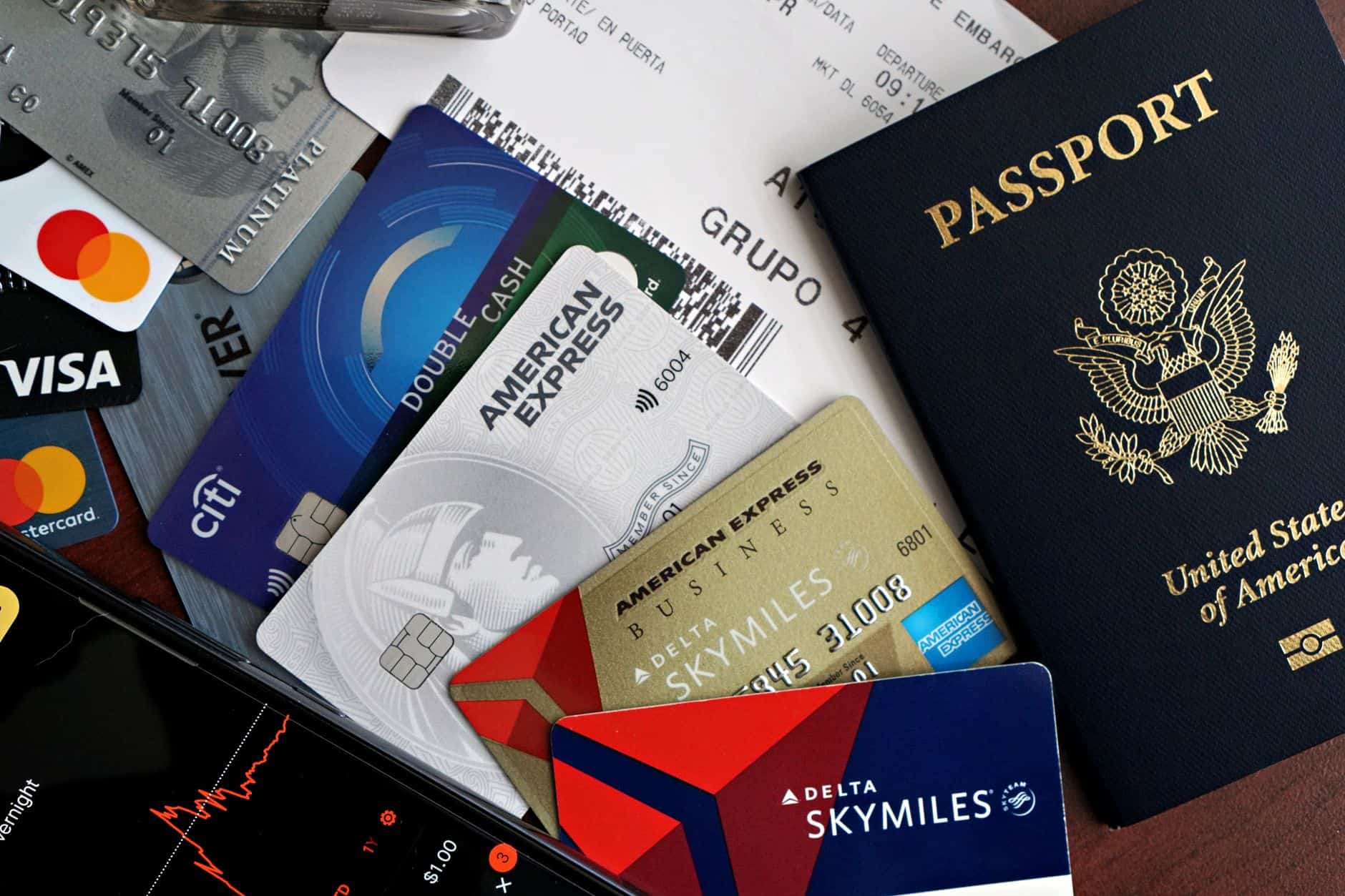
To be fair, some travel credit card benefits are genuinely valuable and underused.
- Global Entry / TSA PreCheck Credit This is real money — $100 for Global Entry every 4.5 years. If you travel internationally at all, this pays for itself. Cards like the Amex Platinum, Chase Sapphire Reserve, and Capital One Venture X all offer this.
- Priority Pass or Lounge Access If you have long layovers or frequent delays, lounge access — especially on the Amex Platinum with Centurion Lounge access — is legitimately valuable. The free food and drinks alone can offset $50–$100 per visit if you use it.
- Rental Car Coverage This one is often the best-kept secret. Chase Sapphire Reserve and Amex Platinum offer primary rental car insurance — meaning it pays out before your personal auto insurance. You can confidently decline the rental company’s collision damage waiver, which typically costs $15–$30/day. For a week-long trip, that’s $105–$210 saved.
- Cell Phone Protection Several cards now offer cell phone protection (usually $800–$1,000 per claim with a $50 deductible) when you pay your monthly phone bill with the card. This can replace your phone insurance policy, saving $10–$15/month.
How to Actually Use These Benefits Without Getting Burned

Here’s how to stop leaving money on the table — or getting surprised when claims get denied.
- Read your Certificate of Benefits. Not the marketing summary on the card website — the actual PDF document. It’s usually 20–40 pages and is the legal document that governs what gets paid. You can find it by searching “[your card name] certificate of benefits PDF.”
- Pay with the right card. The travel purchase — flights, hotels, car rentals — must be charged to the card that carries the benefit. If you used points for a flight, read the fine print on whether card benefits still apply.
- Document everything in real time. When a delay happens, take screenshots of the airline app showing the delay reason. Buy meals and keep every receipt. Get written confirmation from airline staff if possible. This is the documentation that makes or breaks a claim.
- File the claim fast. Most benefits have a filing window — often 20–60 days from the incident. People forget, or assume they need to wait until everything is resolved. File immediately.
- Don’t assume you’re covered. Before a big trip, spend 20 minutes verifying your card’s specific benefits and exclusions. Know the thresholds. Know the covered reasons. Know what documentation you’ll need.
The bottom line: travel credit card perks are real, but they’re written to minimize payouts. The best strategy is to know exactly what you have, pay for travel with the right card, and treat documentation like a habit rather than an afterthought. The card that costs $550/year can genuinely be worth it — but only if you know how to use it.