Americans Who Bought Property Abroad — What It Actually Costs, the Legal Traps Nobody Warned Them About, and Whether They Regret It
We may earn money or products from the companies mentioned in this post. This means if you click on the link and purchase the item, I will receive a small commission at no extra cost to you ... you're just helping re-supply our family's travel fund.
Somewhere in the last five years, “buying property abroad” went from a retirement-planning footnote to a mainstream aspiration. TikTok tours of $75,000 farmhouses in rural Italy. Instagram reels about the NHR tax regime in Portugal. YouTube channels built entirely around the premise of leaving America and buying something beautiful for less.
The content is compelling. Some of it is even accurate. The parts that usually get skipped over: the closing costs that add 10–15% to the purchase price, the tax filing obligations that follow you across the border, the foreign buyer restrictions that make some “cheap” properties legally inaccessible to Americans, and the currency risk that can make a “safe” investment lose 20% of its dollar value before you’ve renovated the kitchen.
This is the version without the rose-gold filter.
Why Everyone Is Suddenly Talking About Buying Abroad

The confluence of factors driving this interest:
- US housing prices hit historic highs in 2021–2023, making domestic homeownership increasingly inaccessible.
- Remote work made “living abroad” a realistic option for a larger segment of Americans than ever before.
- Several countries (Portugal, Costa Rica, Panama, Mexico) actively marketed digital nomad and residency programs targeting foreign buyers.
- Exchange rates periodically make specific markets dramatically affordable for dollar-holders (the Euro’s drop below USD parity in 2022 was widely covered as a “buy European property” opportunity).
- Social media made the aspiration visible and constant in a way it wasn’t a decade ago.
All of these factors are real. None of them eliminate the complexity.
The True Cost of Buying Property Abroad (Not Just the Purchase Price)

This is where most people’s calculations go wrong. The listing price is the smallest number in the transaction.
- Transaction costs Most countries impose transfer taxes, registration fees, notary fees, and real estate agent commissions that together add 8–15% to the purchase price. In Portugal, IMT (property transfer tax) plus stamp duty plus notary fees adds roughly 10–12% for most purchases. In France, the equivalent fees (frais de notaire) add 7–8% for existing properties. In Italy, registration tax plus notary fees add 9–12% depending on property type. A €150,000 Portuguese apartment has an all-in purchase cost of €165,000–€168,000 before you’ve touched the property.
- Foreign currency mortgage rates (if applicable) Financing property in a foreign currency as a non-resident is significantly harder and more expensive than in the US. Many countries require non-residents to put 30–40% down. Interest rates for non-resident mortgages are often 1–2% above resident rates. Many buyers find it easier to purchase in cash or with US-based financing if they have sufficient home equity.
- Renovation and maintenance surprises The cheapest foreign properties are cheap because they need significant work. Renovation costs in countries like Portugal, Italy, and Greece have risen dramatically with increased foreign demand. Contractors catering to foreign buyers frequently charge at or above Western European rates. A €90,000 “renovated farmhouse” in rural Italy that “just needs some updating” has a history of consuming €40,000–€80,000 more in renovation before it’s livable by American standards.
- Annual carrying costs Property taxes abroad vary dramatically. France’s taxe foncière can be substantial in certain regions. Italy’s IMU (property tax) applies to second homes including foreign-owned ones. HOA equivalents exist in many apartment buildings. Annual maintenance costs, property management if you’re renting, utilities, and insurance add up to 1–3% of property value per year in most markets.
- Currency risk If you purchase in euros and the dollar strengthens relative to the euro by 10%, your dollar-denominated net worth from the property has declined 10% before any property price movement. This is not theoretical. The dollar-euro rate has swung 20%+ in both directions multiple times in the past 15 years.
The Legal Traps That Catch American Buyers

- Restrictions on foreign ownership Several countries limit or prohibit foreign ownership in specific categories. Thailand prohibits foreigners from owning land (condominiums are different). Mexico’s “restricted zone” (50km from the coast, 100km from borders) prohibits direct foreign ownership — Americans must use a bank trust (fideicomiso) or Mexican corporation. New Zealand passed the Overseas Investment Amendment Act in 2018, restricting most foreign residential property purchases. Research the specific rules before falling in love with a listing.
- Title verification issues In many countries, title chains are less systematically registered than in the US. Rural properties in Portugal, Greece, Italy, and parts of Latin America frequently have unclear title histories — undisclosed liens, inheritance disputes, building permits for structures that were never officially registered, or illegal extensions built without permits. A local attorney specializing in real estate (not the agent’s attorney — your own independent attorney) is non-negotiable. Expect to pay €2,000–€5,000 for thorough due diligence. It is the best money you’ll spend.
- Buying before securing visa/residency rights Property ownership does not automatically confer the right to live in a country. The Portugal Golden Visa program, which allowed property investment to trigger residency applications, was significantly restructured in 2023. Buying property in Greece, Italy, or France does not grant you the right to stay more than 90 days out of every 180 without additional visa applications. Many Americans buy property and then discover they can’t legally spend most of the year there.
- HOA/condominium bylaws In many European apartment buildings, owners’ association rules restrict rental of units (particularly short-term Airbnb-style rentals). Buyers expecting rental income from a tourist-area apartment have occasionally discovered that the building rules prohibit it or require majority owner approval.
- Inheritance law complications Many countries apply local inheritance law to locally-situated property. Your American will may not govern what happens to your Italian apartment when you die — Italian inheritance law might. This can have significant implications for estate planning that require an estate attorney with cross-border expertise.
Country-by-Country Reality Check

- Portugal Still among the most accessible and popular options for Americans. The NHR (Non-Habitual Resident) tax regime was replaced with a IFICI regime in 2024, which is less universally favorable but still has benefits for qualifying professional income. The Algarve and Lisbon are expensive by Portuguese standards now (€400,000+ for modest apartments in desirable areas). Porto and interior cities offer better value. The legal process is well-established, title registration is reliable, and English-speaking lawyers and agents are abundant.
- Mexico Extremely popular, especially in areas like the Yucatan, San Miguel de Allende, and Baja. The fideicomiso (bank trust) system for restricted zone properties is well-established and has worked reliably for decades. The cost: roughly $500–$800/year in trust fees. Property prices in tourist areas have risen dramatically with increased US buyer demand — Tulum and Playa del Carmen in particular have seen 50–100% appreciation since 2020. The remaining value is in smaller towns and less-established areas.
- Italy The €1 house programs in rural Sicilian and Sardinian villages were widely covered and rarely mentioned the €20,000+ in renovation bonds required, the 3-year renovation deadline, and the fact that many of those villages have severely limited services. Tuscany and the Lake District are lovely and expensive. A realistic Italian property purchase for a habitable home starts around €150,000–€200,000 in most desirable regions, with €50,000+ in likely renovation costs added.
- Costa Rica Foreigners have the same ownership rights as Costa Rican citizens (except for beachfront maritime zone property, which is governed differently). The legal process is reasonably transparent and English-speaking attorneys are available. The challenges: property price inflation in the Central Valley and popular coastal areas has been significant; infrastructure (roads, utilities) in rural areas can be challenging; and the country’s informal property registration historically has had gaps.
- Colombia Medellín has received enormous attention from US digital nomads and buyers. Property prices remain low by US standards — $100,000–$200,000 for a modern apartment in El Poblado. Foreign ownership is straightforward legally. The practical challenges: conducting due diligence on local market value, construction quality, and building management is harder without local networks; currency volatility (the Colombian peso has swung significantly against the dollar); and the bureaucratic complexity of the closing process.
The Tax Nightmare Most Americans Don’t Anticipate
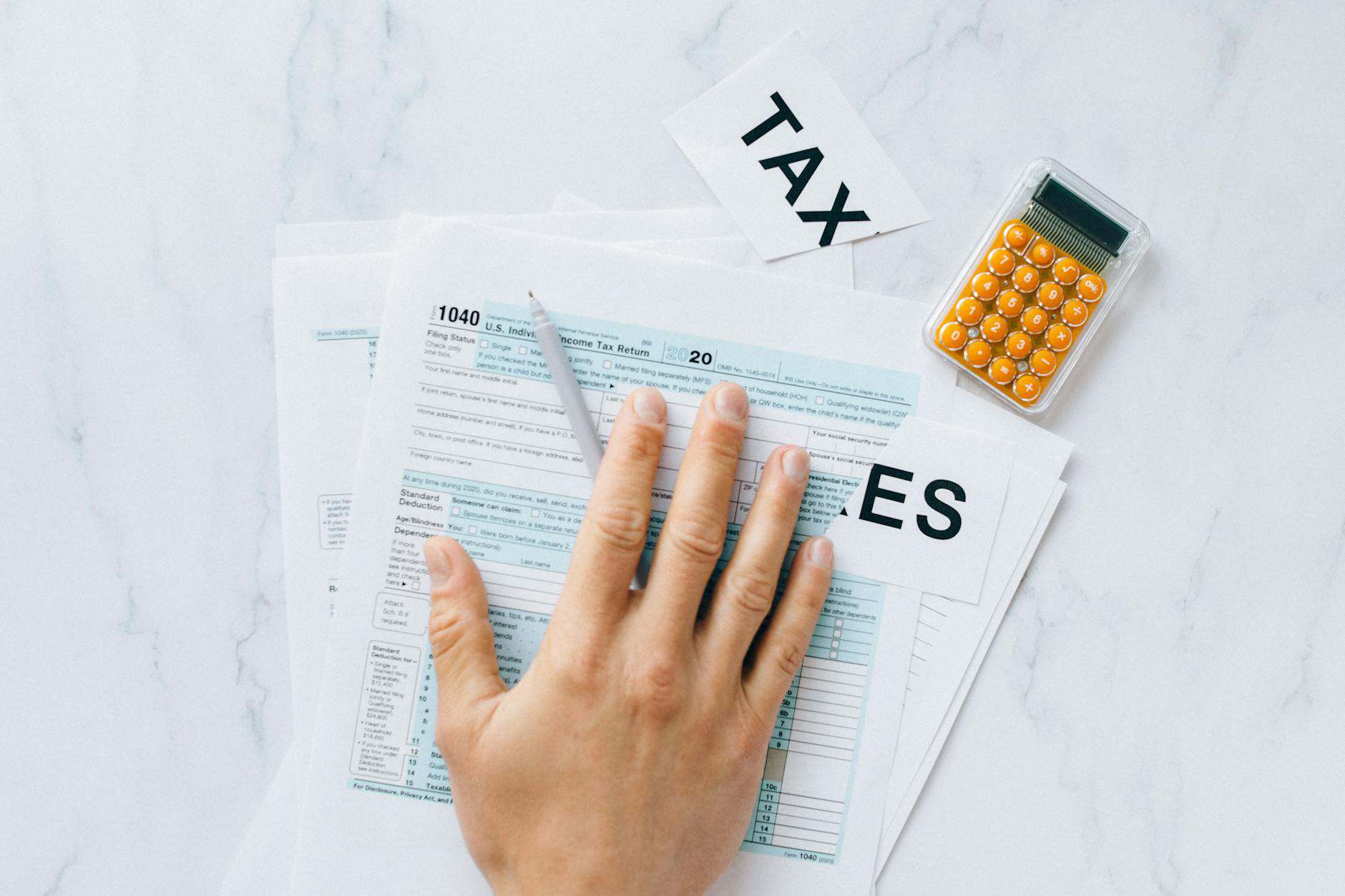
This is the section that most buyers wish someone had explained clearly before they bought:
- The US taxes you on worldwide income regardless of where you live. You don’t escape US taxes by moving or buying abroad. You file US tax returns forever unless you renounce citizenship.
- Rental income from foreign property must be reported on your US taxes. You get a foreign tax credit for taxes paid locally, which usually prevents double taxation — but you’re still filing in both jurisdictions.
- FBAR and FATCA reporting requirements: If you have foreign bank accounts exceeding $10,000 at any point, you must file an FBAR. Foreign property held through a foreign entity may trigger FATCA reporting. These are compliance requirements with significant penalties for noncompliance.
- Capital gains on foreign property sale: When you sell your foreign property, any gain is taxable in the US. The Section 121 exclusion (the $250,000/$500,000 exclusion for primary residence gains) can apply to foreign property if it was your primary residence, but the rules are complex and require professional analysis.
- Hire a US CPA with international experience before you buy, not after. This is the single most important advice in this section. The intersection of US tax law and foreign property ownership is genuinely complex, and the surprises are expensive.
What Actually Makes This Work (The Profiles That Succeed)

The Americans who buy abroad and genuinely have good experiences tend to share characteristics:
- They spent significant time in the country (6+ months) before buying, in rental accommodations, getting to know the real day-to-day experience.
- They hired their own independent attorney, not the seller’s or agent’s lawyer.
- They had a professional manage renovations locally, or were willing to be there in person for the work.
- They had cash or near-cash positions and weren’t leveraged to a specific timeline.
- They had realistic income models — either retirement income independent of the property, remote work income, or rental income that was stress-tested at 60% occupancy rather than the optimistic 80%.
- They were solving a genuine lifestyle goal (be in this place, slow down, have a home base in Europe) rather than treating it as a financial investment that needed to outperform alternatives.
The Honest Accounting: Do They Regret It?

Based on the available accounts — expat forums, documented blog series, and Reddit communities like r/expats and r/IWantOut:
The majority of Americans who bought abroad and stayed do not regret the purchase. The lifestyle benefits — cost of living, quality of daily life, proximity to other countries for travel, a slower pace — frequently outweigh the financial complexity.
The regrets come in specific forms:
- Buyers who did insufficient due diligence on the property and discovered structural or title issues after closing.
- Buyers who overestimated rental income and found themselves financially stretched.
- Buyers who purchased before testing the destination long-term and discovered they didn’t actually want to live there full-time.
- Buyers who didn’t account for the emotional complexity of being far from family during health crises, family emergencies, or simply the moments when proximity to the people you love matters more than the view.
The dream is real. The complexity is also real. The people who navigate both successfully are the ones who took both seriously.