Hotels Are Turning Sleep Into a Travel Product—The Science Supports More Than a Gimmick, but Less Than the Marketing Claims
We may earn money or products from the companies mentioned in this post. This means if you click on the link and purchase the item, I will receive a small commission at no extra cost to you ... you're just helping re-supply our family's travel fund.
A growing number of hotels and resorts have introduced dedicated sleep-focused programs over the past several years, ranging from specialized mattress and pillow menus to on-site sleep consultants and wearable sleep-tracking devices loaned to guests, a trend industry analysts have labeled sleep tourism and that has grown fast enough to become a legitimate standalone booking category rather than simply a wellness marketing gimmick layered onto existing spa offerings.
The trend reflects broader, well-documented public health data showing widespread sleep deprivation across the general population, with a significant share of American adults consistently failing to get the recommended seven to nine hours of nightly sleep according to national health surveys, a deficit hotels have identified as a genuine unmet need they can address as part of a stay rather than an unrelated personal health issue guests manage entirely on their own.
What Sleep Tourism Programs Actually Include
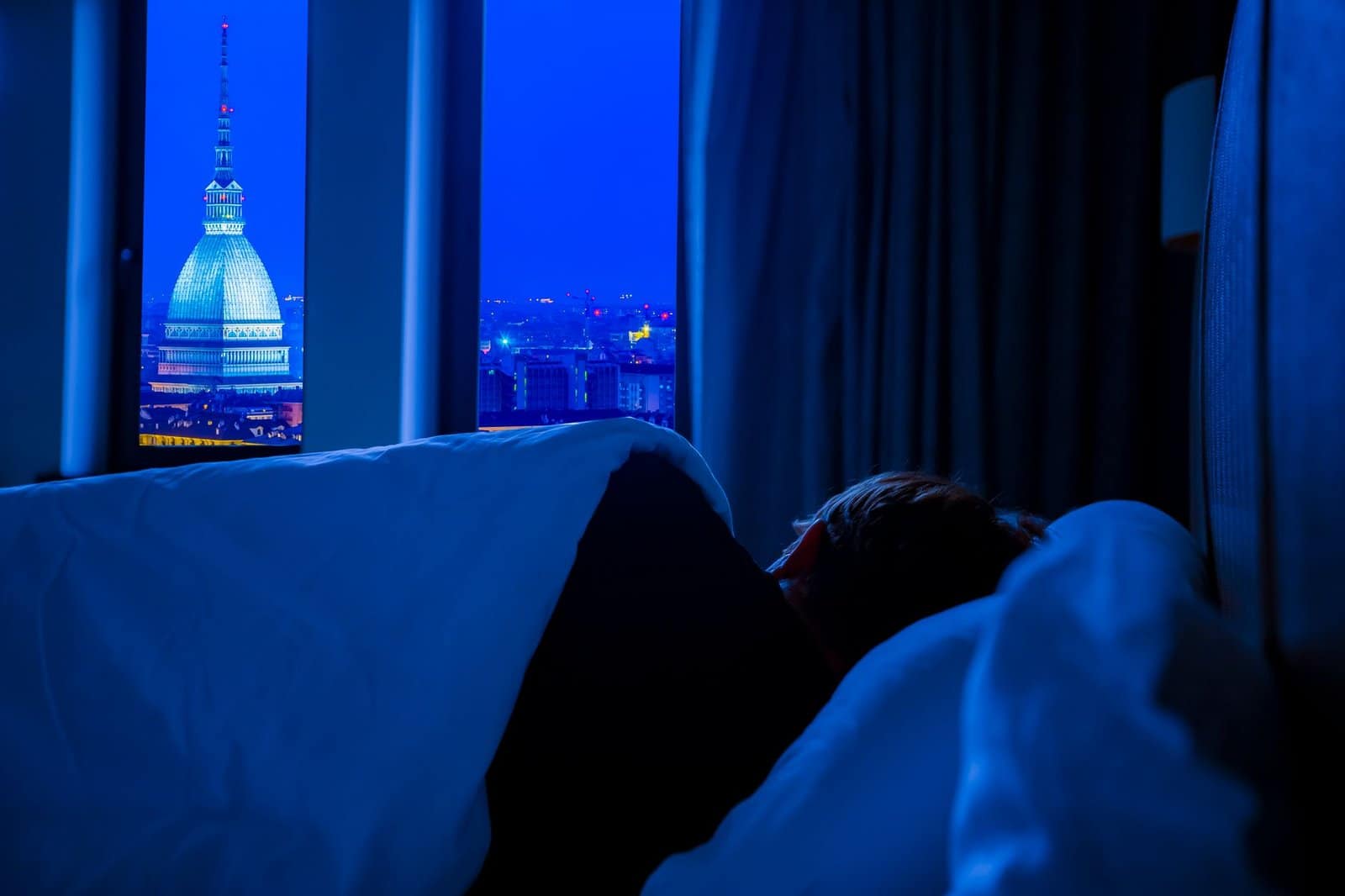
Programs vary considerably by property but commonly include a menu of pillow firmness and mattress options guests can select before arrival, blackout curtain and white noise machine setups as standard room features, and in higher-end programs, an actual consultation with a sleep specialist who reviews a guest’s sleep history and recommends a personalized approach for the duration of their stay.
Some resorts have gone further, building entire wellness retreat itineraries around sleep specifically, combining circadian-rhythm-focused meal timing, guided evening wind-down activities, and morning light exposure routines designed around published sleep science research rather than the more generic relaxation programming that defined spa and wellness tourism a decade earlier.
The Legitimate Science Behind the Marketing
Sleep researchers have consistently found that environmental factors, ambient light, noise, temperature, and mattress firmness all measurably affect sleep quality, giving hotels a genuine scientific basis for programs that optimize these specific variables rather than relying purely on vague wellness branding disconnected from actual sleep research.
Circadian rhythm research in particular has informed some of the more sophisticated hotel sleep programs, which now incorporate specific light exposure timing recommendations, bright light in the morning, dim warm light in the evening, that mirror guidance sleep researchers have published in peer-reviewed studies over the past two decades of circadian science research.
Why This Trend Emerged When It Did
Widespread adoption of consumer sleep-tracking wearables over the past decade has made ordinary travelers dramatically more aware of their own sleep quality data than any previous generation, creating consumer demand for travel experiences that specifically address a health metric people can now literally measure and track night by night rather than relying on subjective impressions alone.
The broader wellness travel category has grown substantially as a share of overall travel spending in recent years, and hotels have looked for increasingly specific, differentiated wellness niches to stand out within an increasingly crowded wellness tourism marketplace, making sleep a logical next frontier after fitness, nutrition, and mental health retreats had already become comparatively saturated categories.
Whether the Premium Price Tag Is Actually Worth It
Sleep-focused hotel packages typically command a meaningful premium over standard room rates, and independent sleep researchers have offered mixed views on whether the specific combination of amenities offered actually produces measurably better sleep compared to simply booking a quiet, dark, comfortable standard room without any of the specialized branding or consultation add-ons.
The most defensible version of the trend, researchers generally agree, involves genuinely evidence-based interventions like optimized light exposure and personalized mattress selection, while the least defensible versions amount to standard hotel amenities repackaged with wellness branding and a higher price tag attached, a distinction travelers considering one of these programs may want to investigate carefully before booking.
How This Trend Fits Into the Broader History of Hotel Amenities
Hotels have a long history of chasing sequential amenity trends as competitive differentiators, from in-room minibars to spa services to fitness centers, and sleep tourism represents simply the latest iteration of this pattern applied to an area of guest wellbeing that had previously been treated as entirely outside a hotel’s responsibility or control.
Whether sleep tourism proves to be a lasting category or simply another passing wellness trend will likely depend on whether hotels can demonstrate measurable guest outcomes over time, something the current wave of programs, still relatively new, has not yet had enough time to establish through independent, rigorous research.
How Business Travelers Have Adopted a Different Version of the Trend
Business travelers managing frequent time zone changes have become an unexpected core audience for hotel sleep programs, seeking out properties offering jet lag recovery protocols and circadian-adjustment lighting specifically to maintain work performance during demanding multi-city trip itineraries, a use case somewhat removed from the leisure wellness framing most sleep tourism marketing emphasizes.
Corporate travel policies at a growing number of companies have begun explicitly covering premium sleep-focused hotel bookings for executives on long-haul international trips, treating jet lag mitigation as a legitimate productivity investment rather than simply a personal comfort preference, a shift that has expanded the addressable market for these programs well beyond leisure travelers alone without most guests realizing it.
Independent hospitality researchers expect the category to eventually settle into a smaller, more clearly evidence-based niche once the initial marketing-driven expansion phase matures, similar to how broader wellness tourism eventually separated genuinely effective offerings from purely cosmetic ones over the past decade.
For now, the category continues to expand rapidly enough that most major hotel chains have introduced at least some version of a sleep-focused offering, suggesting the underlying consumer demand, whatever its ultimate scientific merit, remains genuinely strong.
Whether that demand ultimately reflects lasting behavioral change or simply the latest wellness trend cycle remains an open question the hospitality industry itself appears genuinely uncertain about even as it continues investing in the category.
That uncertainty has not slowed the pace of new program launches, suggesting hotels view the category as worth the investment regardless of how the longer-term research eventually shakes out.