Savannah and Charleston Are 107 Miles Apart and Taste Nothing Alike. Here’s the Food Difference Nobody Explains
We may earn money or products from the companies mentioned in this post. This means if you click on the link and purchase the item, I will receive a small commission at no extra cost to you ... you're just helping re-supply our family's travel fund.
Savannah, Georgia, and Charleston, South Carolina cannot be understood from a highlight reel or a single price on a booking page. Savannah and Charleston are about 107 road miles apart; Charleston is tied to Lowcountry dining; Savannah reflects coastal Georgia and port history. coastal Southern food economies The compelling part of a visit is the tension between the image people bring with them and the practical systems that make the place function: housing, labor, weather, roads, water, institutions, and the seasonal calendar. That tension is not a reason to stay away. It is a reason to look with more care.
The number behind the destination
The number in this headline is a useful starting point because it gives the story scale. In Savannah, Georgia, and Charleston, South Carolina, a distance, population, elevation, permit limit, rate, or historical date shapes real decisions. It affects who can make a living, when a room is available, which service stays open, and what a visitor can accomplish without turning the trip into a frantic sequence of transactions. Numbers do not replace experience, but they prevent a destination from becoming a vague mood board.
That is why coastal southern food economies should be approached as an operating reality, not a simplistic claim. A visitor can appreciate a beautiful street, an unusual meal, or a famous landscape while also recognizing the constraints around it. The point is not to perform guilt or to make travel feel joyless. It is to understand what the ticket, rental, meal, and itinerary are actually connected to. Better context usually produces better choices and a more accurate memory of the place.
Plan for the conditions that shape the trip
Timing comes first. Peak demand, ordinary weekday life, and the shoulder periods can be dramatically different in Savannah, Georgia, and Charleston, South Carolina. Check official hours, weather conditions, road or ferry status, and reservation rules before building the day around an assumption. Then put a buffer in the plan. A delay, a sold-out tour, or a change in wind is not evidence that a trip failed; it is information about the conditions locals and workers navigate continuously. A flexible schedule keeps one problem from consuming the entire visit.
Budgeting works best when it is concrete. Separate fixed costs—transport, lodging, required permits, and parking—from variable costs such as food, activities, and local rides. Compare an apparently cheap room with its distance from the places you will actually use. Compare an expensive central stay with the time it saves. In a destination like Savannah, Georgia, and Charleston, South Carolina, the honest total often includes a cost that is not visible in a search result: a long drive, scarce employee time, limited inventory, or the need to book well in advance.
Use public space as part of the reporting. Walk a residential block, take a trail that residents use, visit a library, sit near a grocery store, or ride local transit where it exists. Notice what is open before lunch and what remains active after visitors drift away. That pattern tells more about a community than a single famous block. It also helps distinguish a stable local institution from an experience designed entirely for passing traffic. Neither is automatically bad; they simply serve different functions.
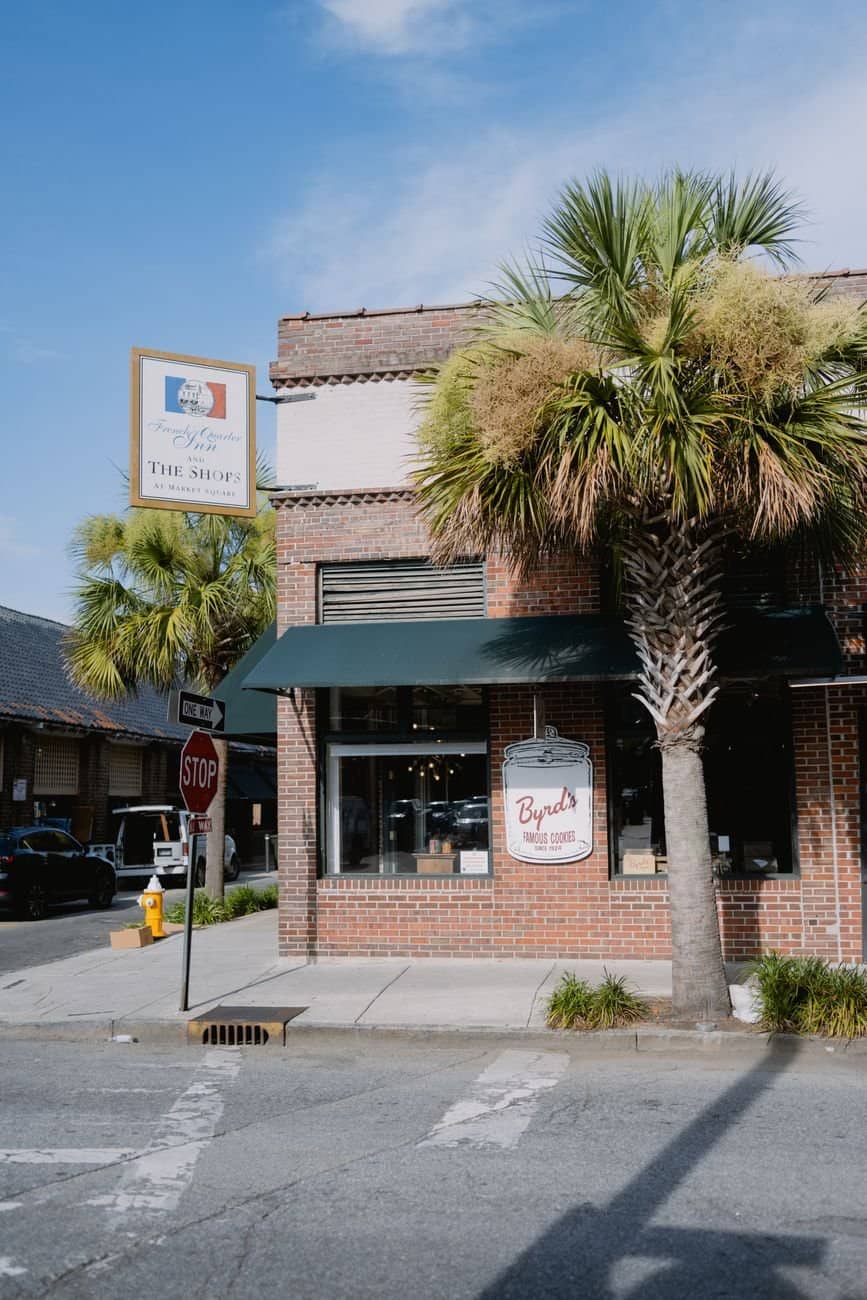
Food can be read the same way. Choose at least one meal that has a clear relationship to the area, whether that means a working lunch counter, a producer-connected restaurant, a neighborhood bakery, a dockside market, or a long-running family operation. Price alone is a poor quality test. Look for a returning local audience, a menu that understands its ingredients, and service that does not ask workers to perform a fantasy of the region. Those details are usually more revealing than a viral reservation.
- Confirm seasonal hours, access rules, and cancellation terms before paying a nonrefundable deposit.
- Build transport, lodging, meals, and a delay cushion into one all-in budget.
- Give one locally rooted activity enough time to be more than a transaction.
- Use public spaces and ordinary streets to see the destination beyond its visitor corridor.
What the visit can reveal
The itinerary should have one major commitment and one open block each day. The commitment might be a timed entry, a hike with a weather window, a historic tour, or a meal that needs booking. The open block is where the trip becomes less standardized: a river walk, a used bookstore, a neighborhood conversation, a detour to an overlook, or an hour sitting with a drink. This structure is especially helpful in Savannah, Georgia, and Charleston, South Carolina, where forcing every activity into a narrow window can erase the very character you came to see.
The larger lesson of coastal southern food economies is that the most satisfying trips do not demand a perfect version of a place. They make room for its contradictions. A destination can be expensive and still hospitable, crowded and still worth the effort, familiar and still surprising. It can also be under real strain. Holding both truths leads to more responsible spending, better timing, and a more interesting account afterward. That is more durable than chasing a claim that disappears the moment the season changes.
Leave with an ordinary observation, not just a dramatic photo. Remember where people buy groceries, how far workers commute, what weather rearranges, which institutions endure, and where the visitor economy gives way to regular life. Those details make a travel story useful to someone planning a trip and respectful to someone who lives there. Savannah, Georgia, and Charleston, South Carolina is not a backdrop; it is a living set of choices and constraints. The best visit notices both the attraction and the structure supporting it.
If you decide to go, spend deliberately: reserve what genuinely needs a reservation, show up on time, learn the local rules, and support more than one part of the community. Do not expect every destination to provide the same level of convenience. Travel becomes richer when the plan accepts the actual scale of Savannah, Georgia, and Charleston, South Carolina. The result is not a lesser vacation. It is one with a clearer sense of where the money goes, why the landscape looks the way it does, and what remains after the visitor leaves.