9 National Parks Now Require Timed Reservations Just to Drive In. Here’s Which Ones and How to Get a Spot
We may earn money or products from the companies mentioned in this post. This means if you click on the link and purchase the item, I will receive a small commission at no extra cost to you ... you're just helping re-supply our family's travel fund.
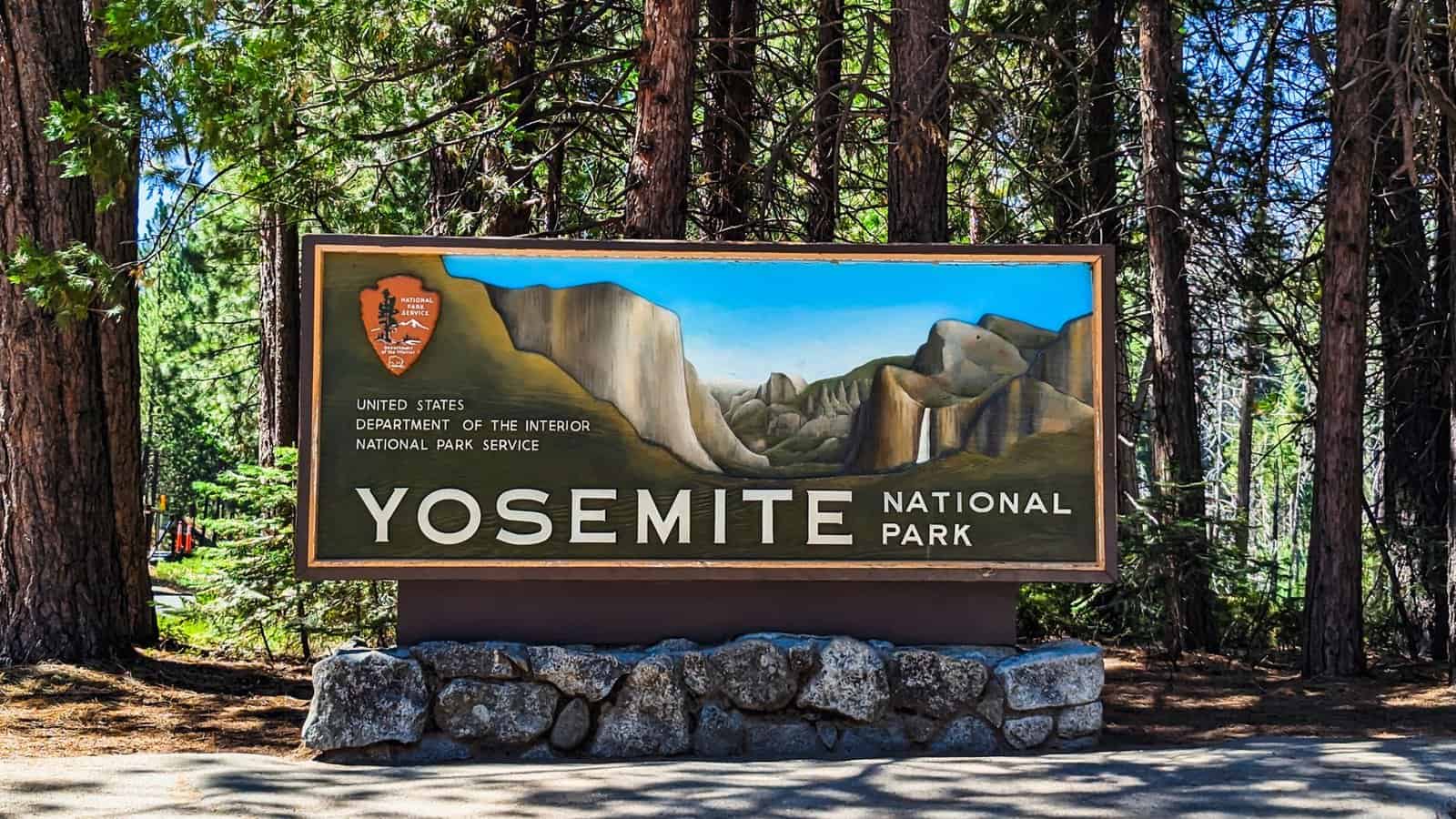
Parks including Yosemite, Zion, Arches, Glacier, and Rocky Mountain have all implemented some form of timed-entry or vehicle reservation system over the past several years, a direct response to visitor numbers that have grown far faster than the National Park Service’s road, parking, and trail infrastructure, much of it built decades ago for a fraction of today’s visitor volume, could reasonably absorb without severe congestion.
The shift represents a fundamental change in how Americans access some of the country’s most iconic public land, moving from a first-come, first-served model that had defined national park access for over a century to a system requiring advance digital planning that has itself become a source of frustration and inequity concerns among visitors less comfortable navigating competitive online reservation systems.
Why Visitor Numbers Outgrew What These Parks Were Built to Handle
Total national park visitation has grown substantially over the past two decades, a trend accelerated further by a pandemic-era surge in domestic outdoor recreation that never fully receded even as international travel resumed, leaving parks with permanently elevated baseline visitor numbers well beyond pre-pandemic projections that originally shaped existing infrastructure investment plans.
Roads, parking lots, and shuttle systems in many of the most popular parks were designed decades ago based on visitor projections that have since been dramatically exceeded, meaning even parks that have invested in additional infrastructure have struggled to keep pace with demand growth that has consistently outrun even optimistic planning assumptions.
How the Reservation Systems Actually Work in Practice
Most timed-entry systems require visitors to book a specific arrival window online in advance, often months ahead of a planned visit during peak season, with a limited number of slots released and typically selling out within minutes for the most popular parks and dates, creating a competitive booking experience that has become its own point of visitor frustration.
Several parks have introduced a rolling release system, making a portion of slots available closer to the actual visit date specifically to accommodate more spontaneous travelers, though even these last-minute releases often disappear quickly during peak summer weeks, leaving genuinely spontaneous park visits considerably harder to pull off than they were a decade ago.
The Equity Concerns the New Systems Have Raised
Advocacy groups focused on outdoor access equity have raised concerns that reservation systems requiring reliable internet access, comfort with competitive online booking, and the ability to plan months in advance disadvantage visitors with less flexible schedules, less reliable technology access, or less familiarity with navigating these increasingly complex booking platforms.
The National Park Service has experimented with setting aside a portion of reservations specifically for visitors booking within a shorter window before their visit, an attempt to balance the crowding-control benefits of advance reservations against the accessibility concerns raised by requiring long lead times for entry into what remain, at least in principle, public lands meant to be broadly accessible.
What This Means for Planning a National Park Trip Today
Serious park visitors now treat reservation release dates as a firm calendar commitment, often setting reminders months in advance for the exact moment a park’s booking window opens, a level of advance planning that would have seemed unnecessary for a national park visit even ten years ago.
Visitors willing to travel during shoulder seasons or visit less famous parks entirely have found meaningfully more flexibility and lower crowding, a pattern that has started to redistribute visitor traffic toward previously overlooked parks as travelers adapt to the new reservation reality at the system’s most popular destinations.
- Yosemite, Zion, Arches, Glacier, and Rocky Mountain all now use some form of timed entry
- Reservation slots for peak dates often sell out within minutes of release
- Equity concerns raised over reliance on competitive online booking systems
- Shoulder-season and lesser-known park visits offering more flexibility as a workaround
How Gateway Towns Have Adapted to the New System
Towns just outside reservation-required parks, including Springdale near Zion and the communities surrounding Yosemite’s western entrances, have had to adjust their own business models around the new reservation reality, since visitors who fail to secure a park entry slot often still arrive in the gateway town looking for alternative activities, creating demand for expanded non-park attractions and services in these small communities.
Some gateway towns have started offering their own shuttle and tour packages specifically designed for visitors without park reservations, an entirely new micro-industry that has emerged directly in response to the reservation systems’ side effect of stranding a meaningful number of would-be park visitors just outside the boundary on any given peak day.
Whether the Reservation Systems Are Actually Reducing Environmental Impact
Beyond simply reducing traffic congestion, park officials have cited reservation systems as a tool for protecting fragile trail and wilderness areas from the cumulative damage of unlimited visitor volume, pointing to reduced trail erosion and vegetation damage in the areas where entry caps have been in place longest as early evidence the approach is working as intended.
Environmental researchers studying these effects caution that more longitudinal data is still needed to fully confirm the ecological benefits, since visitor numbers at many of these parks remain historically high even with caps in place, meaning the caps may be preventing further degradation without necessarily reversing damage that already occurred during the uncapped years of peak crowding.
Park scientists continue monitoring trail conditions and wildlife disturbance patterns at capped parks to build the longer-term dataset needed to fully evaluate whether reservation systems are delivering the conservation benefits officials originally hoped they would achieve.
In the meantime, park superintendents have generally described the reservation systems as a necessary, if imperfect, tool for managing a level of visitor demand that current infrastructure simply was never built to accommodate without some form of active management.