Virginia Beach Has More Active-Duty Military Than Any Beach Town on the East Coast. Here’s What That Changes About the Experience
We may earn money or products from the companies mentioned in this post. This means if you click on the link and purchase the item, I will receive a small commission at no extra cost to you ... you're just helping re-supply our family's travel fund.
Virginia Beach sits adjacent to the largest concentration of active-duty military personnel in the world, anchored by Naval Air Station Oceana and Joint Expeditionary Base Little Creek-Fort Story, a defense presence that fundamentally distinguishes it from every other major East Coast beach destination, from Ocean City to Myrtle Beach, none of which carry anything close to comparable military employment density.
The Economy Underneath the Boardwalk
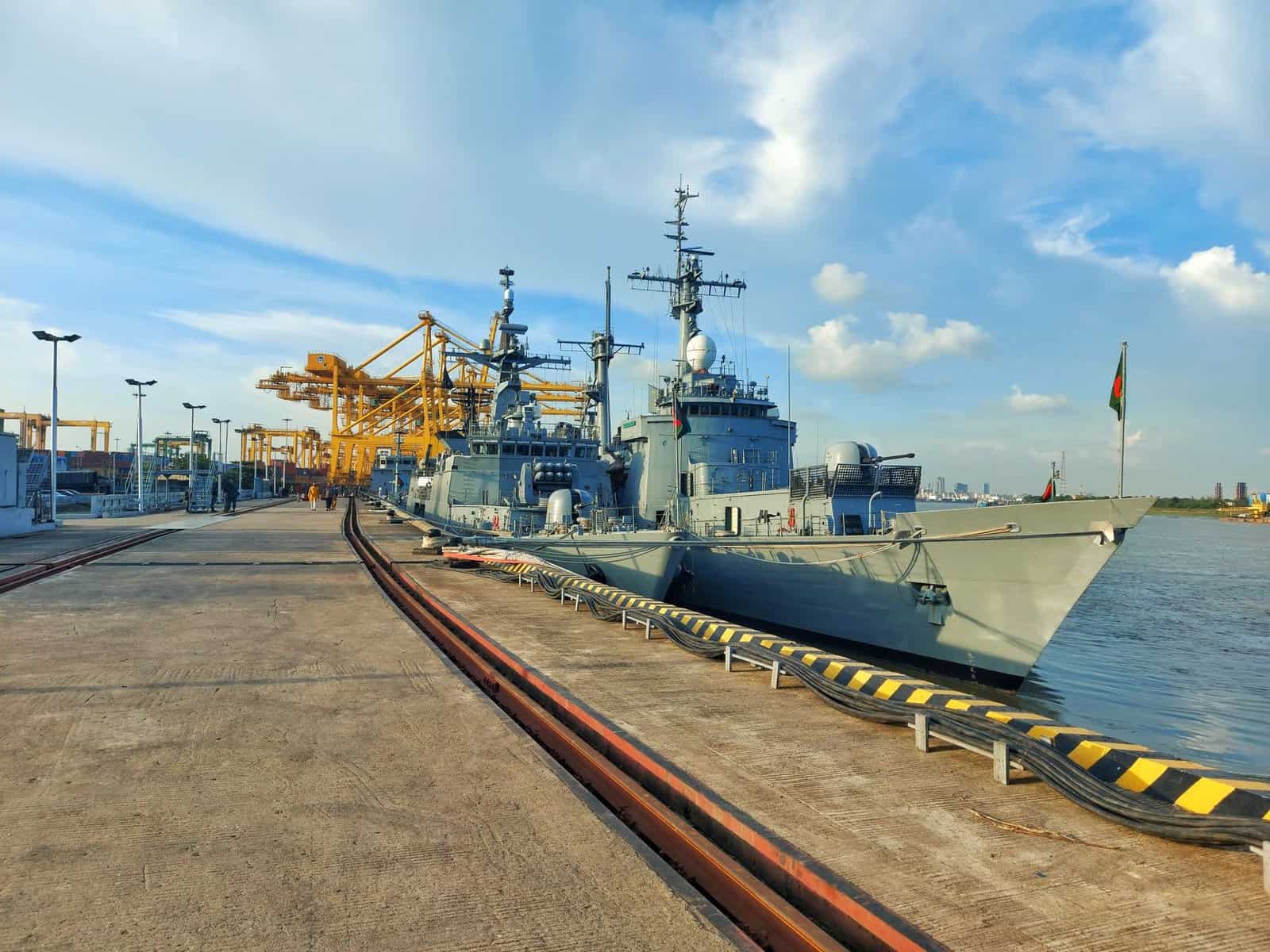
The Hampton Roads region, which includes Virginia Beach, Norfolk, and several smaller cities, hosts the largest naval base in the world at Naval Station Norfolk, along with NAS Oceana, home to the Navy’s East Coast fighter jet squadrons. This concentration of military infrastructure means Virginia Beach’s economy runs on a foundation entirely different from typical tourist beach towns: federal defense spending, military family housing demand, and a massive base of active-duty and veteran households provide year-round economic stability that purely tourism-dependent beach towns lack.
This military presence shows up in daily life in ways visitors rarely notice: F/A-18 fighter jets regularly fly training patterns directly over the city, a noise and safety consideration significant enough that the Navy and city government have negotiated specific Accident Potential Zone land-use restrictions limiting residential density in areas beneath the busiest flight paths, following a 1986 crash that killed several people in a nearby neighborhood.
How This Changes the City’s Character
- Virginia Beach’s population includes tens of thousands of active-duty military personnel and their families, giving it one of the youngest median ages among major East Coast cities
- The city’s school system and housing market are significantly shaped by military family turnover, with frequent moves creating demand for both rental housing and strong public schools accustomed to transient enrollment
- Unlike vacation-dependent beach towns, Virginia Beach maintains substantial year-round retail and service employment tied to the military population rather than purely seasonal tourism
- The city has developed one of the larger year-round populations of any East Coast beach destination, over 450,000 residents, compared to towns like Ocean City that shrink dramatically outside summer season
This gives Virginia Beach a genuinely different economic rhythm than seasonal beach towns: restaurants, retail, and services stay open and busy through the winter months serving the military and veteran population, even as the boardwalk itself quiets down considerably once summer tourist season ends.
The Tourism Economy That Exists Alongside the Military One
Virginia Beach still draws several million tourists annually to its three-mile oceanfront boardwalk, a tourism economy that operates largely independently of the military presence except for shared use of the region’s hotels, restaurants, and infrastructure. The city has invested significantly in convention and tourism infrastructure, including a major oceanfront convention center, to compete with more purely tourism-focused East Coast destinations despite its fundamentally different underlying economic base.
First Landing State Park, at the northern end of the beach, preserves a substantial stretch of maritime forest and dune ecosystem that gives Virginia Beach a more ecologically intact coastline than many heavily developed East Coast beach towns, a preservation outcome partly attributable to military land-use restrictions limiting development in certain coastal zones near base operations.
What Other Beach Towns Don’t Have to Deal With
Virginia Beach’s city council and planning processes have to account for military mission requirements in ways no other East Coast beach town does, from noise complaint management around Oceana’s flight operations to coordinating emergency response and evacuation planning that accounts for both civilian tourism populations and active military installations. This dual-use planning burden is unique enough that Virginia Beach officials have occasionally consulted with other military-adjacent coastal cities, including San Diego, about managing the specific tension between tourism development and military mission compatibility. The Navy’s continued investment in NAS Oceana, including periodic modernization of runway and support infrastructure, signals a long-term institutional commitment that gives Virginia Beach a degree of federal economic certainty that pure tourism towns can’t replicate, though it also means the city’s economic fortunes remain tied to national defense budget decisions made in Washington rather than purely local economic conditions. City planning documents specifically model future growth scenarios around continued military presence, treating base retention itself as a civic priority on par with tourism development in a way few other beach destinations formally do. Virginia Beach’s public school system has also developed specific programs and support structures for military-connected students, who transfer in and out of the district far more frequently than students in a typical American school system, a level of institutional adaptation to military family life that mirrors what’s found in other heavily military-dependent communities like communities surrounding Fort Bragg in North Carolina or Naval Base San Diego in California. Virginia Beach’s hotel and short-term rental industry has also adapted specifically to serve military-connected visitors, including temporary lodging for relocating families awaiting permanent housing, a niche but steady demand segment that gives local hospitality businesses a more predictable revenue base than pure vacation tourism would provide on its own. Virginia Beach’s status as a genuine year-round city, rather than a seasonal resort town, also shapes its restaurant and retail economy in ways visitors rarely notice, with far more locally owned, everyday businesses serving a permanent population than the tourist-facing chains and souvenir shops that dominate the commercial landscape of purely seasonal beach destinations. That everyday economic stability also means Virginia Beach weathers broader tourism industry downturns, including pandemic-related travel disruptions, considerably better than beach towns with no comparable non-tourism economic base to fall back on. It’s a structural advantage baked into the city’s economic foundation rather than anything achieved through tourism marketing or seasonal promotion. Few other East Coast beach towns can claim anything comparable, which is precisely what makes Virginia Beach’s economic model worth studying rather than simply visiting.
What makes Virginia Beach distinct, ultimately, isn’t just that it has a beach and a military base sitting near each other — it’s that the military presence is large enough, and economically significant enough, to function as the city’s actual primary economic engine, with tourism operating as a substantial but secondary layer built on top of a defense-driven foundation that most people associate exclusively with landlocked cities like Colorado Springs or San Antonio rather than an oceanfront resort town.