Iowa Has a “Private Lake Country” Most Outsiders Miss — Here’s What to Know Before Visiting the Great Lakes Region
We may earn money or products from the companies mentioned in this post. This means if you click on the link and purchase the item, I will receive a small commission at no extra cost to you ... you're just helping re-supply our family's travel fund.
The Iowa Great Lakes region in the state’s northwest corner, centered on West Okoboji Lake, East Okoboji Lake, and Spirit Lake, functions as Iowa’s version of lake country in the same way Michigan or Minnesota residents think of their own state’s lakes, yet it remains almost entirely unknown outside the Midwest, drawing a summer population that swells dramatically from a year-round base of just a few thousand residents in towns like Arnolds Park and Okoboji.
A Lake District Formed By Glaciers, Not Rivers
West Okoboji Lake is one of only three true “blue water” glacial lakes in the world, according to geological classifications cited by Iowa DNR materials, a designation based on its unusual depth, clarity, and spring-fed formation from the last glacial retreat roughly 14,000 years ago. That geological rarity gives the lake water clarity and depth — reaching more than 130 feet in places — that’s unusual for the otherwise flat, agricultural Iowa landscape surrounding it on all sides.
The lakes’ formation during glacial retreat left the surrounding terrain with the kind of moderate hills and mixed terrain uncommon elsewhere in Iowa’s famously flat topography, giving the region a distinct visual identity that has supported a tourism economy since the late 19th century, when the first rail line reached the area and early resort hotels began drawing visitors from across the Midwest.
What Iowans Actually Do There
- Arnolds Park Amusement Park, operating since 1889, is one of the oldest amusement parks in the country and remains the recreational anchor of the lake region
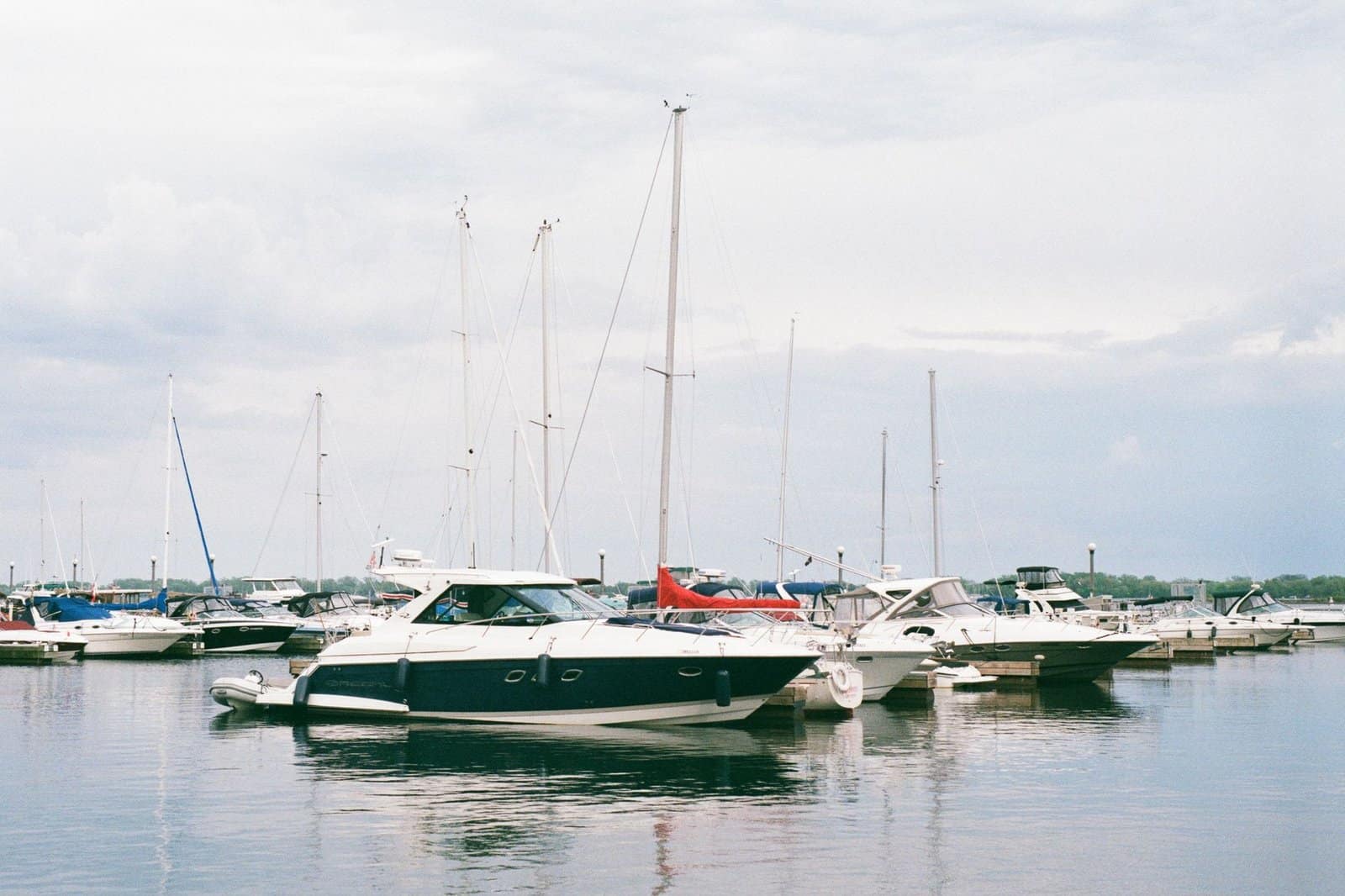
- The area supports a significant boating and water sports culture, with West Okoboji hosting sailing regattas and a substantial pontoon and ski boat population during summer months
- Summer cabin and lake home ownership is heavily concentrated among families from Des Moines, Omaha, Sioux City, and the broader Iowa-Nebraska-South Dakota region, functioning as a genuinely regional rather than nationally known lake destination
- The region’s year-round population multiplies several times over during peak summer weekends, straining local infrastructure in patterns similar to other seasonal lake economies nationally
Unlike more nationally recognized lake destinations, the Iowa Great Lakes region has almost no national marketing presence, relying instead on generational family tradition — families who have owned lake cabins for two, three, or more generations and simply keep returning rather than the area actively competing for new national tourist attention.
The Economics of a Regional-Only Destination
Lake property values around West Okoboji have risen substantially over the past two decades, tracking broader national lakefront property appreciation trends, but they remain considerably below comparable lake properties in more nationally known destinations like Michigan’s Traverse City region or Minnesota’s Brainerd Lakes area, precisely because demand stays concentrated among a narrower regional buyer pool rather than drawing national or coastal buyers who might otherwise bid prices up further.
This regional-only demand pattern has both protected the area from the kind of runaway price appreciation seen in nationally famous lake towns and limited the scale of hospitality and tourism infrastructure investment compared to destinations drawing broader geographic visitor bases. Local business owners have mixed feelings about this trade-off: steadier, more predictable regional demand against the larger revenue potential that national visibility might bring. The Iowa Great Lakes Corridor, as the local tourism association calls the broader lake district, has occasionally discussed expanding marketing efforts to reach visitors beyond its traditional three-state pull area, but longtime cabin-owning families have sometimes resisted these efforts, expressing concern that broader visibility could bring the same crowding and price pressure that has reshaped more nationally known lake destinations. That tension between wanting more tourism revenue and wanting to preserve the area’s low-key, multi-generational character remains unresolved and shows up regularly in local planning and tourism board discussions. Water quality monitoring on West Okoboji has also become a growing local priority, since the lake’s famous clarity depends on managing agricultural runoff from the surrounding farmland, and local conservation groups have worked with the Iowa DNR on watershed management specifically to preserve the geological rarity that gives the lake its blue-water designation in the first place, a preservation effort with direct economic stakes given how central the lake’s clarity is to the region’s entire tourism identity. The University of Okoboji, a long-running informal community education program rather than an accredited university, has become a beloved local institution offering summer classes on everything from local ecology to boat maintenance, another example of the region’s deeply rooted, low-key civic culture that has developed over generations of repeat family visitation rather than any top-down tourism development strategy. Winter around the Iowa Great Lakes looks almost entirely different from the crowded summer months, with the resident population dropping back to its small year-round base and the lakes themselves sometimes supporting ice fishing communities, a seasonal contrast nearly as dramatic as what happens in more famous four-season lake destinations further north in Minnesota and Wisconsin. Local historical societies have documented the lake region’s tourism history extensively, preserving records and photographs of the 19th-century resort hotels that first drew visitors, material that has become its own small niche of regional historical interest among longtime lake families. That same historical continuity, generation after generation returning to the same shoreline, is arguably the single feature that most distinguishes the Iowa Great Lakes from newer, more transactional vacation real estate markets elsewhere in the country.
Why It Stays Under the National Radar
The Iowa Great Lakes region’s obscurity outside the Midwest stems partly from simple geography — it sits far from any interstate highway corridor carrying significant coast-to-coast traffic, requiring a deliberate drive rather than a convenient stop along a route to somewhere else. Iowa’s broader tourism brand, dominated nationally by agricultural and small-town Americana imagery, also doesn’t naturally lead outside visitors to associate the state with lake recreation the way Minnesota’s “Land of 10,000 Lakes” branding does.
What the region ultimately represents is a genuinely well-developed, multi-generational lake tourism economy that has simply never needed or sought national attention to sustain itself, running instead on a deep, loyal regional visitor base that has kept the Iowa Great Lakes financially healthy for more than a century without ever becoming a household name outside a few Midwestern states.