Why the Same 5 U.S. Airports Keep Landing on Worst-Airport Lists — It’s Usually Not the Problem Passengers Think
We may earn money or products from the companies mentioned in this post. This means if you click on the link and purchase the item, I will receive a small commission at no extra cost to you ... you're just helping re-supply our family's travel fund.
Airport ranking surveys conducted by groups tracking passenger satisfaction have shown a remarkably consistent pattern over the past decade, with a small handful of major U.S. airports, frequently including Newark Liberty, LaGuardia, and Chicago’s O’Hare, appearing near the bottom of rankings year after year despite each undergoing significant, well-publicized renovation projects over that same period.
The persistence of these low rankings despite genuine capital investment reveals that passenger dissatisfaction at these specific airports tends to stem less from outdated physical infrastructure and more from structural issues, airspace congestion, runway configuration limits, and surrounding ground transportation bottlenecks, that a terminal renovation alone cannot solve.
Why Physical Renovations Haven’t Fixed the Underlying Problem
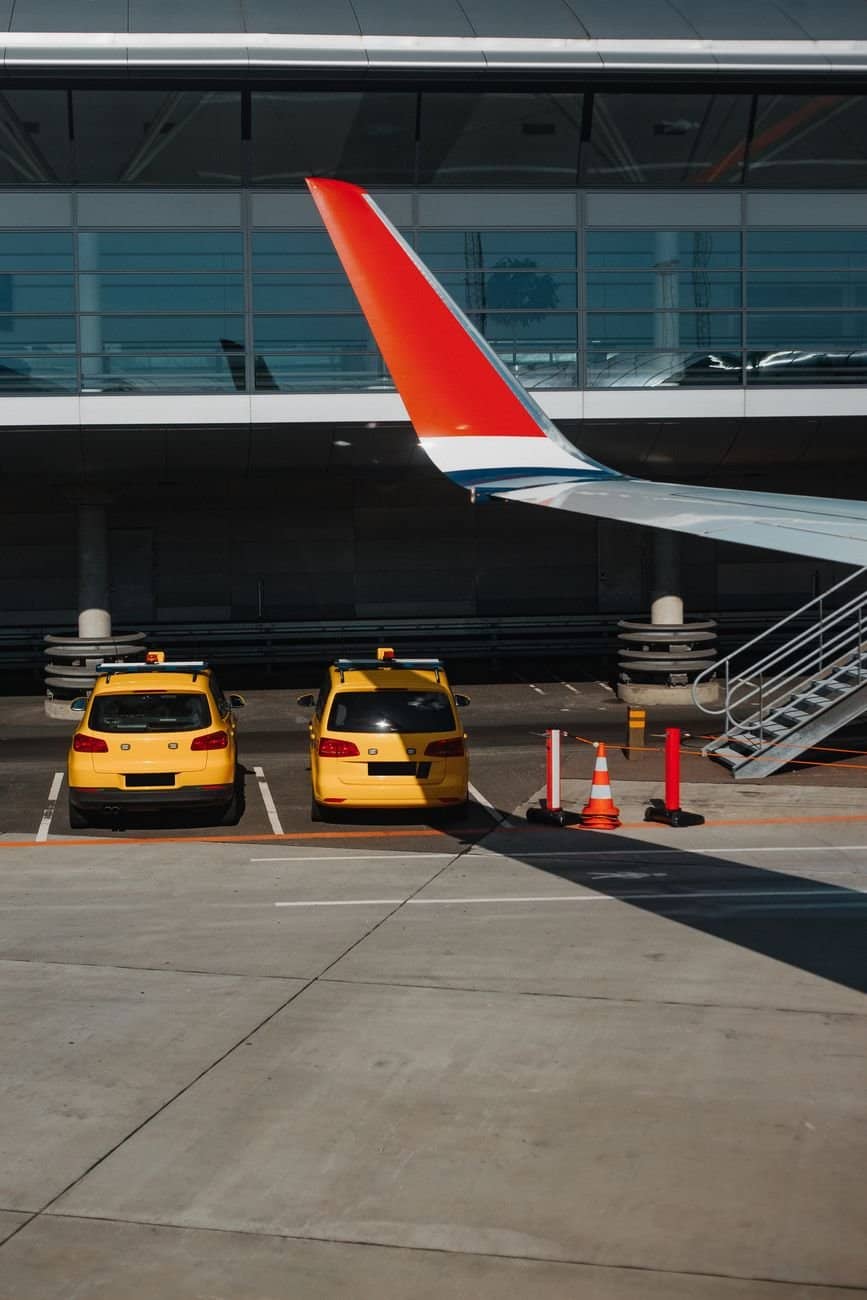
LaGuardia Airport completed a massive, multi-billion dollar terminal replacement project in the years leading up to 2022, widely praised for its modern design and improved amenities, yet the airport continued to rank poorly in subsequent passenger satisfaction surveys, a result that surprised industry observers who had assumed outdated terminal infrastructure was the airport’s primary problem all along.
The explanation researchers and aviation analysts point to is that LaGuardia’s chronic delays stem overwhelmingly from runway configuration and surrounding airspace congestion around New York City, constraints that no amount of terminal renovation can address, since the fundamental limit on how many planes can take off and land per hour has nothing to do with how nice the gate areas look.
How Airspace Congestion Actually Works
Major metro areas with multiple busy airports operating in close proximity, New York’s three major airports, for instance, or the cluster of airports around Los Angeles, create shared airspace constraints that force air traffic control to sequence arrivals and departures across all nearby airports simultaneously, meaning congestion at one airport can cascade into delays at others even when the second airport’s own operations are running smoothly.
This dynamic explains why the same weather event, a routine summer thunderstorm, for example, can trigger disproportionately severe delays at New York-area airports compared to airports in less congested regions experiencing identical weather, since the margin for absorbing any disruption is dramatically thinner when airspace is already operating near its practical capacity limit most of the time.
The Ground Transportation Problem Rankings Rarely Separate Out
Passenger satisfaction surveys often blend frustration with the actual flying experience together with frustration over ground transportation access, and airports like LaGuardia and Newark have historically scored poorly on ground access specifically due to a lack of direct rail connections comparable to what airports in cities like Washington D.C. or Atlanta offer their passengers.
Newark’s AirTrain connection to New Jersey Transit and Amtrak service has improved this specific issue somewhat in recent years, but persistent congestion on the surrounding highway network still leaves many passengers facing unpredictable ground travel times that can undermine an otherwise smooth flying experience through the airport itself.
What Airports Have Actually Managed to Improve Their Standing
Airports that have successfully climbed satisfaction rankings in recent years, including several mid-size hubs that invested specifically in security wait time reduction and expanded direct rail access, illustrate that the improvements passengers notice most are often the practical, time-related friction points rather than aesthetic terminal upgrades.
Aviation industry analysts increasingly argue that meaningful airport improvement requires coordinated investment across air traffic control infrastructure, runway capacity, and regional ground transportation simultaneously, a coordination problem that individual airport authorities often cannot solve alone since it requires cooperation from federal aviation agencies and regional transit authorities operating under entirely separate budgets and political mandates.
What International Comparisons Reveal About U.S. Airports Generally
U.S. airports as a group tend to rank below leading international hubs in Asia and the Middle East on passenger satisfaction surveys, a gap analysts attribute partly to substantially higher per-passenger capital investment in newer international airports built within the past two decades compared to aging U.S. infrastructure originally constructed in the mid-twentieth century.
Some U.S. airports have begun closing this gap through major reinvestment projects, though the fragmented funding structure of American aviation infrastructure, split across federal grants, airport authority bonds, and airline-specific investment, has generally made large-scale modernization slower than in countries where national governments fund airport development more directly and centrally.
How Weather Vulnerability Compounds Existing Airport Problems
Airports already operating near capacity limits, like the major New York and Chicago hubs, show dramatically less resilience to weather disruptions than less congested airports, since there is little schedule slack available to absorb delays without cascading effects rippling across the rest of the day’s flight schedule, a vulnerability that has grown more consequential as extreme weather events have become more frequent in recent years.
Airlines have responded by building more schedule buffer time into routes serving the most congested airports, a practical adaptation that has increased average flight times on paper even when actual flying time has not changed, an adjustment most passengers never notice but that reflects the airlines’ own acknowledgment of how unreliable these specific airports have become.
Passengers flying through the most congested hub airports have increasingly learned to build extra connection time into their own itineraries voluntarily, a personal adaptation that mirrors the airlines’ own scheduling adjustments and reflects how normalized chronic delay risk has become at a specific handful of well-known problem airports.
Frequent flyers increasingly treat knowledge of which specific airports carry chronic delay risk as a practical trip-planning skill in its own right, factoring airport reliability into itinerary decisions the same way they might weigh flight price or schedule convenience.
Until systemic capacity and airspace issues are addressed at a policy level, most aviation analysts expect this same handful of airports to keep appearing near the bottom of passenger satisfaction rankings regardless of how much individual terminals get renovated in the years ahead.
That structural reality means passengers flying through these specific hubs should expect the current reliability gap to persist for years, regardless of any single airport’s own renovation timeline.