These 11 US Cities Had Their Peak in the 1970s. Here’s What Happened to the Ones That Fought Back
We may earn money or products from the companies mentioned in this post. This means if you click on the link and purchase the item, I will receive a small commission at no extra cost to you ... you're just helping re-supply our family's travel fund.
The industrial American city at its peak in 1970 was a specific kind of place: dense, economically focused on manufacturing, surrounded by working-class neighborhoods that had their own grocery stores, hardware stores, theaters, and bars. Over the next 20 years, deindustrialization closed the factories, the tax base evaporated, the neighborhoods emptied, and population dropped by 30–50 percent in cities that had been among the most important in America. Some of those cities are still declining. Others found something to replace what was lost. The difference is instructive.
What Determined Which Post-Industrial Cities Survived
Lowell, Massachusetts — The Anchor Institution Strategy
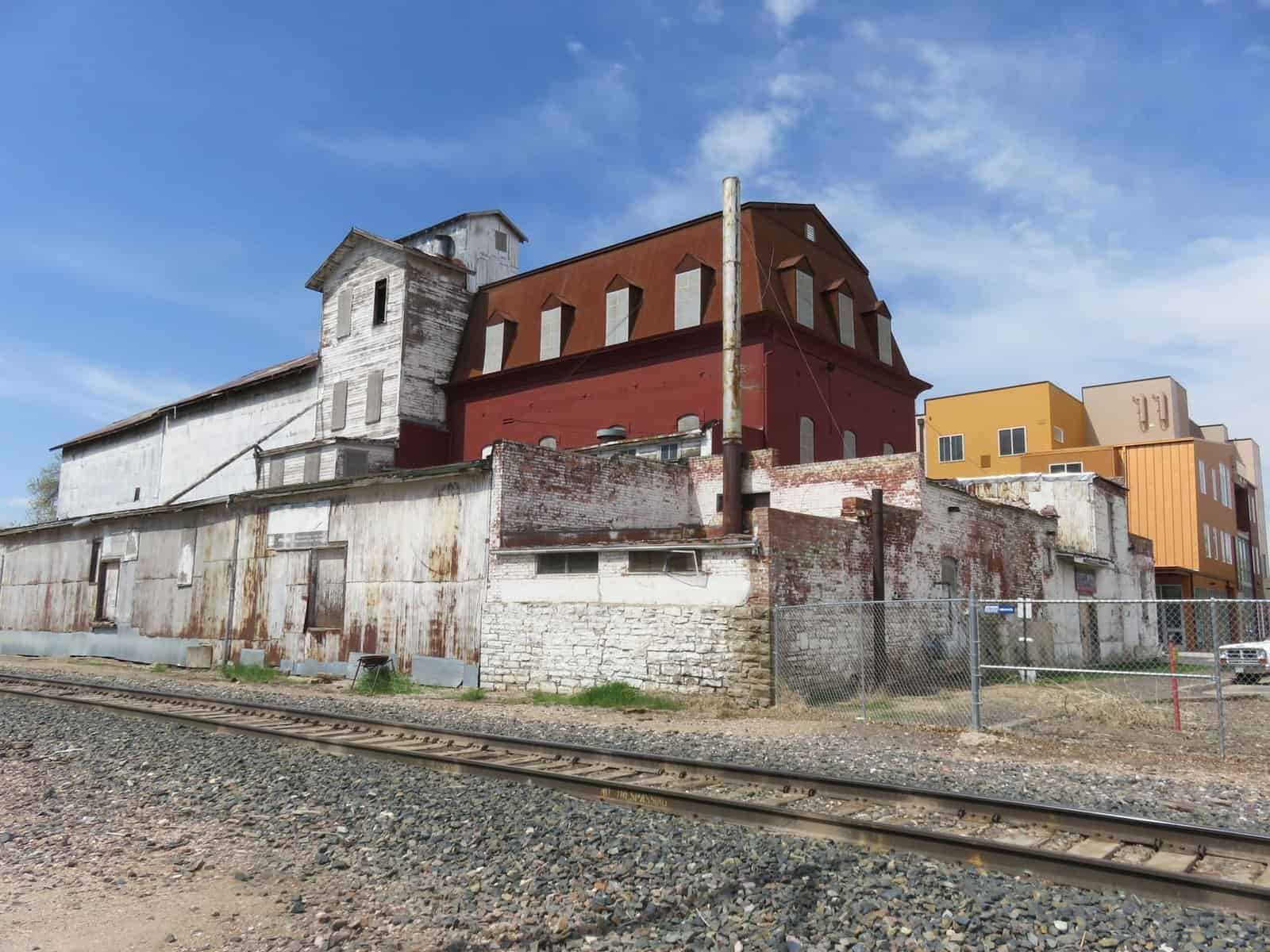
Lowell was the first planned industrial city in America — its textile mills powered by canals from the Merrimack River were an engineering marvel of the 1820s. When the mills closed in the 20th century, they left enormous empty brick buildings and a city with no economic identity. The revival came through two anchors: the University of Massachusetts Lowell (now a Tier 1 research university) and the Lowell National Historical Park, the first urban national historical park in the country, which brought both federal investment and a heritage tourism economy into the mill buildings. Lowell today has a diverse population, a functional downtown, and a genuine creative economy. It took 40 years and deliberate investment in institutions.
Pittsburgh — Reinvention Through Knowledge Economy
Pittsburgh’s story is the model that every declining industrial city is told to emulate. Carnegie Mellon University’s computer science program became a magnet for tech company investment. The medical system built around UPMC became the largest employer in western Pennsylvania. The physical transformation of the Monongahela and Allegheny riverfronts from industrial wastelands to parks and trails made the city livable for a new professional class. Pittsburgh lost 50 percent of its population from its 1950 peak and never got those people back — but the city that exists now, at 300,000 people, is economically more stable and physically more pleasant than the 700,000-person steel city ever was.
Youngstown, Ohio — The Managed Decline Model
Youngstown has tried something that no American city had officially attempted before: planned shrinkage. Rather than fighting depopulation, the Youngstown 2010 Plan acknowledged that the city of 170,000 it was would never again be the city of 170,000 it was — and planned for a smaller, more functional version. Vacant lots were converted to greenspace. Infrastructure was right-sized to the actual population rather than the peak population. The results have been mixed, but the intellectual honesty of the approach — and the Mahoning Valley’s growing arts scene emerging from the cheap real estate left behind — represents something genuinely worth watching.
The Cities That Found a Different Path
- Detroit: Partial comeback, anchor institutions (Wayne State, Henry Ford Health), but deep inequality between recovery areas and distressed neighborhoods persists
- Baltimore: Inner Harbor redevelopment masked continued population loss; Johns Hopkins has become the economy’s anchor
- Cleveland: University Circle district (Case Western, Cleveland Clinic, Cleveland Museum of Art) is one of the most successful institutional-anchor recovery models in the country
- Buffalo: Now growing for the first time in decades, driven by University at Buffalo, medical complex, and the same remote-work dynamic that drove growth in smaller cities
- Gary, Indiana: Has not found its anchor institution and remains one of the most distressed cities in the Midwest
The pattern across the cities that successfully navigated industrial decline is consistent: a major research university or hospital system provided employment stability, capital investment, and a pipeline of educated young people who stayed. Cities with those anchors rebuilt. Cities without them are still searching for a replacement for the economy they lost. For travelers, these cities offer something the polished tourist destinations rarely provide: the full story of what America made and what America became when that making moved elsewhere.