Between Galveston and Corpus Christi Sit a Dozen Texas Gulf Coast Towns With No Tourist Board and No Boardwalk.
We may earn money or products from the companies mentioned in this post. This means if you click on the link and purchase the item, I will receive a small commission at no extra cost to you ... you're just helping re-supply our family's travel fund.
The Texas Gulf Coast between Galveston and Corpus Christi stretches roughly 200 miles, and while both endpoints draw substantial tourism, the towns in between, Port Lavaca, Port O’Connor, Palacios, Rockport, and a handful of others, operate almost entirely outside any organized tourism marketing, running instead on commercial fishing, oil and gas support services, and a small but devoted following of anglers and bird-watchers who return year after year without needing a boardwalk, a chain hotel, or a tourist board to tell them where to go.
This stretch of coastline offers a version of the Gulf that has mostly disappeared from more developed Texas beach towns: working shrimp docks instead of souvenir shops, and a pace of life shaped by tides and fishing seasons rather than spring break calendars.
The Working Waterfront Economy

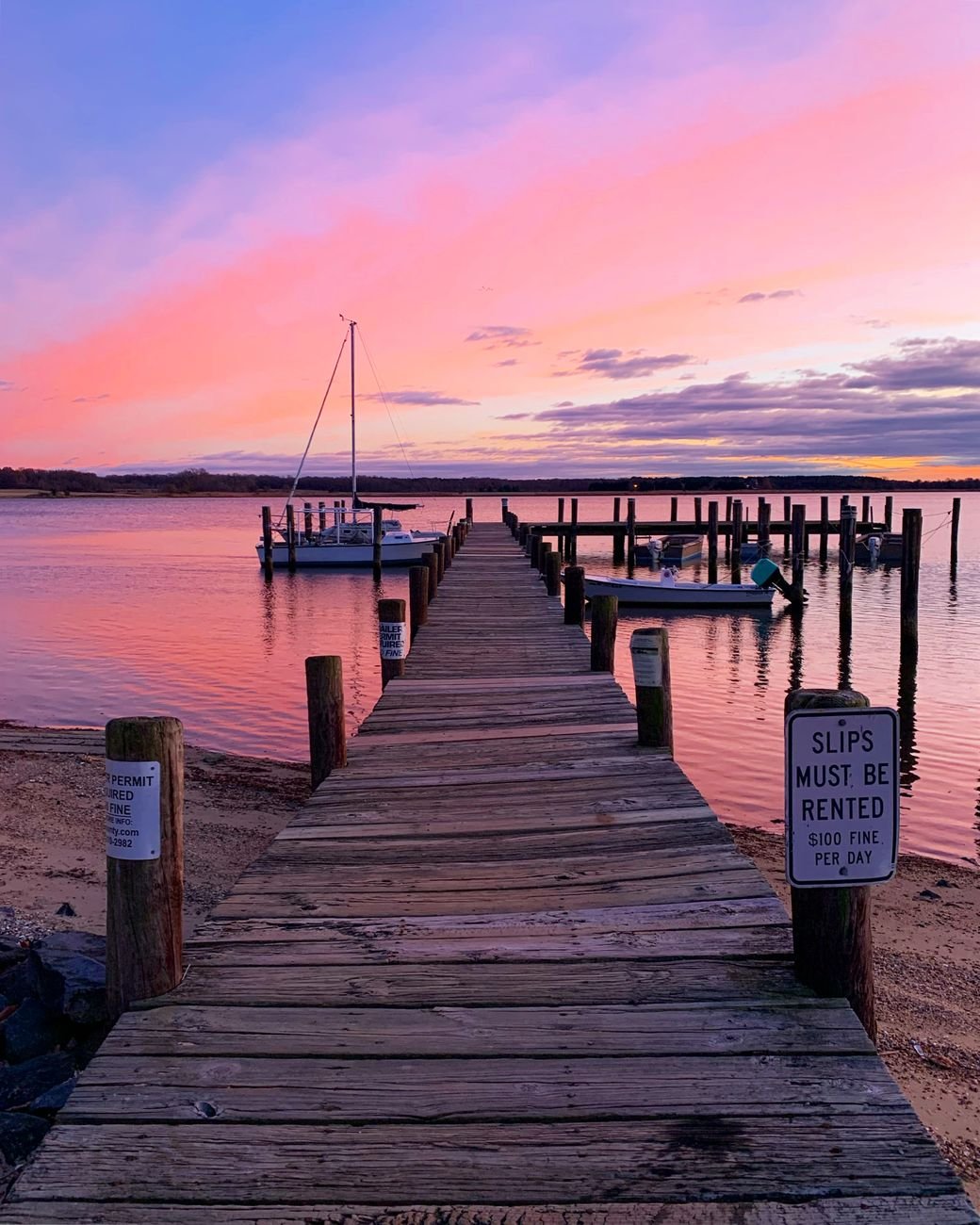
Palacios, sometimes called the Shrimp Capital of Texas, still operates a working shrimp fleet out of its harbor, and the town’s economy remains tied directly to Gulf shrimp and oyster harvests in a way that has largely disappeared from Galveston, where tourism displaced most commercial fishing infrastructure decades ago. Port O’Connor similarly functions primarily as a base for commercial and recreational fishing rather than general tourism, with the local economy built around bait shops, boat repair, and guide services rather than hotels and restaurants aimed at a broad vacation crowd.
These working waterfronts have persisted partly because the towns never developed the beach infrastructure, boardwalks, high-rise condos, amusement piers, that turns a coastal town into a mass tourism destination, leaving the commercial fishing economy as the dominant local industry by default rather than by any deliberate anti-tourism policy choice.
Oil and gas support services add a second economic layer throughout this stretch, with towns like Port Lavaca hosting petrochemical facilities and related employment that provides a more stable, if less scenic, economic base than tourism or fishing alone could sustain through the sector’s periodic downturns.
Rockport’s Birding Economy
Rockport has built a genuine, if modest, tourism niche around birding, particularly the whooping cranes that winter at the nearby Aransas National Wildlife Refuge, drawing a specialized visitor base of birders and nature photographers who return annually during the winter migration season, creating a tourism economy that looks nothing like the beach-vacation model dominant elsewhere on the Gulf Coast.
- Aransas National Wildlife Refuge hosts one of the largest wintering populations of endangered whooping cranes in the world
- Rockport’s harbor doubles as a working fishing port and a departure point for birding and dolphin-watching boat tours
- Hurricane Harvey caused catastrophic damage to Rockport in 2017, and portions of the town’s tourism infrastructure took years to rebuild
- The Connie Hagar Cottage Sanctuary in Rockport preserves habitat specifically for the migratory songbirds that draw birders each spring
Why Hurricanes Shape Everything Here More Than Elsewhere
This stretch of coast sits directly in the path of Gulf hurricanes with less protective barrier island coverage than Galveston or Corpus Christi enjoy, and towns like Port O’Connor and Palacios have suffered repeated, severe storm damage over the decades, a risk that has suppressed large-scale real estate investment and kept the area’s tourism infrastructure modest by necessity rather than choice.
Hurricane Harvey’s 2017 landfall near Rockport caused damage that took years to fully repair in some cases, and the memory of that storm, along with the ongoing insurance cost increases affecting the entire Gulf Coast, continues to shape building and investment decisions throughout the region in ways that more heavily developed, better-protected coastal cities don’t experience to the same degree.
What Draws the Visitors Who Do Come
The visitors who make the effort to visit this stretch of coast tend to be repeat visitors rather than first-timers, drawn by specific activities, fishing, birding, kayaking through the area’s extensive bay systems, rather than the generic beach vacation that draws first-time visitors to Galveston or South Padre Island further south.
Real estate agents in towns like Port O’Connor report that a significant share of home sales go to buyers who fished or vacationed in the area for years before finally purchasing property, a pattern of gradual, relationship-based buying that looks very different from the more transactional vacation-home markets in Texas’s more heavily marketed beach destinations.
Whether This Stretch of Coast Will Stay This Way
Rising coastal property values across Texas generally, along with growing interest in more remote, less developed coastal living among buyers priced out of Galveston or South Padre Island, has started to bring modest new investment to towns like Port O’Connor and Rockport, though the pace remains slow enough that longtime residents don’t yet see an existential threat to the area’s working-waterfront character.
For now, this stretch of the Texas Gulf Coast remains one of the few places on the entire Gulf where a visitor can still find a town whose economy has nothing to do with tourism at all, a genuinely rare condition for accessible coastal real estate anywhere in the country in 2025.
The Bay Systems That Set This Coast Apart
The stretch between Galveston and Corpus Christi is defined as much by its bay systems, Matagorda Bay, San Antonio Bay, and Aransas Bay among them, as by the Gulf itself, and these shallow, productive estuaries support a completely different kind of coastal recreation than the open-Gulf beach experience most visitors associate with Texas. Kayakers, fly fishermen, and paddleboarders increasingly treat these bays as a destination in their own right, separate from and in some ways more compelling than the Gulf beaches that get all the tourism board attention.
These bay systems also support the oyster and shrimp harvests that sustain towns like Palacios economically, creating a direct link between the recreational appeal that slowly draws new visitors and the working waterfront economy that has sustained these towns for generations, a connection that more heavily developed coastal areas elsewhere in the state lost decades ago when tourism infrastructure displaced commercial fishing entirely.
Local economic development officials in towns like Port Lavaca have started, cautiously, to explore whether this bay-focused recreation could support modest new tourism investment without displacing the working waterfront identity that residents largely want to preserve, a balancing act that towns further up the coast failed to manage successfully decades ago.