Explore the Wild Side of Malawi with Biosphere Expeditions
We may earn money or products from the companies mentioned in this post. This means if you click on the link and purchase the item, I will receive a small commission at no extra cost to you ... you're just helping re-supply our family's travel fund.
Sponsored by Biosphere Expeditions
It’s rare to find yourself in the company of elephants as they silently wander by, but that’s exactly how I spent much of my recent expedition to Malawi. This was my third trip with Biosphere Expeditions, and each one brings a new appreciation for the wildlife, the science, and the stillness that fills these faraway corners of the world.

You can see my previous expeditions here:
Early mornings

Our days started early, long before the sun warmed the camp. On two mornings, I joined the optional 5 a.m. drive, where a few of us climbed into the vehicles with a simple goal: find the elephants. The morning was still cool, the sky started dark but by the time we finished, it was streaked with orange and pink. As we neared camp, there was a certain calm as we scanned the horizon. We were often rewarded with hippo sightings, watching these massive creatures in the quiet of the dawn, but never saw elephants on the early morning drives.

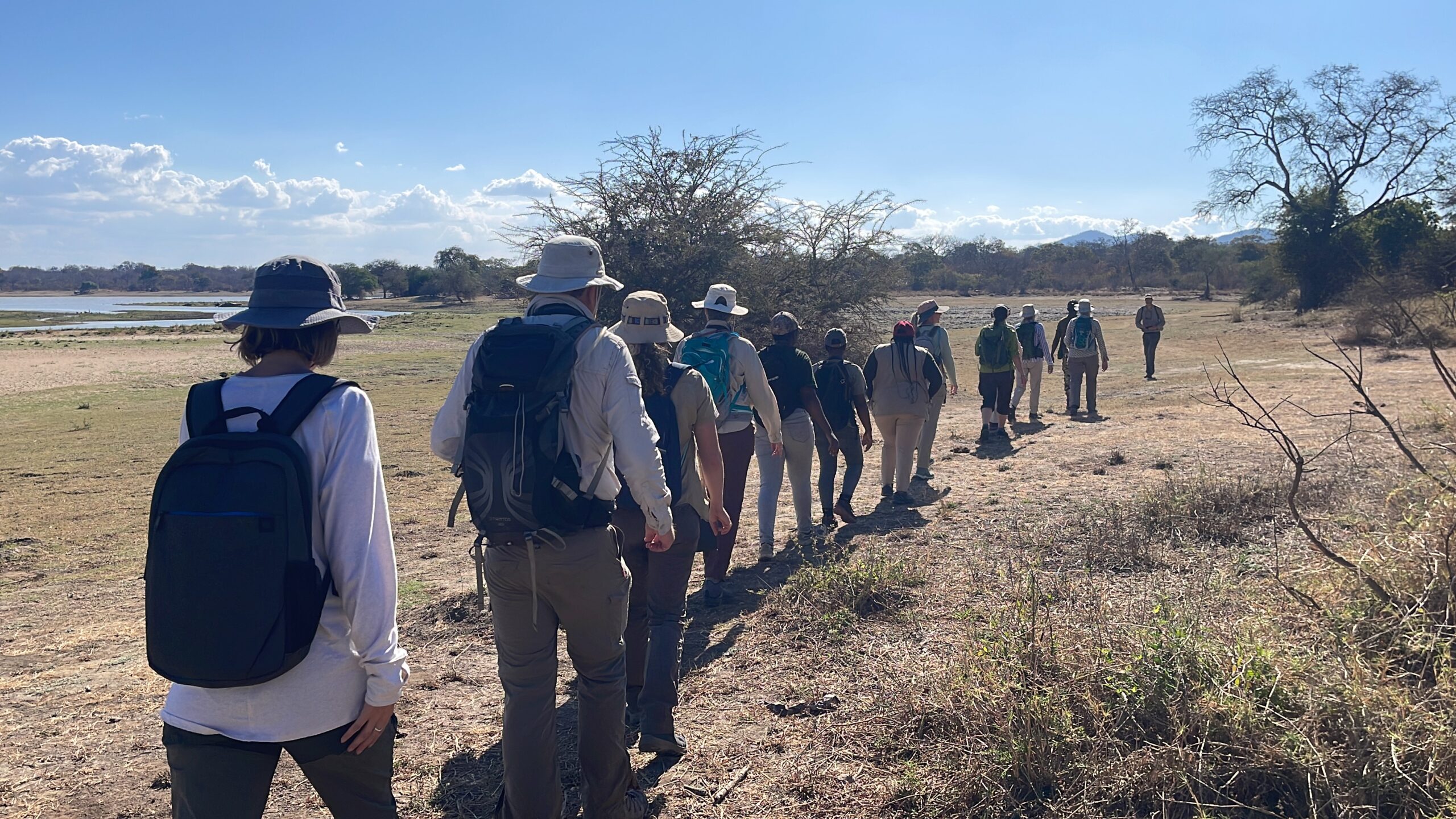
After breakfast at 7 a.m., the real work began. The team split into two groups—some on the elephant drive, others on the hippo transect. The latter took place on foot, traversing the marshlands in search of hippos and recording any other species we encountered in the iNaturalist app. Regularly, we found clusters of hippos splashing in the water, their sheer size and presence even more awe-inspiring up close. We even spotted a few small crocodiles.
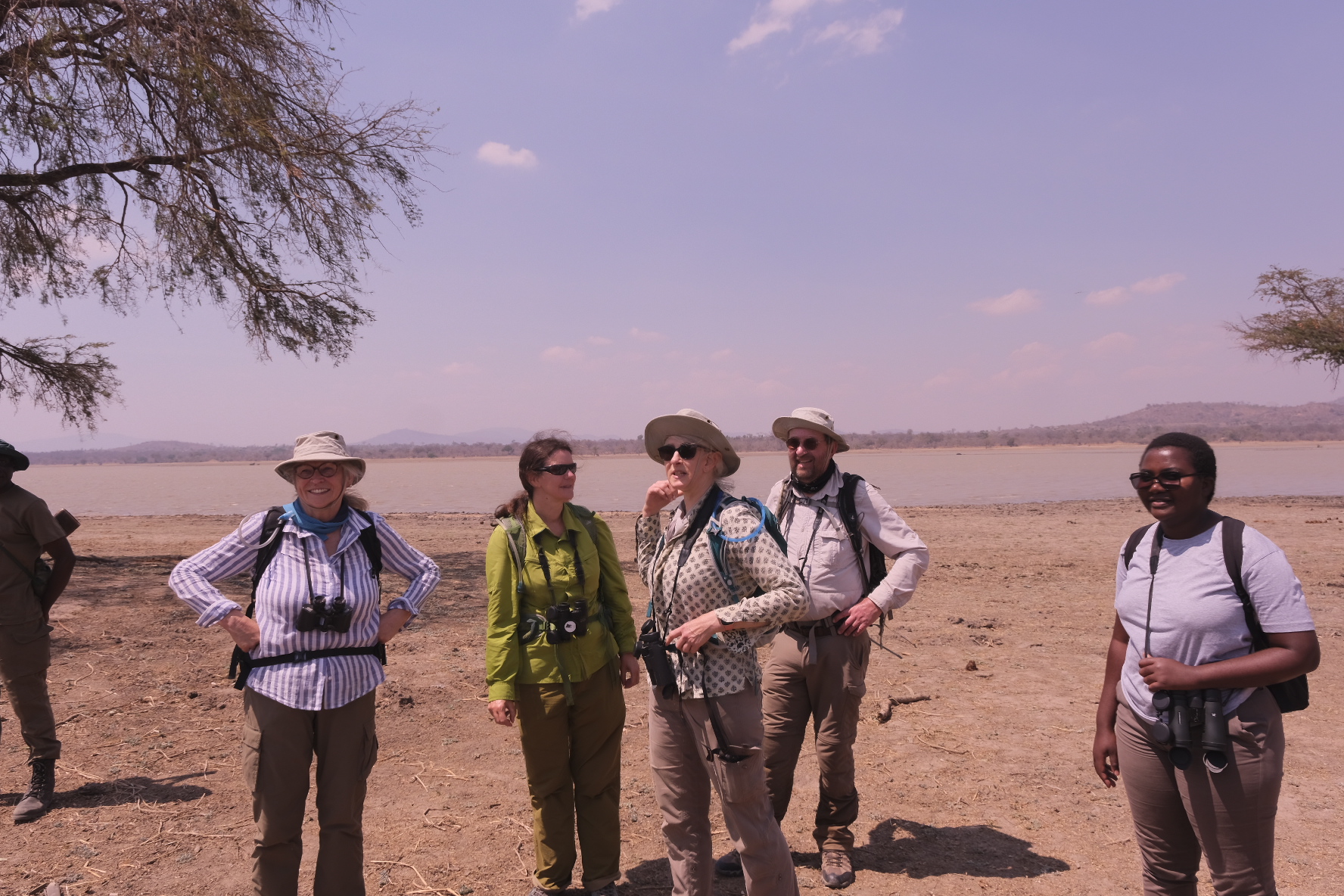

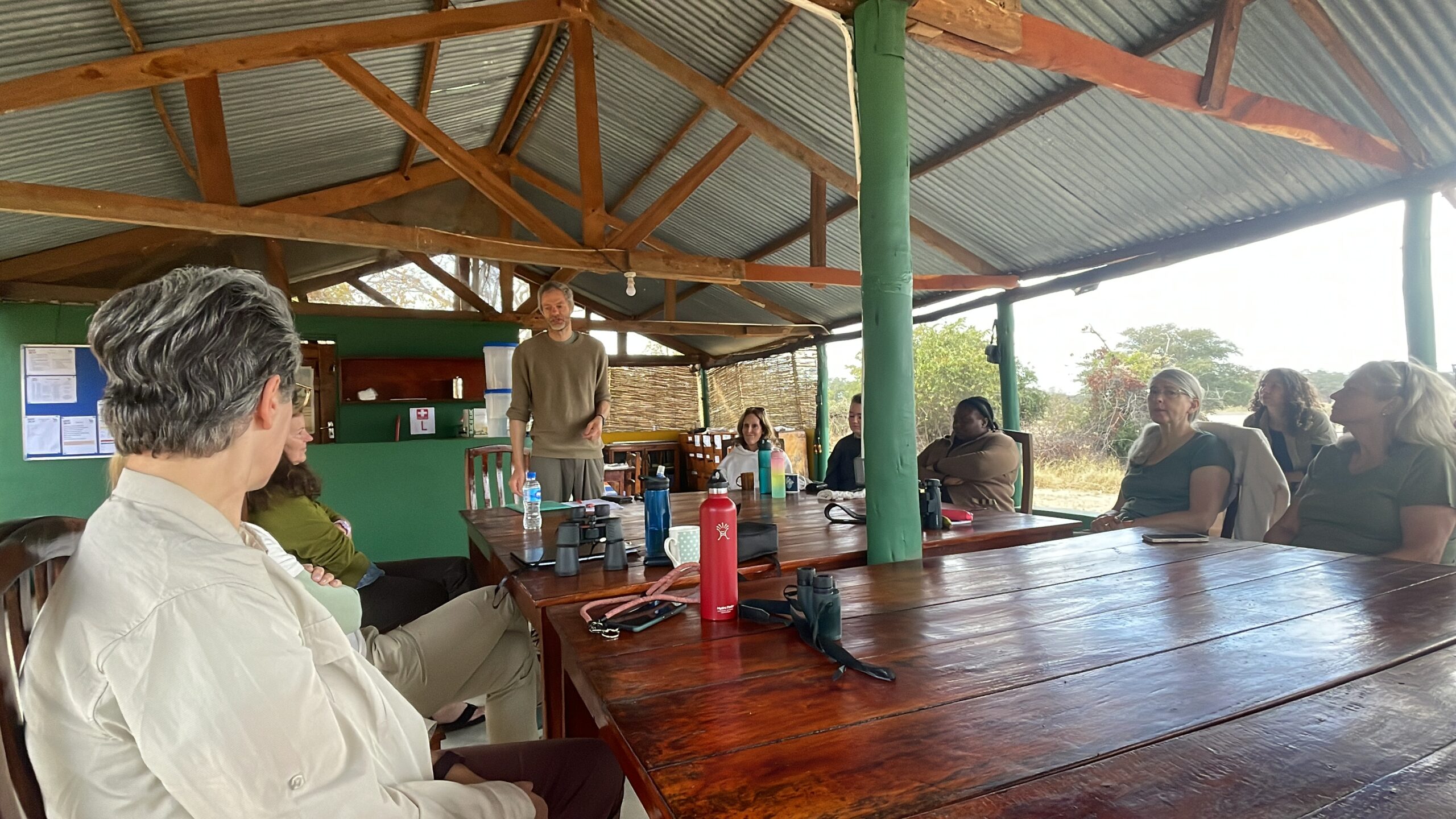
For those who didn’t head out on foot or by vehicle, there was plenty to do back at camp. From sorting through camera trap images to picking seeds from elephant boli—elephant dung—the tasks were endless, though they never felt tedious. Some of the images on the camera traps I couldn’t identify, and got help from the various animal guides or a scientist. I did, however, immediately recognize the honey badgers! Time at base camp was spent sifting through the details, each one contributing to the larger picture of biodiversity at Vwaza Marsh.
Why Collect Elephant Boli?

One of the more unexpected tasks during the expedition was collecting and analyzing elephant boli. We gathered boli, each carefully measured and then sorted through to pick out the seeds. During classroom instruction, I was the first to volunteer to pick through the boli—I chose infant boli, which had very few seeds!

The reason behind this task? By examining the seeds, we could gain insights into the elephants’ diet, helping the scientists understand what plants were prevalent in the area and which ones the elephants were favoring.

It may sound like a tedious job, but this data is essential for tracking the health of the ecosystem. Knowing what the elephants are eating allows scientists to monitor changes in the landscape and understand the role these gentle giants play in shaping their environment. Plus, it was a unique experience to be so hands-on with a task that directly contributes to conservation efforts.
Hot afternoons
Lunch brought everyone back together at 1 p.m., and afternoons followed a similar rhythm. If you weren’t on the evening elephant drive, you had a chance to unwind, tackle administrative tasks, or enjoy the peaceful lull of camp life—cool off in a shower, do some laundry, or scout for more things to add to the iNaturalist app. We had a goal of 70 species and 100 observations, which we met by the end of our stay. I usually spent this time quietly hunting for new animals and plants to document.

Our evening debrief at 5 p.m. brought the team together to discuss what we’d seen and what still needed to be done. Each piece of data we collected, whether from a drive, a transect, or even a quiet observation from camp, added depth to our understanding of the area’s wildlife. The goal? To better understand the biodiversity of Vwaza Marsh.


Dinner was served at 6 p.m., and while some stayed by the fire to chat or swap stories after, I often chose to retire early, retreating to my tent to recharge for the next day as I had a 7-hr time difference, whereas most of camp was in the same or similar time zone.


A day off


One day, a group of us visited the nearby market town of Rumphi, a chance to see a different side of Malawi. As we walked through the town perusing the merchant’s stalls, we stumbled upon a bar with live music. It was too good to pass up. While the others opted for a cold beer, I went for a refreshing pop, and the moment offered a welcome break from the heat outside. It was a small, simple pleasure, but on such a hot day, it was the highlight of our day.

A school visit
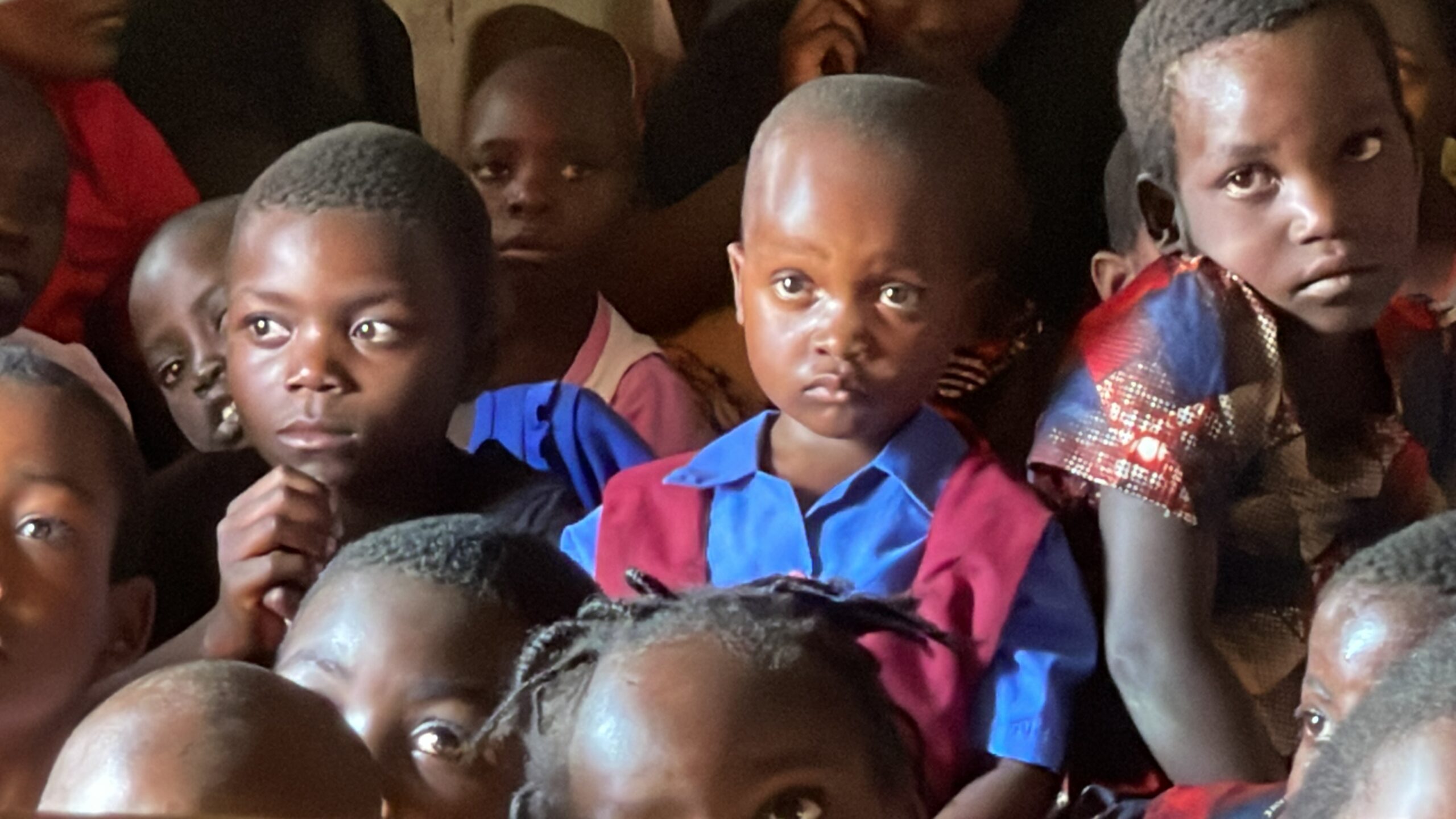
Our expedition wasn’t only about data collection and wildlife conservation—it was also about connecting with the people who call this area home. One of the most memorable moments of the trip was our visit to a school. It was a chance for us to share a bit about the animals from our own countries, but it turned into something much more.

After we talked about the animals we’d encountered back home, the adults treated us to a performance of traditional dances. Watching them dance with such energy and joy was a highlight, but the real magic happened when they invited us to join in. There we were, awkwardly trying to keep up with the rhythm, surrounded by laughter and excitement. It was a moment of connection that transcended language barriers and cultural differences.

These moments of cultural exchange made me think about how our work—documenting and protecting wildlife—could influence the next generation. The children’s curiosity about the animals living in their backyard, paired with their eagerness to share their traditions with us, showed how important it is to protect the environment they live in.

Wildlife encounters
Elephants often strolled past camp, their massive forms almost hidden in the tall grass until they were right upon us. I’ll never forget our last evening when a herd wandered by, so close we could hear the branches snap under their feet. We quickly grabbed a red spotlight, and for the next hour, we watched in awe as they fed, completely unfazed by our presence. As my tent was the last one on the skirts of camp, I even woke in the middle of the night to elephants within feet of my tent—it was so exciting!

Camera traps we put up throughout Vwaza Marsh provided further insight, capturing images of not only elephants and hippos, but also nocturnal animals we rarely encountered by day. Civets, mongooses, and even a porcupine made appearances, and the hyaena footage was a particular highlight for us all, if the giddy cheers were anything to go by. Hyaena are incredibly allusive, so catching a glimpse of them inspecting the camera trap made our week. These snapshots gave us a rare window into the lives of the animals we shared the reserve with, even if we didn’t see them with our own eyes.
Data collection
One of the central focuses of our expedition was wildlife monitoring, particularly the elephants that roam Vwaza Marsh. Each time we encountered them, whether on a morning drive or from the camp itself, we aimed to do more than just observe—we collected data to help track their movements and health. One of the key ways we did this was by identifying individual elephants based on the unique notches in their ears or the shape of their tusks. Every notch, scar, or tusk variation became a critical marker that allowed us to differentiate one elephant from another.
Using binoculars and cameras, we cataloged these elephants, cross-referencing our observations with an existing database of known elephants in the region. Occasionally, we’d encounter a new individual, and it was exciting to think that our data might contribute to expanding the Vwaza elephant catalog. This kind of long-term data collection is essential for conservation, helping scientists monitor the health and population trends of these incredible animals.
The camera traps also provided valuable insights, capturing images of wildlife that were elusive during the day. From hippos to civets and even a rare hyaena sighting, the camera traps revealed the nocturnal side of the reserve. Meanwhile, the more hands-on tasks—like picking seeds from elephant boli—gave us a literal deep dive into their diet and the role they play in shaping the ecosystem. Every piece of data we collected had a purpose, feeding into a larger picture of biodiversity and helping inform future conservation strategies for the reserve.
Camp Meals: A Taste of Malawi
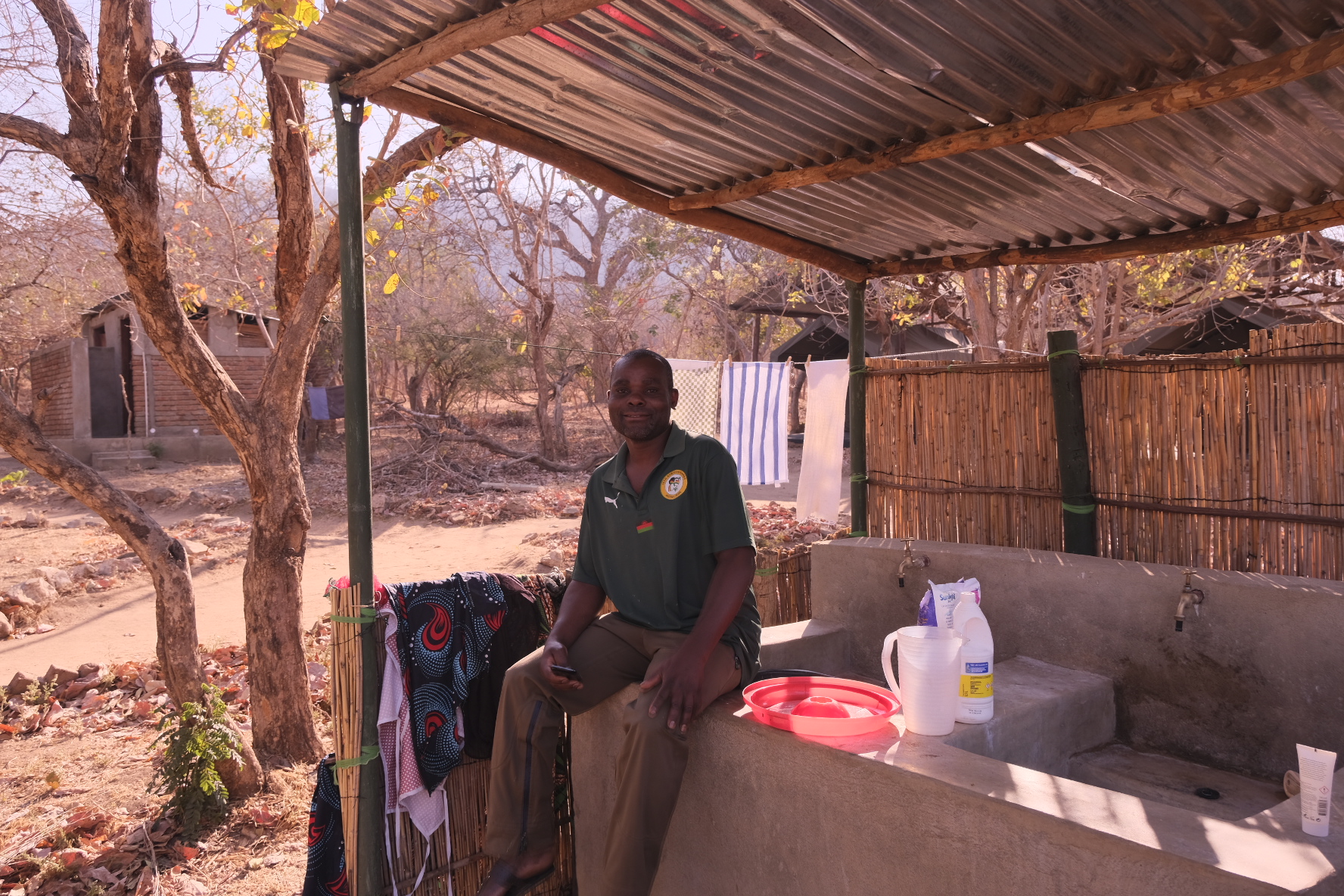
Our days in the field were fueled by the meals prepared by Luca, our camp cook, who never failed to surprise us with his delicious creations. Breakfasts were simple but satisfying, with options ranging from cereal to simple omelets. My personal favorite? The crepes, where I’d add a generous layer of peanut butter and top it off with banana slices. It was the perfect energy boost before heading out for the day’s activities.
Lunch and dinner were always vegetarian, yet incredibly varied. Luca made sure we never ate the same meal twice, with dishes that ranged from vegetable stews to lentil curries. There was one constant, though—coleslaw. It seemed to be a staple at many of our meals, often paired with rice or potatoes.
After long days in the sun, coming back to camp for one of Luca’s dinners was something we all looked forward to. His meals were nourishing in every sense, making the time spent around the dinner table a moment to unwind and connect with the team before we all retreated to our tents for the night.
Temporary setbacks
No expedition comes without its hurdles, and our time in Malawi was no different. The heat, especially in the afternoons, could be draining, sometimes we saw nothing on our drives, and the long walks during the hippo transects required endurance. But these physical challenges paled in comparison to some of the more uncomfortable moments.
About halfway through the trip, I came down with conjunctivitis, which knocked me out for two full days. Sitting in my dark, hot tent, knowing the rest of the team was out collecting data, was frustrating, as I wanted to contribute but couldn’t even keep my eyes open.
Thankfully, Roland—our expedition leader—was amazing, per his usual. He kept me stocked with a steady supply of saline solution that I used to flush out my eyes every hour. Normally, conjunctivitis takes over a week for me to recover from, but I was only out two days! And as long as I was able to soak my eyes in the morning, once in the afternoon, and again at night, I could participate the rest of the trip.
Then there were the ever-present tsetse flies, whose bites left painful, itchy welts. If the flies weren’t getting to us, the spiders were, adding to the discomfort. Yet, these challenges were part of the experience, and overcoming them made the rewarding moments all the sweeter.

Want to minimize tsetse fly bites? Check out my guide on packing for Malawi.
Each time we spotted an elephant or captured a rare image on the camera traps, it felt like a triumph. There was a sense of satisfaction in knowing that every bit of data we gathered, every small task completed, contributed to something much larger—the long-term conservation of this beautiful part of the world. And despite the heat, the bites, and the setbacks, the rewards of being part of something so meaningful far outweighed the difficulties.
How you can get involved

The work we did in Malawi will continue, as Biosphere Expeditions builds a long-term dataset for the wildlife at Vwaza Marsh. If you’re interested in contributing to conservation efforts or simply want to experience the thrill of seeing these animals in the wild, consider joining a future expedition. Every bit of data collected helps scientists and conservationists understand and protect these species for generations to come.