Every Trendy Travel Destination Follows the Same Pattern. Here’s How to Spot the Warning Signs Before You Go
We may earn money or products from the companies mentioned in this post. This means if you click on the link and purchase the item, I will receive a small commission at no extra cost to you ... you're just helping re-supply our family's travel fund.
Tourism researchers studying destinations that experienced sudden viral popularity, driven by a single influential film, social media trend, or celebrity endorsement, consistently document a recurring pattern in which visitor numbers surge dramatically within a few years, followed by measurable degradation of the specific qualities, tranquility, local character, environmental condition, that made the destination appealing in the first place, a cycle that has played out repeatedly across destinations ranging from small towns to entire national parks over the past two decades.
This pattern has become common enough that destination management researchers now have a formal name for it, overtourism, and have developed specific policy frameworks aimed at managing sudden visitor surges, though these interventions typically arrive well after a destination’s original character has already measurably changed, since local tourism boards and government agencies generally lack the capacity to respond quickly enough to a genuinely viral surge in interest.
How the Cycle Typically Unfolds
The pattern generally begins with a specific triggering event, a viral social media post, a popular film or television show filming location, or an influential travel blogger or celebrity’s endorsement, that suddenly and dramatically increases awareness of a previously lower-profile destination among a much larger audience than the location’s existing tourism infrastructure was built to accommodate.
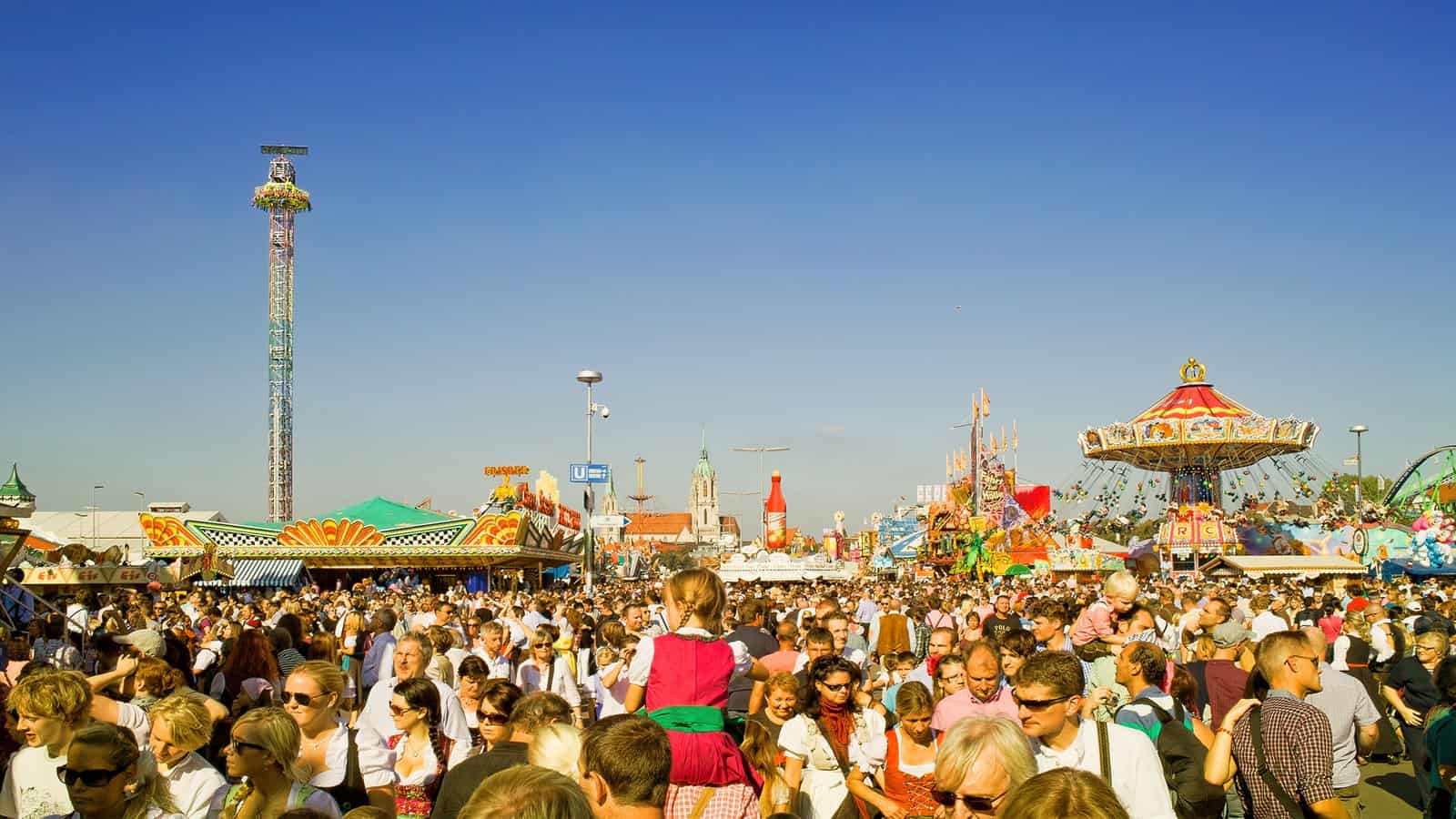
Visitor numbers then increase rapidly, often outpacing the destination’s capacity for parking, lodging, waste management, and environmental carrying capacity within just one or two tourist seasons, a mismatch between sudden demand and existing infrastructure that produces the visible crowding, environmental strain, and local resident friction that eventually becomes newsworthy in its own right.
Why Local Governments Struggle to Respond Fast Enough
Local governments and tourism boards typically require significant lead time to implement infrastructure improvements, visitor caps, or other management interventions, a bureaucratic and funding timeline that rarely matches the speed at which viral popularity can transform a destination’s visitor numbers, leaving many destinations effectively unmanaged during the critical early years when the most severe overtourism damage typically occurs.
- Some destinations have implemented visitor caps or reservation systems specifically in response to overtourism pressure, though these measures often arrive years after the initial surge began
- Local resident sentiment frequently shifts from enthusiasm about increased tourism revenue to significant frustration as overtourism pressures on housing, traffic, and quality of life intensify
- Environmental degradation from overtourism, including trail erosion and habitat disruption, is often the least reversible consequence of a sudden visitor surge
- Destination marketing organizations have increasingly had to balance promotional efforts against sustainability concerns as awareness of the overtourism pattern has grown
What Happens to Local Character Specifically
Beyond the physical and environmental strain, sudden tourism surges frequently transform a destination’s local business landscape, with independent, locally-owned establishments increasingly replaced by businesses specifically oriented toward serving the larger volume of visitors, a shift that often accelerates the erosion of the authentic local character that originally attracted visitor interest in a self-reinforcing cycle familiar to destination researchers.
Longtime residents in destinations that have experienced this cycle frequently report a sense of loss regarding their community’s character even as the local economy benefits financially from increased tourism revenue, a tension that has become a significant subject of study in tourism sociology research examining the tradeoffs between economic benefit and community identity preservation.
What Destinations Have Tried to Prevent This
Some destinations that anticipated potential viral popularity, or that experienced early warning signs of a developing surge, have proactively implemented management strategies, including visitor caps, timed entry reservations, and deliberately limited marketing, aimed at preventing the most severe overtourism consequences before they fully develop rather than waiting to respond after damage has already occurred.
These proactive approaches have shown more promising results in preserving destination character than reactive interventions implemented after a surge has already peaked, suggesting that destinations facing early signs of sudden popularity growth have a meaningful, if narrow, window of opportunity to manage the transition more successfully than destinations that wait until problems become severe enough to demand public attention.
What This Means Looking Ahead
The trends described here are likely to continue evolving over the coming years, and the specific dynamics at play, economic, demographic, or environmental, will keep shaping how the overtourism cycle that follows viral fame develops going forward, making it worth continued attention from anyone with a genuine interest in the place or subject rather than a one-time curiosity.
For now, understanding the fuller context behind the overtourism cycle that follows viral fame gives a more accurate picture than the surface-level version most casual observers encounter, and that accuracy matters increasingly as more people make real decisions, about where to live, where to visit, or how to spend their money, based on incomplete or outdated impressions.
What Locals Say Compared to What Visitors Assume
Longtime residents familiar with the overtourism cycle that follows viral fame often describe a considerably more nuanced picture than outside visitors or casual observers typically assume, with the day-to-day reality involving tradeoffs and complications that don’t fit neatly into either an overly romanticized or overly dismissive narrative about the place.
That gap between local knowledge and outside perception shows up repeatedly across similar cases nationally, and it’s a useful reminder that the overtourism cycle that follows viral fame rewards a closer, more careful look rather than the quick surface judgment that most passing visitors or online commentary tend to settle for.
The Practical Takeaway for Anyone Paying Attention
Anyone planning to engage more seriously with the overtourism cycle that follows viral fame, whether as a visitor, a potential resident, or simply someone trying to understand the underlying dynamics accurately, benefits from looking past the most commonly repeated version of the story and toward the specific data and history that actually explain how things got this way.
That extra bit of research rarely takes long, and it consistently produces a more useful and more accurate understanding than relying on secondhand impressions, making it worth the modest additional effort for anyone whose decisions actually depend on getting the overtourism cycle that follows viral fame right.