All-Inclusive Resorts Used to Mean Something — What That Word Actually Covers Now Is a Different Story
We may earn money or products from the companies mentioned in this post. This means if you click on the link and purchase the item, I will receive a small commission at no extra cost to you ... you're just helping re-supply our family's travel fund.
This article contains affiliate links. If you book travel through our links, we may earn a commission at no extra cost to you.
The all-inclusive resort was invented in the 1950s by Club Med as a radical simplification: pay one price, stop thinking about money, enjoy your vacation. For decades, that promise held. Then the private equity era of hospitality arrived and the all-inclusive became something else entirely.
Today’s all-inclusive is less a price guarantee and more a floor — a base level below which you don’t have to spend, but above which the resort has engineered a dozen reasons to open your wallet anyway.
The Original All-Inclusive Bargain and When It Peaked
Through the 1990s and into the early 2000s, major Caribbean and Mexican all-inclusives competed on genuine comprehensiveness. Sandals, Couples, Club Med, and the large Mexican chains like Palace Resorts built their brands on the promise that once you arrived, money was irrelevant.
The model worked because labor costs in destinations like Jamaica, Mexico, and the Dominican Republic were low enough to absorb the margin of unlimited food and mid-shelf alcohol. The resorts made their money on volume — filling rooms at high occupancy rates and keeping guests on property rather than spending at local restaurants.
Industry analysts who tracked resort economics at the time point to 2008–2012 as the inflection point. Post-recession consolidation brought private equity into hospitality, and the optimization pressure changed the incentive structure at these properties fundamentally.
What ‘All-Inclusive’ Legally Obligates a Resort to Provide
Very little, as it turns out. The phrase “all-inclusive” has no legal definition in the United States, Mexico, the Caribbean, or the EU. Resorts that market themselves as all-inclusive are bound only by whatever their terms and conditions specify — which is where the complexity lives.
The FTC has occasionally pursued deceptive advertising cases against travel companies, but “all-inclusive” marketing specifically has faced almost no regulatory scrutiny. Resorts are free to define the term however they choose, change the definition after booking (with notice buried in policy updates), and structure their packages around the word without meeting any external standard.
A 2023 investigation by travel journalism outlet The Points Guy found that across 15 major all-inclusive properties in Mexico and the Caribbean, the average number of “à la carte” charges guests encountered per five-night stay — charges the guests had not anticipated based on marketing — was 4.3, averaging $78 per charge.
The Upsell Tiers That Have Replaced the Old Model
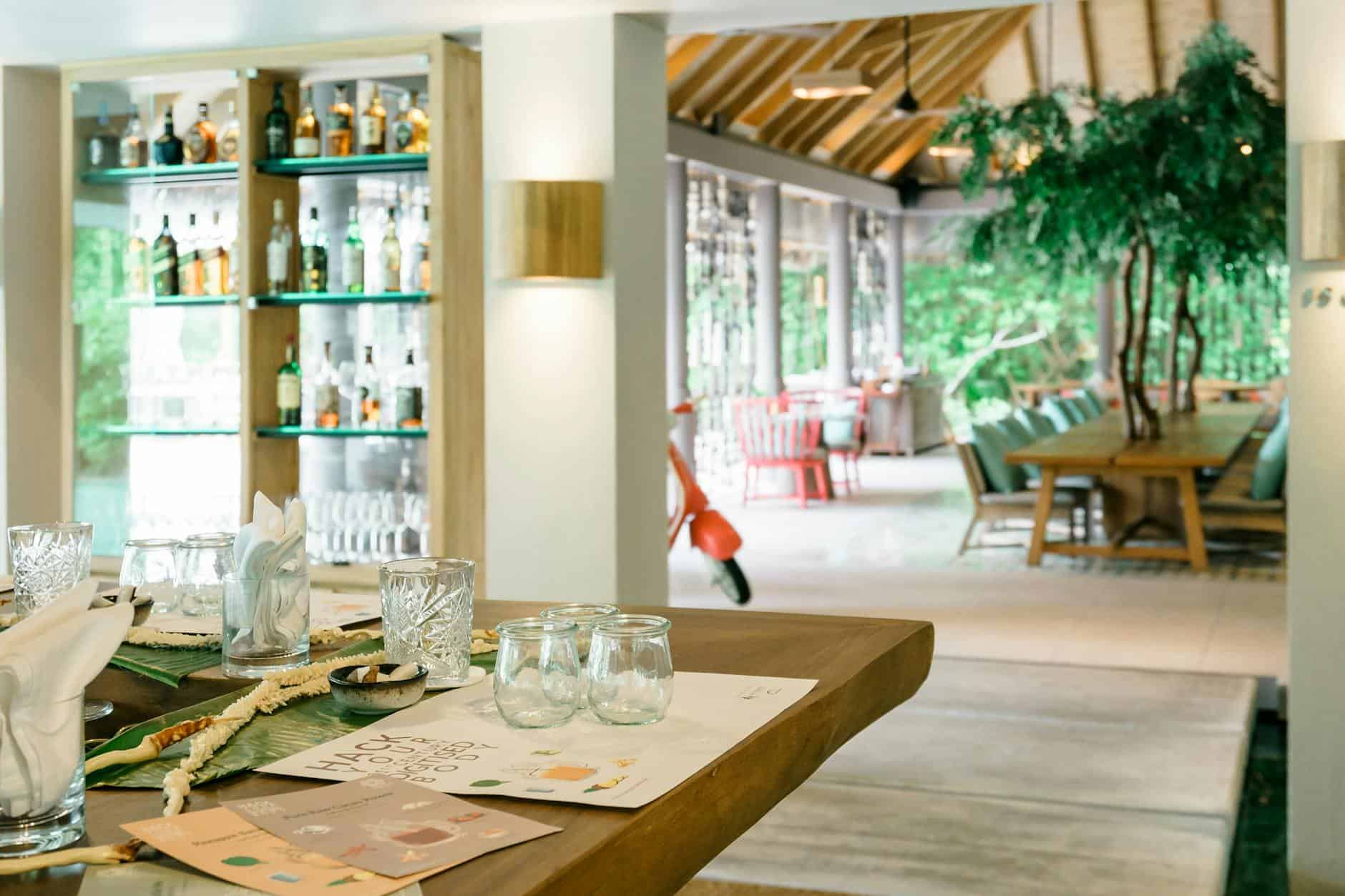
The most structurally important change to all-inclusives in the last decade is tiering. What was once a single price now comes in Good, Better, and Best configurations — and the baseline tier has been deliberately degraded to make the upgrade tiers look necessary.
At an Iberostar resort in Riviera Maya, for example, the standard all-inclusive tier covers buffet dining, well drinks, and basic amenities. The “Iberostar Selection” tier adds à la carte dining access, premium liquor, and room category upgrades. The “Grand” tier adds butler service and exclusive beach areas.
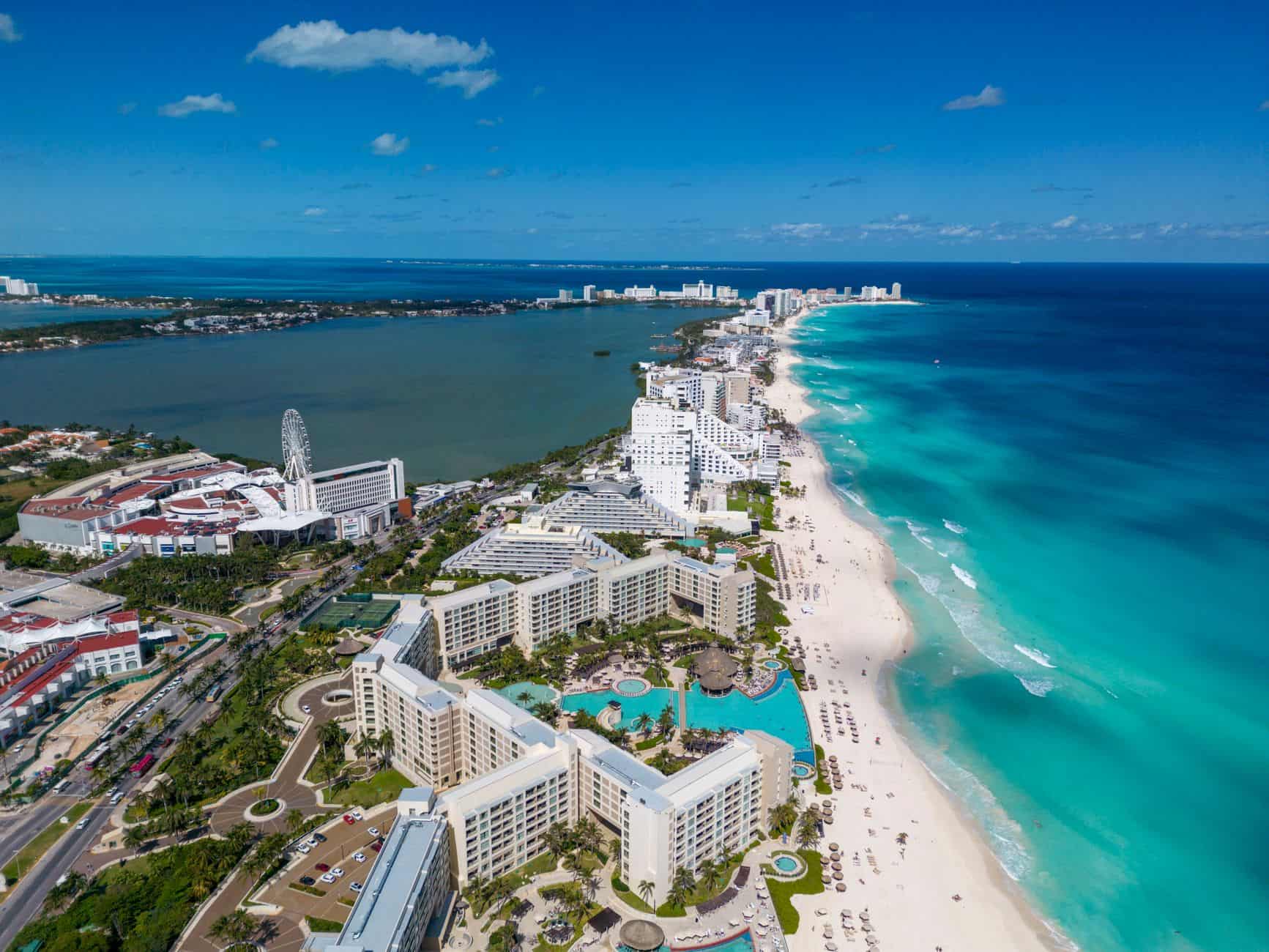
Hilton’s all-inclusive properties in Cancún use a nearly identical framework. Guests who book the base rate frequently report feeling like second-class citizens on their own vacation — a psychological dynamic the resort has designed intentionally. Making the standard experience slightly uncomfortable is the most reliable way to sell upgrades at the property.
Alcohol: What Brand Level Your Package Actually Covers
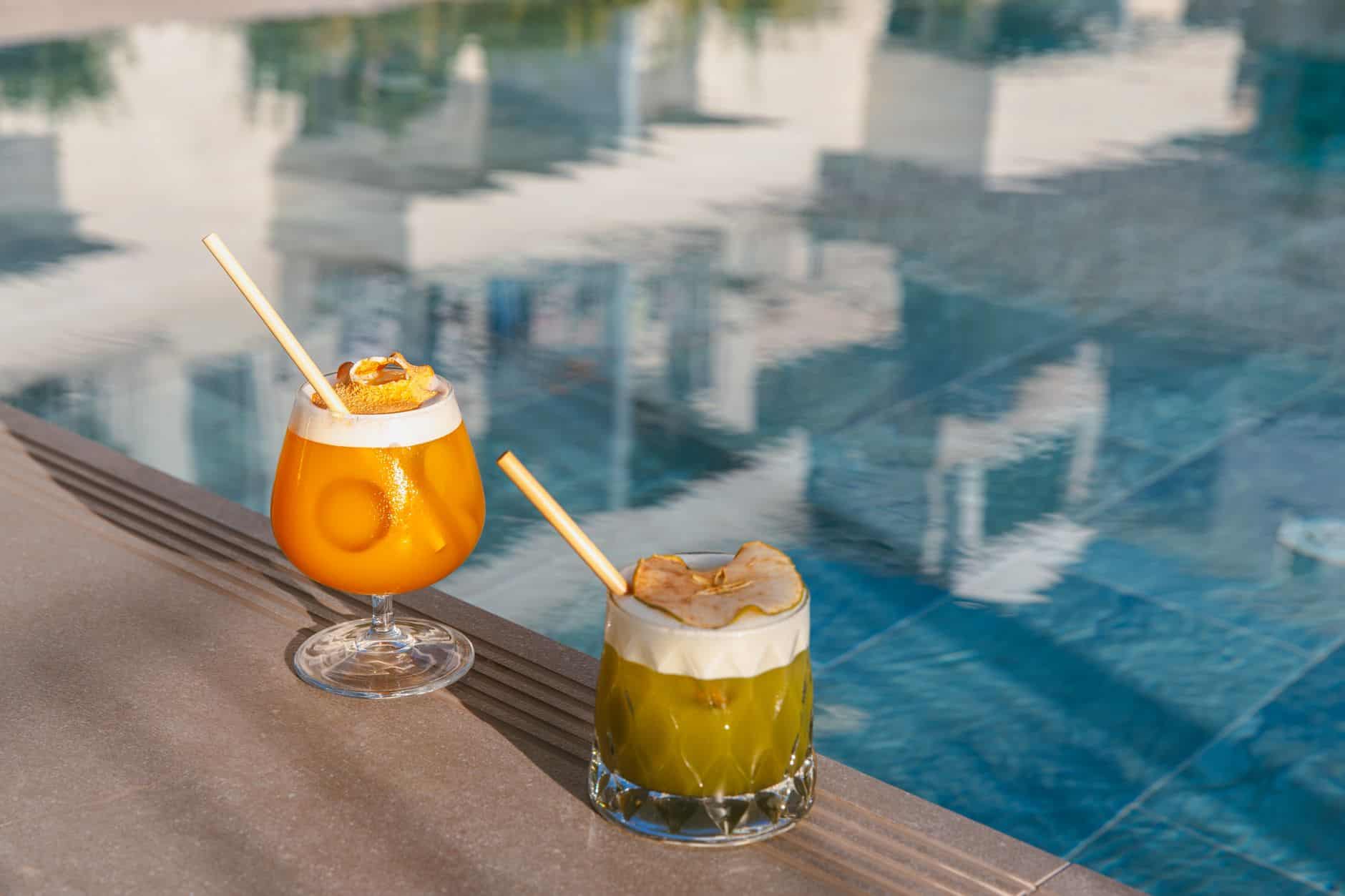
The alcohol inclusion is the single most misunderstood element of all-inclusive marketing. When a resort says “unlimited drinks,” the universal fine print caveat is “from our included selection” — which typically means domestic beer, local spirits, and well liquor mixed into branded cocktails.
At most major Mexican and Caribbean properties, top-shelf or premium spirits — Johnnie Walker Black, Grey Goose, Patron Silver — are either entirely excluded or available only on the upgraded tier. When these bottles appear behind the bar, it’s often as display-only.
A quiet industry practice called “house pours” means the tequila in your margarita is almost always a local, unbranded spirit regardless of what the cocktail menu implies. Guests who ask for a specific named spirit are often told it’s available “at the premium bar” or by purchasing a bottle service package that starts at $80.
Restaurants Inside the Resort That Cost Extra Anyway
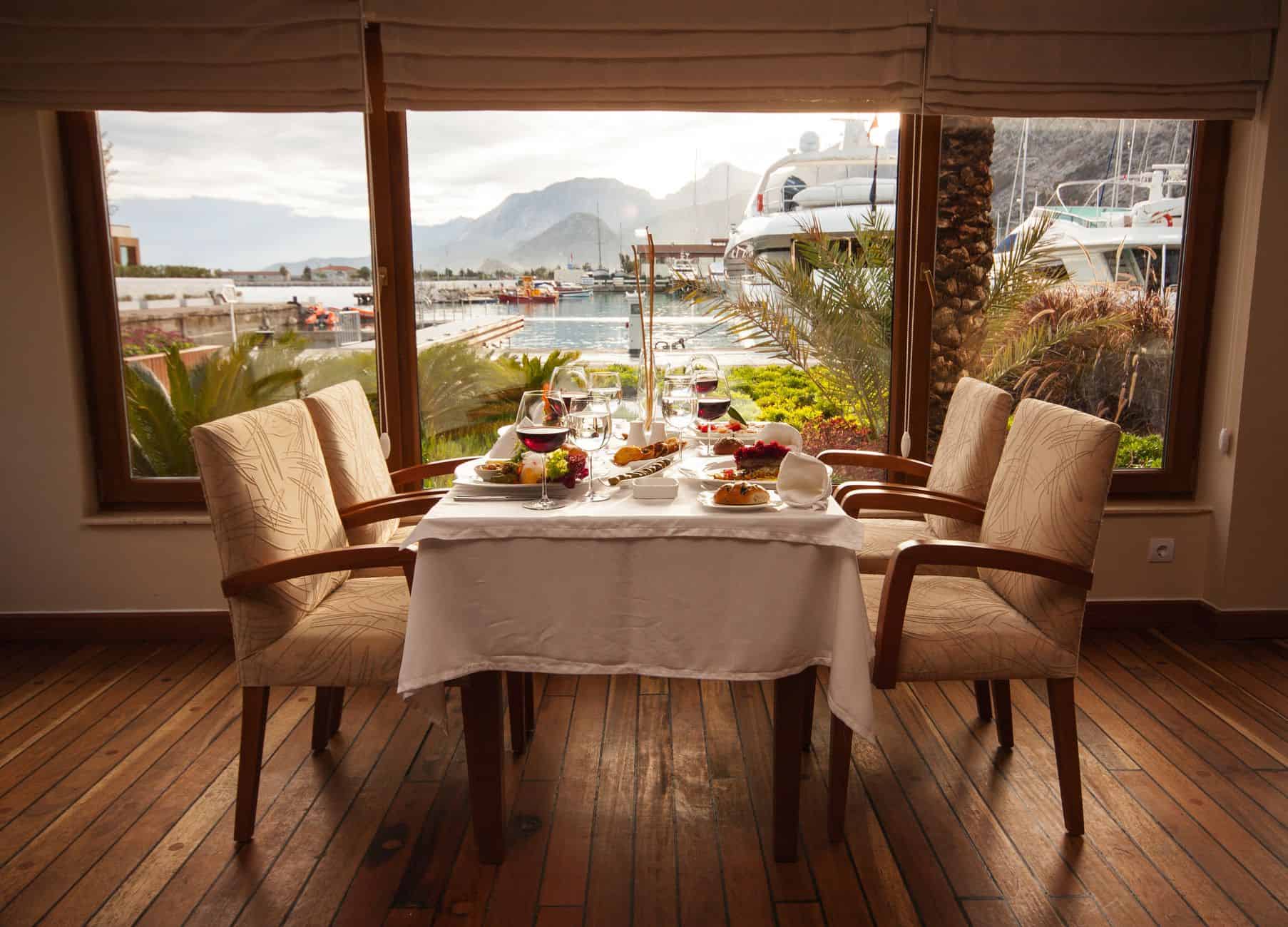
The multi-restaurant experience is a primary marketing asset for large all-inclusive properties. Photographs of Japanese teppanyaki grills, beachfront seafood restaurants, and steakhouses populate every resort’s imagery. The fine print often reveals a different story.
At many Barceló, RIU, and Hard Rock properties, à la carte specialty restaurants require either a reservation made 24–48 hours in advance or an additional surcharge — sometimes both. The buffet is included without restriction; the sushi restaurant requires a $25-per-person supplement on the base tier.
Property insiders who have worked at major Cancún resorts have described the reservation system for specialty restaurants as “essentially a queue management tool that also happens to generate revenue.” On a seven-night stay, access to specialty restaurants might be granted twice. On a five-night stay, once — with the implicit suggestion that the surcharge removes the restriction.
The Activities and Amenities Now Quietly Off the Table
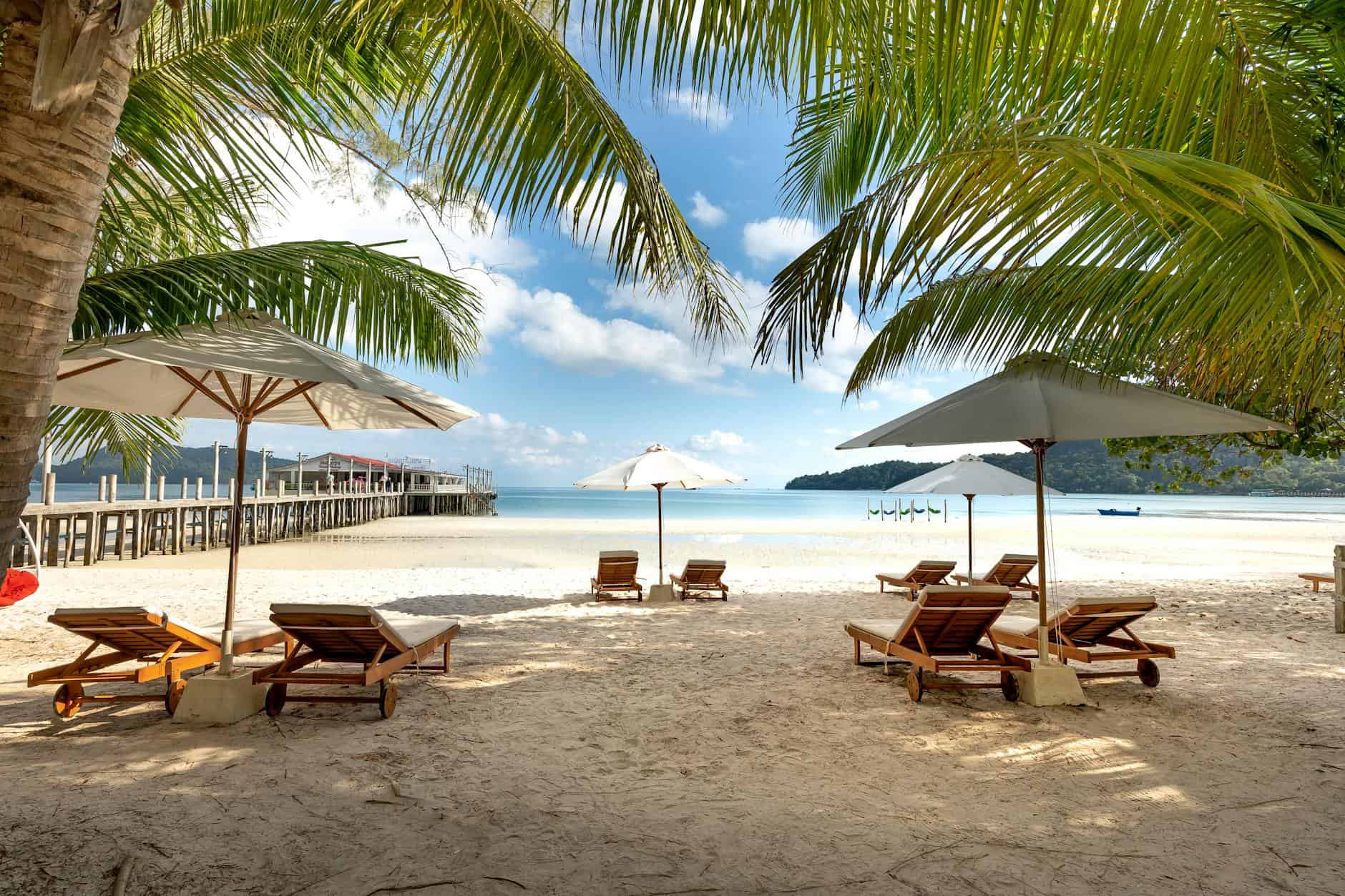
Non-motorized water sports — kayaks, paddleboards, snorkeling gear — were standard inclusions at most all-inclusives through the 2010s. Many properties have moved these into rental programs or limited them by time slot. At a Hyatt Ziva resort, paddleboard rental is $20 per hour. At certain Club Med properties, water skiing and wakeboarding require a “nautical activity supplement.”
Spa access is perhaps the most consistently misleading inclusion. Nearly every major all-inclusive property photographs their spa prominently in marketing. The inclusion typically covers access to the hydrotherapy circuit or a small changing room area. Massages, facials, and treatments are priced at or above comparable rates at independent spas in the same destination.
Golf, where advertised as an all-inclusive amenity, almost always means a discounted greens fee rather than complimentary play. The discount is typically 10–20% off a rate that is already priced above what locals pay.
How the Math Breaks Down Against a La Carte Booking

The actual financial case for an all-inclusive depends almost entirely on your drinking and eating patterns. For a couple that drinks heavily and eats three meals per day at the resort, the math often works in their favor — particularly at beach destinations where local restaurant infrastructure is limited or inconvenient.
For a couple that drinks moderately, prefers to explore local food, and is disciplined about not paying for resort upgrades, the all-inclusive premium frequently doesn’t pencil out. A 2024 comparison study by travel deals aggregator Going (formerly Scott’s Cheap Flights) found that on a five-night Cancún trip, the average all-inclusive package cost $340 more per person than a comparable room-only booking at the same property — a gap that only closes if the guest spends $68 per day on food and drinks at the resort.
The break-even math also changes dramatically by destination. In destinations with excellent affordable local food — Thailand, Vietnam, Mexico City — the all-inclusive premium almost never recovers. In beach resort enclaves where the resort is the food infrastructure, it can make sense.
Which Chains Still Offer Genuine Value vs. Pure Theater
Not all all-inclusives have degraded equally. Industry consensus among travel advisors and frequent resort visitors identifies Sandals in Jamaica and the Turks and Caicos as maintaining genuine comprehensive value — top-shelf liquor is actually included, specialty restaurants don’t require surcharges, and water sports are truly free.
El Dorado by Karisma in Mexico has a similar reputation for delivering on the premium all-inclusive promise without aggressive upselling. Club Med has undergone a significant brand repositioning toward true luxury inclusion, with its Michelin-adjacent properties in Seychelles and the Maldives pricing high but delivering on the promise.
The resorts that consistently receive poor marks for all-inclusive value — based on TripAdvisor reviews specifically mentioning surprise charges — tend to cluster around the large Mexican hotel zones in Cancún, Los Cabos, and Puerto Vallarta, where competition is fierce and margin pressure is highest. The all-inclusive label in those markets has become more branding than guarantee.