Uber and Lyft Drivers in Tourist Cities Have a Detailed Mental File on You — Here’s What’s Actually In It
We may earn money or products from the companies mentioned in this post. This means if you click on the link and purchase the item, I will receive a small commission at no extra cost to you ... you're just helping re-supply our family's travel fund.
This article contains affiliate links. If you book travel through our links, we may earn a commission at no extra cost to you.
A rideshare driver working full-time in a major tourist city completes somewhere between 20 and 40 trips on a busy weekend day. Over a year, that’s potentially 5,000 to 10,000 rides — the vast majority of them with tourists. The patterns these drivers observe are not anecdotal. They are statistically informed observations from people who have run a very large sample.
For this piece, we spoke with full-time rideshare drivers working in Las Vegas, Miami, New Orleans, Nashville, and New York City. We asked them to be specific, and they were.
The First 30 Seconds: What Drivers Know About You Before You Speak
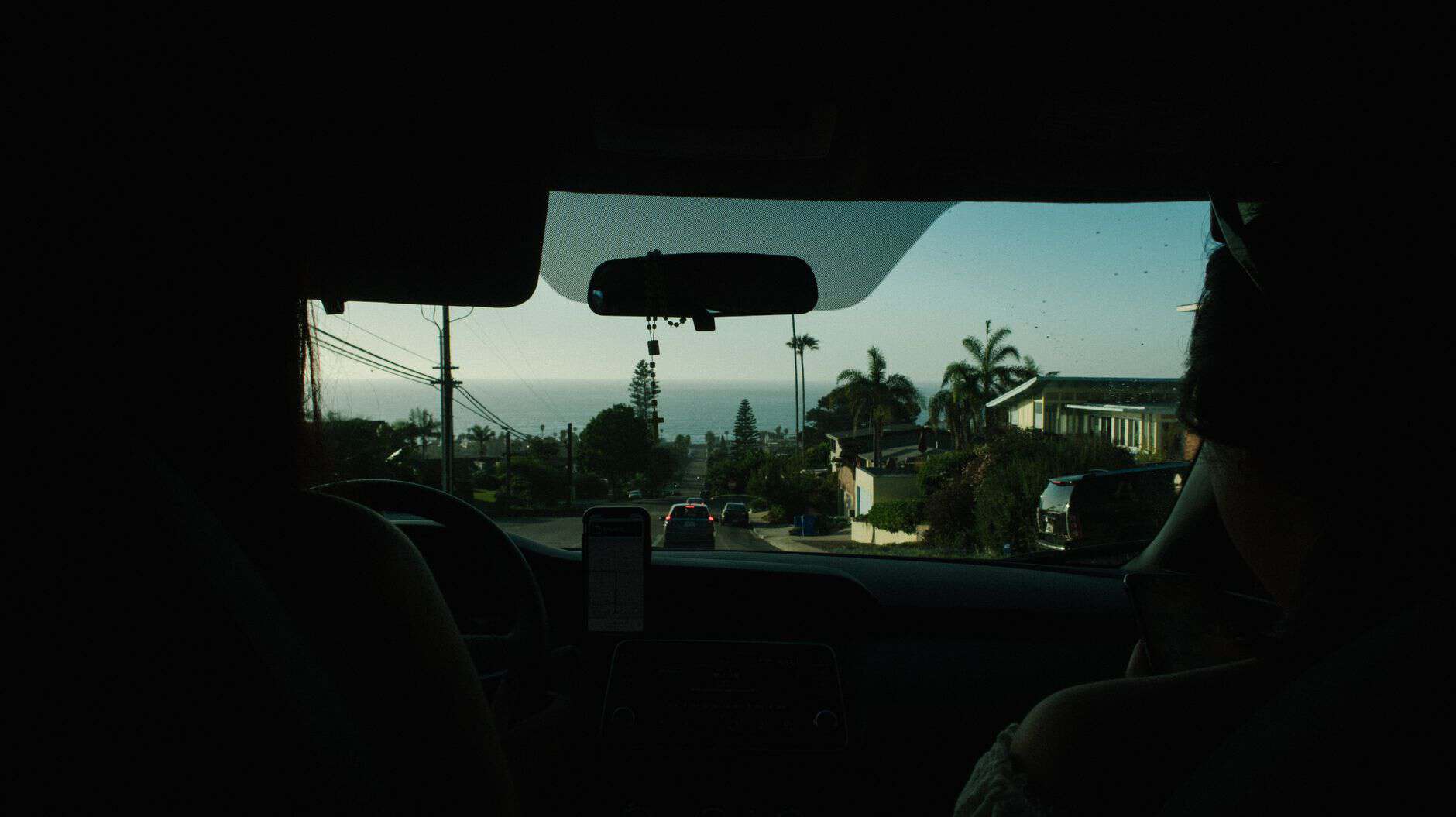
The pickup location tells drivers almost everything they need before you open the car door. A 2 a.m. pickup from the Bellagio casino drop zone in Las Vegas carries completely different statistical information than a 9 a.m. airport pickup from Terminal 1.
“I know within about five seconds whether this is going to be a normal ride or a situation,” said one Las Vegas driver with six years of experience on the platform. “The hotel you’re at, the time, what you’re wearing, whether you’re alone — I’ve seen those variables play out thousands of times. I’m not judging you. I’m predicting.”
Drivers in tourist cities have developed what one Miami driver called “the passenger silhouette” — a composite sketch assembled instantly from pickup location, number of passengers, apparent sobriety, luggage presence, and device behavior (are you on your phone before the door closes, or are you making eye contact?).
The Airport Pickup Taxonomy Every Driver Has Memorized
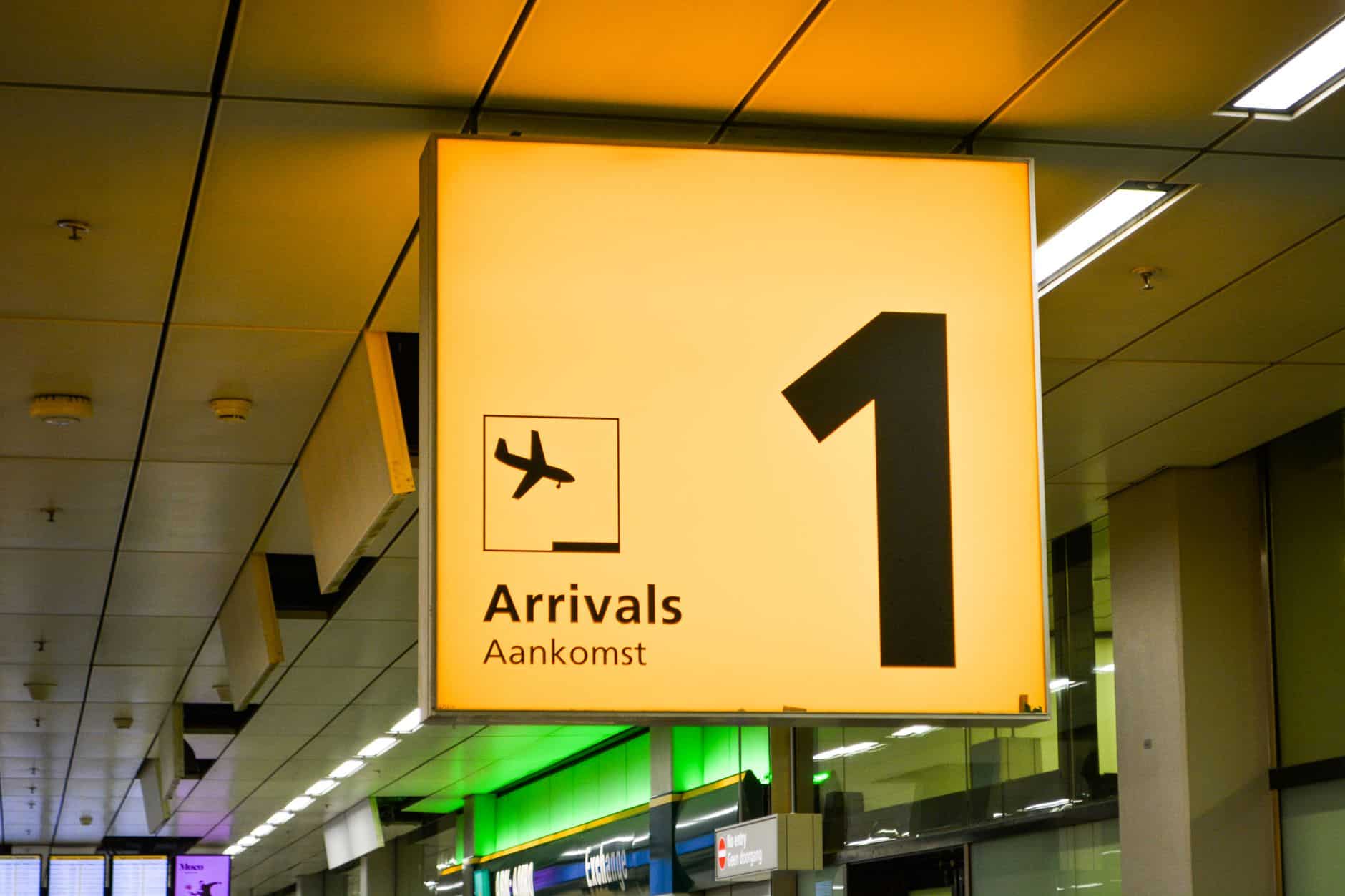
Airport pickups are a specialty within rideshare driving — long wait times in designated lots, specific traffic patterns, and a passenger base that skews toward unfamiliarity with local geography. Drivers who work airports full-time develop what they call “arrival archetypes.”
The Business Traveler: Arrives alone, has exactly one rolling bag, confirms the destination without looking up, is on a call or typing within 90 seconds. Tip: often low or none because they expense the ride and submit the receipt without thinking about the driver.
The Family Group: Communicates via a designated adult while three other adults stand nearby on their phones. Has brought approximately twice as many bags as the car can physically accommodate. Will ask if there’s a good place for dinner near the hotel.
The First-Timer: Asks three questions in the first two minutes, takes photos from the car window, and tips generously in cash. “These are actually my favorite passengers,” said a New Orleans driver. “They’re excited. The excitement is real. I like driving excited people.”
The Bachelor/Bachelorette Party: Identifiable by matching attire from three blocks away. Drivers in Nashville and New Orleans have specific behavioral predictions for this group that they declined to characterize on the record but noted were “about 85% accurate.”
Why Drivers in Vegas, Miami, and New Orleans Dread Certain Nights
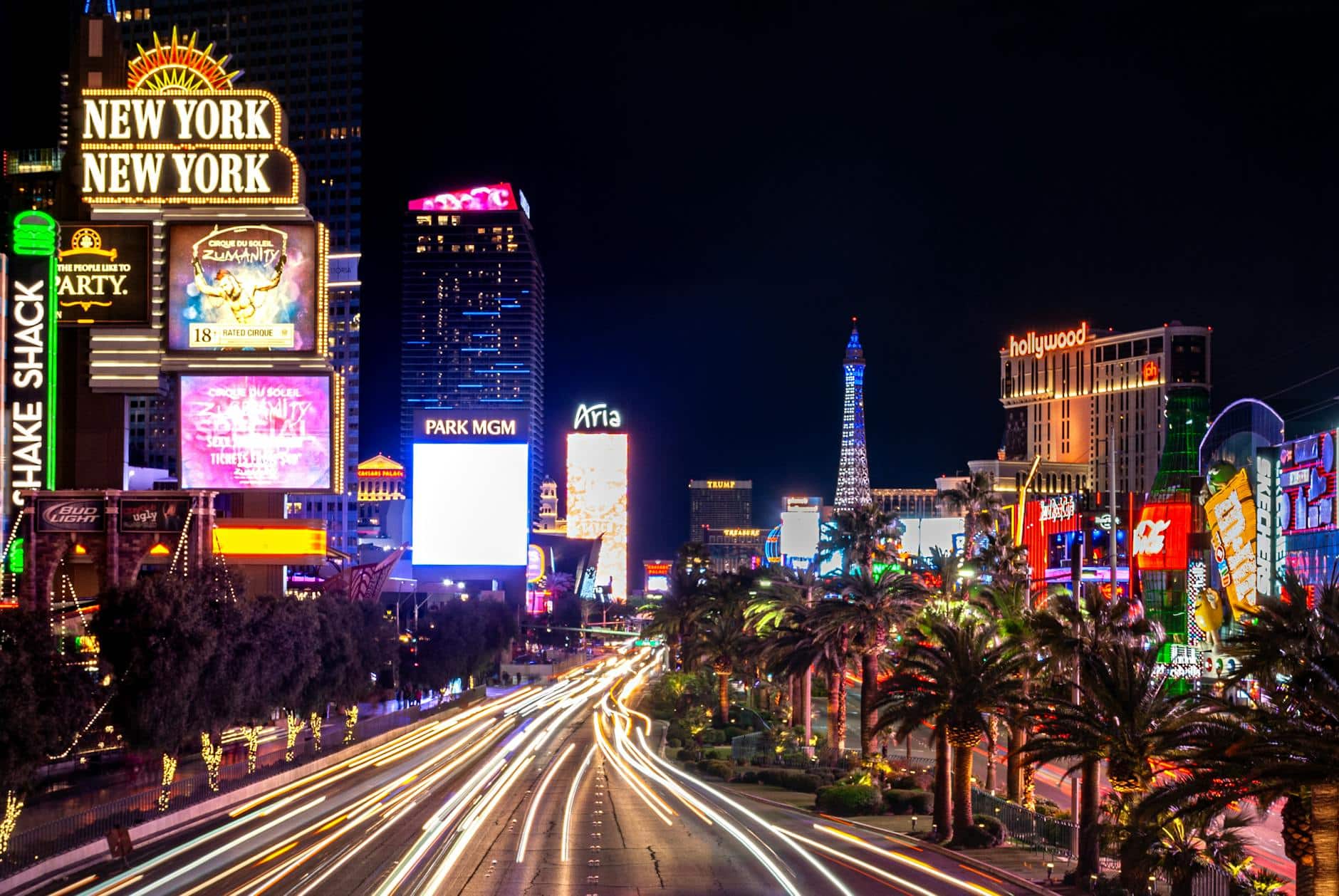
New Year’s Eve in Las Vegas. Mardi Gras in New Orleans. Miami Art Basel week. Super Bowl weekend in whatever city has it. These events are financially productive for rideshare drivers and physically and emotionally exhausting in ways that are difficult to convey.
“New Year’s in Vegas, I make three times what I normally make and I come home feeling like I survived something,” said one driver who has been driving the Las Vegas strip for four years. “The money is real. The people are — a lot of them are not at their best.”
Drivers report that the highest-incident rides — involving vomiting, altercations between passengers, demands for unauthorized route changes, and payment disputes — cluster heavily around these high-volume tourist event nights. The insurance and cleaning fee system that Uber and Lyft use partially compensates drivers for incidents, but the process is bureaucratic and the reimbursement is often incomplete.
Drivers in New Orleans around Mardi Gras describe a two-phase pattern: early in the week, passengers are jovial and generous. By Thursday of Mardi Gras week, the ratio shifts toward what one driver called “people who have been celebrating for four days and have lost track of some boundaries.”
The Tipping Behavior That Drivers Track More Carefully Than You’d Think
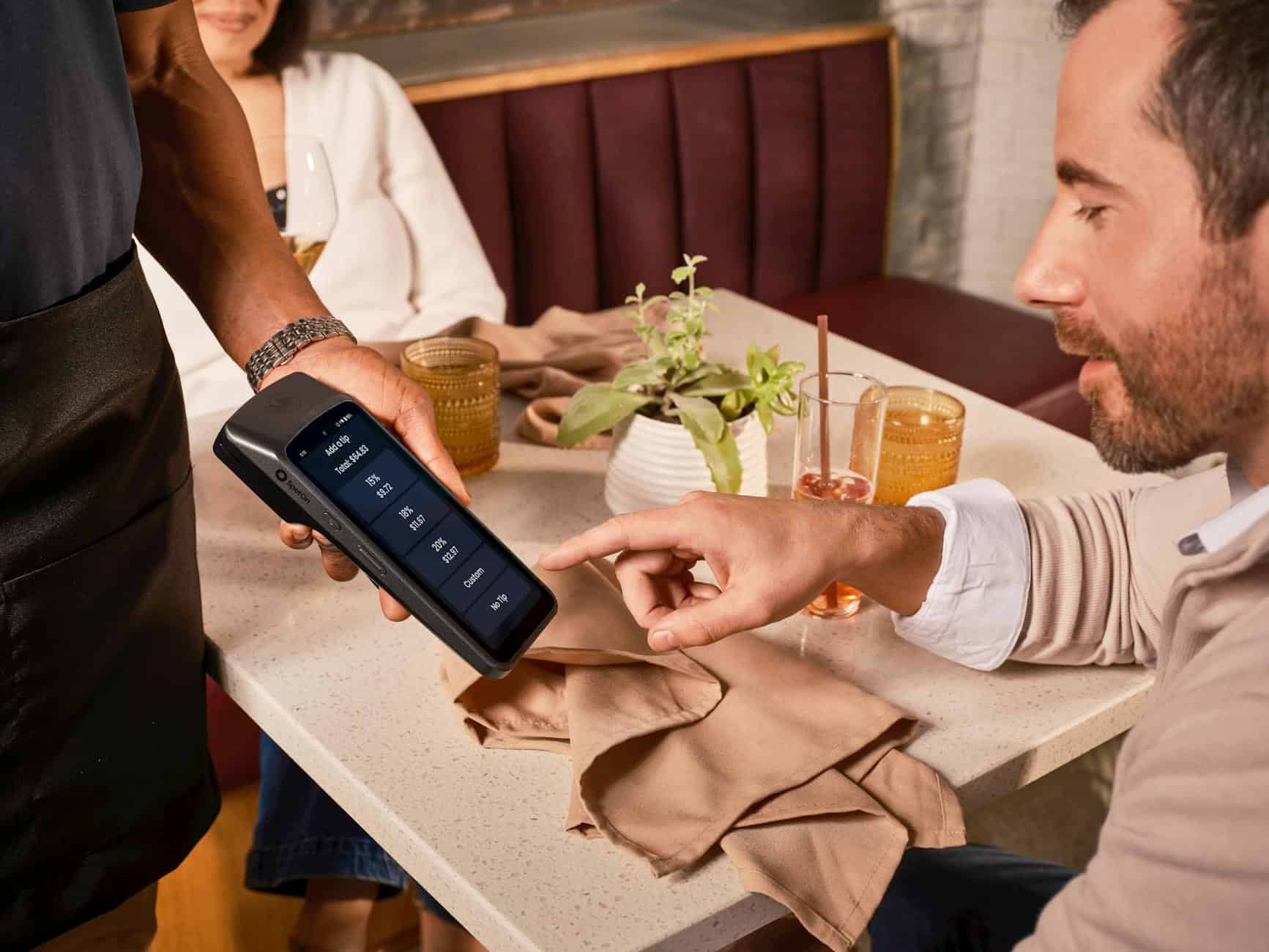
The in-app tipping system introduced by Uber and Lyft created a paper trail that didn’t exist in the cash-tip era. Drivers can see their tipping rate by market and over time, and they talk about it with each other.
Tipping rates in tourist cities are, counterintuitively, not significantly higher than in non-tourist cities. Drivers in New York City and Las Vegas report average tip rates (percentage of rides that include any tip) between 25% and 40% — roughly comparable to national averages. The tourists who tip generously tend to be visible and memorable; the majority who tip nothing are statistically the norm.
“People think because they’re on vacation they’re generous,” said a Miami driver. “They’re not. They’re in vacation mode, which means they’re not thinking about logistics and workers. They’re thinking about themselves.” Multiple drivers across cities described this pattern without prompting or comparison to each other.
What Tourists Ask for That Locals Would Never Request
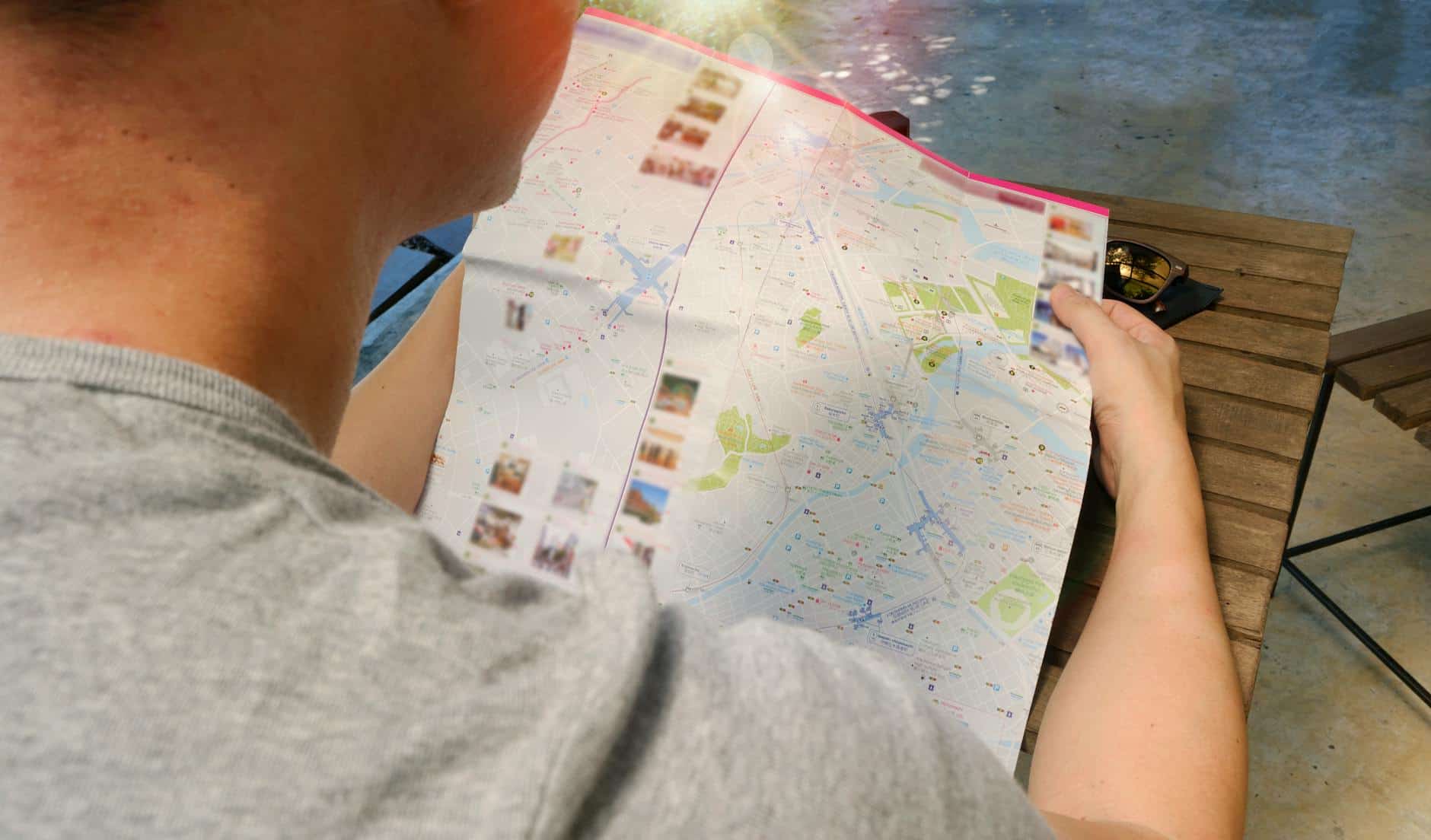
Driver interviews across all five cities produced a remarkably consistent list of tourist-specific requests. Locals, by driver consensus, almost never ask for: restaurant recommendations, photo stops, detours to see landmarks, commentary about the city’s history, or what’s “really worth doing” versus the tourist version.
Tourists ask all of these things with high frequency. Drivers have mixed views on this dynamic. Several described it as the most genuinely pleasant part of driving in a tourist city — an opportunity for real conversation with curious people. Others described it as a form of unpaid tour guide labor.
“I don’t mind the questions. I mind when someone asks me what’s good to eat and then argues with my answer because they read something different on Yelp,” said a New Orleans driver who has lived in the city for 30 years. “Why ask if you already decided?”
The ‘Locals Only’ Knowledge Drivers Share — and What They Keep to Themselves
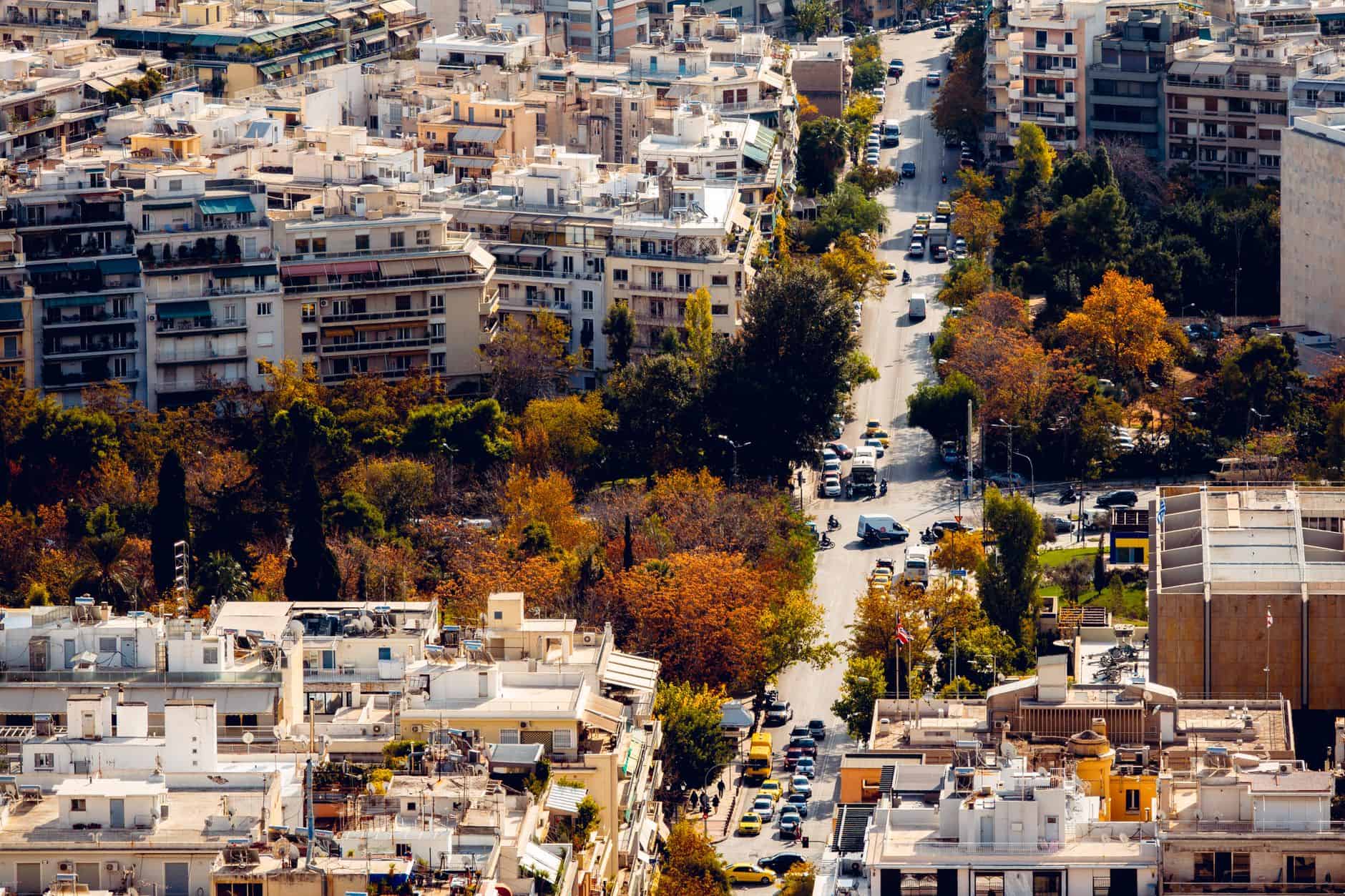
Drivers are an underutilized local knowledge resource, and the ones who work tourist cities know this. Several described a regular practice of volunteering genuinely useful local information to passengers they read as receptive — the Vietnamese restaurant three blocks from the French Quarter that no tourists have found, the beach in Miami that’s ten minutes further than South Beach but has parking and isn’t mobbed, the Nashville bar with no cover and better music than the Broadway honky-tonks.
This information flows freely when drivers feel like the passenger is listening rather than performing gratitude. When passengers are distracted, drunk, or dismissive, drivers report keeping the best recommendations to themselves.
“I have a list in my head of maybe fifteen places in this city that are genuinely incredible and that I would send my family to,” said one Nashville driver. “I share that list maybe twice a week. You have to earn it, kind of. You have to be present.”
How to Actually Be a Good Rideshare Passenger in a Tourist City
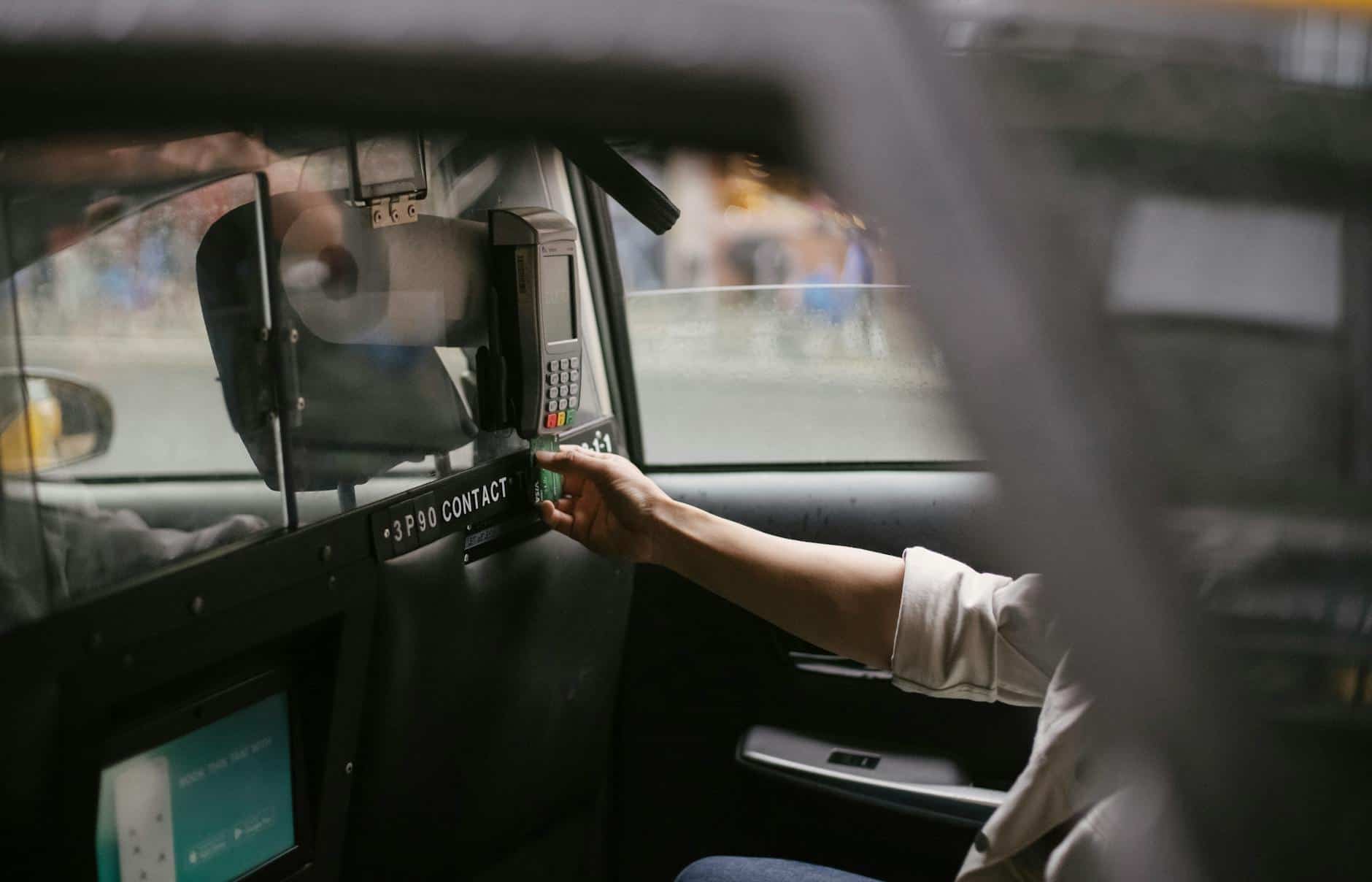
Drivers across all five cities gave nearly identical answers when asked what separates a good tourist passenger from a bad one. The consistent factors: confirm you’re getting in the right car (name and license plate check), greet the driver when you sit down, don’t leave the door hanging open while you arrange luggage, and be specific about your destination before the driver starts moving.
The things that generate the most resentment: requesting the driver wait while you take a phone call before confirming the route, getting in a car while loudly on the phone and staying that way for the entire ride, and giving a one-star rating over traffic or parking issues the driver cannot control.
“The star rating is the thing,” said a Las Vegas driver with a 4.91 rating. “One star from someone who had a bad day about the concert being sold out, that affects my average. That stays. People don’t think about that when they rate.”
What Drivers Say About the App’s Rating System and How It Affects You

The mutual rating system — where drivers rate passengers and passengers rate drivers — operates asymmetrically in ways tourists may not realize. Drivers can see a passenger’s existing rating before accepting a ride. Passengers with ratings below 4.7 report longer wait times and, in some markets, higher cancellation rates from drivers who opt not to accept the ride.
Tourists tend to have ratings that fluctuate more than regular commuters because their travel behavior is irregular — big groups, unusual hours, unfamiliar pickup locations, occasionally challenging states of impairment. Drivers who work tourist cities note that they are more willing than their non-tourist-market counterparts to give baseline ratings for difficult rides because they understand the context.
“I drove a bachelorette party from the strip to Henderson at 3 a.m., and it was a lot,” said a Las Vegas driver. “But I gave four stars because that’s just Las Vegas. If I gave everyone on that kind of night what they technically deserved, I’d be rating everyone two stars every Friday.”