Venice, Santorini, Machu Picchu, and Bali All Have the Same Problem — and the Tourists Are Starting to Feel It Too
We may earn money or products from the companies mentioned in this post. This means if you click on the link and purchase the item, I will receive a small commission at no extra cost to you ... you're just helping re-supply our family's travel fund.
This article contains affiliate links. If you book travel through our links, we may earn a commission at no extra cost to you.
The four destinations most cited in global overtourism discussions — Venice, Santorini, Machu Picchu, and Bali — have each crossed a threshold in the last five years where the volume of visitors began visibly degrading the experience for new visitors, not just for residents. The crisis stopped being theoretical.
Each place has responded differently, with different degrees of success and different political consequences. Here is the actual state of each destination in 2025.
Venice: The Day-Tripper Tax and What It Actually Changed
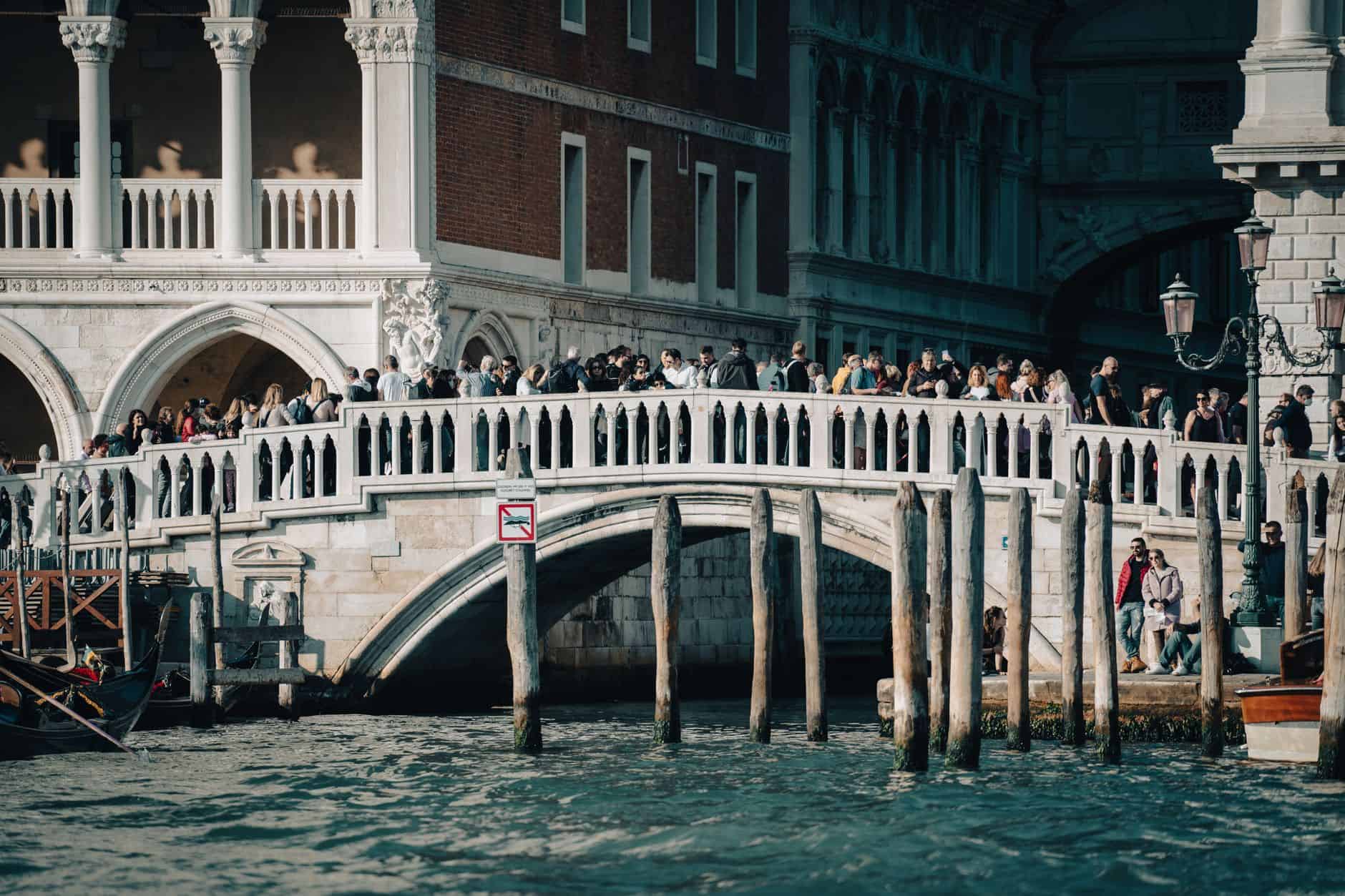
Venice’s day-tripper entry fee — €5 charged on peak days during specific entry windows — became the first policy of its kind at a UNESCO World Heritage city when it launched in spring 2024. The city’s goal was not primarily revenue. It was data collection and crowd management through friction.
The results after a full cycle of implementation were modest. The fee reduced peak-hour day-tripper arrivals by an estimated 10–15% on the specific days it was charged, according to Venice municipal data. It did not reduce overnight tourist volume, which is the category of visitor that residents argue causes more structural strain on the city’s housing and services.
Venice’s resident population has fallen from approximately 120,000 in the 1970s to under 50,000 today, according to Italian municipal records. The exodus is directly tied to short-term rental pressure — an estimated 8,000 apartments in the historic center are listed on short-term rental platforms, which represents a significant portion of the total housing stock.
What Venice Actually Feels Like to Visit Now
High season in Venice (June–August) now produces what travel journalists have called “crowd shock” — a sensation of being in a human traffic jam in spaces designed for much lower densities. The Rialto Bridge and St. Mark’s Square areas can be so congested on summer mornings that movement slows to a shuffle.
The shoulder seasons (October–November, February–March) remain genuinely beautiful and relatively uncrowded. The city has not lost its physical magnificence. What it has lost, according to long-time visitors, is its sense of being a place where real life happens alongside tourism.
Santorini: The Instagram Destination That’s Running Out of Water
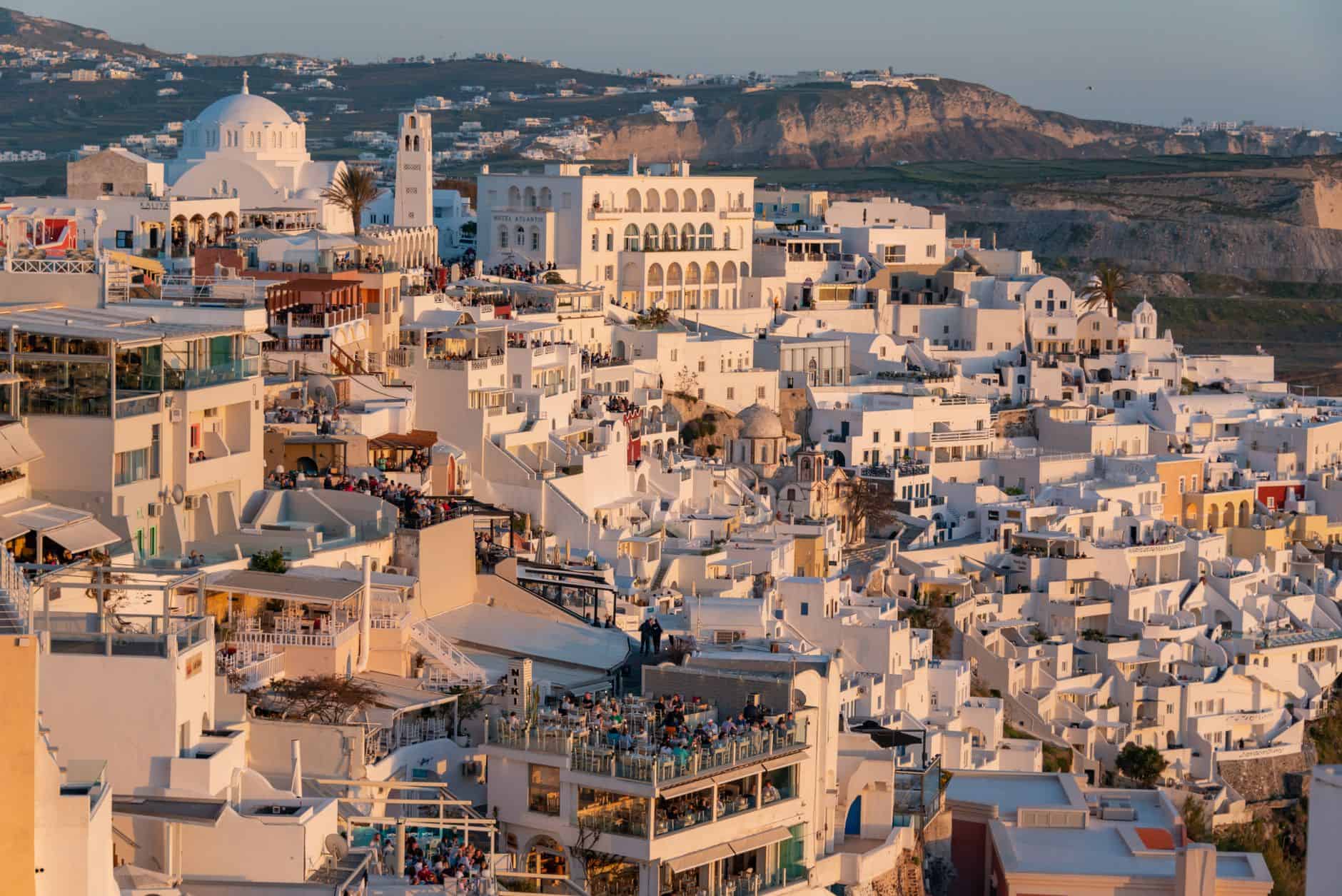
Santorini’s overtourism problem is not only social but geological. The island’s volcanic caldera geology means it has virtually no natural freshwater sources. All potable water is either shipped in by tanker or processed through desalination — a system that was built for a permanent population of around 15,000 and now serves peak summer populations estimated above 30,000 daily visitors.
The island’s water infrastructure strain was documented in a 2023 Greek Ministry of Environment report that identified Santorini’s desalination capacity as critically below demand during peak season. The report led to emergency infrastructure investment, but the underlying math has not changed: the island was not built for current visitor volumes.
Santorini also faces an acute cruise ship problem. Ships docking at the port of Thira disembark thousands of passengers into Oia and Fira simultaneously, creating the surge conditions that produce the famous smartphone gridlock at the caldera viewpoints. The village of Oia — population roughly 1,500 — receives an estimated 10,000 visitors per day in peak season.
Machu Picchu: How Peru Rebuilt the Entire Access System
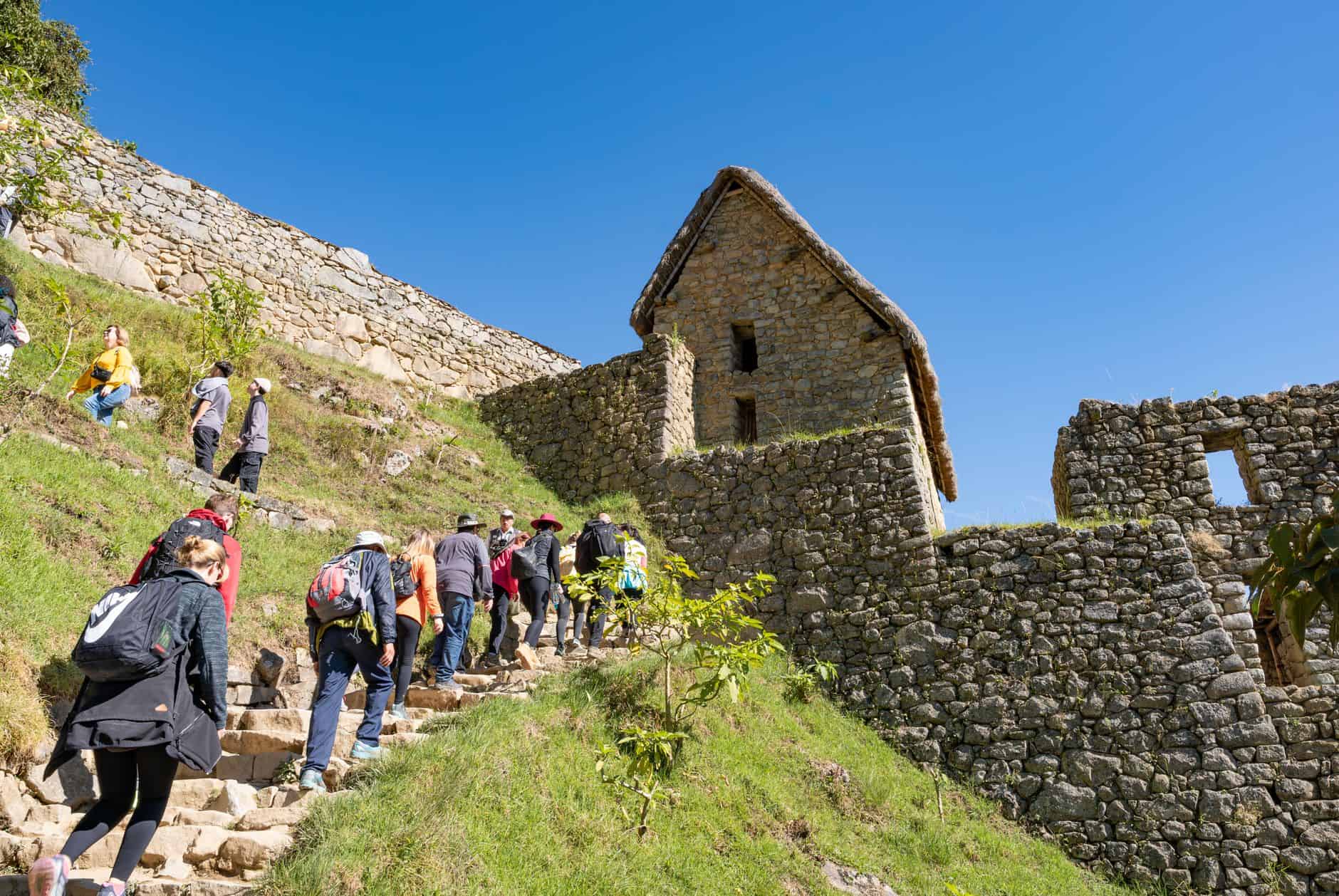
Machu Picchu underwent the most comprehensive access restructuring of any major archaeological site in the last decade. After decades of largely unrestricted growth — visitor numbers climbed from around 400,000 per year in the early 2000s to over 1.5 million annually by 2019 — Peru’s Ministry of Culture implemented a hard daily cap of 4,500 visitors, divided into two daily entry windows.
The system requires advance booking for both the entrance ticket and the Aguas Calientes train (the only access route), and it has created a secondary booking market where peak-season slots sell out months in advance. Travelers who arrive in Cusco without a confirmed Machu Picchu reservation are increasingly finding that available slots are weeks away.
The conservation rationale was real and documented. UNESCO had warned in 2019 that foot traffic and site management failures were causing measurable erosion damage to the site’s terraces and archaeological structures. The ticketing reform reduced crowd pressure but created a two-tier experience — travelers who plan far ahead and those who show up hoping for flexibility.
Bali: What Happened After the Expat Wave Hit a Traditional Culture
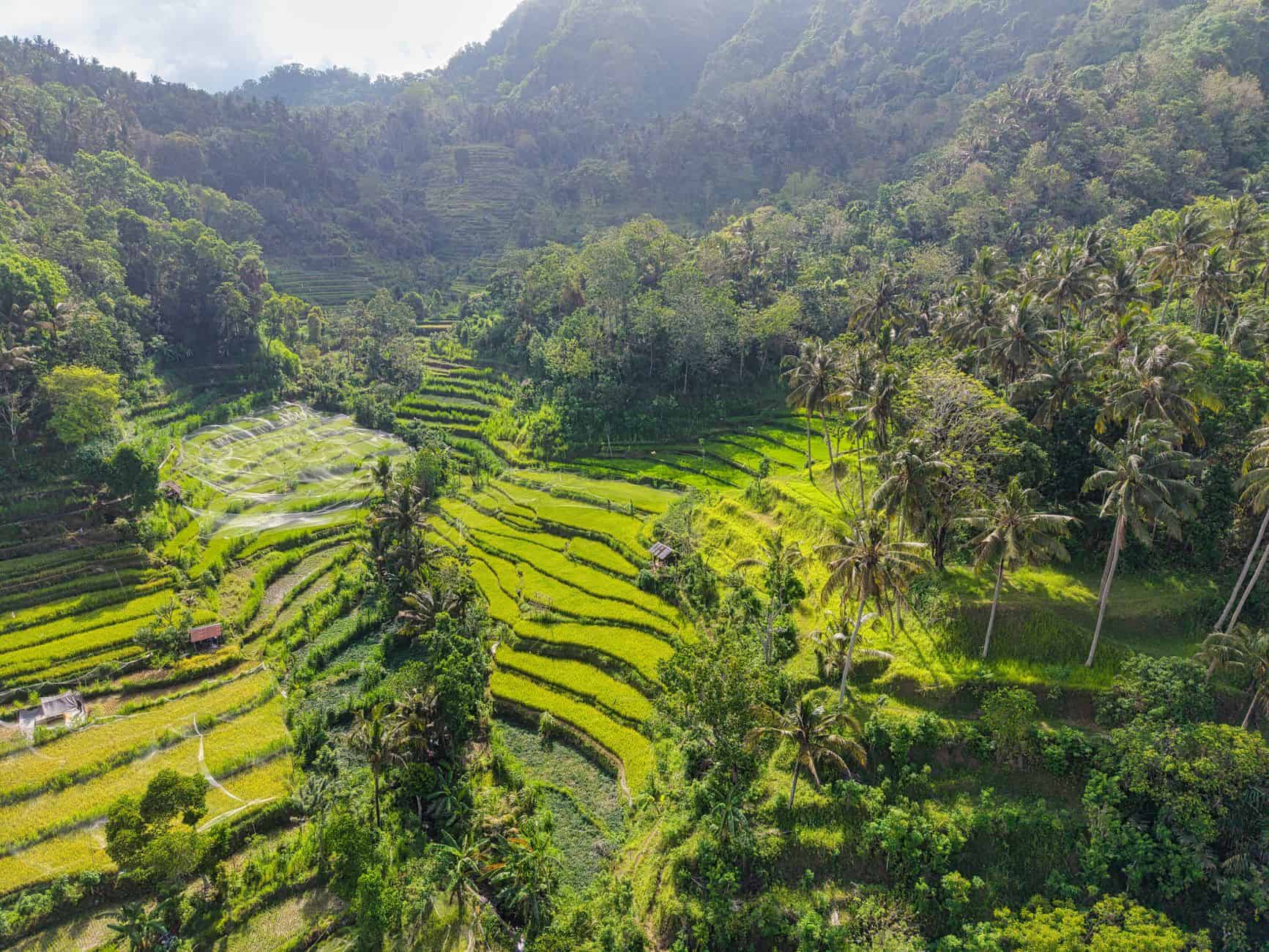
Bali’s overtourism story is distinct from the others because it involves a layering of different visitor types over a short time period. The conventional mass tourism of the 2000s was followed by the Instagram-driven aesthetic tourism of the 2010s, then the pandemic-era digital nomad wave of 2020–2022, and finally the post-pandemic return of mass tourism alongside a permanent expatriate community.
The cultural friction that resulted is visible and publicly acknowledged. Bali’s governor declared a “tourist behavior crisis” in 2023 after a series of incidents including tourists behaving disrespectfully at Hindu temples, driving illegally, and violating social norms in ways that local communities found deeply offensive.
The Balinese government introduced a tourist tax of approximately $10 per visitor in 2024, partly symbolic and partly designed to fund cultural preservation programs. Several sacred sites that had been open to casual tourist photography were closed or restricted.
Housing affordability in popular areas like Canggu and Seminyak has deteriorated dramatically, driven by short-term rental demand from the digital nomad and expat population. Long-term Balinese residents have been priced out of neighborhoods where their families lived for generations.
What Residents of These Places Actually Experience Day to Day
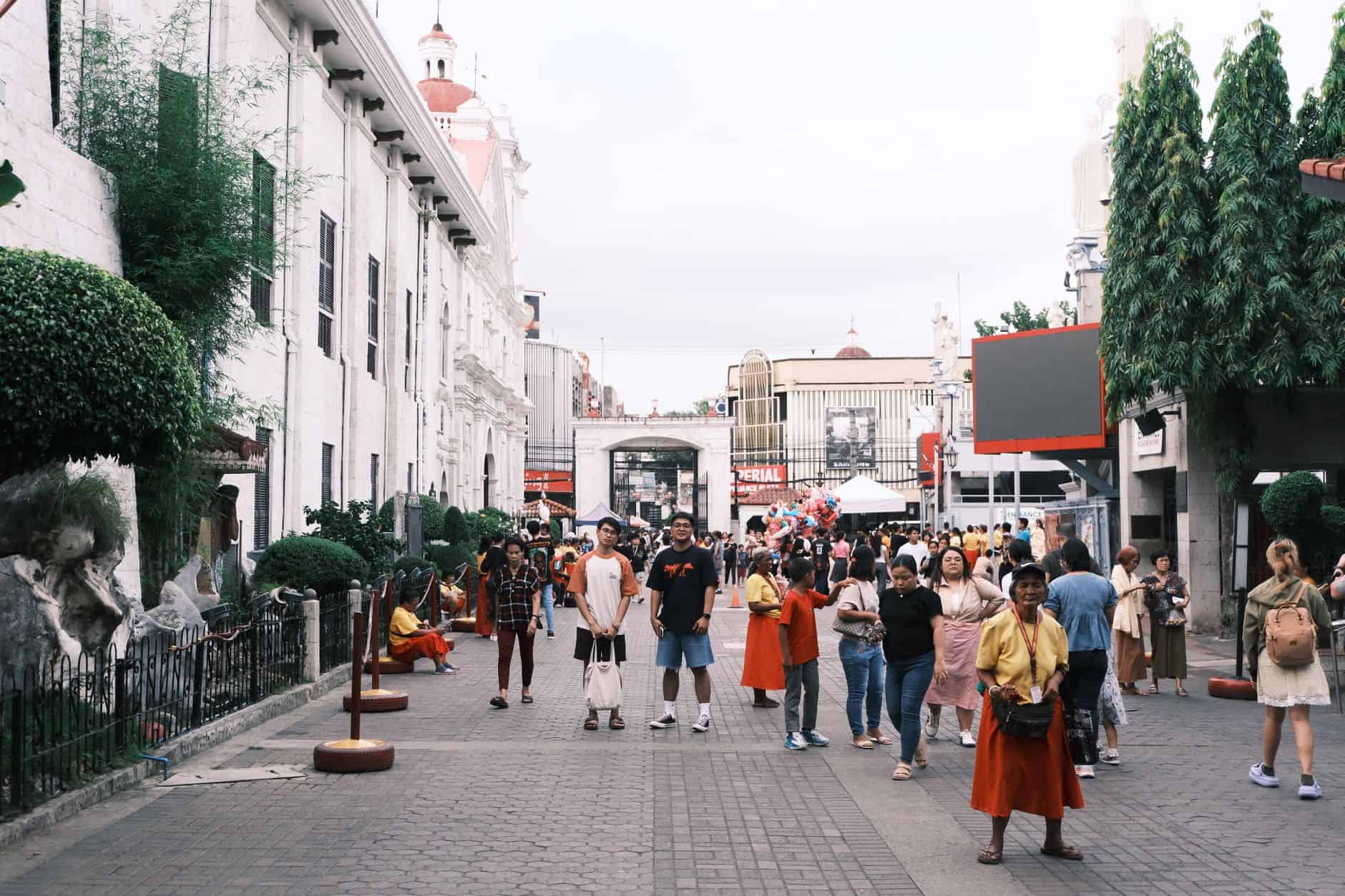
The resident experience at overtouristed destinations shares common patterns across very different cultures and geographies. Ordinary infrastructure — grocery stores, pharmacies, public transit — becomes overwhelmed or priced out by tourist demand. Local businesses that served residents are replaced by tourist-facing shops and restaurants. Social spaces that were central to community life become tourist attractions.
In Venice, residents report having to shop at supermarkets outside the historic center because tourism pricing has made daily shopping in the city financially impractical. In Santorini, locals who work in agriculture or non-tourism businesses face extreme commutes because housing near their work has been converted to short-term rentals. In Bali, ceremonies and rituals that were once private community events now attract uninvited tourist audiences.
“It’s not that tourists are bad people,” said one Balinese cultural preservation advocate quoted in a 2024 Guardian investigation. “It’s that the volume makes it impossible to have anything for ourselves. Every beautiful thing becomes a backdrop for someone else’s photograph.”
The Policy Experiments That Are Working — and the Ones That Aren’t
Visitor caps with advance booking systems — as implemented at Machu Picchu and partially at Cinque Terre in Italy — show the most consistent evidence of effectiveness at reducing physical damage and crowd density. They create logistical friction that self-selects for committed, organized visitors over casual impulse visitors.
Entry taxes, without volume caps, appear to have limited effectiveness. The Venice day-tripper fee, Bali’s tourist tax, and similar fees elsewhere have generated revenue and political symbolism without meaningfully reducing visitor numbers. People willing to fly internationally are generally not deterred by a €5 surcharge.
Zoning restrictions on short-term rentals have had mixed results. Barcelona’s aggressive cap on new Airbnb licenses in 2024 received significant press coverage but had a limited short-term effect on housing prices because the existing license inventory remained active.
What This Means for When and How You Should Visit

All four destinations remain genuinely worth visiting — but the conditions and timing of the visit matter more than they did a decade ago. For Venice, a visit in November or February is approximately 60% less crowded than a July visit and the city is, if anything, more beautiful in the low light of northern Italian winter.
For Santorini, the May and October windows offer the closest approximation of the experience that made the island famous — warm enough to swim, uncrowded enough to actually see the caldera from Oia at sunset without standing in a queue. For Machu Picchu, booking four to six months in advance is now a practical minimum for flexible date travel, and six to nine months for specific peak season dates.
For Bali, the cultural advice from long-term observers is consistent: base yourself away from the Canggu-Seminyak-Kuta corridor, visit temples during non-peak hours with appropriate dress, and spend money at locally owned establishments rather than international chains. The island has extraordinary depth beyond the photographed highlights — that depth is where the experience worth having still lives.