They Spent 2 Months in Portugal for Less Than a Week in Napa. The Slow Travel Math Is Embarrassing
We may earn money or products from the companies mentioned in this post. This means if you click on the link and purchase the item, I will receive a small commission at no extra cost to you ... you're just helping re-supply our family's travel fund.
Mike and Karen sold their house in suburban Ohio in 2022, converted to a remote-first setup, and left for Europe. They were 54 and 51, respectively. Their kids were grown. Mike had negotiated a 4-day work week. Karen’s consulting work had been location-independent for two years.
They spent 6 weeks in Lisbon, 5 weeks in the Algarve, 7 weeks in Seville, and then 2 months in a village in the Umbria region of Italy. Total cost for the year, including flights, all accommodation, food, local transport, and travel insurance: $51,400 for two people.
Their last vacation from Ohio — a 10-night trip to Italy with a single week in Tuscany — had cost $18,000.
That’s the slow travel math. It keeps not making sense until it suddenly does.
The Traditional Vacation Is a Terrible Deal
The typical American adult takes about 17 vacation days per year. Most people cluster those days into one or two trips. Those trips are taken during peak season — because school schedules, work calendars, and the cultural expectation that “vacation” means summer. Peak season means:
- Peak airfare (often 2–3x off-season rates)
- Peak hotel rates
- Peak crowds at every attraction you traveled to see
- Peak pressure on a 7–10 day itinerary to “see everything”
You spend the first two days adjusting to the time zone. The last two days dreading the return. You have maybe five days in the middle where you’re fully present — and you’re spending them sprinting between museums, restaurants, and photo opportunities, because you paid this much and you are not going to waste it.
You come home exhausted. You need a vacation from your vacation. The experience is real but it’s compressed, expensive, and over before it ever quite felt like yours.
What Slow Travel Actually Means

Slow travel has a loose definition, but the practical version is this: instead of visiting a place, you inhabit it temporarily.
The minimum threshold most slow travelers describe is around 3 weeks. The sweet spot they almost universally identify is 4–8 weeks. Some people stay 3–6 months.
During that time:
- You rent an apartment or flat, not a hotel room (monthly rates are dramatically lower per night)
- You shop at local markets and cook some of your own food
- You stop seeing every monument as a checkbox and start finding your favorite bakery, your morning walk, your Tuesday farmer’s market
- You meet people. Real ones. Not just other tourists at the hostel bar.
- You learn the names of neighborhoods. You develop opinions about which restaurant is actually good versus which one is tourist-priced.
It sounds like a lifestyle choice. It is. It’s also, counterintuitively, often cheaper than the sprint version.
The Cost Comparison That Changes Everything

Let’s run the actual numbers for a couple taking a trip to Portugal.
Traditional 10-day vacation, Portugal, peak season:
- Roundtrip flights (peak summer): $2,400 for two
- Hotel in Lisbon (3 nights, peak season): $900
- Hotel in Porto (3 nights): $750
- Hotel in the Algarve (4 nights): $1,200
- Meals (eating out 3x/day as most tourists do): $1,800
- Attractions, tours, activities: $600
- Local transport, taxis, trains: $400
- Total: approximately $8,050 for 10 days
Slow travel, 6 weeks in Lisbon, shoulder season:
- Roundtrip flights (shoulder season, October): $1,400 for two
- Furnished apartment rental (6 weeks, monthly rate): $2,400
- Groceries and cooking half meals: $900
- Dining out (3–4 times per week, local restaurants): $1,200
- Attractions and activities (spread over 6 weeks, no rush): $400
- Local transport (monthly transit passes): $140
- Total: approximately $6,440 for 42 days
Six weeks for less than 10 days. The math is not a mistake. The monthly apartment rental is the key that unlocks it — per-night costs drop from $200–$400 for a hotel to $40–$80 for an apartment when you book monthly.
Where Americans Are Actually Doing This

Some destinations are better suited to slow travel than others. The best ones have:
- Visa-friendly entry rules for Americans (90-day tourist allowances, or digital nomad visas)
- Strong infrastructure for short-term apartment rentals
- Cost of living significantly below the U.S.
- Good Wi-Fi and coworking culture for working travelers
- A quality of life that rewards being in one place long enough to appreciate it
Top destinations slow travelers consistently recommend:
- Lisbon and Porto, PortugalThe original slow travel darling. Excellent food, walkable cities, friendly culture, strong expat community. Monthly apartment rentals run $1,200–$2,500 depending on neighborhood. Portugal’s Digital Nomad Visa allows stays beyond 90 days for remote workers earning at least the minimum income threshold.
- Medellín, Colombia“The city of eternal spring” has a year-round climate in the low-to-mid 70s. Monthly costs for a couple living well: $2,500–$3,500 including accommodation. Large expat community, growing coworking scene, excellent food.
- Oaxaca and San Miguel de Allende, MexicoThe slow travel revolution in Mexico is real. San Miguel is heavily expat-populated. Oaxaca offers one of the most distinctive food and craft cultures in the Americas. Monthly apartment costs: $700–$1,500.
- Chiang Mai, ThailandProbably the world’s best-known slow travel and digital nomad destination. Monthly costs for a comfortable lifestyle: $1,500–$2,500. World-class food scene, extraordinary temples, access to the rest of Southeast Asia.
- Seville and Valencia, SpainBoth offer Mediterranean lifestyle at lower prices than Barcelona or Madrid. Seville is warm, walkable, and genuinely one of the most beautiful cities in Europe. Monthly apartment: $1,000–$2,000.
The Visa Question (It’s Easier Than You Think)
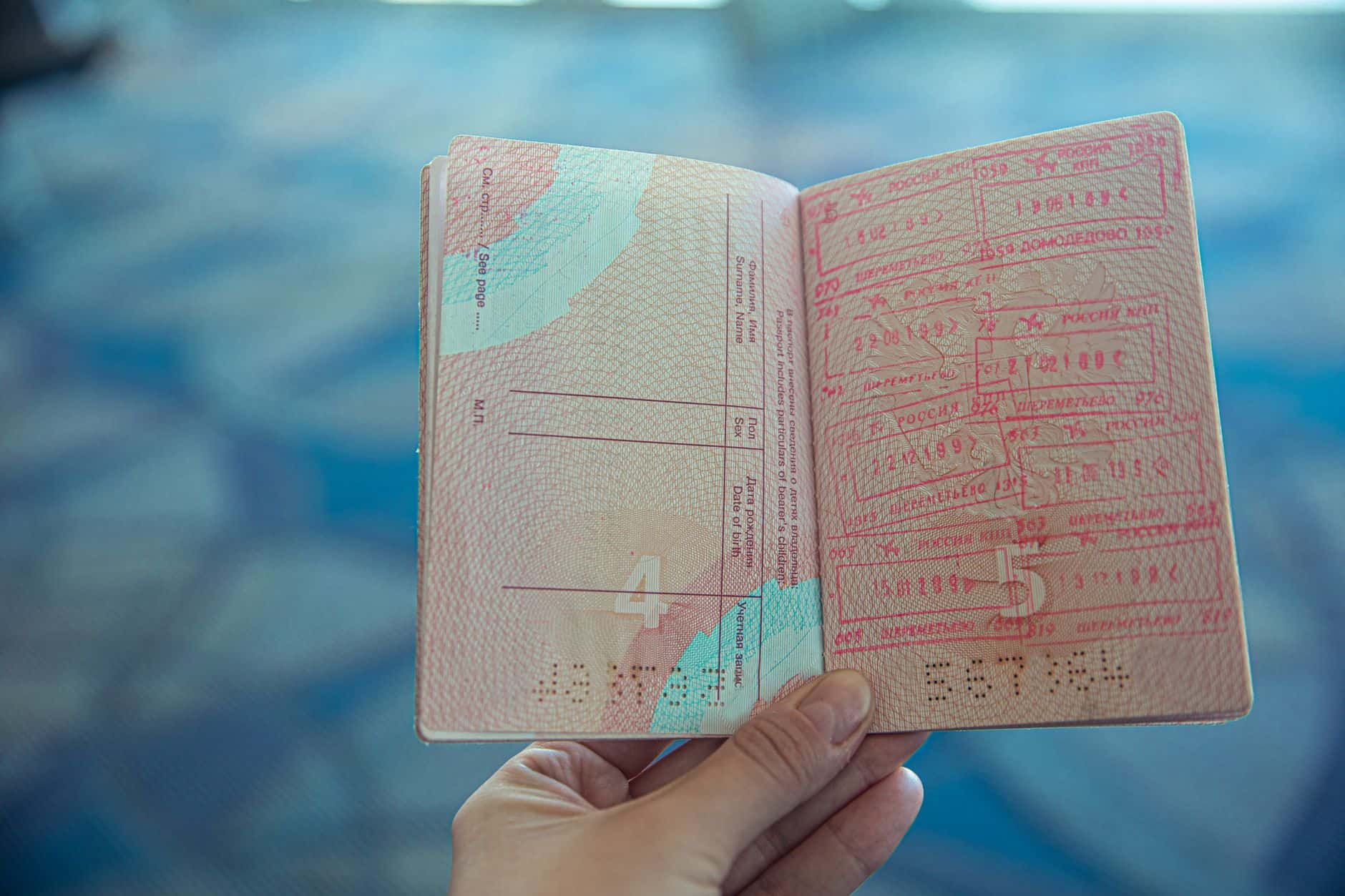
The most common objection to slow travel is: “But don’t you need a visa to stay that long?”
For most popular slow travel destinations, the answer for Americans is: not for stays under 90 days.
- The EU’s Schengen Area allows Americans 90 days out of every 180 days across the entire zone. That covers Portugal, Spain, France, Italy, Germany, Greece, and 22 other countries.
- Mexico, Colombia, Thailand, Japan, and most of Central America allow Americans 30–90 days without a visa, often extendable.
- For longer stays, an increasing number of countries offer specific Digital Nomad Visas or Remote Work Visas designed exactly for this: Portugal, Spain, Greece, Costa Rica, Barbados, Malta, Iceland, and more.
The legal pathway to spending 2–3 months abroad is genuinely accessible for most Americans. The barrier is logistical and psychological, not bureaucratic.
What It Does to Your Experience of a Place
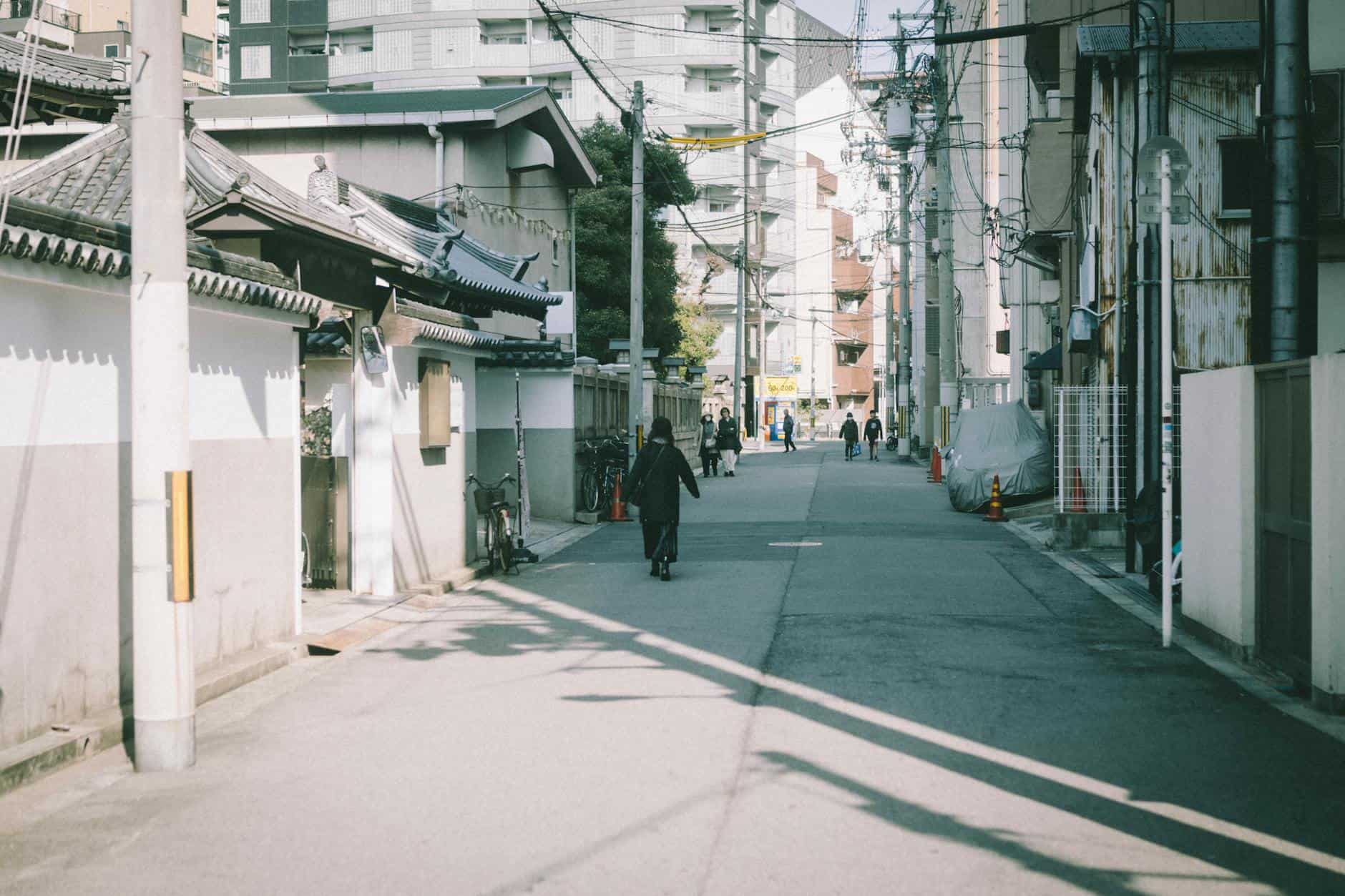
This is the part that’s harder to put numbers on.
Slow travelers consistently describe a qualitative shift that happens around the 3-week mark. You stop being a tourist. You start being someone who lives there, temporarily. That shift changes everything:
- You eat where locals eat because you’ve learned which places those are
- You have regular conversations with the same people — your landlord, the woman at the bakery, the guy who runs the corner café
- You develop preferences and routines that feel genuinely yours
- You have the time and mental space to be bored occasionally — and being bored in Lisbon leads to wandering into something genuinely unexpected
- You come home not just having visited a place, but having understood it a little
People who have done this describe it as one of the most transformative experiences of their lives — and they’re not being dramatic.
The Biggest Objections — Answered

- “I can’t leave work for that long.”More people can than realize it. Remote work has fundamentally changed this equation. If your job is laptop-based, you may be one conversation with your manager away from a 6-week trial. Some people take unpaid leaves, sabbaticals, or time between jobs. The constraint is real for some people and imaginary for others.
- “What about my house/pets/stuff?”House-sitting exchanges let you put trusted travelers in your home while you’re away. House-sitters handle pets in exchange for free accommodation. Apps like TrustedHousesitters match homeowners and sitters globally.
- “I’d get lonely.”Slow travel expats consistently report the opposite. You meet people at coworking spaces, language exchanges, expat meetups, and local activities. The slow travel community self-organizes wherever enough of them gather.
- “What if something goes wrong medically?”Travel health insurance is essential and not expensive — comprehensive policies run $50–$150/month. Most developed countries (and many developing ones) have excellent medical care available to foreigners, often at costs dramatically lower than U.S. out-of-pocket rates.
How to Make Your First Slow Trip Happen
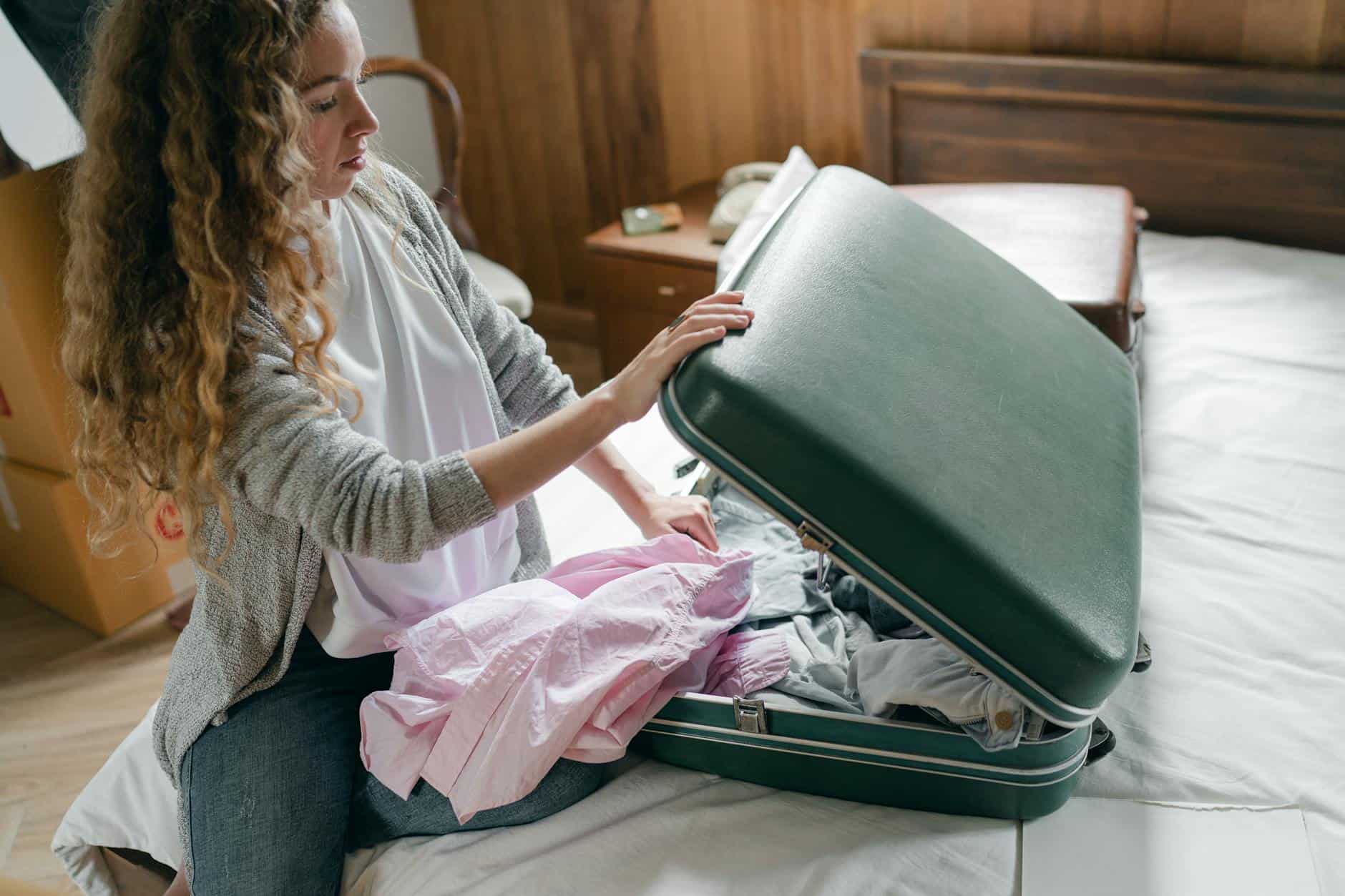
- Start with 3–4 weeks, not 3 months. Lower the barrier for yourself. One month in Lisbon or Medellín or Chiang Mai is enough to understand if this is for you.
- Book accommodation monthly, not nightly. Airbnb, Vrbo, and local rental sites all offer significant monthly discounts. Also check Facebook expat groups for the destination — they often have rental listings not posted on major platforms.
- Travel in shoulder season. March–May and September–November hit the sweet spot: lower prices, fewer crowds, still excellent weather in most destinations.
- Pick one base, not an itinerary. Resist the urge to plan travel within your travel. Pick one city, live in it, let day trips happen organically.
- Get travel health insurance before you leave. Safety Wing, World Nomads, and IMG Global are all solid options. Don’t skip this.
The two-week vacation model made sense when it was invented. It doesn’t make as much sense now that work has decoupled from location for millions of people. Slow travel is what happens when you update the calculation.